
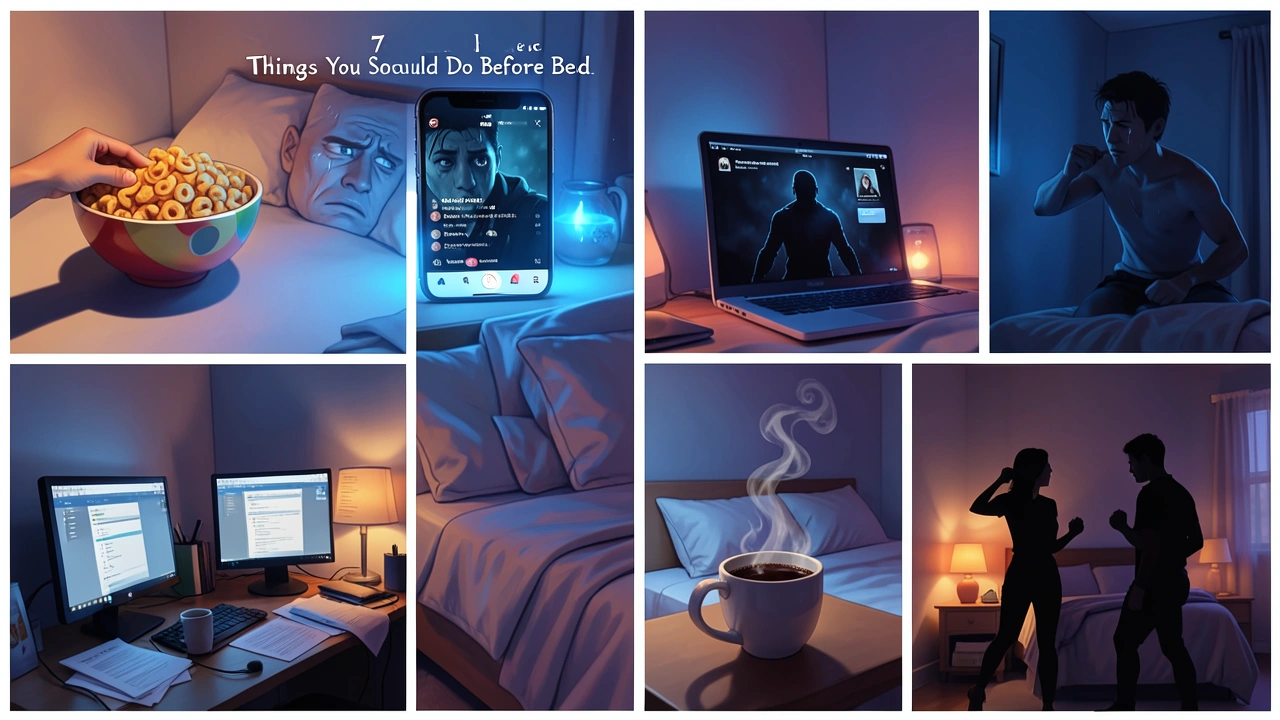
It can feel tricky figuring out what to do and what not to do right before you go to sleep. Many people wonder about the 7 Things You Should Never Do Before Bed because they want to sleep better. If you’re new to this, it might seem like a lot to remember.
Don’t worry, we’ll make it super simple with easy steps. We’ll show you exactly what helps and what to skip so you can get great rest. Keep reading to find out what those important things are.
Sleep Hygiene: Your Best Friend
This section is all about making your sleep routine work for you. Good sleep habits, often called sleep hygiene, are really important for getting quality rest. We’ll explore the main ideas behind this and how small changes can make a big difference in how you feel when you wake up.
Think of it as setting the stage for a good night’s sleep. We’ll cover why this matters and give you some easy tips to start with.
Creating a Peaceful Sleep Environment
Your bedroom should be a calm place. It needs to signal to your body that it’s time to wind down and rest. This involves a few key elements that work together to create the perfect atmosphere for sleep.
When your room is just right, falling asleep becomes much easier and your sleep quality improves.
-
Darkness is Key
This means making your room as dark as possible. Even small amounts of light can mess with your body’s natural sleep cycle. Light tells your brain it’s still daytime, making it harder to fall asleep and stay asleep. Think about using blackout curtains or an eye mask. Studies have shown that sleeping in a dark room can lead to more restful sleep and better mood. -
Quiet Please
Noise can easily wake you up or keep you from falling asleep. Try to minimize loud sounds. If you live in a noisy area, earplugs or a white noise machine can be really helpful. A consistent, gentle sound can block out sudden noises that might disturb you. -
Cool and Comfy Temperature
Most people sleep best in a slightly cool room. Your body temperature naturally drops as you fall asleep. A room that’s too hot or too cold can make it hard to relax and drift off. Aim for a temperature that feels comfortable and slightly cool to you.
The Importance of a Consistent Sleep Schedule
Your body loves routine. Having a regular bedtime and wake-up time, even on weekends, helps set your internal clock. This internal clock, called the circadian rhythm, controls when you feel sleepy and when you feel awake.
When this rhythm is steady, you’ll find it easier to fall asleep and wake up feeling refreshed.
-
Wake-Up Time Matters Most
While bedtime is important, your wake-up time has a big impact too. Try to wake up around the same time every day. This helps anchor your sleep cycle. Even if you had a bad night’s sleep, getting up at your usual time helps reset things for the next night. -
Bedtime Consistency
Going to bed at roughly the same time each night is also a big help. This signals to your body that it’s time to start winding down. It might take a little while to get used to it, but your body will thank you. You’ll start feeling naturally tired around your usual bedtime. -
Weekend Catch-Up Carefully
It’s tempting to sleep in on weekends, but big shifts can throw off your schedule. Try not to sleep more than an hour or two later than usual. This small difference can still help you avoid the “Monday morning blues” from a disrupted sleep pattern.

Avoiding Stimulating Activities Before Bed
This part is about what you do in the hours leading up to sleep. Some activities can actually make it harder for your brain and body to switch off. We’ll look at common things people do that might be keeping them from getting good rest and what to do instead.
It’s all about calming down and preparing for sleep.
The Blue Light Problem
Screens from phones, tablets, computers, and TVs give off blue light. This light is very good at tricking your brain into thinking it’s still daytime. It can really mess with your body’s natural sleep hormone, melatonin.
Melatonin is what tells you it’s time to sleep. So, the more blue light you see at night, the harder it can be to fall asleep.
-
Limit Screen Time
The best advice is to stop using screens at least an hour before bed. Put your phone away, turn off the TV, and close your laptop. This gives your brain a chance to calm down and start producing melatonin. -
Blue Light Filters
If you absolutely must use a screen, use a blue light filter. Many devices have this built-in, or you can download an app. These filters make the screen’s light warmer and less likely to disrupt your sleep. Some people also wear special glasses that block blue light. -
Alternative Activities
Instead of screens, try reading a physical book, listening to calming music, or talking with a loved one. These activities are much more relaxing and won’t interfere with your sleep hormones.
The Pitfalls of Heavy Meals and Caffeine
What you eat and drink close to bedtime can have a big effect on your sleep. Eating a big meal or having caffeine can make it hard to fall asleep and can lead to a restless night. Your body needs time to digest food and the effects of caffeine can last for many hours.
-
Don’t Eat Big Meals Late
Try to finish your last big meal at least two to three hours before you plan to sleep. This gives your stomach enough time to empty. If you’re truly hungry, a small, light snack like a banana or a few almonds is okay. -
Watch the Caffeine
Caffeine is a stimulant. It can keep you awake for a long time. Even if you drink coffee or tea in the afternoon, the effects can linger. It’s best to avoid caffeine entirely after lunch. Remember, caffeine is not just in coffee; it’s also in tea, soda, and chocolate. -
Alcohol’s Deceptive Effect
While alcohol might make you feel sleepy at first, it actually disrupts sleep later in the night. It can lead to more awakenings and less deep sleep. So, it’s best to avoid alcohol close to bedtime.
Intense Exercise and Stressful Activities
Being active is great for your health, but the timing of intense exercise matters for sleep. Likewise, engaging in stressful activities right before bed can keep your mind racing and prevent you from relaxing. Your body needs a chance to calm down and transition into a restful state.
-
Timing Your Workouts
It’s generally recommended to finish vigorous workouts at least two to three hours before bedtime. This allows your heart rate to come down and your body to cool off. Gentle activities like stretching or yoga are usually fine closer to sleep. -
Mindful Evening Routines
Avoid stressful conversations, arguments, or intense work tasks late at night. These can increase your heart rate and make it difficult to quiet your mind. Instead, focus on calming activities that help you unwind. -
Journaling for Clarity
If your mind is full of worries, try writing them down in a journal a couple of hours before bed. This can help you process your thoughts and let them go, making it easier to relax and fall asleep.
The Dangers of Certain Bedtime Habits
Some things that seem harmless can actually harm your sleep. We’ll uncover these habits and explain why they are not good for you. Making small changes here can lead to big improvements in how well you sleep.
These are often overlooked but very important to avoid.
Late-Night Naps
Taking a nap can be good, but timing it wrong can really mess up your nighttime sleep. A nap that’s too long or too late in the day can make you feel less tired when you actually need to sleep. This is because you’ve already had some of your “sleep need” during the day.
-
Keep Naps Short
If you need to nap, aim for 20-30 minutes. This is usually enough to feel refreshed without making you groggy or affecting your night sleep. Longer naps can sometimes make you feel worse. -
Nap Earlier in the Day
Try to take naps earlier in the afternoon, ideally before 3 PM. This way, they are less likely to interfere with your ability to fall asleep at your regular bedtime. -
Listen to Your Body
Some people are more sensitive to naps than others. If you find that naps always make it harder for you to sleep at night, it might be best to avoid them altogether.
Using Your Bed for Things Other Than Sleep
Your bed should be a place for sleep and intimacy only. When you start using your bed for work, eating, or watching TV, your brain starts to associate it with being awake. This can make it harder to fall asleep when you actually want to rest.
-
Bed is for Sleeping
Make a rule for yourself: only use your bed for sleeping and being with a partner. If you need to work, do it at a desk. If you want to watch TV, do it on the couch. -
Avoid Bedtime Work
Don’t bring your laptop or work papers to bed. Even if you feel tired, your brain will still be stimulated by the tasks. This can lead to a racing mind when you try to close your eyes. -
Create Sleep Triggers
By keeping your bed a sleep-only zone, you create strong signals for your brain. When you lie down, your brain will automatically start to associate it with relaxation and sleep.
Constantly Checking the Time
Looking at the clock when you can’t sleep is a common habit, but it often makes things worse. It can increase anxiety and make you feel more frustrated about not sleeping. This pressure to fall asleep can actually keep you awake longer.
-
Turn the Clock Away
If possible, turn your clock away from you or cover it up so you can’t see it. This removes the temptation to check the time and reduces the pressure. -
Focus on Relaxation, Not Time
Instead of worrying about how long you’ve been awake, focus on relaxing your body and mind. Practice deep breathing or listen to a guided meditation. The goal is to let go of the need to sleep and just relax. -
Get Out of Bed if Restless
If you’ve been lying awake for about 20 minutes and are feeling frustrated, get out of bed. Go to another room and do something quiet and relaxing in dim light, like reading. Return to bed only when you feel sleepy. This helps break the association between your bed and wakefulness.

The Impact of Technology and Lifestyle Choices
Our modern lives are filled with technology and choices that can easily disrupt our sleep. This section explores how these factors play a role and what we can do about them. We’ll talk about how technology affects our brains and how our daily choices can either help or hurt our ability to sleep soundly.
The Role of Caffeine and Nicotine
Caffeine and nicotine are common stimulants that can significantly interfere with sleep. Caffeine is found in coffee, tea, soda, and chocolate, while nicotine is in tobacco products. Both substances can keep you alert and make it much harder to fall asleep, especially if consumed too close to bedtime.
-
Caffeine’s Long Half-Life
Caffeine can stay in your system for many hours. Even an afternoon coffee can affect your sleep quality later that night. It’s wise to limit caffeine intake, especially in the late afternoon and evening. -
Nicotine’s Stimulating Effects
Nicotine is a powerful stimulant. For smokers, this means that smoking before bed can make it very difficult to relax and fall asleep. The withdrawal effects of nicotine can also lead to awakenings during the night. -
Smart Choices for Sleep
Choosing decaffeinated drinks and avoiding nicotine products close to bedtime are simple yet effective ways to improve sleep. Many people find that cutting out late-day caffeine helps them fall asleep faster and sleep more deeply.
The Influence of Stress and Worry
Stress and worry are major sleep disruptors. When you’re stressed, your body releases hormones like cortisol, which can make you feel wired and alert. This is the opposite of what you need for sleep.
Racing thoughts and anxious feelings are common, making it hard to switch off your mind.
-
Develop a Wind-Down Routine
Create a calming routine before bed. This could include taking a warm bath, reading a light book, or listening to soothing music. The goal is to signal to your body and mind that it’s time to relax. -
Practice Mindfulness or Meditation
These techniques can help you focus on the present moment and reduce anxious thoughts. Even a few minutes of daily mindfulness can make a difference in your ability to manage stress and fall asleep. -
Address Worries Earlier
Try to deal with stressful issues earlier in the day. If you have a lot on your mind, consider writing down your worries in a journal. This can help you get them out of your head and onto paper, freeing up your mind for sleep.
The Problem with Late-Night Eating and Drinking
Eating heavy meals or drinking a lot right before bed can lead to discomfort and disrupted sleep. Your digestive system works hard to process food, which can keep you from resting deeply. Also, drinking too much can mean waking up multiple times during the night to use the restroom.
-
Digestive Discomfort is Real
Large meals late at night can cause indigestion, heartburn, and bloating. These physical discomforts can make it very difficult to get comfortable and fall asleep. It’s best to give your body enough time to digest before you lie down. -
Frequent Bathroom Trips
Drinking large amounts of liquids, including water, juice, or alcohol, before bed can lead to nocturia, which is waking up at night to urinate. This breaks up your sleep cycles and reduces overall sleep quality. -
Light Snacks Are Okay
If you are truly hungry before bed, a small, easily digestible snack is fine. Think about a piece of fruit like a banana, a small bowl of oatmeal, or a handful of nuts. Avoid heavy, fatty, or spicy foods.
How to Improve Your Sleep Habits
Now that we know what to avoid, let’s focus on what to do. This section will give you practical tips for building better sleep habits. It’s about making positive changes that will help you get the rest you need.
We’ll make it easy to understand and apply these ideas to your daily life.
Establishing a Relaxing Bedtime Routine
A consistent bedtime routine is one of the most effective ways to prepare your body and mind for sleep. It acts as a signal that it’s time to wind down. This routine should be calming and enjoyable, helping you to relax and let go of the day’s stresses.
A good routine doesn’t need to be complicated.
-
Consistency is Key
Try to follow the same sequence of activities each night. This predictability helps your body get into a sleep rhythm. Even if you’re tired, sticking to your routine can make a big difference over time. -
Choose Calming Activities
Your routine should focus on things that help you relax. This could include reading a book, taking a warm bath, listening to quiet music, or doing some light stretching. Avoid anything that is too stimulating, like watching exciting TV shows or engaging in stressful conversations. -
Dim the Lights
As you get closer to bedtime, start dimming the lights in your home. This helps your body produce melatonin, the sleep hormone, which signals that it’s time to sleep. Using soft, warm lighting is ideal.
Creating the Perfect Sleep Environment
Your bedroom environment plays a huge role in how well you sleep. Making sure it’s dark, quiet, and at a comfortable temperature can greatly improve your sleep quality. Think of your bedroom as a sanctuary for rest.
Small adjustments can lead to significant improvements in how quickly you fall asleep and how deeply you sleep.
-
Darkness Matters
Make your bedroom as dark as possible. Use blackout curtains to block out streetlights or early morning sun. Even small amounts of light can disrupt your sleep cycle. An eye mask can also be very effective if your room isn’t perfectly dark. -
Silence is Golden
Minimize noise disturbances. If you live in a noisy area, consider using earplugs or a white noise machine. Consistent, low-level sound can help mask sudden noises that might wake you up. -
Temperature Control
Most people sleep best in a cool room. Aim for a temperature between 60-67 degrees Fahrenheit (15-19 degrees Celsius). Your body temperature naturally drops as you fall asleep, and a cool environment supports this process.
When to Seek Professional Help
While these tips can help many people, sometimes sleep problems are more serious. If you’ve tried improving your sleep habits and are still struggling, it’s a good idea to talk to a doctor. They can help figure out if there’s an underlying issue.
-
Persistent Sleep Problems
If you consistently have trouble falling asleep, staying asleep, or feel excessively tired during the day despite trying good sleep habits, it’s time to seek advice. These issues could be related to a sleep disorder. -
Snoring or Breathing Issues
Loud snoring, gasping for air during sleep, or frequent pauses in breathing can be signs of sleep apnea. This is a serious condition that needs medical attention. Your partner might notice these symptoms first. -
Unusual Sleep Behaviors
If you experience things like sleepwalking, night terrors, or very vivid dreams that are disturbing, a doctor can help. These could be linked to certain sleep stages or other conditions that require evaluation.
Frequently Asked Questions
Question: What is the most important thing to avoid before bed?
Answer: The most important thing to avoid before bed is using screens that emit blue light, like phones and TVs, for at least an hour before you plan to sleep. This light can trick your brain into thinking it’s still daytime, making it harder to fall asleep.
Question: Can I drink coffee before bed?
Answer: No, you should not drink coffee before bed. Caffeine is a stimulant that can stay in your system for many hours and will make it very difficult to fall asleep and get good quality rest.
Question: Is it okay to eat a big meal right before sleeping?
Answer: It is not okay to eat a big meal right before sleeping. Eating a large meal can cause indigestion and discomfort, making it hard to relax and fall asleep. It’s best to finish eating at least two to three hours before bedtime.
Question: Should I exercise late at night?
Answer: It is generally not recommended to do intense exercise late at night. Vigorous workouts can raise your heart rate and body temperature, making it harder to wind down. Try to finish your workouts at least a couple of hours before bed.
Question: What should I do if I can’t sleep?
Answer: If you can’t sleep after about 20 minutes, get out of bed and go to another room. Do something quiet and relaxing in dim light, like reading. Go back to bed only when you feel sleepy.
This helps break the cycle of lying awake and feeling frustrated.
Conclusion
Avoiding screens, heavy meals, and caffeine before bed helps a lot. Sticking to a routine and keeping your room dark and quiet sets you up for great sleep. Make these small changes, and you’ll likely feel much more rested.
Sweet dreams!
Leave a Reply