
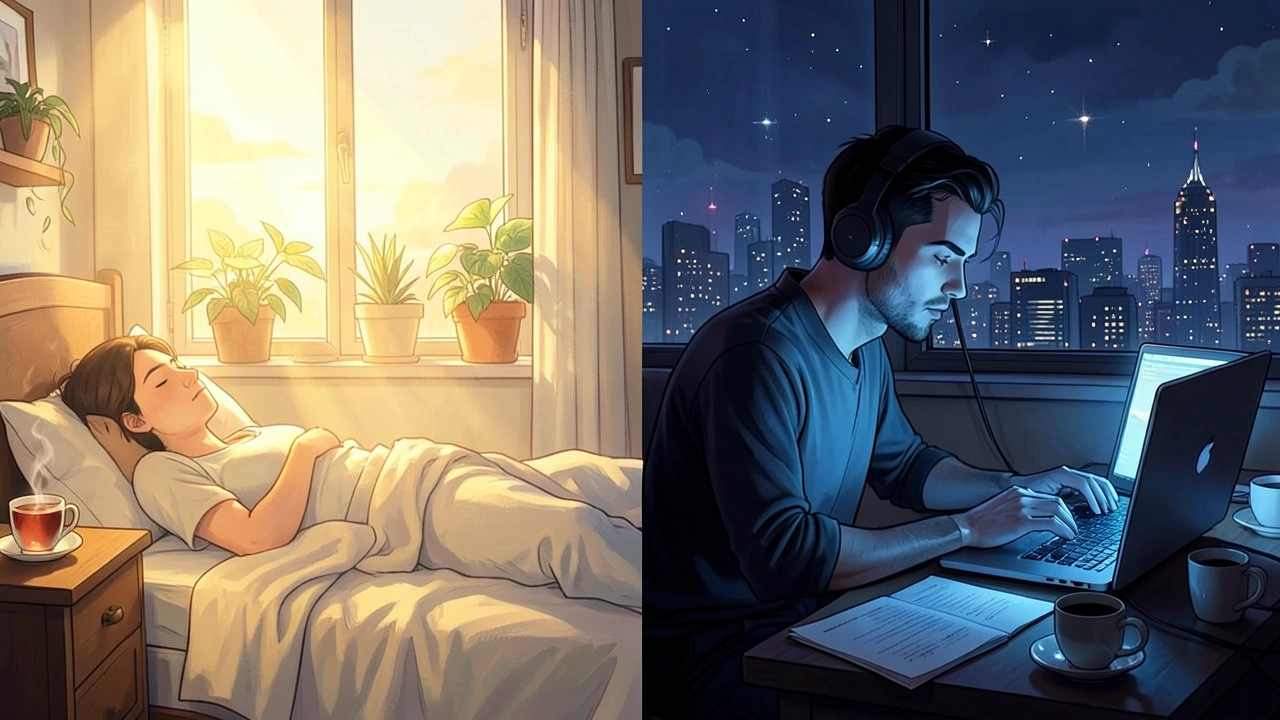
Lots of people wonder about the whole Morning vs Night Person: What Science Says thing. It can seem a bit confusing at first, but don’t worry! We’re going to break it down super simply, step by step.
You’ll learn why some of us love mornings and others are night owls. We’ll go through it all together. Let’s see what science has to tell us about our sleep patterns and when we feel our best.
Understanding Your Inner Clock
This section is all about how our bodies keep track of time. It explains why some folks are early birds and others are night owls. We’ll look at the science behind our natural sleep-wake cycles.
This helps us figure out why we feel more alert at certain times of the day. Understanding this internal clock is the first key to understanding your own patterns.
The Body’s Master Clock: Circadian Rhythms
Our bodies have a natural, internal clock that tells us when to sleep and when to wake up. This is called the circadian rhythm. It works on a cycle of about 24 hours.
This rhythm is mostly controlled by a tiny part of our brain called the suprachiasmatic nucleus (SCN). The SCN gets signals from our eyes about light in the environment. When it’s light, the SCN tells our body to be awake.
When it’s dark, it signals that it’s time to rest.
These rhythms affect more than just sleep. They also influence our body temperature, hormone release, and metabolism. So, our circadian rhythm really runs the show for many daily processes.
It’s like a conductor for our body’s orchestra. If this clock is off, it can affect how we feel and function throughout the day. Many things can nudge this clock, like shift work or jet lag.
Even small changes in light exposure can have an impact.
How Light Influences Our Sleep Cycles
Light is the biggest clue for our body’s clock. Our eyes detect light, and this tells our brain whether it’s day or night. When bright light hits our eyes, especially in the morning, it tells our body to wake up and be alert.
It stops us from making melatonin, a hormone that makes us feel sleepy. As the day goes on and the light gets dimmer, our brain starts to make more melatonin. This helps us feel tired and ready for sleep.
Blue light, which is found in sunlight and also in screens like phones and computers, is especially good at telling our brain it’s daytime. That’s why using screens late at night can make it harder to fall asleep. Our bodies are getting a signal that it’s still bright outside.
This can mess with our natural sleep schedule. Getting enough natural light during the day and avoiding bright light at night can help keep our body clock on track.
Genetics and Your Inner Clock
Some of us are just born with a natural tendency to be a morning person or a night person. This is because of our genes. Genes can influence how sensitive our internal clock is to light and how quickly it runs.
For example, some genes affect the proteins that make up our circadian rhythm. These genetic differences can lead to variations in our chronotype, which is our natural preference for being awake at certain times.
These genetic factors mean that even if we try to change our sleep schedule, our bodies might naturally fight back. Some people’s clocks are just set to wake up early, while others’ are set to stay up late. It’s not a matter of willpower; it’s simply how our bodies are built.
Scientists have identified specific genes that are linked to being a morning lark or a night owl. This shows that our chronotype has a strong biological basis.
Chronotypes: The Science of Larks and Owls
Chronotype is a scientific term for whether you are naturally more of a morning person or a night person. There are three main chronotypes. These are early bird (lark), intermediate, and night owl.
Early birds tend to wake up early and feel most alert in the morning. They usually go to bed early too. Night owls are the opposite; they prefer to wake up later and feel their best in the evening or at night.
Intermediate types fall somewhere in between.
Our chronotype is influenced by a mix of our genes and our environment. While genetics plays a big role, lifestyle factors can also shift our chronotype a bit. For instance, if a night owl is forced to wake up very early every day for work, they might start to feel a bit more tired in the mornings over time.
However, their underlying natural tendency usually remains.
Identifying Your Own Chronotype
Figuring out your chronotype is pretty straightforward. Think about when you naturally feel most awake and energetic. Do you jump out of bed at sunrise, feeling ready to go?
Or do you hit your stride in the late afternoon or evening, with your energy peaking after dinner? Your natural sleep and wake times, when you have no obligations like alarms, are the best clues.
Consider your peak alertness. When do you feel sharpest and most focused? For morning types, this is often within a few hours of waking.
For night owls, this might be in the afternoon or even after dark. Also, think about when you feel tired. If you start yawning by 9 PM, you’re likely a morning person.
If you can easily stay up past midnight, you’re probably leaning towards being a night owl. There are also questionnaires that can help you pinpoint your chronotype more precisely.
Age and Chronotype Shifts
It’s common for our chronotype to change as we get older. Children are often more like morning people. As they go through puberty, many teenagers experience a shift towards being night owls.
Their bodies naturally want to stay up later and sleep in later. This is why it’s sometimes hard for teenagers to be ready for school early in the morning.
As people enter adulthood, their chronotype can shift back towards being more of a morning person. However, this varies a lot from person to person. Older adults often become more like morning larks again.
These changes are thought to be linked to shifts in our hormones and circadian rhythms throughout our lives. So, if you were a night owl as a teen, it’s normal to feel a change as you get older.
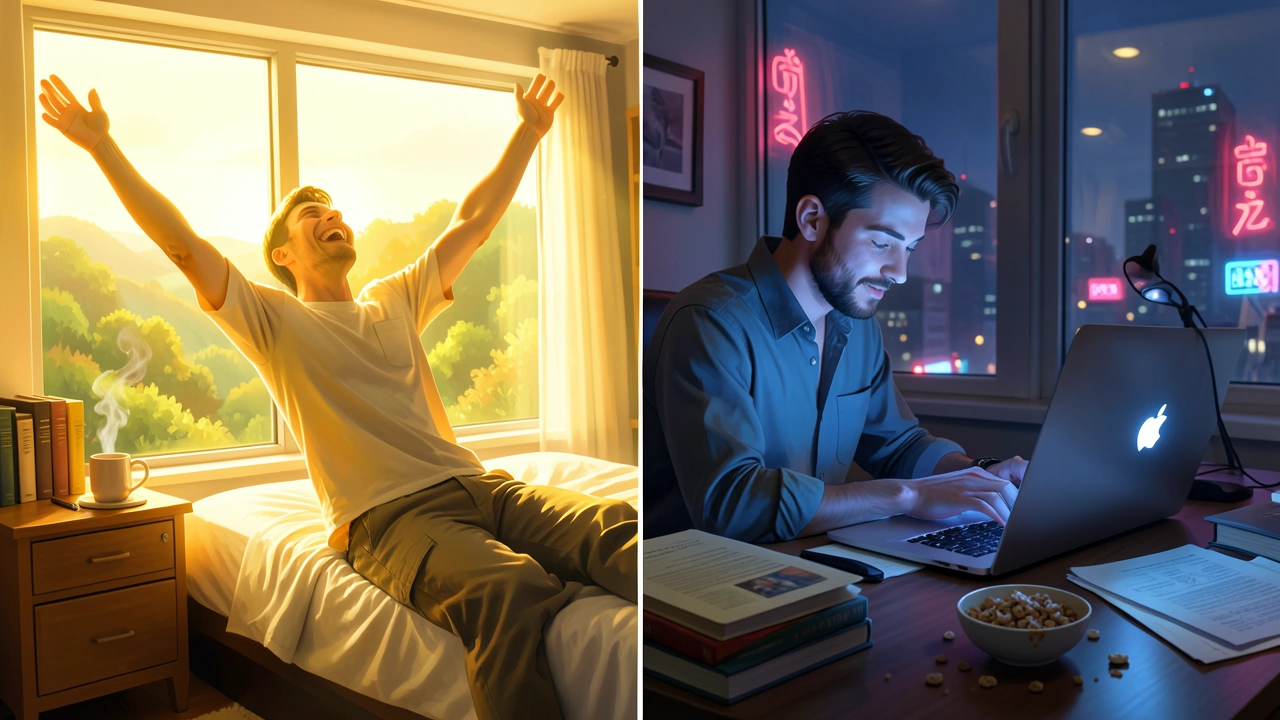
The Science Behind Being a Morning vs. Night Person
This part explores the deeper scientific reasons why some people are morning people and others are night people. We will look at the biological mechanisms that control our sleep patterns. This includes how our genes and our brain chemistry play a part.
We’ll also touch on how this affects our daily lives.
Genes That Influence Our Sleep Schedule
Scientists have found specific genes that seem to control our internal body clock. These genes, often called “clock genes,” are active in many parts of our body, including the brain. They help regulate the approximately 24-hour cycle of our circadian rhythms.
For example, the PER and CRY genes are important for the biological clock mechanism.
Variations in these clock genes can lead to different chronotypes. Some gene variations might make a person’s internal clock run slightly faster, leading to an earlier wake-up time. Other variations might make the clock run slower, making someone a night owl.
Research in twins has shown that genetics is a significant factor in determining whether someone is a morning or night person. These genetic influences are powerful and often set the stage for our natural sleep preferences.
How Genes Affect Melatonin Production
Melatonin is a hormone that our body makes to help us sleep. It is often called the “sleep hormone.” The production of melatonin is heavily influenced by light. When it gets dark, our brain starts to produce more melatonin, signaling that it’s time to sleep.
When it’s light, melatonin production is suppressed. Our genes can affect how sensitive our body is to this process.
Some people’s bodies might start producing melatonin earlier in the evening, making them feel sleepy sooner and therefore wake up earlier. Others might have a delayed melatonin release, meaning they don’t start feeling tired until later at night and prefer to sleep in. These genetic differences in melatonin timing are a key reason why some people are naturally early risers and others are not.
It’s not about being lazy; it’s about how our genes influence our body’s natural hormone cycle.
The Role of Brain Structure
While our genes and hormones are key, the structure and function of certain parts of our brain also play a role. The suprachiasmatic nucleus (SCN) in the hypothalamus is the master regulator of our circadian rhythms. It receives light signals from the eyes and then sends signals to other parts of the brain and body to control sleep-wake cycles, hormone release, and body temperature.
Differences in how the SCN functions or how it communicates with other brain regions could contribute to variations in chronotypes. For example, some research suggests that the connections between the SCN and areas of the brain involved in alertness might differ between morning and night people. This means that even with the same amount of light, the brain might process the signal differently, leading to different sleep-wake patterns.
It’s a complex interplay of different brain systems.
Impact of Lifestyle and Environment
While genetics gives us a strong tendency, our lifestyle and environment also shape our sleep patterns. Things like our work schedule, social life, and even the amount of light we are exposed to can influence when we feel awake or tired.
Modern life often pushes against our natural chronotypes. For example, many jobs require early start times, which can be very difficult for natural night owls. Similarly, people who work night shifts might struggle to adjust their internal clocks.
Exposure to artificial light, especially from screens late at night, can also disrupt our natural sleep signals. This can make it harder to fall asleep at our preferred time and harder to wake up when we need to.
Social Jet Lag
Social jet lag happens when our body’s natural sleep schedule (our chronotype) doesn’t match the sleep schedule required by our social life or work. On weekdays, we might have to wake up early, forcing us to go against our natural timing. Then, on weekends, we might sleep in much later to catch up.
This mismatch between our biological clock and our social clock is called social jet lag.
This constant shift can be disruptive. It can lead to feelings of tiredness, poor sleep quality, and even affect our mood and performance. For night owls, this is especially common.
They may find it very hard to wake up for early morning commitments. This can feel like a constant battle against their own body. Over time, social jet lag can have negative effects on our health.
Studies have linked social jet lag to several health issues. For example, a study published in the journal Sleep Medicine found that participants with greater social jet lag had higher levels of stress hormones and a greater likelihood of experiencing depression. Another study in the Journal of Clinical Endocrinology & Metabolism indicated a connection between social jet lag and increased risk of weight gain and metabolic problems.
These findings highlight that regularly disrupting our natural sleep patterns can have significant health consequences.
The Influence of Light Exposure
The amount and timing of light we get significantly impact our internal clock. Exposure to bright light in the morning helps to set our body clock for the day, signaling it to be alert and awake. Conversely, exposure to light in the evening, especially blue light from electronic devices, can delay our sleep onset.
This is because it tricks our brain into thinking it’s still daytime, suppressing melatonin production.
For morning people, being exposed to natural sunlight soon after waking can reinforce their tendency to be alert early. For night owls, bright light exposure later in the day might help them feel more awake, but it can also make it harder for them to wind down at night. Being mindful of our light exposure, especially in the hours before bed, is crucial for maintaining a healthy sleep schedule.
This involves getting enough natural light during the day and reducing exposure to artificial light at night.
Benefits and Challenges of Each Chronotype
This part looks at the upsides and downsides of being either a morning person or a night person. We’ll discuss how these natural tendencies can fit into or clash with modern society. This helps us understand the daily experiences of both larks and owls.
Advantages for Morning People
Morning people often find it easier to fit into the typical structure of many societies. Because most work and school days start early, they can often feel more in sync with these schedules. Waking up early allows them to get a head start on their day, which can lead to increased productivity.
They might feel more alert and focused during morning hours, making them ideal for tasks that require early concentration. This natural energy boost can help them get more done before midday. This alignment with societal norms can also reduce stress related to scheduling conflicts.
Increased Productivity in the Morning
Morning types tend to have higher cognitive function and energy levels in the morning. This means they can tackle demanding tasks, creative work, or important decision-making earlier in the day. This early peak performance can give them a significant advantage in fields that value morning productivity.
For example, a morning person might find it easier to write a report, solve complex problems, or prepare for an important meeting first thing in the morning. This is because their brain is naturally more active and sharp during these hours. This consistent early productivity can contribute to a sense of accomplishment and better work-life balance.
Better Alignment with Societal Schedules
Many aspects of modern life are structured around an early start. From school bells to business meetings, the conventional workday often begins in the morning. Morning people generally find it easier to adapt to these schedules without feeling constantly drained or out of sync.
This can lead to less stress and a smoother daily experience.
They can attend early meetings without feeling groggy or needing excessive caffeine. Their natural rhythm aligns well with the societal expectation of an early start. This can make them appear more organized and disciplined in a traditional work environment.
The ease of fitting into these schedules can be a significant benefit.
Challenges for Night Owls
Night owls often face more challenges in a society designed for early risers. Their natural tendency to feel alert later in the day can clash with early work or school start times. This can lead to feelings of chronic tiredness and difficulty concentrating in the morning.
The pressure to conform to an early schedule can cause significant stress. It can also impact their health and well-being. Night owls may feel like they are constantly fighting their own biology just to get through the day.
This can be frustrating and draining over time.
Difficulty with Early Mornings
For night owls, waking up early can feel like an uphill battle. Their bodies are programmed to be more alert and active later in the day and into the night. Forcing themselves to wake up at dawn can result in grogginess, reduced cognitive function, and a generally low mood.
This can make morning tasks feel overwhelming. It might take them a significant amount of time and effort to feel fully awake and functional. Even after waking, their peak performance might not occur until much later in the day, when others might be winding down.
This can lead to a feeling of constantly playing catch-up.
Potential for Sleep Deprivation
When night owls are forced to adhere to an early start, they often experience chronic sleep deprivation. This happens because they might not be able to fall asleep until late at night, but they still need to wake up early. The result is insufficient sleep, which can have serious health consequences.
This lack of sleep can affect concentration, memory, mood, and immune function. It can also increase the risk of accidents and long-term health problems. The cycle of insufficient sleep can be difficult to break without making significant adjustments to their schedule or environment.
The Intermediate Chronotype
People with an intermediate chronotype fall somewhere in the middle. They are not strictly early birds nor extreme night owls. Their sleep and wake times are more flexible, and they can adapt to different schedules more easily than extreme types.
This flexibility can be an advantage. They may not experience the same level of struggle as night owls when facing early mornings, nor do they have the same strong urge to stay up late. Their sleep-wake cycle is often more adaptable to various demands.
Adaptability and Balance
Individuals with an intermediate chronotype often find it easier to balance different demands on their time. They can usually wake up at a reasonable hour without extreme difficulty and can also stay up a bit later if needed. This makes them quite adaptable to various work or social schedules.
This balance can contribute to better overall well-being. They might experience less social jet lag than extreme chronotypes. Their sleep patterns are less likely to be severely disrupted by typical daily demands.
This makes them well-suited for many mainstream lifestyles.
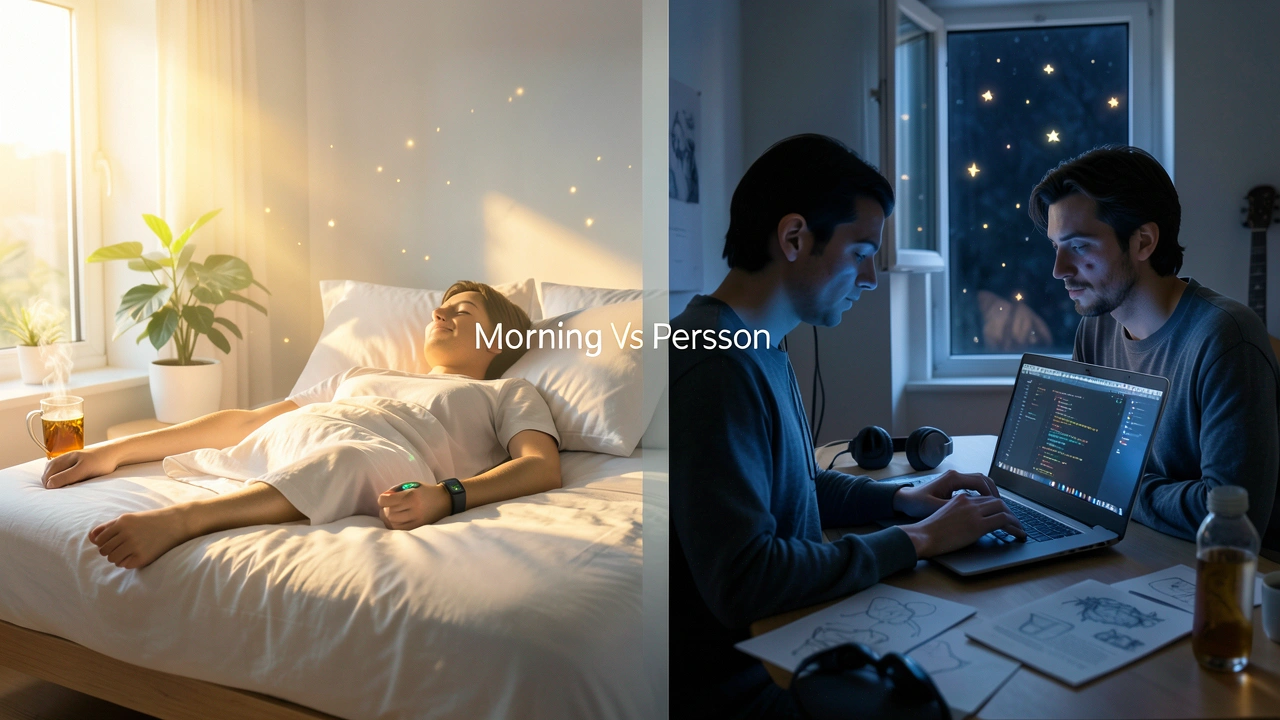
Optimizing Your Sleep and Well-being
This final section offers practical advice on how to improve your sleep. It covers strategies that can help anyone, regardless of their chronotype. The goal is to help you feel more rested and function better every day.
Creating a Sleep-Friendly Environment
Your bedroom should be a sanctuary for sleep. This means keeping it dark, quiet, and cool. Even small amounts of light can disrupt sleep by signaling to your brain that it’s time to be awake.
Using blackout curtains can help if you have light coming in from outside.
A quiet environment is also essential. If you live in a noisy area, earplugs might be helpful. Keeping the room cool helps your body temperature drop, which is a natural signal for sleep.
Aim for a temperature around 60-67 degrees Fahrenheit (15-19 degrees Celsius).
The Importance of a Consistent Sleep Schedule
Going to bed and waking up around the same time every day, even on weekends, is one of the most important things you can do for good sleep. This helps to regulate your body’s internal clock, your circadian rhythm. When your schedule is consistent, your body learns when to expect sleep and when to be awake.
This consistency helps your body produce melatonin at the right times, making it easier to fall asleep and wake up feeling refreshed. Even if you have a late night occasionally, try to get back on track as soon as possible. This regularity is key to improving sleep quality and overall well-being.
Minimizing Evening Light Exposure
As mentioned before, bright light in the evening can interfere with sleep. Try to dim the lights in your home a couple of hours before bed. If you must use electronic devices, consider using night mode settings that reduce blue light.
This can help your body start producing melatonin earlier, signaling that it’s time to wind down.
Avoiding screens altogether in the hour before bed is ideal. Instead, opt for relaxing activities like reading a physical book, taking a warm bath, or listening to calm music. These habits can prepare your mind and body for restful sleep.
When to Seek Professional Help
If you consistently struggle with sleep despite trying these strategies, it might be time to consult a doctor or a sleep specialist. Persistent sleep problems can sometimes be a sign of an underlying sleep disorder or another health issue.
A professional can help identify the cause of your sleep difficulties and recommend specific treatments. This could include behavioral therapies, medication, or other interventions. Don’t hesitate to seek help if sleep issues are significantly impacting your daily life.
Frequently Asked Questions
Question: Is it possible to change my chronotype?
Answer: While you can influence your sleep patterns and adjust to different schedules, your core chronotype is largely determined by genetics. You can adapt to be more morning-oriented or night-oriented with consistent effort, but it might always feel like a bit of a struggle if it goes against your natural tendency.
Question: Are morning people generally healthier than night owls?
Answer: Not necessarily. While morning people might fit more easily into societal structures, leading to less social jet lag and potentially fewer related health issues, the health of individuals depends on many factors, including diet, exercise, and overall lifestyle, not just chronotype.
Question: Can I train myself to be a morning person if I’m a night owl?
Answer: You can train yourself to wake up earlier by gradually adjusting your bedtime and wake-up time, and by exposing yourself to bright light in the morning and dim light in the evening. However, your natural inclination to feel more alert at night might remain.
Question: What causes social jet lag?
Answer: Social jet lag occurs when your biological sleep-wake cycle, or chronotype, is out of sync with the demands of your social life or work schedule. This commonly happens when you have to wake up much earlier on weekdays than you would naturally, and then sleep in significantly on weekends.
Question: Does technology like smartphones affect my chronotype?
Answer: Yes, the blue light emitted from screens can significantly affect your circadian rhythm by signaling to your brain that it’s daytime. Using these devices close to bedtime can delay sleep onset and make it harder to fall asleep, potentially shifting your sleep timing.
Conclusion
Understanding the Morning vs Night Person: What Science Says involves looking at your body’s internal clock. Genetics and light play big roles. While society often favors early risers, both morning and night people can live healthy lives.
Focus on good sleep habits and listening to your body’s signals. You can find ways to feel your best, no matter your natural rhythm.
Leave a Reply