

Dealing with a twitchy, tingly feeling in your legs at night can be really frustrating. It makes it hard to relax and fall asleep. Many people find that learning about Restless Legs Syndrome: Causes & Quick Relief feels a bit overwhelming at first.
But don’t worry! We’ll break it all down super simply. You’ll get easy, step-by-step tips to help you feel better soon.
Let’s look at what might be causing those leg feelings and what you can do about them right now.
What is Restless Legs Syndrome?
Restless Legs Syndrome, or RLS, is a common feeling that makes your legs want to move, especially when you’re trying to rest. It feels like an uncomfortable urge or sensation that you can’t ignore. This urge usually happens when you’re sitting or lying down.
It’s often worse in the evening or at night. The only thing that helps is moving your legs, like walking around or stretching. This can make it very hard to fall asleep and stay asleep.
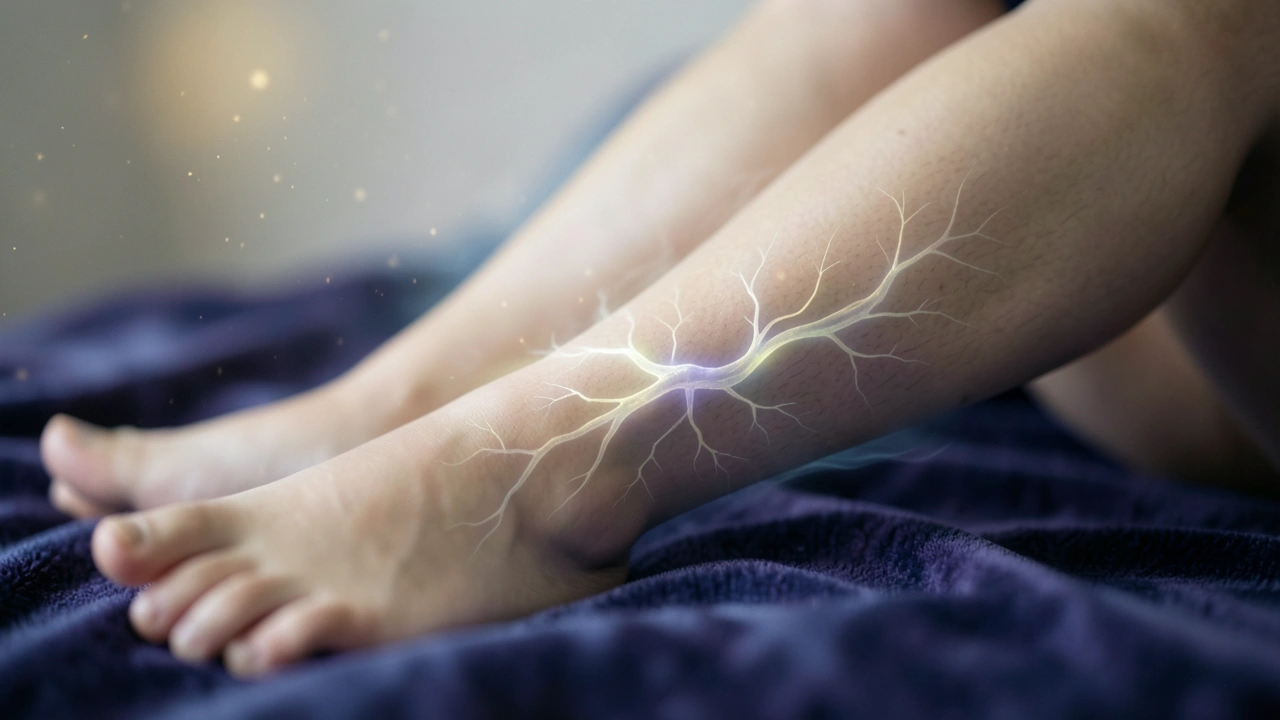
Many people with RLS report feeling a creeping, crawling, or itchy sensation deep inside their legs.
The Urge to Move
The main symptom of RLS is an irresistible urge to move your legs. This feeling is often accompanied by unpleasant sensations. These can feel like crawling, creeping, pulling, or itching.
They are usually felt deep within the legs, but can also occur in the arms or other body parts. The urge is strongest when the person is inactive, such as when sitting in a car, plane, or movie theater, or when trying to fall asleep in bed. The relief from moving is usually temporary, and the sensations return once the person stops moving.
- The Strange Sensations: People describe RLS feelings in many ways. Some say it feels like bugs crawling under their skin. Others feel a throbbing, pulling, or aching sensation. Sometimes it’s an itchy feeling that can’t be scratched away. It’s not just a simple itch; it’s a deep, internal discomfort.
- When it Happens: These uncomfortable feelings usually start after a period of rest or inactivity. They are often worse at night. This is why RLS is also called the nocturnal]’);
- What Brings Relief: Moving your legs is the key to feeling better. This could mean walking around, shaking your legs, or stretching them out. This relief often lasts only as long as you keep moving. Once you stop, the urge and sensations usually come back.
- Impact on Sleep: Because the symptoms are worse at night and relief requires movement, RLS can seriously disrupt sleep. People might toss and turn, get out of bed multiple times, or feel too uncomfortable to fall asleep at all. This lack of sleep can affect daily life.
Common Times and Places for RLS
RLS symptoms tend to appear or get worse when you are still. This makes certain situations particularly difficult for those who experience it. Think about long car rides, flights, or sitting through a long movie.
Even sitting at a desk for a long time can trigger the uncomfortable urges. The primary time RLS symptoms are reported to be most severe is during the night. This is when the body is naturally at rest, and other distractions are minimal, allowing the sensations to become more prominent.
- Evening and Nighttime: Studies consistently show that RLS symptoms are at their peak between sunset and sunrise. This is a major challenge for sleep hygiene. Many individuals find themselves awake for hours, only finding temporary comfort by getting up and pacing.
- Periods of Inactivity: Long periods without moving are a big trigger. This includes sitting for extended durations, whether for work, travel, or leisure. The longer you’re still, the more likely you are to feel the urge.
- Resting While Awake: Even if you’re not asleep, if you’re sitting or lying down and trying to relax, the symptoms can start. This makes it hard to unwind before bed or enjoy quiet time.
Understanding the Causes of Restless Legs Syndrome
The exact reason why some people get Restless Legs Syndrome isn’t always clear. However, research points to a few main factors that play a role. One of the most significant links is with iron.
When your body doesn’t have enough iron, it can affect how a chemical in your brain called dopamine works. Dopamine helps control muscle movement. Low iron levels, especially in the brain, are a frequent contributor to RLS symptoms.
Genetics also seem to play a part, meaning it can run in families. Other health conditions and even some medications can also trigger or worsen RLS.
The Role of Iron Deficiency
Iron is a vital nutrient that helps carry oxygen throughout your body. It’s also crucial for brain function. When iron levels are low, it can lead to a condition known as iron deficiency.
For RLS, it’s not just about the iron in your blood; it’s specifically about how iron levels in the brain affect dopamine. Dopamine is a neurotransmitter, a chemical messenger in the brain that helps control movement. When there’s not enough iron, dopamine pathways can become less efficient, leading to the involuntary movements and sensations associated with RLS.
This is why doctors often check iron levels, especially ferritin, which indicates stored iron, when diagnosing RLS.
- Iron and Dopamine Connection: Dopamine is a key chemical in the brain that helps with smooth muscle control. Low iron levels can interfere with how dopamine works, leading to the restless sensations and urges. This is a primary theory behind why iron deficiency causes RLS symptoms.
- Ferritin Levels: Doctors often look at a specific iron test called ferritin. This shows how much iron your body has stored. Even if your general iron levels are okay, low ferritin can be a sign of deficiency affecting brain function and contributing to RLS.
- Iron Supplements: For many people with RLS caused by iron deficiency, taking iron supplements can significantly improve symptoms. It’s important to work with a doctor to determine the right dosage and type of supplement, as too much iron can also be harmful.
Genetic Factors and Family History
It’s not uncommon for Restless Legs Syndrome to show up in multiple members of the same family. This strong link suggests that genes play a significant role in who develops RLS. If your parents or siblings have RLS, you are more likely to experience it yourself.
Scientists have identified certain genes that may be associated with the condition. These genes could affect how your brain uses iron or how dopamine works. While having a family history doesn’t guarantee you’ll get RLS, it does increase your risk.
It’s a good idea to mention a family history of RLS to your doctor.
- Inherited Tendencies: If RLS runs in your family, it means you may have inherited a predisposition. This doesn’t mean you’ll definitely get it, but your chances are higher than someone with no family history.
- Gene Research: Researchers are actively studying the genes linked to RLS. They hope to better understand how these genes influence brain chemistry and lead to the symptoms. This knowledge could help develop more targeted treatments in the future.
- Early Onset RLS: RLS that starts at a younger age, especially before 40, is often more strongly linked to genetics. This type of RLS may also be more severe.
Other Contributing Health Conditions
Several other health issues can contribute to or worsen Restless Legs Syndrome. These conditions can affect the nervous system or iron levels, both of which are important in RLS. For example, kidney failure is a common condition associated with RLS.
This is because people with kidney disease often have iron deficiencies and problems with iron metabolism. Pregnant women can also develop RLS, usually in the last trimester, which often goes away after giving birth. Diabetes can also be a factor, as nerve damage caused by high blood sugar can sometimes mimic or worsen RLS symptoms.
Even thyroid problems can sometimes play a role.
- Kidney Disease: People with chronic kidney disease often experience RLS. This is due to issues with iron levels and waste buildup in the blood, which can affect nerve function.
- Pregnancy: Many women experience RLS during pregnancy, particularly in the third trimester. The hormonal changes and increased iron demands during pregnancy are thought to be contributing factors. Fortunately, it usually resolves after delivery.
- Diabetes: Nerve damage, a common complication of diabetes, can sometimes lead to sensations similar to RLS. Managing blood sugar levels is important for overall nerve health and can help prevent or reduce these issues.
Quick Relief Strategies for Restless Legs Syndrome
When RLS symptoms strike, you want relief fast. Fortunately, there are several quick strategies you can try right away to ease the discomfort. These methods focus on immediate relief and can often be done at home.
Many people find success with simple physical actions, lifestyle adjustments, or even over-the-counter remedies. The goal is to interrupt the uncomfortable sensations and allow you to relax. It’s about finding what works best for you in the moment to get some much-needed calm.
Movement and Stretching
The most direct and effective way to get quick relief from RLS is through movement. When those uncomfortable urges hit, don’t just sit there feeling miserable. Get up and move your legs!
Walking around the room can provide immediate comfort. Simple stretches can also be very helpful. Gently pulling your knees towards your chest, or extending your legs and flexing your feet, can often soothe the sensations.
The key is to find movements that feel good to you and provide temporary relief until the urge passes.
- Gentle Walking: Just pacing around your room or house for a few minutes can make a big difference. The simple act of walking helps to reset the sensations.
- Leg Stretches: Try gently stretching your hamstrings and calf muscles. Pulling your knees to your chest while lying down can also offer relief.
- Massage: Massaging your leg muscles, especially the calves and thighs, can help to relax them and ease the discomfort. Use firm, circular motions.
- Bicycle Motion: Lying on your back and performing a bicycling motion with your legs can sometimes help to alleviate the restless feeling.
Lifestyle Adjustments
Making some changes to your daily habits can also help prevent RLS symptoms from becoming too severe or frequent. These adjustments focus on long-term management and reducing triggers. This includes paying attention to what you eat and drink, and how you manage your sleep schedule.
Even small shifts can contribute to feeling more comfortable, especially during those times when RLS is typically worse.
- Dietary Considerations: Be mindful of caffeine and alcohol, especially close to bedtime, as they can worsen RLS symptoms for some people. Ensuring you have enough iron-rich foods in your diet is also important.
- Sleep Schedule: Try to maintain a regular sleep schedule. Going to bed and waking up around the same time each day, even on weekends, can help regulate your body’s natural rhythms and potentially reduce RLS occurrences.
- Exercise: Regular, moderate exercise can be beneficial for RLS. However, avoid very strenuous exercise close to bedtime, as this can sometimes make symptoms worse.
Over-the-Counter Options and Home Remedies
Sometimes, a little extra help can go a long way. While not a replacement for medical advice, a few over-the-counter options and common home remedies might offer some relief. Warm baths can be very soothing for tired muscles and can help relax the body before sleep.
Some people find relief from applying heat or cold packs to their legs. For mild symptoms, certain supplements like magnesium might be helpful, though it’s always best to talk to a doctor before starting any new supplement, especially if you have other health conditions.
- Warm Baths: Soaking in a warm bath, especially before bed, can relax your muscles and ease the discomfort associated with RLS. Adding Epsom salts can enhance the muscle-relaxing effects.
- Heat or Cold Therapy: Experiment with applying a warm compress or a cold pack to your legs. Some individuals find one more soothing than the other. Find what provides you with the most comfort.
- Magnesium Supplements: Magnesium plays a role in muscle and nerve function. Some studies suggest it may help with RLS symptoms, particularly if a deficiency is present. Consult your doctor for appropriate dosage.

When to Seek Professional Help
While many quick relief strategies can help manage Restless Legs Syndrome, it’s important to know when to consult a healthcare professional. If your symptoms are severe, disrupt your sleep significantly, or affect your daily life, seeing a doctor is essential. A doctor can properly diagnose RLS, rule out other conditions, and discuss potential medical treatments.
They can also check for underlying causes like iron deficiency or other health problems. Don’t hesitate to reach out for help if RLS is making your life difficult. Getting the right diagnosis and treatment plan is key to feeling better.
Accurate Diagnosis
A proper diagnosis is the first step to effectively managing Restless Legs Syndrome. Your doctor will likely ask detailed questions about your symptoms, including when they occur, what makes them better or worse, and how they affect your sleep. They will also perform a physical exam and may order blood tests.
These tests can help identify any underlying causes, such as iron deficiency or problems with kidney function. Getting an accurate diagnosis ensures you receive the most appropriate treatment plan for your specific situation, rather than just trying remedies that might not address the root cause.
- Symptom Assessment: Your doctor will want to know about the specific feelings you experience, how often they happen, and how they impact your life. Detailed descriptions are crucial for a correct diagnosis.
- Blood Tests: Blood work is common to check for iron levels (especially ferritin) and overall health. This helps pinpoint potential deficiencies or other medical conditions contributing to RLS.
- Ruling Out Other Conditions: RLS symptoms can sometimes be similar to other conditions, like circulation problems or nerve issues. Your doctor will help differentiate RLS from these other possibilities.
Medical Treatment Options
If lifestyle changes and quick relief strategies aren’t enough, medical treatments are available to help manage RLS. These treatments are prescribed by a doctor and are designed to reduce the intensity and frequency of symptoms. They can range from medications that affect dopamine levels in the brain to iron supplements if a deficiency is found.
The choice of treatment depends on the severity of your RLS, your overall health, and any other medical conditions you may have. Working closely with your doctor ensures you get the safest and most effective care.
- Dopamine Agonists: These medications work by mimicking the effects of dopamine in the brain. They can be very effective in reducing RLS symptoms, especially for moderate to severe cases.
- Iron Supplementation: If RLS is linked to low iron stores, iron supplements (taken orally or intravenously) can be a primary treatment. This directly addresses a common underlying cause.
- Other Medications: In some cases, other types of medications may be used, such as certain anti-seizure drugs or opioids, for severe RLS that doesn’t respond to other treatments. These are typically reserved for specific situations.
When to See a Specialist
If your Restless Legs Syndrome is persistent, severe, or doesn’t respond well to initial treatments, your doctor might refer you to a specialist. This could be a neurologist (a brain and nerve doctor) or a sleep specialist. These doctors have advanced knowledge in diagnosing and treating sleep disorders and neurological conditions.
They can offer more in-depth evaluations and explore less common causes or treatment options. Seeking specialized care ensures you have access to the most comprehensive and up-to-date approaches for managing your RLS.
- Neurologists: These doctors specialize in disorders of the nervous system. They can help if RLS is suspected to be related to nerve function or movement disorders.
- Sleep Specialists: These experts focus on sleep-related issues. They can conduct sleep studies to further evaluate your RLS and its impact on your sleep patterns.
- Complex Cases: If your RLS is unusually severe, has started suddenly, or is accompanied by other concerning symptoms, a specialist can provide a deeper investigation.
Frequently Asked Questions
Question: What does Restless Legs Syndrome feel like?
Answer: Restless Legs Syndrome feels like an uncomfortable urge to move your legs. It’s often described as a crawling, itching, pulling, or aching sensation deep inside the legs that you can’t ignore. It usually happens when you’re resting or trying to sleep.
Question: Can RLS be cured?
Answer: While there isn’t a cure for Restless Legs Syndrome, it can often be managed very effectively. With the right treatments and lifestyle adjustments, many people can significantly reduce their symptoms and improve their sleep.
Question: Is RLS caused by stress?
Answer: Stress itself doesn’t directly cause RLS, but it can sometimes make symptoms worse or more noticeable in people who are already prone to it. Managing stress can be part of an overall plan to help with RLS.
Question: Can my children get RLS if I have it?
Answer: Yes, there is a genetic link to RLS. If you have it, your children may have a higher chance of developing it as well, though it’s not guaranteed.
Question: What is the fastest way to relieve RLS symptoms?
Answer: The quickest relief usually comes from moving your legs. This can involve walking around, stretching them, or shaking them out. These actions often provide temporary comfort until the urge passes.
Summary
Restless Legs Syndrome can be tricky, but understanding its causes and quick relief methods makes it manageable. From iron levels to simple stretches, you have tools to feel better. Don’t let those leg feelings keep you awake.
Try these tips and see how much calmer your nights can become.
Leave a Reply