
Many people wonder about Blue Light and Sleep: What You Need to Know. It can seem a bit confusing at first, with all the talk about screens and our sleep. But don’t worry!
We’ll break it all down very simply. You’ll learn exactly what blue light is doing and how it affects your rest. Then, we’ll show you easy steps to make sure you get good sleep.
Get ready to discover how to sleep better, starting right now.
Understanding Blue Light and Sleep: What You Need to Know
This section helps you grasp the basics of blue light and its connection to your sleep. We’ll explore what blue light actually is and where it comes from. You’ll learn why it matters for your body’s natural sleep patterns.
Think of it as getting the foundational knowledge so everything else makes sense. We want you to feel confident about this topic.
What is Blue Light?
Blue light is a type of light that we can see. It’s part of the rainbow of colors, like red, orange, yellow, green, blue, indigo, and violet. The colors at the blue end of the spectrum have shorter, more energetic waves.
This is why it’s called blue light. It’s very common in our daily lives.
Sunlight is the biggest source of blue light. That’s how our bodies know it’s daytime and we should be awake. But artificial sources also give off blue light.
Many modern gadgets we use every day are full of it. This includes things like smartphones, tablets, computer screens, and LED lights. They all emit blue light.
This has become a bigger issue as we use these devices more.
Sources of Blue Light
-
Sunlight: The most natural and abundant source of blue light. Exposure to sunlight, especially in the morning, helps regulate our internal body clock, also known as the circadian rhythm. This clock tells our body when to wake up and when to feel sleepy.
Sunlight is essential for this process.
-
Digital Screens: Smartphones, tablets, computers, and televisions are major sources of artificial blue light. The screens emit a significant amount of blue light to make the display bright and clear. We spend many hours each day looking at these devices, increasing our exposure.
-
LED Lighting: Many energy-efficient light bulbs today are LEDs. While they save energy, they often produce more blue light than older types of bulbs. This means even the lights in our homes and offices can affect our sleep if used late at night.
-
Fluorescent Lights: Similar to LEDs, fluorescent lights also emit blue light. These are commonly found in offices, schools, and some retail stores.
How Blue Light Affects Our Sleep Cycle
Our bodies have a natural sleep-wake cycle called the circadian rhythm. This rhythm is controlled by light. When light hits our eyes, it sends signals to our brain.
These signals tell our brain whether it’s day or night. Blue light is especially good at sending these signals.
During the day, blue light from the sun helps us feel alert and awake. It signals to our brain that it’s time to be active. This is a good thing when we need to be productive.
However, this same blue light can cause problems when we are exposed to it at night. It tricks our brain into thinking it’s still daytime.
This is why using phones or computers late at night can make it hard to fall asleep. The blue light from these devices tells your brain to stay awake. It can delay the release of melatonin.
Melatonin is a hormone that makes you feel sleepy. So, the more blue light you get before bed, the harder it might be to drift off to sleep.
Melatonin and the Circadian Rhythm
-
Melatonin Production: Melatonin is a hormone your body makes. It helps control your sleep. Normally, your body starts making more melatonin when it gets dark.
This makes you feel tired and ready for sleep. Light, especially blue light, stops your body from making as much melatonin.
Think of melatonin like a dimmer switch for your body. As it gets dark, the switch slowly turns down, making you feel sleepy. Blue light acts like turning the lights back up, even though it’s dark outside.
This confusing signal can disrupt your natural sleep pattern.
-
Circadian Rhythm Disruption: Your circadian rhythm is your body’s internal clock. It runs on a roughly 24-hour cycle. This clock controls many things, including when you feel hungry, when you’re most active, and when you feel sleepy.
Blue light exposure at the wrong times can throw this clock off. It’s like having a clock that’s set to the wrong time.
When your circadian rhythm is disrupted, it doesn’t just affect your sleep. It can also impact your mood, your energy levels, and even your health over time. Keeping this internal clock in sync is important for overall well-being.
The Link Between Blue Light and Poor Sleep Quality
When blue light messes with our melatonin and circadian rhythm, sleep quality suffers. It’s not just about falling asleep; it’s about sleeping well. People who are exposed to a lot of blue light at night often report poorer sleep.
This can mean taking longer to fall asleep. It can also lead to waking up more often during the night. Even if you manage to sleep for enough hours, the sleep might not be as deep or as restful.
This can leave you feeling tired the next day, even after a full night in bed.
The impact isn’t just feeling groggy. Over time, consistently poor sleep can have other effects. It can make it harder to focus and concentrate.
Your memory might not work as well. You might feel more irritable or stressed. It’s a chain reaction that starts with disrupted sleep.
Consequences of Blue Light Exposure
-
Delayed Sleep Onset: This means it takes longer to fall asleep. If you’re looking at screens right before bed, your brain gets the signal to stay awake. This makes it harder to transition into sleep.
You might lie in bed for a long time, feeling wide awake.
A study published in the Journal of Clinical Sleep Medicine found that participants who read an e-book on a light-emitting device for four hours before bed took longer to fall asleep. They also experienced less REM sleep, which is important for cognitive function.
-
Reduced Sleep Efficiency: Sleep efficiency is the amount of time you spend actually asleep while in bed. If you’re tossing and turning or waking up frequently, your sleep efficiency goes down. This means you spend more time in bed awake than sleeping.
For example, someone might be in bed for eight hours but only get six hours of actual sleep. This is a sleep efficiency of 75%. A healthy sleep efficiency is usually considered to be 85% or higher.
-
Altered Sleep Stages: Blue light can affect the different stages of sleep you go through. It can reduce the amount of time spent in deep sleep and REM sleep. These stages are crucial for physical repair, memory consolidation, and emotional processing.
Imagine your sleep is like a playlist. Blue light might skip the best songs or play them at the wrong time. You might get through the playlist, but it won’t be as enjoyable or beneficial.
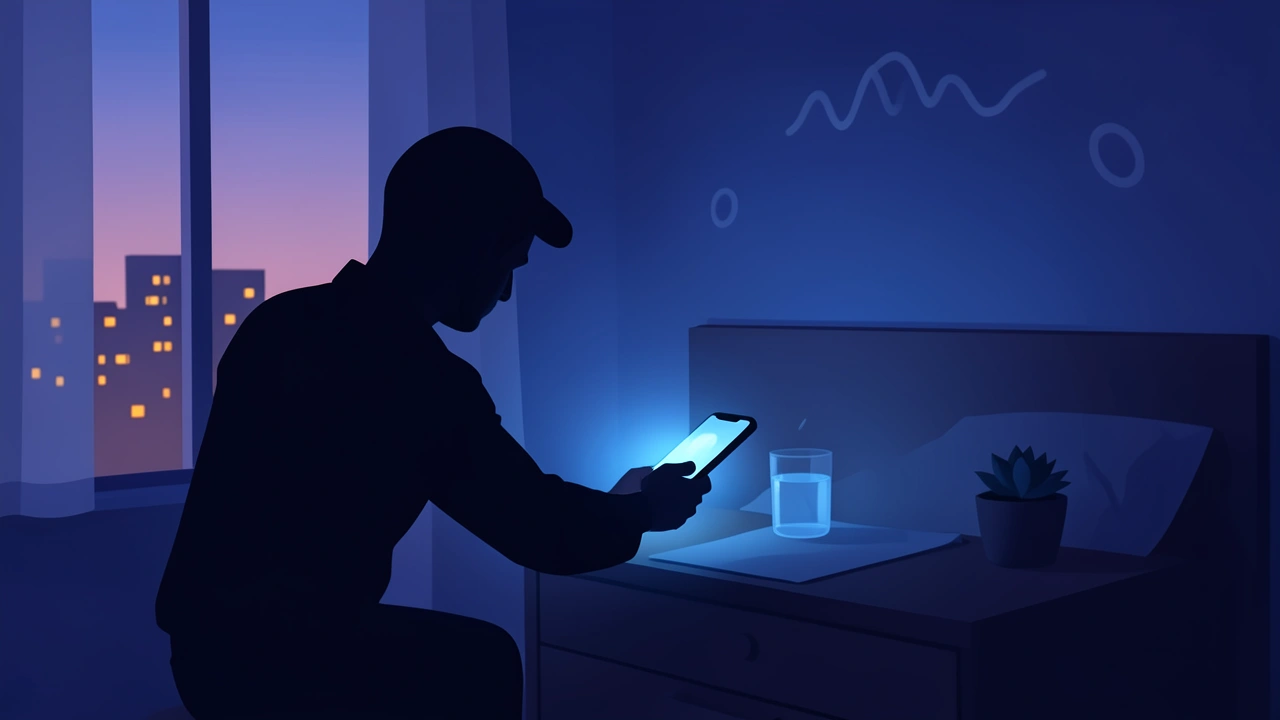
Managing Blue Light for Better Sleep
Now that you know why blue light is a concern, let’s talk about what you can do. It’s not about getting rid of all blue light, which is impossible and not healthy. It’s about managing your exposure, especially as bedtime gets closer.
We’ll explore simple, practical ways to reduce its impact.
These methods are easy to add to your daily routine. They aim to help your body recognize when it’s time to wind down. The goal is to help you fall asleep faster and enjoy more restful sleep.
Think of it as creating a peaceful transition from your busy day to a calm night.
Reducing Evening Screen Time
The most direct way to manage blue light is to cut back on screens when it’s getting dark. This gives your brain a chance to start preparing for sleep. It’s about creating a buffer zone between screen use and bedtime.
Even cutting back by an hour or two can make a big difference. It tells your body that the day is ending. This allows melatonin to start its work.
It’s a simple change with significant benefits for your sleep quality. Making this a habit is key.
Strategies for Limiting Screen Use
-
Establish a “Digital Sunset”: Set a specific time each evening when you stop using all digital devices. This “digital sunset” should be at least one to two hours before you plan to go to sleep. This creates a clear boundary.
For instance, if you want to be asleep by 10:30 PM, aim to put your phone away and turn off the TV by 8:30 PM or 9:00 PM. This allows your brain to decompress without the stimulating blue light.
-
Instead of scrolling social media, try journaling your thoughts or meditating. These activities help quiet the mind and prepare it for sleep, without the blue light interference.
-
Use “Do Not Disturb” Modes: Most smartphones and tablets have a “Do Not Disturb” feature. You can set this to automatically turn on at a certain time. This can silence notifications, reducing the temptation to check your phone.
Some phones also have a “night mode” or “bedtime mode” that can automatically adjust screen colors. This can reduce blue light emission, though it’s still best to limit overall usage.
Using Blue Light Filters and Night Modes
If you absolutely need to use screens in the evening, there are ways to lessen the blue light. Many devices now have built-in features designed for this. They change the color of the screen to be warmer, with less blue light.
These filters can make a noticeable difference. They help to reduce the signal to your brain that it’s still daytime. It’s a good compromise when you can’t avoid screens entirely.
Using these features is a smart move for better sleep hygiene.
How Filters and Night Modes Work
-
Color Temperature Adjustment: Night mode features on devices work by shifting the screen’s color temperature. They make the screen appear warmer, with more yellow and red tones, and less blue. This is because warmer colors have longer wavelengths and are less disruptive to melatonin production.
This change mimics the colors of sunset, signaling to your brain that it’s time to wind down. It’s like putting on sunglasses for your eyes, but for the screen’s light.
-
Built-in Device Settings: Most modern smartphones, tablets, and computers have a built-in feature called “Night Shift” (iOS), “Night Light” (Windows, Android), or similar names. You can usually schedule these to turn on automatically at sunset or at a specific time.
For example, on an iPhone, you can go to Settings > Display & Brightness > Night Shift. You can set it to turn on automatically from sunset to sunrise or choose custom hours. This makes it very convenient.
-
Third-Party Apps: If your device doesn’t have a built-in feature, or you want more control, there are many third-party apps available. These apps can filter blue light from your screen. Some offer more customization options than the built-in settings.
Apps like f.lux for computers can automatically adjust screen colors based on the time of day. This can be very effective for people who spend long hours in front of a computer.
Optimizing Your Sleep Environment
Your bedroom should be a sanctuary for sleep. This means making it as dark and comfortable as possible. Reducing light in your bedroom is just as important as reducing screen light.
Even small amounts of light can affect your sleep. Think about streetlights, electronics with indicator lights, or moonlight. By making your room dark, you help your body produce melatonin more effectively.
This promotes deeper, more restorative sleep.
Tips for a Darker Sleep Environment
-
Blackout Curtains: Use blackout curtains on your windows. These curtains are designed to block out almost all external light. This can significantly darken your room, even if there are streetlights outside.
Properly installed blackout curtains can make a huge difference. Ensure they are fitted tightly to the window frame to prevent light from seeping in around the edges.
-
Cover Electronic Lights: Many electronic devices have small indicator lights. These can be surprisingly disruptive. Cover them with tape or a small cloth.
You can also unplug devices you don’t need overnight.
For example, the small blue or green light on a TV or charging adapter can be enough to disturb sleep for some people. Small adjustments here can have a big impact.
-
Use a Sleep Mask: If you can’t completely darken your room, a comfortable sleep mask is an excellent option. A good sleep mask will block out any remaining light, creating darkness for your eyes.
Choose a mask that fits well and is comfortable for sleeping. There are many types available, from simple cloth masks to contoured ones that offer more space around your eyes.
Understanding the Science Behind Blue Light and Sleep
Let’s look a bit deeper into the science. Knowing how our bodies work helps us understand why these changes are important. It’s all about how light interacts with our eyes and brain.
Our eyes have special cells that are sensitive to light. These cells send signals directly to our brain’s internal clock. Blue light is particularly effective at triggering these signals.
This is why it has such a strong effect on our sleep cycle.
The Role of the Retina and the Suprachiasmatic Nucleus (SCN)
In our eyes, at the back, we have the retina. Within the retina are cells called intrinsically photosensitive retinal ganglion cells (ipRGCs). These cells are different from the ones we use for seeing images.
Their main job is to detect light and send messages to our brain about the light levels.
These ipRGCs contain a pigment called melanopsin. Melanopsin is highly sensitive to blue light. When blue light hits these cells, it tells the brain that it’s daytime.
This is a crucial part of how we regulate our wakefulness and sleepiness.
The signals from these retinal cells travel along a nerve pathway to a small area in the brain called the suprachiasmatic nucleus (SCN). The SCN is often called the body’s master clock. It’s located in the hypothalamus, a part of the brain that controls many bodily functions.
The SCN receives light information from the eyes and uses it to synchronize our internal body rhythms with the external environment. This includes our sleep-wake cycle, hormone release, body temperature, and other daily patterns. Blue light has a particularly strong influence on the SCN, reinforcing the day signals.
Melanopsin and Light Sensitivity
-
Melanopsin’s Function: Melanopsin is a photopigment that absorbs light, especially blue light. It’s found in the ipRGCs in our retina. Unlike other visual pigments, melanopsin’s primary role isn’t about forming images, but about regulating our body clock and alertness.
When blue light activates melanopsin, it sends a powerful signal to the SCN. This signal effectively tells the brain to suppress the production of melatonin, the sleep hormone. This is why blue light exposure at night is so disruptive to sleep.
-
Wavelength Sensitivity: The ipRGCs and melanopsin are most sensitive to light in the blue portion of the visible spectrum, roughly between 460 and 480 nanometers. This is why blue light from screens and LEDs has such a pronounced effect on our circadian rhythm.
This sensitivity explains why changing screen colors to warmer tones (less blue) can help improve sleep. It reduces the activation of melanopsin and the signal to the SCN to stay awake.
How Blue Light Affects Hormone Production
One of the main hormones affected by blue light is melatonin. As mentioned, melatonin is often called the “sleep hormone.” Its production increases as darkness falls, signaling to our body that it’s time to sleep.
When blue light enters our eyes at night, it directly interferes with this process. It suppresses the pineal gland, which is responsible for making melatonin. This means less melatonin is released, and we feel less sleepy.
It’s like hitting the brakes on your body’s natural sleep preparation.
This hormonal disruption can have a ripple effect. It doesn’t just make it harder to fall asleep. It can also affect other hormones and bodily processes.
Consistency is key for our hormones, and blue light throws that consistency off balance.
The Hormonal Cascade
-
Melatonin Suppression: The primary hormonal effect of evening blue light exposure is the suppression of melatonin. Even relatively low levels of blue light can reduce melatonin levels. This delays the natural onset of sleepiness.
A study found that using a light-emitting e-reader for two hours before bed suppressed melatonin levels by 22%. Participants also took longer to fall asleep and had reduced REM sleep. This highlights the direct impact on this key hormone.
-
Cortisol Levels: While melatonin promotes sleep, cortisol is often referred to as the “stress hormone” and is associated with alertness. Blue light exposure at night can also affect cortisol levels. It can sometimes lead to higher cortisol levels when they should be decreasing as bedtime approaches.
This means you might feel more wired and less relaxed, even when you’re trying to wind down. This combination of low melatonin and potentially elevated cortisol makes falling asleep and staying asleep much harder.
-
Impact on Other Rhythms: The circadian rhythm influenced by blue light also affects the release of other hormones and chemicals in the body. This can include growth hormone, which is released during deep sleep, and appetite-regulating hormones. Disrupting the SCN can indirectly affect these as well.
This interconnectedness shows why good sleep hygiene is so important for overall health, not just feeling tired or awake.
The Long-Term Health Implications
While occasional poor sleep due to blue light is manageable, chronic disruption can have more serious health consequences. Our bodies are designed to follow natural light and dark cycles. When we constantly override these cycles, it can lead to health problems.
This isn’t just about feeling tired the next day. It’s about the cumulative effect on our bodies. Long-term sleep deprivation and circadian rhythm disruption have been linked to various health issues.
It’s a reminder of how vital healthy sleep is.
Potential Health Risks
-
Increased Risk of Obesity: Poor sleep and disrupted circadian rhythms can affect hormones that regulate appetite, such as ghrelin and leptin. This can lead to increased hunger and cravings for unhealthy foods, potentially contributing to weight gain and obesity.
Studies have shown a correlation between insufficient sleep and a higher body mass index (BMI). This suggests a direct link between sleep duration and weight management.
-
Cardiovascular Problems: Chronic sleep deprivation and circadian disruption are associated with an increased risk of heart disease, high blood pressure, and stroke. Sleep is a time when the body repairs itself, and without adequate rest, these processes are impaired.
The World Health Organization (WHO) has classified shift work, which often involves disrupting the circadian rhythm, as a probable carcinogen. This highlights the potential long-term health risks of messing with our internal clocks.
-
Mental Health Issues: There’s a strong connection between sleep and mental health. Chronic sleep problems can worsen symptoms of anxiety and depression. It can also make it harder to cope with stress and regulate emotions.
For example, many people with depression experience significant sleep disturbances. Improving sleep can sometimes be a crucial part of managing mental health conditions.
-
Weakened Immune System: During sleep, your body produces cytokines, which are proteins that help fight inflammation and infection. If you don’t get enough quality sleep, your immune system can be weakened, making you more susceptible to illness.
Research shows that people who are sleep-deprived are more likely to get sick after being exposed to a virus, such as the common cold. This is because their immune system is not functioning at its best.
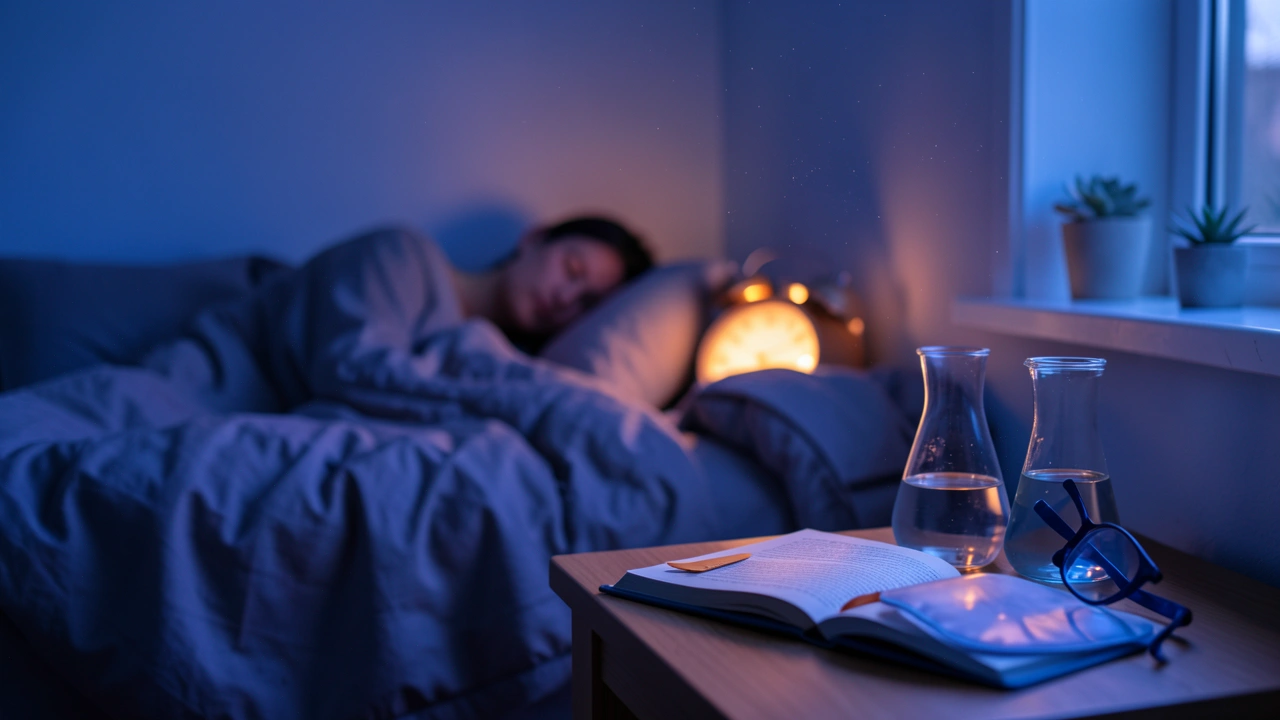
Practical Steps for Better Sleep Hygiene
Now, let’s bring it all together with actionable steps. Sleep hygiene refers to habits and practices that promote good sleep. Making these changes can significantly improve your sleep quality.
It’s about creating a consistent routine and environment that supports restful sleep. You don’t need to do everything perfectly, but small, consistent efforts make a big difference. Let’s focus on practical changes you can make today.
Creating a Consistent Sleep Schedule
One of the most important things you can do is stick to a regular sleep schedule. This means going to bed and waking up around the same time every day, even on weekends.
This consistency helps to regulate your body’s internal clock. It trains your body to expect sleep at a certain time and wakefulness at another. This makes it easier to fall asleep and wake up naturally.
Tips for a Consistent Schedule
-
Set Alarms for Bedtime and Wake-up: Use alarms not just for waking up, but also for reminding yourself it’s time to start winding down for bed. This helps you stay on track.
If you aim to wake up at 7 AM, try setting an alarm for 9:30 PM to start your bedtime routine. This gentle nudge can be very effective.
-
Avoid Oversleeping on Weekends: While it’s tempting to sleep in, large differences in sleep schedules between weekdays and weekends can disrupt your circadian rhythm. Try to keep your weekend wake-up time within an hour or two of your weekday time.
This helps prevent “social jet lag,” which is the feeling of being groggy and out of sync after sleeping much later on a weekend.
-
Get Morning Light Exposure: As soon as you wake up, try to get some natural light, preferably sunlight. This helps to reset your circadian clock for the day and signals to your body that it’s time to be awake.
Even 10-15 minutes of outdoor time can be beneficial. Open your curtains wide or take a short walk.
Dietary and Lifestyle Considerations
What you eat and drink, and your general lifestyle, also play a big role in sleep quality. Certain things can help you sleep better, while others can make it harder.
Being mindful of these factors can create a better foundation for restful sleep. Small adjustments can lead to significant improvements. It’s about supporting your body’s natural sleep processes.
What to Eat and Avoid
-
Limit Caffeine and Alcohol: Avoid caffeine late in the day, as it’s a stimulant that can keep you awake. Alcohol might make you feel sleepy initially, but it disrupts sleep quality later in the night.
Try to have your last caffeinated drink at least six hours before bedtime. Limit alcohol intake, especially close to bedtime.
-
Avoid Heavy Meals Before Bed: Eating a large, heavy meal right before bed can cause discomfort and indigestion, making it hard to fall asleep. If you are hungry, opt for a light, healthy snack.
A small portion of almonds or a banana can be a good choice. Avoid fatty or spicy foods.
-
Stay Hydrated, But Not Too Much at Night: It’s important to stay hydrated, but drinking large amounts of fluids close to bedtime can lead to nighttime bathroom trips, disturbing your sleep.
Drink water throughout the day, but reduce your fluid intake in the hour or two before bed.
The Importance of Exercise and Relaxation
Regular physical activity can greatly improve sleep quality. Exercise helps you fall asleep faster and enjoy deeper sleep. However, the timing of your exercise is important.
Incorporating relaxation techniques into your evening routine is also very beneficial. These methods help calm your mind and body, preparing you for sleep.
Exercise and Relaxation Techniques
-
Timing of Exercise: While exercise is good for sleep, intense workouts too close to bedtime can be stimulating. Aim to finish vigorous exercise at least three hours before you plan to go to sleep.
Gentle activities like stretching or yoga can be done closer to bedtime. They can actually help you relax.
-
Mindfulness and Meditation: Practicing mindfulness or meditation can help reduce stress and quiet a racing mind. Even a few minutes of focused breathing can make a difference in your ability to relax.
There are many guided meditation apps and videos available that can help you get started.
-
Deep Breathing Exercises: Simple deep breathing can activate your body’s relaxation response. Inhale slowly through your nose, hold for a few seconds, and exhale slowly through your mouth. This can help lower your heart rate and calm your nervous system.
This is an easy technique you can do anywhere, anytime you feel stressed or need to relax.
Frequently Asked Questions
Question: Does blue light from screens actually prevent sleep?
Answer: Yes, blue light from screens can prevent sleep. It tricks your brain into thinking it’s daytime, which stops your body from making the sleep hormone melatonin. This makes it harder to fall asleep.
Question: Is it okay to use my phone in bed?
Answer: It’s generally not recommended to use your phone in bed. The blue light it emits can disrupt your sleep cycle. It’s better to read a physical book or do another relaxing activity instead.
Question: How much time before bed should I stop using screens?
Answer: Experts suggest stopping screen use at least one to two hours before bedtime. This gives your body enough time to start producing melatonin and prepare for sleep.
Question: Will blue light glasses really help me sleep better?
Answer: Blue light glasses can help, especially if you must use screens at night. They filter out some of the blue light, reducing its disruptive effect on your sleep hormone production.
Question: Can I still get good sleep if I work night shifts?
Answer: Working night shifts makes it challenging because your schedule goes against your natural body clock. Strategies like using blackout curtains, avoiding bright light during work hours, and trying to maintain a consistent sleep schedule even on days off can help.
Conclusion
Understanding how blue light affects your sleep is key to getting better rest. By managing screen time and creating a dark, calm bedroom, you can significantly improve your sleep quality and feel more refreshed each day.
Leave a Reply