
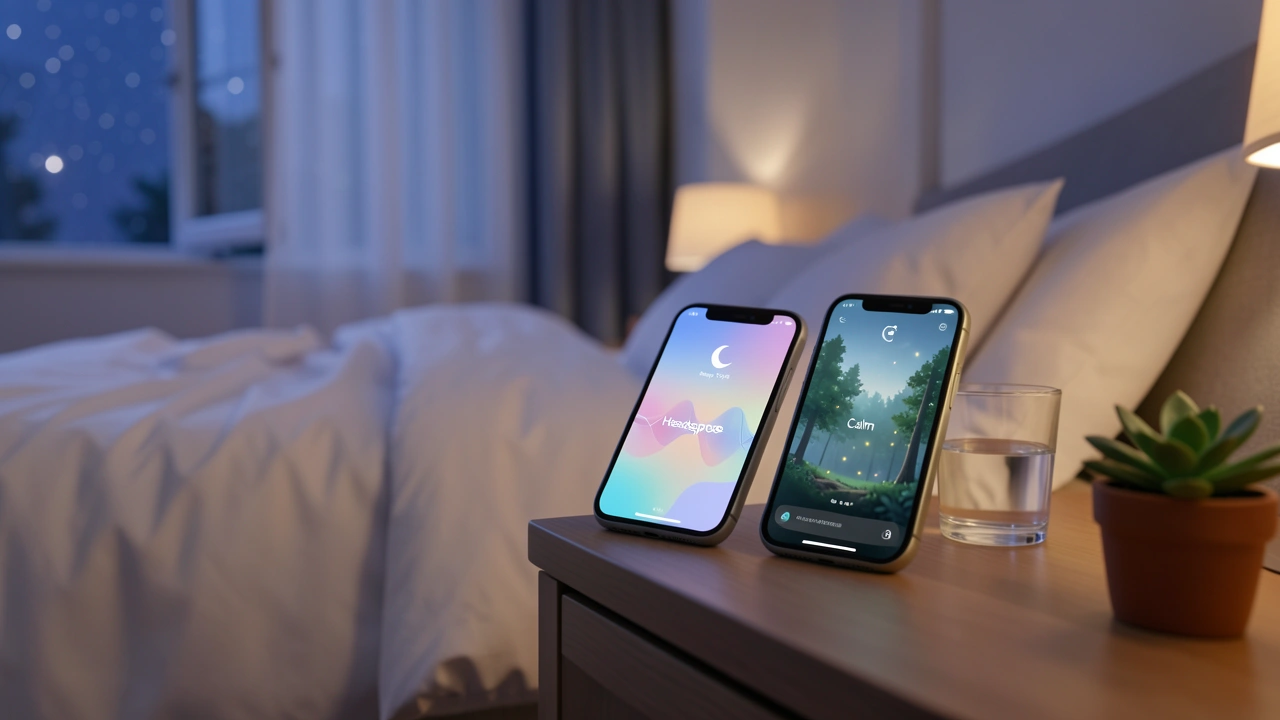
Finding the Best Sleep Apps That Actually Work (Tested) can feel like looking for a needle in a haystack, especially when you’re just starting out and feeling tired. So many options seem to promise sweet dreams, but it’s hard to know which ones will truly help you sleep better. Don’t worry, we’ve got you covered!
We’ll walk you through it step by step. Get ready to discover simple ways to improve your sleep tonight.
Exploring the Best Sleep Apps That Actually Work (Tested)
This section looks at popular and effective sleep apps. We’ll explain what makes them stand out and how they can help you. The goal is to show you real tools that can make a difference.
We want you to feel confident in choosing an app that fits your needs. Discover how these apps can support your journey to better sleep.
What Makes a Sleep App Great?
A great sleep app does more than just play sounds. It helps you understand your sleep patterns. It might offer guided meditations or breathing exercises.
Some apps even track your sleep cycles. The best ones are easy to use and offer features that actually help you relax. They should feel like a helpful friend for your sleep, not a complicated tool.
- User-Friendly Design: Good apps are simple to figure out. You don’t want to spend ages trying to find a setting when you’re already sleepy. Clear buttons and menus mean you can quickly start a sleep aid. This makes it easy to build a nightly routine.
- Variety of Sleep Aids: People relax in different ways. Some like gentle music, others prefer nature sounds like rain or ocean waves. Some find white noise helpful. The best apps offer a wide range of these sounds. They also might have bedtime stories or guided meditations.
- Personalization Options: What works for one person might not work for another. Apps that let you adjust sound volumes, mix different sounds, or set custom timers are very useful. This ability to tweak settings makes the app feel like it’s made just for you.
How Sleep Apps Help You
These apps work by creating a calming environment. They use sound and guidance to prepare your mind and body for rest. Many people find that consistent use helps build better sleep habits.
Some apps offer insights into your sleep quality. This information can help you make changes to your daily routine.
- Masking Disruptions: Background sounds can cover up noises that might wake you up. This includes things like traffic outside or a snoring partner. Consistent, soothing sounds can help you stay asleep through the night.
- Promoting Relaxation: Guided meditations and breathing exercises help calm your mind. This is super useful if you find your thoughts racing at bedtime. Slow, deep breaths signal to your body that it’s time to wind down.
- Building a Routine: Using an app at the same time each night can become a signal to your brain that sleep is coming. This helps create a regular sleep schedule. A consistent routine is one of the most important factors for good sleep.
Understanding How Top Sleep Apps Work
This section will explain the science behind why these sleep apps are effective. We will break down the features that contribute to their success. You’ll learn about sound therapy, meditation, and sleep tracking in simple terms.
This will give you a clearer picture of how to get the most out of an app.
The Power of Sound and Sleep
Sound plays a big role in our sleep. Some sounds can help us relax and fall asleep faster. Others can help us stay asleep by masking disruptive noises.
This is why many sleep apps feature a variety of soundscapes.
Sound Therapy: This is the use of sound to help people relax or sleep better. It’s not just about listening to music. It involves specific types of sounds.
For example, white noise is a constant, steady sound that can block out other noises. Pink noise is similar but has a deeper, more calming tone. Brown noise is even deeper.
These sounds work by providing a consistent auditory environment. When there are sudden loud noises, our brains react. Consistent, low-level sounds are less likely to trigger this alert response.
This allows the brain to stay in a relaxed state.
- White Noise: This is a sound that contains all audible frequencies at equal intensity. Think of the sound of a fan or static on an untuned radio. It’s excellent for blocking out sudden, irregular noises like doors slamming or a dog barking. Many parents use it to help babies sleep because it mimics sounds from the womb.
- Nature Sounds: Sounds like rain falling, waves crashing on a beach, or wind rustling through leaves are very popular. These sounds are often complex but natural. They can create a peaceful and immersive atmosphere. For many, these sounds evoke feelings of calm and being outdoors, which can reduce stress.
- Binaural Beats: These are a bit more technical. They are created by playing two slightly different frequencies into each ear. Your brain perceives a third, “phantom” beat. The theory is that these beats can influence brainwave activity, potentially leading to states of relaxation or focus. For sleep, low-frequency binaural beats are often used.
Guided Meditations and Mindfulness
Many of us struggle with our minds racing when we try to sleep. Worries about work, personal life, or just random thoughts can keep us awake. Guided meditations and mindfulness exercises help calm this mental chatter.
Guided Meditation: This is a practice where a teacher or recording leads you through a meditation session. The guidance can involve focusing on your breath, body sensations, or visualizing a peaceful scene. The goal is to gently bring your attention back when your mind wanders, without judgment.
This trains your brain to be less reactive to distracting thoughts.
Mindfulness: This is about paying attention to the present moment without judgment. For sleep, it means noticing your thoughts and feelings as they come and go, but not getting caught up in them. It’s about observing rather than engaging.
This practice can significantly reduce anxiety and promote a sense of peace.
- Body Scan Meditation: This exercise involves bringing your awareness to different parts of your body, one by one. You gently notice any sensations – warmth, coolness, tension, or relaxation. The aim is to release physical tension, which is often linked to mental stress. By relaxing the body, the mind also tends to relax.
- Breathing Exercises: Simple techniques like diaphragmatic breathing (belly breathing) or box breathing (inhale for 4, hold for 4, exhale for 4, hold for 4) can slow your heart rate and lower blood pressure. These physiological changes are key to preparing your body for sleep. They shift your nervous system from a ‘fight or flight’ mode to a ‘rest and digest’ mode.
- Sleep Stories: These are narrated stories designed to be calming and soporific. They often have a slow, gentle pace and a non-stimulating plot. The focus is on creating a soothing atmosphere rather than an engaging narrative that might keep you awake. The narrator’s voice acts as a gentle guide to help you drift off.
Sleep Tracking Features Explained
Some sleep apps go a step further by tracking your sleep. They use your phone’s microphone or motion sensors to detect movement and sound. This helps them estimate how long you slept and what stages of sleep you experienced.
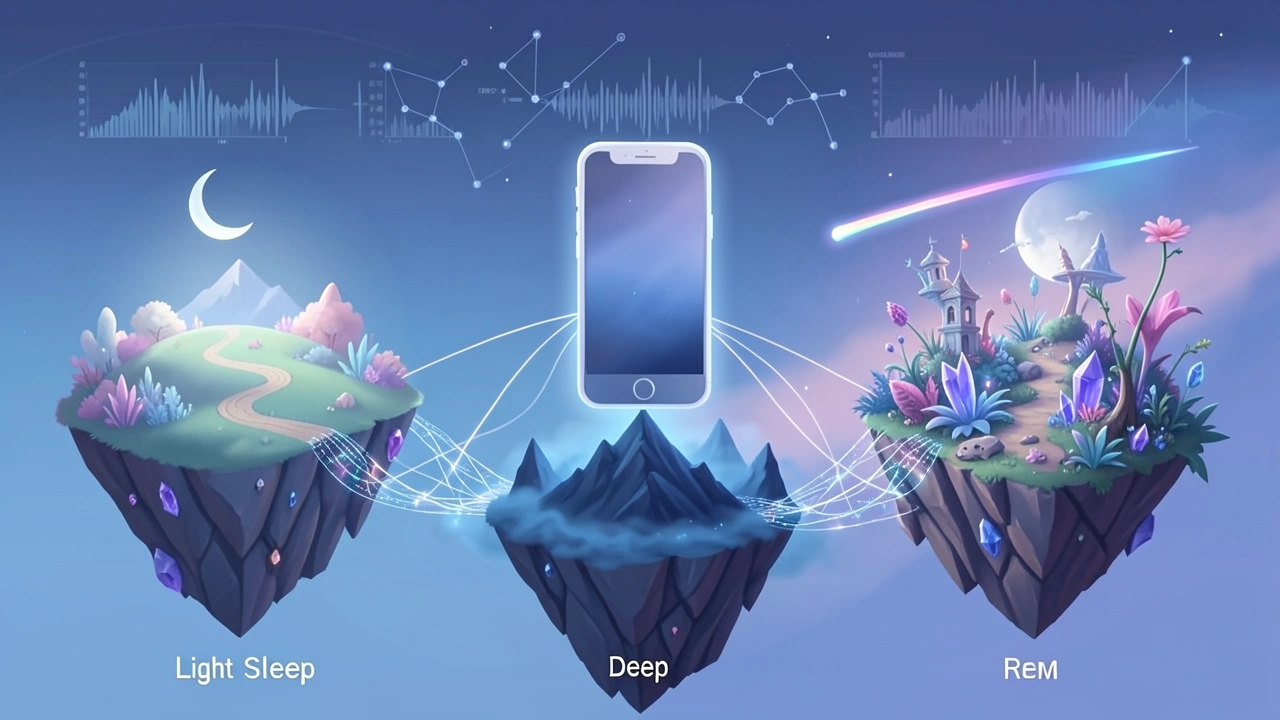
Sleep Stages: Sleep isn’t one continuous state. It cycles through different stages. There’s light sleep, deep sleep, and REM (Rapid Eye Movement) sleep.
Light sleep is the transition phase. Deep sleep is crucial for physical restoration and feeling rested. REM sleep is important for cognitive functions like memory and learning.
These apps try to identify these stages by looking at how much you move and if you snore or talk in your sleep. They can then provide a report each morning. While not as precise as a medical sleep study, this data can give you general insights into your sleep patterns.
- Movement Detection: Apps can use the accelerometer in your phone to detect when you toss and turn. Less movement usually indicates deeper sleep, while more movement might suggest lighter sleep or being awake. This helps the app estimate your sleep duration and periods of restlessness.
- Sound Analysis: Some apps listen for sounds like snoring, sleep talking, or environmental noises. This can help identify potential disturbances to your sleep. For instance, frequent snoring might indicate a need to consult a doctor. Environmental noise analysis can show you if a sudden sound often wakes you.
- Smart Alarms: Many tracking apps include a smart alarm. Instead of waking you at a set time, it aims to wake you during a light sleep stage within a chosen window (e.g., between 7:00 AM and 7:30 AM). Waking during light sleep often feels much easier and less jarring than being pulled out of deep sleep.
Testing and Evaluating Best Sleep Apps That Actually Work (Tested)
We’ve looked at several top sleep apps to see how well they perform. This section details our findings. We’ll share real-world experiences and highlight what makes certain apps stand out.
Our goal is to give you practical advice based on actual use.
App 1: Calm – A Deep Dive
Calm is a very popular app. It’s known for its vast library of meditations and sleep stories. It also offers soothing sounds and music.
The app is designed to be a comprehensive tool for relaxation and sleep.
Meditation Library: Calm has hundreds of guided meditations. These cover topics like anxiety, stress, and focus. The “Sleep Stories” section is particularly impressive.
It features well-known voices reading stories designed to lull you to sleep.
Soundscapes: The app offers a variety of nature sounds, ambient music, and white noise. You can often mix and match these sounds to create your own custom background. The quality of the audio is excellent.
- Ease of Use: Calm’s interface is clean and intuitive. Finding a meditation or sleep story is straightforward. The design feels calming and uncluttered, which is important for a sleep app.
- Effectiveness: Many users report significant improvements in their ability to fall asleep. The variety of content means you can find something that resonates with you. The “Sleep Stories,” in particular, are frequently praised for their effectiveness.
- Cost: Calm operates on a subscription model. While there are some free features, a full subscription unlocks all content. This is a common approach for premium wellness apps.
App 2: Headspace – Focus on Mindfulness
Headspace is another leading app, often recommended for beginners in meditation. It offers structured courses and a straightforward approach to mindfulness. Its sleep content includes guided meditations, sleep casts, and wind-down exercises.
Beginner-Friendly: Headspace excels at breaking down complex concepts into simple, manageable steps. Their “Basics” course is a great starting point for anyone new to meditation.
Sleepcasts: These are audio experiences designed to help you wind down. They are like gentle, ambient stories that don’t have a strong plot. The aim is to distract your mind softly.
- Content Variety: Beyond sleep, Headspace provides a wide range of mindfulness exercises for daily life. This makes it a versatile tool for overall well-being. The sleep section is well-integrated with the app’s broader philosophy.
- Personalized Recommendations: The app often suggests content based on your past usage. This can help you discover new meditations or sleep aids that might suit your preferences.
- Subscription Model: Similar to Calm, Headspace is a subscription-based service. They often offer free trials, which is a good way to test it out.
App 3: BetterSleep – For Tracking and Sound
BetterSleep (formerly Relax Melodies) is known for its extensive library of sounds and its sleep tracking capabilities. It allows for a high degree of customization in sound mixing.
Customizable Soundscapes: You can combine multiple sounds to create your perfect sleep mix. Want rain with a touch of ocean waves and some soft piano? You can do that here.
Sleep Tracking: The app includes features to monitor your sleep. It can track your sleep cycles and identify disruptions. It also has a smart alarm to wake you up gently.
- Sound Quality: The sounds in BetterSleep are generally high-quality and very realistic. The ability to layer them allows for a deeply immersive experience.
- Sleep Diary: The app encourages you to log your sleep each morning. This can help you see patterns between your daily activities and your sleep quality. It builds a personal record over time.
- Free vs. Premium: BetterSleep offers a good selection of free sounds and features. A premium subscription unlocks the full library of sounds, advanced tracking features, and more.
App 4: Sleep Cycle – Smart Alarm Focus
Sleep Cycle is primarily known for its smart alarm clock feature. It monitors your sleep and aims to wake you during your lightest sleep phase. This leads to feeling more refreshed upon waking.
Smart Alarm Technology: The app uses your phone’s microphone or motion sensors to analyze your sleep movements. It identifies when you are in light sleep. It then triggers the alarm during this optimal window.
Sleep Analysis: While its main strength is the alarm, Sleep Cycle also provides sleep statistics. You can see how long you slept, how much time you spent awake, and your sleep quality score.
- Waking Experience: The most significant benefit reported by users is feeling less groggy when waking up. This gentle wake-up process can positively impact the start of your day.
- Data Visualization: Sleep Cycle presents your sleep data in easy-to-understand graphs. This helps you visualize your sleep patterns over time. You can see trends and identify nights when you slept particularly well or poorly.
- Integration: The app can integrate with other health platforms like Apple Health. This allows for a more holistic view of your health data.
Real-Life Success Stories with Sleep Apps
Hearing how others have benefited can be very encouraging. These stories show how different apps have made a tangible difference. They offer practical examples of how these tools can be used effectively.
Case Study: Sarah’s Journey to Better Sleep
Sarah, a busy marketing manager, often found herself tossing and turning for hours. Her mind would race with to-do lists and work worries. She tried various remedies but nothing seemed to stick.
She started using the Calm app. She began with the daily 10-minute “Morning Meditation” to set a positive tone. In the evenings, she’d listen to a “Sleep Story” or a guided meditation specifically for anxiety before bed.
After about two weeks of consistent use, Sarah noticed a change. She was falling asleep faster, usually within 20 minutes of starting a Sleep Story. She also felt less anxious about sleep itself.
The gentle narratives helped distract her from her racing thoughts. She found that the variety of stories kept it interesting, so she didn’t get bored. She realized the power of routine and consistent, gentle guidance.
Her main takeaway was that it wasn’t about forcing sleep, but about creating the right conditions for it. The app provided a peaceful transition from her busy day to rest. She continued to use Calm, exploring different sleep stories and meditations.
She even started using some of the breathing exercises during stressful work moments.
Case Study: Mark’s Experience with Sleep Cycle
Mark struggled with feeling groggy every morning, no matter when he went to bed. He’d set his alarm for 7 AM, but felt like he was being ripped from a deep sleep. This made his mornings difficult and his energy levels low throughout the day.
He decided to try Sleep Cycle. He was intrigued by the idea of waking up during a lighter sleep phase. He set his alarm to wake him between 7:00 AM and 7:30 AM.
The first few mornings, Mark noticed he felt noticeably less groggy. He was still sleepy, but it wasn’t the jarring, heavy feeling he was used to. The app’s graphs showed him that he often had a lot of deep sleep in the earlier hours, but then entered lighter sleep closer to his alarm time.
The smart alarm was indeed waking him up more gently.
Over a month, Mark found that his mornings became much more manageable. He felt more alert and ready to start his day. He also started paying more attention to his sleep patterns through the app’s data.
He noticed that nights where he exercised earlier seemed to result in better sleep scores. This led him to adjust his exercise routine. The data gave him actionable insights he could use to improve his sleep habits.
Sample Scenarios for Using Sleep Apps
- The Anxious Mind at Bedtime: You’re lying in bed, and your mind starts replaying conversations, worrying about tomorrow’s tasks, or dwelling on past events. Instead of staring at the ceiling, you open a sleep app like Calm or Headspace and select a guided meditation for anxiety or a peaceful sleep story. The narrator’s voice and the calm atmosphere help to quiet your thoughts and guide you toward sleep.
- Waking Up Feeling Like a Zombie: Your alarm goes off, and you hit snooze multiple times. Even after finally getting out of bed, you feel heavy, irritable, and can’t shake the grogginess. You switch to using Sleep Cycle or the smart alarm feature in BetterSleep. You set a wake-up window, and the app gently rouses you when you’re in a lighter sleep stage, making mornings feel much smoother.
- Disturbed by Noise: You live in a busy city, and street noise, sirens, or a neighbor’s late-night activities often wake you up. You download BetterSleep and create a custom sound mix of rain and gentle thunder. You play this on repeat throughout the night. The consistent, soothing sound masks the disruptive noises, allowing you to sleep more soundly.
Tips for Choosing and Using Your Best Sleep App
Selecting the right app and using it effectively can make a big difference. This section offers practical advice to help you get the most out of your chosen sleep app. We’ll cover how to pick an app and how to make it a regular part of your bedtime routine.
How to Pick the Right App for You
With so many options, choosing can be tough. Think about what you need most. Are you looking for help falling asleep, staying asleep, or waking up feeling better?
Consider the types of content you prefer. Do you like guided meditations, calming music, nature sounds, or stories? Many apps offer free trials, so take advantage of them.
This lets you test out the features and interface before committing to a subscription.
- Identify Your Primary Need: Are you struggling with racing thoughts, environmental noise, or simply finding it hard to wake up? Knowing your main problem helps narrow down the best features to look for. Some apps excel at meditation, others at soundscapes, and some at tracking.
- Read Reviews: Look at what other users are saying. Pay attention to comments about the sound quality, the effectiveness of the features, and the ease of use. User feedback can offer valuable insights into an app’s real-world performance.
- Consider Your Budget: Many excellent sleep apps require a subscription. Decide how much you are willing to spend. Some apps offer a good free tier, while others provide more content with a paid plan. Balance the features you want with what you can afford.
Making Sleep Apps Part of Your Routine
An app is only as good as how often you use it. Consistency is key to developing good sleep habits. Try to integrate your chosen app into your nightly routine.
Set a reminder to wind down and start your app session. Make it a relaxing ritual. The more consistently you use it, the more your brain will associate the app with sleep.
This can significantly improve its effectiveness.
- Set a Consistent Bedtime: Aim to go to bed and wake up around the same time each day, even on weekends. Using your sleep app as part of this consistent routine reinforces the message to your body that it’s time for sleep.
- Create a Relaxing Environment: Use your app in a dark, quiet, and comfortable bedroom. Dim the lights before you start your session. This signals to your body that it’s time to wind down.
- Experiment with Content: Don’t be afraid to try different sounds, meditations, or stories within your app. What works one night might not work the next. Having a variety of options ensures you can always find something that helps you relax.
Understanding Sleep Data (If Applicable)
If your app tracks your sleep, don’t get too caught up in the numbers initially. The data can be interesting, but it’s the trends over time that are most useful.
Focus on how you feel after using the app. If you wake up feeling more refreshed, that’s a good sign. Use the data to identify potential patterns.
For example, if you consistently have poor sleep on nights you eat late, you can make a change.
- Focus on Trends, Not Daily Fluctuations: Your sleep quality can vary night to night due to many factors. Look for consistent patterns over weeks or months rather than obsessing over a single night’s data. A slightly lower score one night doesn’t mean the app isn’t working.
- Connect Data to Your Habits: If the app shows you’re restless on certain nights, think about what you did that day. Did you drink caffeine late? Did you have a stressful meeting? Use this information to make adjustments to your daily habits.
- Consult a Professional if Concerned: If you consistently have very poor sleep scores or experience symptoms like excessive daytime sleepiness, talk to a doctor. App data is a guide, not a diagnosis. A healthcare professional can provide accurate advice.
Frequently Asked Questions
Question: Are free sleep apps as good as paid ones?
Answer: Some free sleep apps offer great features, like basic soundscapes or simple guided meditations. However, paid apps often provide a wider selection of high-quality content, advanced features like detailed sleep tracking, and a more polished user experience. It really depends on your needs and what you’re looking for.
Question: How long does it take for a sleep app to work?
Answer: It varies from person to person. Some people feel a difference the first night. For others, it might take a few days or even a couple of weeks of consistent use.
Building new habits takes time, so be patient and stick with it.
Question: Can a sleep app cure insomnia?
Answer: Sleep apps can be very helpful tools for improving sleep quality and making it easier to fall asleep. However, they are not a cure for severe insomnia. For chronic sleep problems, it’s best to consult a doctor or a sleep specialist.
Question: Do I need to leave my phone on my nightstand all night?
Answer: If you’re using features that rely on your phone’s microphone or motion sensors, like sleep tracking or smart alarms, then yes, you’ll need to keep your phone nearby. If you’re just using it for sound or guided meditations, you can place it further away, as long as you can still hear it.
Question: What’s the difference between white noise and nature sounds?
Answer: White noise is a constant, all-frequency sound that’s good for masking other noises. Nature sounds, like rain or ocean waves, are more complex and can be very relaxing and immersive. Both can help with sleep, but people often prefer one over the other.
Wrap Up
Using the Best Sleep Apps That Actually Work (Tested) can make a real difference. Apps offer sounds, stories, and tracking to help you relax and sleep better. Find one that fits your needs.
Use it consistently as part of your nightly routine. You’ll likely find yourself sleeping more soundly and waking up feeling more refreshed.
Leave a Reply