
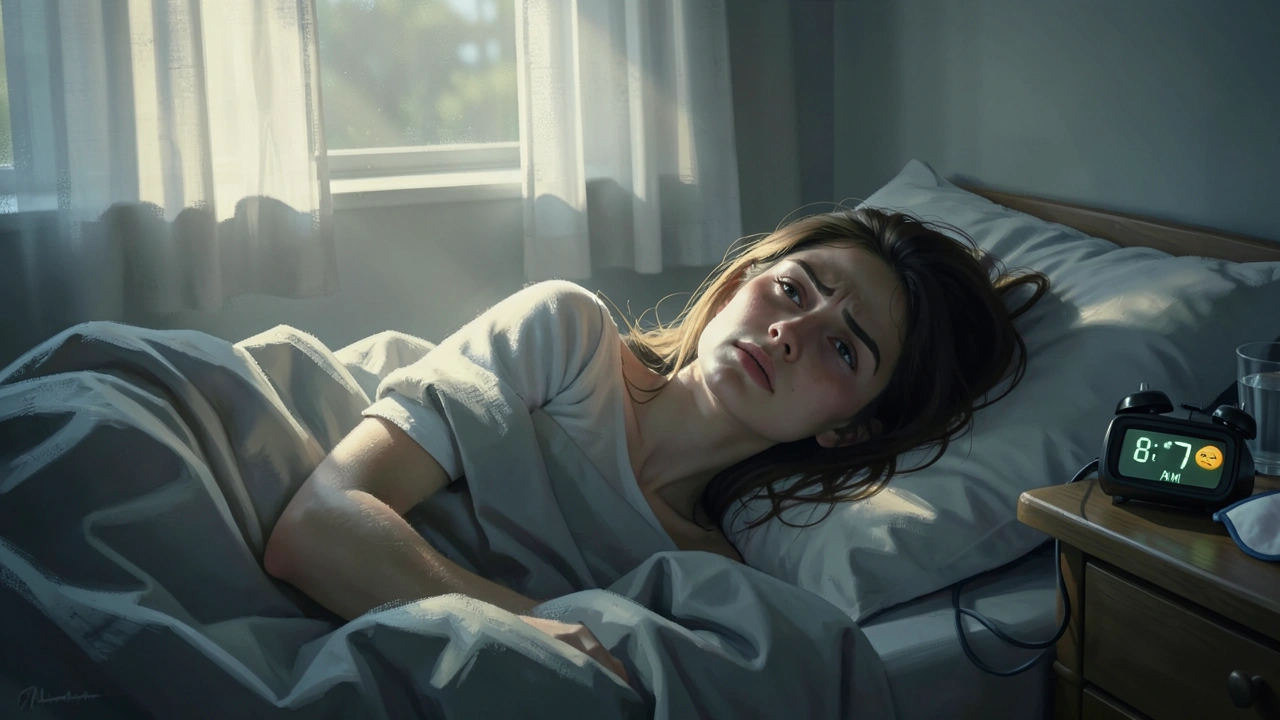
It’s super common to wonder, “why do I feel worse after sleeping 8 hours?” Many people think more sleep is always better, but sometimes it just doesn’t feel that way. You might wake up groggy or even more tired than before you went to bed. This can be confusing, especially when you’re just starting to pay attention to your sleep habits.
Don’t worry, though! We’ll break down the simple reasons behind this feeling. Get ready for a straightforward, step-by-step guide that will help you figure out what’s going on with your sleep.
Understanding Sleep Cycles and Feeling Worse
This part explains why getting too much sleep, or sleeping at the wrong times, can leave you feeling groggy. We’ll look at how your sleep works and what can go wrong. You’ll learn about the different stages of sleep and how they affect how you feel when you wake up.
This will help you see why that extra hour or two isn’t always a good thing.
The Science of Sleep Stages
Sleep isn’t just one long, restful state. It’s actually made up of different stages that repeat throughout the night. These stages are like different phases of brain activity and body rest.
Knowing these stages helps explain why “why do I feel worse after sleeping 8 hours” is a real thing for many people.
There are two main types of sleep: Non-Rapid Eye Movement (NREM) sleep and Rapid Eye Movement (REM) sleep. NREM sleep is further divided into three stages. Stage 1 is very light sleep, where you can be easily woken up.
Stage 2 is a deeper sleep, but still not the deepest. Stage 3 is deep sleep, also called slow-wave sleep. This is when your body does most of its repair and growth.
REM sleep is when most of your dreaming happens. Your brain is very active during REM sleep, almost like when you’re awake. Your muscles are temporarily paralyzed, which prevents you from acting out your dreams.
A full sleep cycle, moving through all these stages, typically lasts about 90 to 110 minutes. You go through several of these cycles each night.
The problem arises when you’re woken up during deep sleep. If you sleep for too long, you might spend more time in these deep stages and then get pulled out of them abruptly. This can cause sleep inertia, which is that groggy, disoriented feeling you get after waking up.
It’s like your brain hasn’t quite caught up with your body yet.
Many people think sleeping 8 hours is the magic number, but it’s more about the quality and timing of your sleep. If your 8 hours are broken up, or if you’re forced to wake up from a deep sleep stage, you can feel worse. This is a key part of why do I feel worse after sleeping 8 hours.
Sleep Inertia: The Grogginess Explained
Sleep inertia is that feeling of being foggy, tired, and out of sorts right after waking up. It’s like your brain is still booting up. This happens because when you wake up from deep sleep, your brain is still in a very relaxed state.
It takes time for your brain to become fully alert and ready for the day.
The deeper the sleep you were in when you woke up, the more severe sleep inertia can be. Waking up from Stage 3 NREM sleep, the deep sleep phase, often leads to more intense sleep inertia than waking up from lighter sleep stages like Stage 1 or 2.
Think of it like this: your brain has been running on low power, doing important maintenance work. Suddenly, the alarm goes off, and it has to switch back to high power very quickly. It’s not always a smooth transition.
This is a major reason why people might feel worse after sleeping 8 hours. If those 8 hours include too much time in deep sleep, or if you wake up during a deep sleep phase, you’re more likely to experience significant sleep inertia. It can make you feel like you haven’t slept at all, or even worse.
The duration of sleep inertia varies. For some, it might only last a few minutes. For others, it can persist for an hour or even longer.
Factors like how well you slept overall, your sleep schedule consistency, and even your age can influence how long sleep inertia lasts.
- Brain Activity Lag: When you wake from deep sleep, certain parts of your brain, especially those involved in decision-making and alertness, are still operating at a slower pace. This lag causes the foggy feeling.
- Circadian Rhythm Mismatch: Waking up when your body’s internal clock, or circadian rhythm, expects you to be asleep can worsen sleep inertia. This often happens when you sleep in on weekends or have an irregular sleep schedule.
- Dehydration and Blood Sugar: Waking up after a long period without drinking or eating can also contribute to feeling sluggish. Your body needs hydration and fuel to function optimally.
Understanding sleep inertia is crucial for anyone asking, “why do I feel worse after sleeping 8 hours.” It’s not about the quantity of sleep alone, but how you wake up from it.
The Role of Your Body Clock (Circadian Rhythm)
Your body has an internal clock, called the circadian rhythm, that controls your sleep-wake cycle. It’s like a master conductor, telling your body when to feel sleepy and when to feel alert. This rhythm is influenced by light and darkness.
When your sleep schedule is consistent, your circadian rhythm works smoothly. You feel tired at bedtime and wake up naturally feeling refreshed. But when your sleep is irregular, or you sleep for too long, you can throw this clock off balance.
For example, sleeping much longer than usual on a weekend can disrupt your circadian rhythm. This is called “social jet lag.” Your body gets used to sleeping in, and then it’s hard to get back on track during the week. This is a big part of why do I feel worse after sleeping 8 hours for some people.
Your circadian rhythm also dictates when you’re supposed to be in different sleep stages. If you sleep through your natural wake-up time, you might end up waking up during a deep sleep phase. This mismatch between your internal clock and your actual wake-up time can lead to significant grogginess and fatigue.
It’s not just about how many hours you sleep, but when those hours happen in relation to your body’s natural rhythm. A consistent sleep schedule helps align your sleep stages with your circadian rhythm, leading to better wakefulness.
- Light Exposure: Natural light is the most powerful cue for your circadian rhythm. Exposure to bright light in the morning helps signal to your body that it’s time to wake up. Conversely, darkness at night promotes sleepiness.
- Hormone Regulation: Your circadian rhythm influences the release of hormones like melatonin (which makes you sleepy) and cortisol (which makes you alert). Disruptions can lead to imbalances in these hormones.
- Temperature Fluctuations: Your body temperature naturally drops when you’re about to sleep and rises when you’re about to wake up, guided by your circadian rhythm.
When you understand how your circadian rhythm works, you can start to see why oversleeping or an inconsistent schedule can lead to feeling worse, even after a full night’s sleep.
Common Factors Contributing to Feeling Worse After Sleep
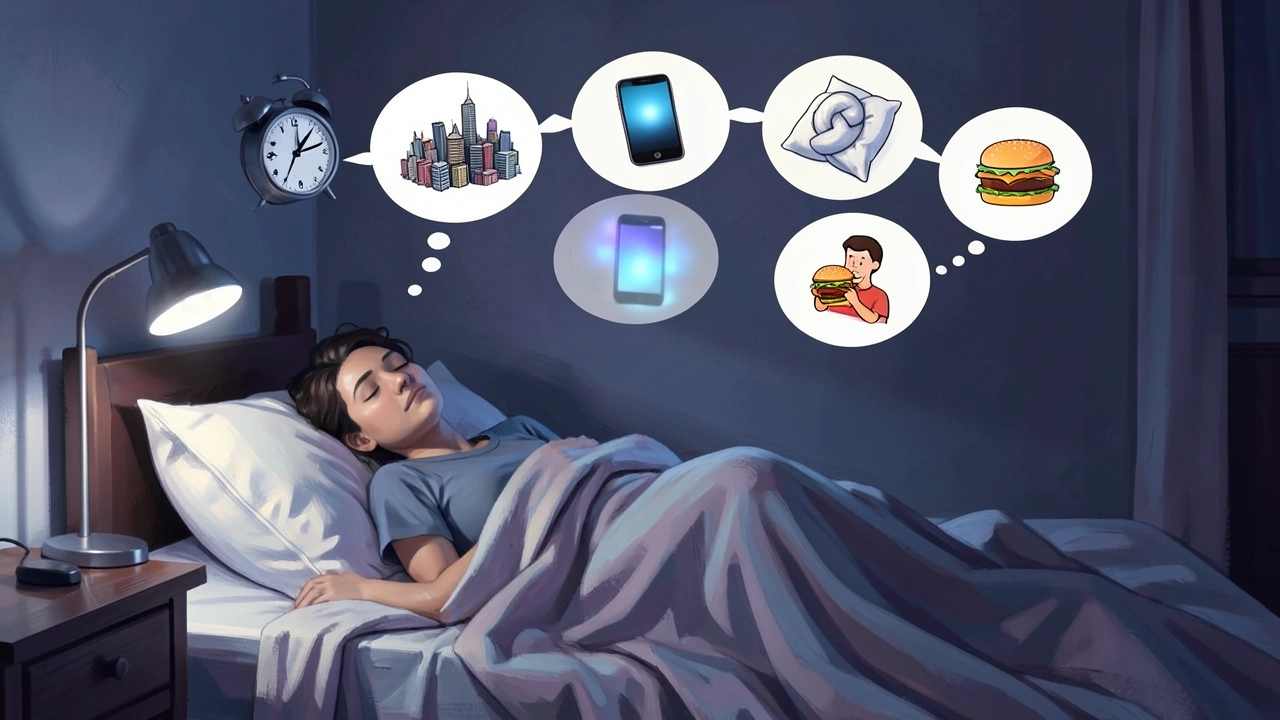
Now let’s explore the everyday things that can make you feel bad even after getting a lot of sleep. These are simple habits and environmental factors that often get overlooked but can have a big impact on how you feel when you wake up. We’ll cover everything from what you eat to the air you breathe in your bedroom.
Diet and Hydration Impact
What you consume, especially close to bedtime, can significantly affect your sleep quality and how you feel upon waking. Even if you sleep for 8 hours, poor dietary choices can lead to feeling worse. This is a common culprit for those wondering, “why do I feel worse after sleeping 8 hours.”
Eating heavy meals or sugary snacks right before bed can disrupt your sleep. Your body is busy digesting instead of resting. This can lead to more awakenings during the night, even if you don’t remember them, or can result in lighter, less restorative sleep.
Alcohol is another big offender. While it might make you fall asleep faster, it disrupts your sleep cycles later in the night, particularly REM sleep. This means you’re not getting the full benefits of your sleep, leaving you feeling tired.
Caffeine is also problematic. Consuming caffeine too late in the day can make it harder to fall asleep and can lead to lighter sleep. Even if you manage to sleep for 8 hours, the quality might be compromised.
Hydration is equally important. If you don’t drink enough water throughout the day, you might wake up dehydrated. This can cause headaches, fatigue, and a general feeling of unwellness.
Waking up thirsty after a long sleep is a clear sign of dehydration.
Conversely, drinking too much fluid right before bed can lead to frequent trips to the bathroom, interrupting your sleep. This fragmentation of sleep, even within an 8-hour period, prevents you from cycling through restorative sleep stages effectively.
- Late-Night Meals: Digesting a large meal requires energy. If your body is working hard to digest, it’s harder to enter and stay in deep, restorative sleep.
- Sugary Foods: A sugar rush before bed can lead to a crash later in the night, potentially waking you up or causing restless sleep.
- Processed Foods: These often contain additives that can negatively impact sleep quality for some individuals.
Paying attention to your diet and staying hydrated can make a noticeable difference in how you feel after waking, even after sleeping for 8 hours.
Bedroom Environment: Light, Noise, and Temperature
The place where you sleep has a huge effect on the quality of your rest. Even if you spend 8 hours in bed, a poor sleep environment can leave you feeling worse. This is a key factor when considering why do I feel worse after sleeping 8 hours.
Light: Darkness is essential for sleep. Even small amounts of light, like from a digital clock or a street light outside your window, can signal to your brain that it’s time to be awake. This interferes with melatonin production, the hormone that helps you sleep.
A completely dark room helps your body produce melatonin and promotes deeper, more consistent sleep. If your room isn’t dark enough, your sleep might be lighter and more fragmented, leading to that groggy feeling even after a long duration.
Noise: Unwanted noise can also disrupt sleep. Sudden or loud noises can wake you up or pull you out of deep sleep. Even subtle, consistent noises like a dripping faucet or traffic can interfere with restorative sleep.
Using earplugs or a white noise machine can help create a more peaceful sleep environment. Minimizing noise disturbances ensures your body can go through its natural sleep cycles without interruption.
Temperature: Your bedroom should be cool. The ideal temperature for sleep is generally between 60-67 degrees Fahrenheit (15-19 degrees Celsius). A room that is too hot or too cold can make it difficult to fall asleep and stay asleep.
When your body is too warm, it has to work harder to cool down, which can lead to restlessness and less efficient sleep. Similarly, being too cold can also disrupt your sleep. Finding the right temperature helps your body maintain the optimal state for sleep.
These environmental factors are often overlooked but are critical for good sleep. Making small changes to your bedroom can have a big impact on how refreshed you feel.
- Blackout Curtains: These are great for blocking out external light sources, creating a dark sanctuary for sleep.
- White Noise Machine: This can help mask sudden noises and create a consistent, soothing background sound.
- Comfortable Bedding: Ensuring your blankets and pajamas are made of breathable materials helps regulate body temperature throughout the night.
A well-prepared bedroom is fundamental for anyone trying to improve their sleep and avoid the pitfalls of feeling worse after sleeping 8 hours.
Underlying Health Conditions and Medications
Sometimes, feeling worse after sleep isn’t just about habits or environment. Underlying health issues or the medications you take can play a significant role. These factors can directly impact your sleep quality and how you feel when you wake up.
Certain medical conditions can disrupt sleep patterns. For instance, sleep apnea is a condition where breathing repeatedly stops and starts during sleep. Even if you’re in bed for 8 hours, the constant interruptions mean you’re not getting restful sleep, leading to daytime fatigue.
Restless Legs Syndrome (RLS) can cause an irresistible urge to move your legs, which can make it difficult to fall asleep and stay asleep. Chronic pain conditions can also make restful sleep elusive.
Thyroid problems can also affect sleep. An underactive thyroid (hypothyroidism) can cause excessive tiredness, while an overactive thyroid (hyperthyroidism) can lead to insomnia and disturbed sleep.
Medications are another important consideration. Many prescription drugs, including some antidepressants, blood pressure medications, and even over-the-counter cold remedies, can cause side effects like drowsiness or insomnia. Some medications might make you feel sleepy, but they can also interfere with the deeper stages of sleep.
If you’ve noticed a consistent pattern of feeling worse after sleeping, it’s a good idea to talk to your doctor. They can help identify if there’s an underlying health issue or a medication side effect that needs to be addressed.
This is especially relevant to the question, “why do I feel worse after sleeping 8 hours.” It suggests that the duration of sleep might not be the primary issue, but rather what’s happening within your body.
- Sleep Apnea: If you snore loudly, gasp for air during sleep, or wake up feeling very tired, it could be sleep apnea. This requires medical diagnosis and treatment.
- Medication Side Effects: Always read the information provided with your medications and discuss any concerns about sleep disturbances with your doctor or pharmacist.
- Mental Health: Conditions like depression and anxiety can significantly impact sleep architecture, leading to non-restorative sleep.
Addressing these health factors is essential for truly improving your sleep experience and waking up feeling good.
Strategies for Waking Up Refreshed
Now that we understand some of the reasons why you might feel worse after sleeping, let’s look at what you can do about it. These are practical, easy steps to help you wake up feeling energized and ready for your day. They focus on making small, consistent changes that add up to a big difference.
Establishing a Consistent Sleep Schedule
One of the most powerful things you can do to improve how you feel upon waking is to maintain a consistent sleep schedule. This means going to bed and waking up around the same time every single day, even on weekends. This regularity is key for anyone asking, “why do I feel worse after sleeping 8 hours.”
Your body has an internal clock, your circadian rhythm, that thrives on routine. When you stick to a consistent schedule, your body learns when to expect sleep and when to expect wakefulness. This helps to regulate your sleep-wake cycle, leading to more efficient and restorative sleep.
When you have a consistent schedule, your body starts to prepare for sleep naturally around your bedtime and for wakefulness around your wake-up time. This can mean waking up feeling more alert and less groggy, even if you don’t always sleep exactly 8 hours.
Irregular sleep schedules, often called “social jet lag,” can confuse your body’s internal clock. This is why sleeping in on Saturdays can sometimes make you feel worse on Sunday morning. Your body gets accustomed to the later wake-up time, and then it’s harder to adjust back to the weekday schedule.
Aim for consistency within an hour or so, even on days off. This doesn’t mean you can’t sleep in a little, but avoid drastic changes. Small, consistent adjustments can lead to significant improvements in sleep quality and daytime energy levels.
This principle helps ensure you’re waking up at a time that aligns better with your body’s natural wake-up signals, reducing the chance of waking from deep sleep and experiencing that post-sleep grogginess.
- Weekend Consistency: Try to wake up no more than an hour later on weekends than you do on weekdays. This minimizes the disruption to your body clock.
- Gradual Adjustments: If you need to shift your sleep schedule, do it gradually over several days rather than all at once.
- Listen to Your Body: While consistency is important, also pay attention to your body’s natural sleep cues. If you’re genuinely tired, allow yourself to sleep a bit more, but try to stick to your usual wake-up time.
A regular sleep schedule is a foundation for better sleep and a more energetic start to your day.
Optimizing Your Sleep Environment
Creating the perfect sleep sanctuary can make a world of difference in how you feel upon waking. Even if you sleep for the same amount of time, a better environment leads to better sleep quality, helping to answer why do I feel worse after sleeping 8 hours.
We’ve touched on light, noise, and temperature before, but let’s reinforce their importance. Making sure your bedroom is dark, quiet, and cool is non-negotiable for good sleep. Small changes can have a significant impact.
Consider using blackout curtains to eliminate light pollution from outside. If you’re sensitive to noise, earplugs or a white noise machine can be very helpful in masking disruptive sounds. A consistent, low hum can actually be quite soothing.
The ideal temperature for sleep is typically between 60-67 degrees Fahrenheit (15-19 degrees Celsius). You want to feel comfortably cool, not hot or chilly. Your body temperature naturally drops as you fall asleep, and a cooler room supports this process.
Also, think about the comfort of your bed. An uncomfortable mattress or pillows can lead to tossing and turning, disrupting your sleep cycles. Investing in quality bedding that suits your preferences can improve sleep efficiency.
Decluttering your bedroom can also contribute to a more peaceful environment. A tidy space can help reduce stress and make it easier to wind down. Your bedroom should be a place associated with rest, not with daily tasks or worries.
By fine-tuning these elements, you ensure that your 8 hours in bed are as restorative as possible, leading to a more refreshed feeling when your alarm goes off.
- Air Quality: Ensure good ventilation in your bedroom. Stale air can make you feel stuffy. A fan can help circulate air.
- Comfortable Bedding: Choose sheets and blankets made from breathable materials like cotton or bamboo to help regulate your body temperature.
- Minimize Electronics: The blue light emitted from screens can suppress melatonin. Keep phones and other electronic devices out of the bedroom or at least out of sight.
A well-optimized sleep environment is a key component in waking up feeling good, not groggy.
Mindful Wake-Up Strategies
How you start your morning can have a profound effect on how you feel throughout the day, especially when you’re trying to avoid that “worse after sleeping 8 hours” feeling. It’s not just about stopping sleep, but about transitioning into wakefulness smoothly.
One of the best strategies is to wake up gently. Instead of a jarring alarm, consider using a sunrise alarm clock. These clocks gradually increase light in your room, mimicking a natural sunrise.
This can help wake you up during a lighter stage of sleep, reducing sleep inertia.
When your alarm does go off, resist the urge to hit the snooze button repeatedly. Each time you snooze, you’re pulling yourself back into a light sleep state, only to be woken up again. This fragmented sleep can actually make you feel more tired and groggy.
Instead, try to get out of bed soon after your alarm. Once you’re up, expose yourself to natural light as soon as possible. Open your curtains or step outside for a few minutes.
Light is a powerful signal to your brain that it’s time to wake up and start your day.
Gentle movement can also help. A few simple stretches or a short walk can get your blood flowing and wake up your body. Avoid intense exercise right away, but some light activity can be very beneficial.
Hydrating first thing in the morning is also important. Keep a glass of water by your bedside and drink it upon waking. This helps rehydrate your body after a night without fluids and can boost alertness.
These mindful wake-up strategies help bridge the gap between sleep and wakefulness, making the transition less abrupt and more refreshing. They are crucial for anyone looking to overcome the feeling of being worse after sleeping.
- Avoid Phone Scrolling Immediately: Give your brain some time to wake up naturally before bombarding it with emails and social media.
- Positive Affirmations: Starting your day with positive thoughts or intentions can set a better mood and mindset.
- Hydration Ritual: Make drinking water a consistent part of your morning routine.
By implementing these wake-up strategies, you can significantly improve how you feel when you start your day, turning a potentially groggy morning into a more energized one.
Frequently Asked Questions
Question: Why do I feel groggy even if I slept for 8 hours?
Answer: This can happen because you might have woken up during a deep sleep stage, leading to sleep inertia. Also, the quality of your sleep, diet, bedroom environment, or underlying health issues can play a role, not just the duration of sleep.
Question: Is it bad to sleep more than 8 hours?
Answer: It can be if it disrupts your circadian rhythm or if you consistently wake up feeling worse. While occasional extra sleep is fine, a regular pattern of oversleeping might indicate an issue or lead to sleep inertia.
Question: How can I stop feeling tired after waking up?
Answer: Focus on a consistent sleep schedule, optimize your bedroom environment for darkness, quiet, and cool temperatures, and try gentle wake-up strategies like using a sunrise alarm and exposing yourself to light immediately.
Question: Can my diet make me feel worse after sleeping?
Answer: Yes, eating heavy meals or sugary foods close to bedtime can disrupt sleep quality. Also, not staying hydrated can lead to waking up feeling dehydrated and fatigued.
Question: When should I see a doctor about feeling worse after sleep?
Answer: You should see a doctor if you consistently feel worse after sleeping, if you suspect a sleep disorder like sleep apnea, or if you think your medications might be affecting your sleep quality.
Summary
Feeling worse after sleeping 8 hours is a common challenge, but understanding sleep cycles, circadian rhythms, and environmental factors offers clear solutions. By establishing a consistent sleep schedule, optimizing your bedroom, and employing mindful wake-up strategies, you can transform your mornings from groggy to great.
Leave a Reply