
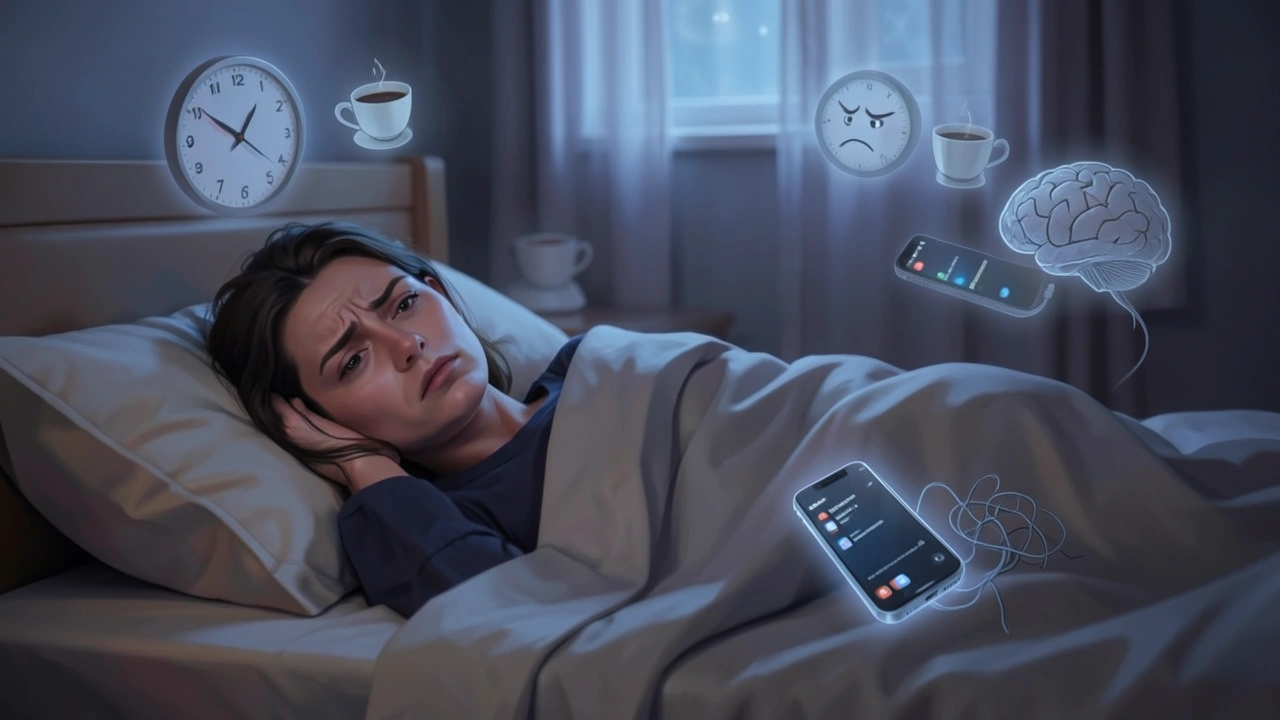
Many people wonder, why do I keep waking up every 2 hours? It’s a really common problem, especially when you’re new to dealing with sleep troubles. You might feel tired and frustrated, and it seems like there’s no easy fix.
But don’t worry, it’s often something simple that can be sorted out. This guide will walk you through it step-by-step to help you get better rest.
What Causes Frequent Nighttime Waking
This section looks at the main reasons why you might be waking up often during the night. It’s about figuring out what’s going on with your body and your habits. We’ll cover things you can see and things you might not notice right away that are affecting your sleep.
Understanding these causes is the first big step to finding a solution that works for you.
Physical Factors Affecting Sleep
Sometimes, your body itself is telling you something is wrong, and that’s why you keep waking up. These are things like needing to use the restroom, feeling too hot or too cold, or even a little bit of discomfort. Your body is trying to get your attention so you can fix it.
It’s important to pay attention to these signals.
One common reason is needing to pee. As we get older, our bladders might not hold as much urine overnight. Also, if you drink a lot of fluids close to bedtime, you’re more likely to wake up needing to go.
Sometimes, certain health issues can make you need to urinate more often, even during the night. This is something to discuss with a doctor if it happens a lot.
Feeling uncomfortable due to temperature is another big one. If your room is too warm, you might toss and turn and wake up feeling sweaty. If it’s too cold, you might shiver and get restless.
A good sleep temperature is usually a bit cool, around 60-67 degrees Fahrenheit (15-19 degrees Celsius). Making sure your bedding and room temperature are just right can make a big difference.
Discomfort can also come from things like an old mattress that doesn’t support you well, or sleeping in a position that strains your neck or back. Even a little niggle can be enough to wake you up. If you notice pain when you wake up, it might be time to look at your sleeping environment or talk to a physical therapist.
- Feeling the urge to urinate is a primary physical trigger for waking up. This can happen because of fluid intake before bed, natural changes in bladder capacity with age, or underlying medical conditions like diabetes or urinary tract infections. When the bladder gets too full, the signal to empty it becomes strong enough to pull you out of sleep, disrupting your rest cycle.
- Temperature regulation is vital for sleep. If your body temperature rises too high, you’re more likely to experience fragmented sleep and wakefulness. This can be due to a too-warm bedroom, heavy blankets, or wearing too many layers of pajamas. Conversely, feeling too cold can also lead to discomfort and awakenings as your body tries to warm itself.
- Physical pain or discomfort is a significant disruptor of sleep continuity. This can stem from poor sleep posture, an unsupportive mattress, or chronic pain conditions such as arthritis or fibromyalgia. When you’re experiencing pain, your brain is more likely to be alerted to discomfort, even during deep sleep stages, leading to awakenings.
Mental and Emotional Factors
Your mind plays a huge role in how well you sleep. If you’re feeling stressed, worried, or even just thinking too much, your brain might not be able to switch off at night. This is why many people ask, why do I keep waking up every 2 hours.
It’s your thoughts keeping you from deep sleep.
Stress is a major culprit. When you’re stressed, your body releases hormones like cortisol. These hormones keep you alert, which is great if you need to run from danger, but not so great when you’re trying to sleep.
This can make it hard to fall asleep and also cause you to wake up frequently. Your mind might race with all the things you’re worried about.
Anxiety is closely linked to stress. If you’re feeling anxious about something, your mind can start to spin scenarios. Even if you don’t consciously feel anxious, your body might be in a state of heightened awareness.
This can lead to a feeling of being on edge, making deep, uninterrupted sleep feel impossible.
Sometimes, it’s not just big worries. Even excitement or anticipation can keep your brain buzzing. If you have something important coming up, like a big event or a trip, your mind might replay it or plan for it, preventing you from relaxing enough to sleep soundly.
- Stress and worry can significantly disrupt sleep patterns. The body’s stress response, involving hormones like adrenaline and cortisol, prepares you for action, making it difficult to enter a relaxed state necessary for sleep. This can lead to an inability to fall asleep or frequent awakenings throughout the night as the mind remains active.
- Anxiety often manifests as racing thoughts or a feeling of unease that prevents relaxation. This mental overactivity can keep you in a state of heightened alertness, even when you are physically tired. The mind may continue to process worries or imagine future scenarios, leading to fragmented sleep and difficulty achieving deep rest.
- Even positive excitement can interfere with sleep. Anticipation of a special event, a new job, or a vacation can cause your brain to remain stimulated. This can manifest as difficulty falling asleep or waking up early with eager thoughts, preventing the calm mental state needed for continuous sleep.
Lifestyle and Environmental Triggers
What you do during the day and the environment you sleep in can have a big impact on your night. Small changes here can often help solve the puzzle of why do I keep waking up every 2 hours. It’s about creating good habits and a peaceful sleep space.
What you eat and drink matters a lot. Having caffeine too late in the day is a common sleep saboteur. Caffeine is a stimulant that can stay in your system for hours, making it hard to fall asleep and stay asleep.
The same goes for alcohol; while it might make you feel sleepy at first, it often leads to fragmented sleep later in the night.
Your sleep schedule is also key. Going to bed and waking up at different times every day can confuse your body’s internal clock, known as your circadian rhythm. This can make it harder to get consistent, quality sleep.
Trying to stick to a regular sleep routine, even on weekends, helps train your body to expect sleep at certain times.
The environment of your bedroom is crucial. Is it dark enough? Is it quiet?
Is your bed comfortable? A room that’s too bright, too noisy, or has an uncomfortable bed will naturally make it harder to stay asleep. Even small things like a glowing digital clock or a street light outside can be enough to wake a light sleeper.
- Consumption of stimulants like caffeine and nicotine can significantly disrupt sleep. Caffeine, found in coffee, tea, and chocolate, has a long half-life and can remain in your system for many hours, interfering with your ability to fall asleep and stay asleep. Nicotine is also a stimulant that can cause awakenings.
- Alcohol consumption, especially close to bedtime, can initially induce sleepiness but often leads to poorer sleep quality later in the night. It can suppress REM sleep and cause more frequent awakenings as the body metabolizes the alcohol. This can leave you feeling unrested even after a full night in bed.
- Irregular sleep schedules, such as going to bed at different times on weekdays and weekends, can disrupt your body’s natural sleep-wake cycle, known as the circadian rhythm. This disruption can make it harder for your body to regulate sleep, leading to difficulties falling asleep and staying asleep.
- The bedroom environment plays a critical role in sleep quality. Factors such as light, noise, and temperature can all contribute to awakenings. A room that is too bright, too noisy, or too warm or cold can interfere with the body’s natural sleep processes.

Sleep Disorders and When to Seek Help
Sometimes, waking up frequently isn’t just a bad habit or a temporary issue. It could be a sign of an underlying sleep disorder. These are conditions that specifically affect sleep and can seriously impact your health and well-being.
Knowing when to seek professional help is important for long-term health.
Common Sleep Disorders
There are several conditions that can cause you to wake up often. Sleep apnea is one of the most common. It’s when your breathing stops and starts many times during the night.
This means you’re not getting enough oxygen, and your body wakes you up to breathe again. You might not even remember these awakenings.
Another disorder is restless legs syndrome (RLS). This makes you have an uncomfortable urge to move your legs, usually in the evening or at night. The movement provides temporary relief, but it can be so disruptive that it prevents you from falling asleep or causes you to wake up frequently.
Insomnia is a broader term, but it often involves difficulty falling asleep, staying asleep, or waking up too early and not being able to go back to sleep. Chronic insomnia means this happens regularly and affects your daily life. It can be caused by many things, including stress, medical conditions, or poor sleep habits.
- Sleep Apnea is a condition where breathing repeatedly stops and starts during sleep. This can cause brief awakenings, often unnoticed by the sleeper, as the body struggles to breathe. Common symptoms include loud snoring, gasping for air during sleep, and excessive daytime sleepiness.
- Restless Legs Syndrome (RLS) is a neurological disorder characterized by an overwhelming urge to move the legs, often accompanied by uncomfortable sensations. This urge typically occurs when resting or trying to sleep, making it difficult to fall asleep and leading to frequent awakenings.
- Insomnia, characterized by persistent problems falling or staying asleep, can lead to frequent awakenings. It can be acute (short-term) or chronic (long-term) and can stem from psychological factors, medical conditions, or lifestyle choices, significantly impacting daily functioning.
When to Talk to a Doctor
If you’ve tried changing your habits and your sleep still isn’t improving, it’s a good sign to see a doctor. They can help figure out if there’s a medical reason for your sleep problems. Don’t try to tough it out; getting good sleep is important for your overall health.
Your doctor can ask you questions about your sleep, your daily routine, and any other health issues you might have. They might suggest keeping a sleep diary for a couple of weeks. This diary helps them see patterns in your sleep and wake times, what you eat, and how you feel.
Based on what you tell them and your sleep diary, your doctor might recommend a sleep study. This is a test where they monitor your breathing, heart rate, brain activity, and body movements while you sleep. It can help diagnose sleep disorders like sleep apnea or RLS that you might not be aware of.
It’s especially important to see a doctor if your sleep problems are affecting your daily life. If you’re constantly tired, find it hard to concentrate, or feel irritable, these are signs that your sleep issues need attention. They can also help if you suspect a medical condition might be causing your frequent awakenings, such as pain or frequent urination.
- If lifestyle changes and self-care practices don’t resolve your sleep disturbances, it’s time to consult a healthcare professional. Persistent issues, even after trying various remedies, often point to an underlying condition that requires medical diagnosis and treatment.
- A doctor can assess your symptoms and medical history to identify potential causes. They may ask detailed questions about your sleep habits, daily routines, and any physical or mental health concerns to get a complete picture of your situation.
- Keeping a sleep diary can provide valuable information for your doctor. This log of your sleep patterns, diet, exercise, and mood can help reveal trends and potential triggers that might not be obvious otherwise, aiding in an accurate diagnosis.
- A sleep study, also known as polysomnography, might be recommended. This in-depth examination monitors various bodily functions during sleep to diagnose sleep disorders like sleep apnea, restless legs syndrome, or narcolepsy, which are often difficult to identify through simple observation.
Strategies for Better Sleep
Now that we’ve looked at why you might be waking up, let’s talk about what you can do about it. There are many simple, practical steps you can take to improve your sleep. These strategies focus on creating a better sleep environment and establishing healthy routines that encourage uninterrupted rest.
Creating a Relaxing Bedtime Routine
Your body needs a signal that it’s time to wind down for sleep. A relaxing bedtime routine helps prepare your mind and body for rest. This means doing calm activities for an hour or so before you plan to sleep.
It’s about slowly transitioning from the busy day to a peaceful night.
Things like taking a warm bath or shower can be very soothing. The rise and fall of your body temperature after a bath can help make you feel sleepy. Reading a physical book (not on a screen) is also a great way to relax your mind.
Avoid anything too stimulating, like work emails or intense discussions.
Listening to calm music or a relaxing podcast can also help. Some people find gentle stretching or meditation useful for easing tension. The key is to find activities that you genuinely find calming and that signal to your brain that sleep is coming soon.
- Establish a consistent pre-sleep ritual. This could involve activities like reading a physical book, listening to calming music, or taking a warm bath. The goal is to signal to your body and mind that it’s time to transition from wakefulness to sleep.
- Avoid stimulating activities before bed. This includes engaging in stressful conversations, watching exciting shows, or working on demanding tasks. These activities can increase alertness and make it harder to relax and fall asleep.
- Practice relaxation techniques. Deep breathing exercises, meditation, or gentle yoga can help calm the nervous system and reduce anxiety, making it easier to drift off to sleep.
Optimizing Your Sleep Environment
Your bedroom should be a sanctuary for sleep. Making sure it’s set up right can prevent many common sleep interruptions. Think of it as creating the perfect conditions for your body to rest deeply without being disturbed.
Darkness is your friend when it comes to sleep. Your body produces melatonin, a hormone that helps you sleep, when it’s dark. Use blackout curtains to block out any outside light.
If there are small lights from electronics, cover them up or turn them off. Even a little bit of light can disrupt your sleep cycle.
Keep your room quiet. If you live in a noisy area, consider using earplugs or a white noise machine. A white noise machine can mask disruptive sounds like traffic or neighbors, creating a more consistent and soothing soundscape for sleep.
Temperature is also important. Most people sleep best in a cool room. Aim for a temperature between 60 and 67 degrees Fahrenheit (15-19 degrees Celsius).
Make sure your bedding is comfortable and breathable so you don’t overheat or get too cold.
- Ensure your bedroom is dark. Use blackout curtains or an eye mask to block out any light that could interfere with melatonin production and sleep. Even small amounts of light can disrupt your circadian rhythm.
- Minimize noise disturbances. If your environment is noisy, consider using earplugs or a white noise machine. A consistent, low-level sound can help mask sudden, jarring noises that might otherwise wake you up.
- Maintain a cool sleep temperature. A slightly cool room, typically between 60-67°F (15-19°C), is generally conducive to better sleep. Overheating or feeling too cold can lead to discomfort and awakenings.
Diet and Exercise for Better Sleep
What you eat and how active you are can have a significant impact on your sleep quality. Making smart choices in these areas can help you sleep more soundly and reduce those frequent nighttime awakenings. It’s about supporting your body’s natural sleep processes.
Be mindful of what you consume close to bedtime. Avoid caffeine and alcohol in the hours leading up to sleep. Caffeine is a stimulant that can keep you awake, and while alcohol might make you feel drowsy initially, it disrupts sleep later on.
Try to finish your last caffeinated drink by early afternoon.
Eating heavy meals right before bed can also interfere with sleep. Your body is busy digesting, which can make you uncomfortable and restless. Try to have your last large meal at least two to three hours before you plan to sleep.
A light snack is usually okay if you feel hungry.
Regular exercise can greatly improve sleep, but timing is key. Exercising too close to bedtime can be stimulating and make it harder to fall asleep. Aim to finish your workouts at least a few hours before you plan to go to bed.
Gentle activities like yoga or a short walk in the evening are generally fine.
- Limit caffeine and alcohol intake, especially in the afternoon and evening. Caffeine is a stimulant that can disrupt sleep for many hours, while alcohol, though it may induce sleepiness, impairs sleep quality by causing awakenings and reducing REM sleep.
- Avoid large meals close to bedtime. A full stomach can lead to discomfort and indigestion, making it harder to fall asleep and stay asleep. Try to finish eating at least 2-3 hours before going to bed.
- Engage in regular physical activity, but avoid intense exercise close to bedtime. Exercise can improve sleep quality, but vigorous activity late at night can be stimulating and interfere with sleep onset. Aim to finish your workouts at least 3 hours before you plan to sleep.

Understanding Why Do I Keep Waking Up Every 2 Hours
This section is dedicated to pulling together all the threads and directly addressing the question: why do I keep waking up every 2 hours. We’ve explored the physical, mental, and lifestyle factors that contribute to frequent nighttime awakenings. By understanding these causes, you can begin to implement targeted strategies to achieve more consistent and restorative sleep.
Putting It All Together: Common Patterns
When someone asks, “why do I keep waking up every 2 hours?”, it often points to a combination of factors rather than a single issue. Your body might be trying to signal discomfort, your mind might be racing, or your daily habits might be out of sync with your natural sleep needs. It’s rare that there’s just one culprit.
For example, someone might have a stressful job, which causes them to wake up with anxious thoughts. If they also drink coffee late in the day and their bedroom is a bit too warm, these issues combine to create a perfect storm for fragmented sleep. The 2-hour cycle might be your body’s natural tendency to shift sleep stages, but these disruptions are preventing you from cycling smoothly back into deep sleep.
Consider this: your body has a natural sleep cycle that lasts about 90 minutes, transitioning through different stages of sleep. Ideally, you would drift back to sleep easily after each cycle. However, external or internal factors can pull you into lighter sleep or wakefulness.
If these disruptions are consistent, you might find yourself waking up around the same interval, like every two hours.
- Frequent awakenings at predictable intervals, like every 2 hours, often indicate underlying disruptions to the sleep cycle. These can be a combination of physical discomfort (like needing to use the restroom), psychological stress leading to racing thoughts, or environmental factors (noise, light, temperature).
- The body’s natural sleep cycle consists of stages that repeat roughly every 90 minutes. While brief awakenings between cycles are normal, if these are leading to prolonged wakefulness, it suggests that something is preventing a smooth transition back into sleep.
- Lifestyle habits play a significant role. Consuming stimulants, eating heavy meals late, or engaging in intense activities close to bedtime can interfere with the body’s ability to maintain continuous sleep throughout the night.
Real-Life Scenarios
Let’s look at a couple of examples to see how these issues might play out in real life.
- Scenario 1: The Worried Student. Sarah is a college student facing final exams. She’s been staying up late studying, often drinking energy drinks to stay alert. At night, she finds herself waking up every couple of hours, her mind racing with thoughts about her grades and what she needs to study next. Her bedroom is also a bit too warm because her roommate likes it that way. This combination of stress, caffeine, poor sleep hygiene, and environmental discomfort leads to her waking up frequently.
- Scenario 2: The New Parent. Mark is a new father whose baby wakes up for feeding every 2-3 hours. While this is normal for the baby, it means Mark is also getting very little consolidated sleep. He’s exhausted and finds it hard to fall back asleep between the baby’s needs, experiencing awakenings much more frequently than he’s used to. His body is trying to adapt, but the constant disruptions make deep rest impossible.
When Frequent Waking Is a Bigger Issue
If you find yourself consistently waking up every 2 hours, and it’s not due to temporary circumstances like a new baby, it’s worth paying attention to. Persistent sleep disruption can lead to significant health problems. It’s not just about feeling tired; it impacts your mood, your ability to think clearly, and your overall physical health.
For instance, long-term sleep deprivation is linked to an increased risk of developing chronic conditions such as heart disease, diabetes, and obesity. It can also weaken your immune system, making you more susceptible to illness. Mentally, it can worsen anxiety and depression and impair your cognitive functions, like memory and decision-making.
If your sleep is so broken that you feel exhausted throughout the day, it’s a clear sign that something needs to change. You might also notice that your productivity at work or school suffers, or that your relationships are strained due to irritability. These are all indicators that your frequent awakenings are more than just a minor inconvenience.
- When waking up every 2 hours becomes a chronic pattern, it signals a potential health issue. Continuous sleep deprivation can lead to a weakened immune system, making you more prone to infections and illnesses.
- The risk of developing serious chronic diseases increases with prolonged poor sleep. This includes conditions such as cardiovascular disease, type 2 diabetes, and obesity, as sleep plays a crucial role in metabolic regulation and overall bodily health.
- Mental health can be significantly impacted by chronic sleep fragmentation. This includes increased risks of anxiety disorders, depression, and difficulty managing stress. Cognitive functions like concentration, memory, and problem-solving can also be severely impaired.
Frequently Asked Questions
Question: Is waking up every 2 hours normal for adults?
Answer: For most adults, waking up every 2 hours on a regular basis is not considered normal. While brief awakenings during the night are common as we cycle through sleep stages, frequent, prolonged awakenings can indicate an underlying issue.
Question: Can stress alone cause me to wake up every 2 hours?
Answer: Yes, stress can absolutely be a major factor. When you’re stressed, your body releases hormones that keep you alert, making it difficult to stay asleep. Your mind may also race with worries, leading to frequent awakenings.
Question: What should I do if I wake up and can’t fall back asleep?
Answer: If you’re awake for more than 15-20 minutes, it’s often better to get out of bed and do a quiet, relaxing activity in dim light, like reading. Go back to bed when you feel sleepy. This helps break the association between your bed and wakefulness.
Question: Are sleep disorders the only reason for waking up frequently?
Answer: No, sleep disorders are not the only reason. Lifestyle habits, environmental factors in the bedroom, physical discomfort, and mental health issues like anxiety can all contribute to frequent nighttime awakenings.
Question: How long does it take for lifestyle changes to improve sleep?
Answer: It varies for everyone, but consistency is key. You might start noticing improvements within a few weeks of implementing regular bedtime routines, optimizing your sleep environment, and making dietary changes. Significant changes may take a couple of months.
Conclusion
If you’re wondering why do I keep waking up every 2 hours, remember it’s a common problem with many possible causes. By looking at your physical feelings, your thoughts, and your daily habits, you can find the root of the issue. Simple changes in your routine and bedroom can make a big difference.
Don’t hesitate to talk to a doctor if you suspect a sleep disorder. Taking steps now can lead to much better sleep.
Leave a Reply