

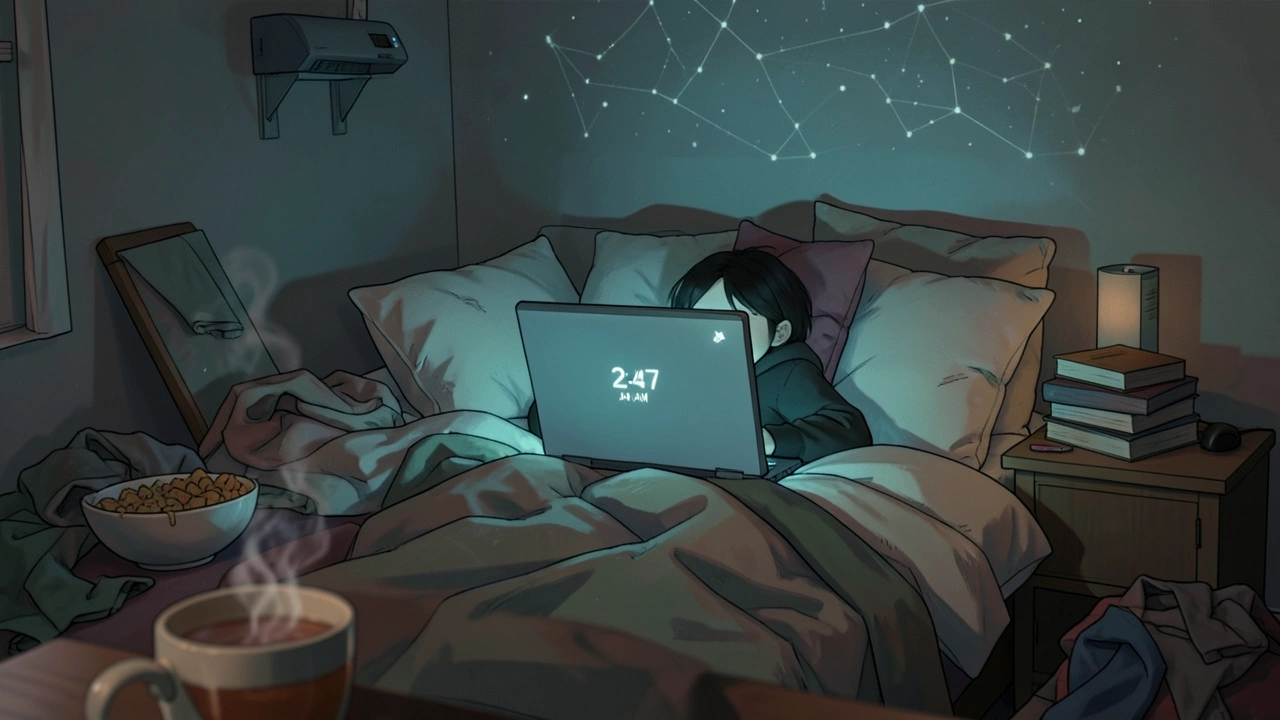
It’s pretty common to stay up too late, even when you know you shouldn’t. You might be tired, but there’s this feeling that you deserve some time just for yourself after a long day. This is often called “revenge bedtime procrastination,” and figuring out how to stop it can feel tricky when you’re just starting.
Don’t worry, though! We’ve got a straightforward, step-by-step plan to help you reclaim your evenings and get the sleep you need. We’ll look at what’s going on and give you simple tips to make a change.
What is Revenge Bedtime Procrastination?
Revenge bedtime procrastination is that behavior where you choose to stay up late doing enjoyable but non-essential activities, even though you know you’ll be tired the next day. It’s like you’re taking back time that you feel was lost during the day, often due to work or other obligations. People do this because they feel they don’t have enough free time during the day.
So, they sacrifice sleep to get a few hours of personal enjoyment. It’s a way to feel a sense of control when other parts of life feel out of control.
Why Does it Happen?
This habit often kicks in when people feel their days are packed with work or chores, leaving them with little time for themselves. After a day of being told what to do or what to focus on, staying up late feels like a moment of freedom. You get to choose what you want to do, whether it’s watching shows, scrolling on your phone, or playing games.
It’s a way to get a little bit of “you time” back.
The feeling of “revenge” comes from the idea that you’re taking back time that was stolen by responsibilities. It’s not about actually getting revenge on anyone, but rather a personal reclaiming of personal time. This is why it’s so common, especially for busy adults who have demanding jobs or family duties.
They feel like they deserve this downtime, even if it costs them sleep.
The Cycle of Sleep Loss
When you delay sleep, you often end up feeling more tired the next day. This can make it harder to focus, reduce your energy levels, and even make you feel more stressed. Then, the next day, you might feel like you need even more “me time” to cope with the exhaustion, pushing your bedtime back even further.
This creates a cycle where sleep loss becomes a regular part of life.
This cycle is a key reason why understanding revenge bedtime procrastination how to stop is so important. It’s not just about staying up late; it’s about the impact it has on your overall well-being. Breaking this pattern requires conscious effort to change your habits and prioritize rest.
Here are some common triggers that lead to this behavior:
- Feeling Overwhelmed: When your day is filled with tasks and demands, the end of the day becomes the only time you feel like you have a choice.
- Lack of Control: If you feel like your day is dictated by others or by obligations, staying up late is a way to assert your own autonomy.
- Stress and Anxiety: Sometimes, people stay up late to avoid thinking about stressful situations or to find comfort in passive entertainment.
- Desire for Personal Time: Busy schedules often leave little room for hobbies or relaxation, so people seek this time late at night.
The desire for personal time is a strong motivator. Many people feel that their waking hours are consumed by responsibilities, leaving no space for activities that bring them joy or help them relax. This lack of personal fulfillment during the day can lead to a strong urge to carve out that time, even at the expense of sleep.
It’s a coping mechanism, albeit one that can be detrimental in the long run.
Understanding the “Revenge” Aspect
The “revenge” part of this term is quite telling. It highlights a feeling of being deprived of personal time throughout the day. When work, family duties, or other obligations take up most of your waking hours, the late-night hours can feel like the only time you truly own.
This ownership leads to a desire to fill that time with activities you enjoy, as a way to compensate for the lack of freedom during the day. It’s a psychological response to a perceived imbalance.
This feeling of taking back time is deeply rooted in the need for autonomy and self-care. Without adequate personal time, individuals may feel their lives are not their own. The late-night hours become a sanctuary, a place where they can indulge in hobbies, unwind with entertainment, or simply exist without demands.
This makes it hard to give up that feeling of control.

Strategies for Reclaiming Your Evenings
Tackling revenge bedtime procrastination how to stop involves making small but impactful changes to your daily routine and mindset. It’s not about being harsh on yourself, but rather about creating a more balanced and restful schedule. The key is to build in enjoyable activities during the day and make your evenings more appealing for winding down rather than staying up late.
Schedule “Me Time” During the Day
One of the most effective ways to combat staying up late is to make sure you get enough personal time during daylight hours. If you feel like your day is just work and chores, you’ll naturally want to extend your free time into the night. Try to schedule short breaks for yourself throughout the day.
Even 10-15 minutes to read a book, listen to music, or just sit quietly can make a big difference. This can help reduce the feeling of needing to “take back” time later.
Scheduling this time helps you feel more in control of your day and less like you’re constantly on a treadmill of obligations. When you know you have dedicated moments for yourself, the urge to sacrifice sleep for that feeling might lessen. Think of it as preemptive self-care.
It addresses the root cause of wanting to delay bedtime by providing satisfaction earlier.
Create a Relaxing Bedtime Routine
Having a consistent bedtime routine signals to your body and mind that it’s time to wind down. This routine should be calming and enjoyable, not something you rush through. It could include activities like taking a warm bath, reading a physical book, light stretching, or listening to calm music.
Avoid screens, especially phones and laptops, for at least an hour before bed, as the blue light can interfere with sleep.
A good bedtime routine doesn’t just help you fall asleep; it helps you transition from the busyness of the day to a state of rest. This mental shift is crucial for breaking the cycle of staying up late. When your evenings are filled with calming activities, you’re less likely to feel the need to seek out excitement or distraction by delaying sleep.
Here’s how you can build a relaxing routine:
- Set a consistent bedtime: Aim for the same bedtime every night, even on weekends, as much as possible.
- Dim the lights: Lower the lighting in your home an hour or two before bed to help your body produce melatonin, the sleep hormone.
- Avoid stimulating activities: This includes intense exercise, serious conversations, or work-related tasks right before bed.
- Practice mindfulness or meditation: Even a few minutes of deep breathing can calm your nervous system.
The consistency of a bedtime routine is key. When your body learns to expect certain calming activities at a certain time, it prepares itself for sleep more effectively. This predictability can override the impulsive urge to stay up later.
Set Realistic Sleep Goals
Instead of aiming for a perfect eight hours every night immediately, set realistic goals. If you’re currently getting only five or six hours, aim for six and a half or seven. Gradually increasing your sleep duration makes the change feel more manageable and less overwhelming.
Celebrate small victories, like going to bed even 30 minutes earlier than usual.
Setting achievable sleep goals helps build momentum and confidence. It’s about progress, not perfection. When you see that you can successfully extend your sleep, even by a little, you’re more likely to stick with the changes and continue to improve your sleep habits over time.
Identify Your Triggers and Develop Coping Mechanisms
Figure out what specifically makes you want to stay up late. Is it a certain TV show, a feeling of boredom, or a need to de-stress? Once you know your triggers, you can develop strategies to deal with them.
For example, if you tend to scroll endlessly on social media, you might set a timer for your usage or delete the apps from your phone in the evening.
Knowing your triggers is the first step to overcoming them. It allows you to be proactive rather than reactive. If you know a certain activity or feeling leads to late nights, you can plan an alternative or a way to redirect yourself before the habit takes hold.
This self-awareness is powerful for change.
Here are some common triggers and how to handle them:
- Trigger: Boredom
Coping: Have a list of simple, relaxing activities ready, like reading a few pages of a book, doing a puzzle, or listening to a podcast. This provides a pleasant alternative to mindless scrolling.
- Trigger: Stress/Anxiety
Coping: Practice deep breathing exercises, journaling about your thoughts, or listening to calming music. If stress is a major issue, consider talking to a friend or a professional.
- Trigger: “One More Episode” Syndrome
Coping: Set a strict rule for yourself, like “no more than one extra episode.” Or, decide to watch your shows earlier in the evening so they don’t push your bedtime back.
Developing these coping mechanisms requires practice. It’s about rewiring your brain to associate relaxation with your designated winding-down time, rather than with late-night escapism.
Understanding Sleep Hygiene and Its Role
Sleep hygiene refers to the habits and practices that are conducive to sleeping well on a regular basis. Good sleep hygiene is like the foundation for healthy sleep. When your sleep hygiene is poor, it’s much harder to get enough rest, which can make habits like revenge bedtime procrastination even more appealing.
Improving your sleep hygiene is a crucial part of figuring out revenge bedtime procrastination how to stop.
Creating a Sleep-Friendly Environment
Your bedroom should be a sanctuary for sleep. This means making sure it’s dark, quiet, and cool. Darkening your room with blackout curtains can block out light that might wake you up.
Using earplugs or a white noise machine can help minimize disruptive sounds. A cooler room temperature, typically between 60-67 degrees Fahrenheit (15-19 degrees Celsius), is generally best for sleep.
The physical environment of your bedroom plays a significant role in the quality of your sleep. If your room is too bright, too noisy, or too warm, your body will struggle to enter the deep stages of sleep, leading to more fragmented rest. This can leave you feeling less refreshed, even if you think you slept long enough.
Key elements for a sleep-friendly bedroom:
- Darkness: Use blackout curtains or blinds. Cover any light-emitting devices.
- Quiet: Consider earplugs or a fan for white noise if your environment is noisy.
- Temperature: Keep the room cool. Experiment to find the temperature that works best for you.
- Comfort: Ensure your mattress and pillows are comfortable and supportive.
A comfortable and conducive sleep environment makes it easier to fall asleep quickly and stay asleep throughout the night. This reduces the temptation to fill the night with activities when sleep doesn’t come easily.
The Impact of Diet and Exercise
What you eat and how much you move can significantly impact your sleep. While a heavy meal or caffeine late in the evening can disrupt sleep, a balanced diet and regular exercise can promote it. Try to avoid large meals, caffeine, and alcohol close to bedtime.
Regular physical activity can improve sleep quality, but it’s generally best to avoid vigorous workouts within a few hours of going to sleep.
Exercise can be a great way to burn off excess energy and reduce stress, both of which can contribute to staying up late. However, exercising too close to bedtime can have the opposite effect, making it harder to fall asleep. Finding the right balance is important.
Consider these points:
- Caffeine: Avoid coffee, tea, and energy drinks in the late afternoon and evening.
- Alcohol: While it might make you feel sleepy initially, alcohol can disrupt sleep later in the night.
- Exercise Timing: Aim for moderate exercise earlier in the day.
- Heavy Meals: Try to finish dinner a few hours before bed.
Making mindful choices about your diet and activity levels can create a positive feedback loop that supports better sleep, making it easier to resist the urge to procrastinate bedtime.
Understanding Melatonin and Sleep Cycles
Melatonin is a hormone your body naturally produces that helps regulate sleep. Your body starts producing more melatonin as it gets dark, signaling that it’s time to sleep. Exposure to bright lights, especially blue light from screens, can suppress melatonin production, making it harder to fall asleep.
This is why establishing a consistent, calming bedtime routine is so important.
Your sleep cycle is a natural process that repeats throughout the night, involving different stages of sleep. Disrupting this cycle, whether by staying up too late or waking up too early, can leave you feeling groggy and unwell. Understanding this biological rhythm helps appreciate why consistent sleep timing is beneficial.
Key facts about sleep cycles and melatonin:
- Melatonin production: Increases in the evening as light decreases.
- Blue light effect: Can delay melatonin release, confusing your body’s internal clock.
- Sleep stages: Cycles of light and deep sleep are essential for physical and mental restoration.
- Consistency is key: Regular sleep and wake times help synchronize your body’s natural rhythms.
By respecting your body’s natural sleep signals, you can work with your biology rather than against it, making it easier to fall asleep and stay asleep.
Practical Steps to Stop Procrastination
Now that we understand why it happens and the importance of good sleep habits, let’s talk about concrete steps for revenge bedtime procrastination how to stop. These are actionable tips you can start using right away. The goal is to create new habits that support healthy sleep without feeling like a punishment.
Set Clear Bedtime Boundaries
Decide on a realistic bedtime and treat it like an important appointment. Communicate this boundary to yourself and anyone you live with. This means resisting the urge to extend your current activity just because you feel like it.
If you say your bedtime is 10:30 PM, aim to be winding down and getting ready for bed by then, not starting a new show.
Setting boundaries is about making conscious choices that align with your long-term well-being. It’s easy to let things slide, but having a clear commitment to your bedtime makes it more likely you’ll follow through. This reinforces the idea that sleep is a priority.
Use Technology Wisely
While screens can be a trigger for staying up late, they can also be tools to help you. Many devices have “night mode” settings that reduce blue light. You can also use apps that block certain websites or applications after a set time.
Setting alarms not just for waking up, but also for winding down and starting your bedtime routine, can be very helpful.
The key is to be intentional with your technology use. Instead of letting your phone control your evening, use it as a support system for your sleep goals. This involves making conscious choices about when and how you engage with your devices.
Here are some tech-based tips:
- Night Shift/Blue Light Filters: Activate these on your phone and computer in the evening.
- Bedtime Alarms: Set reminders for when to start your wind-down routine.
- App Blockers: Use them to prevent access to distracting apps after a certain hour.
- Smart Home Devices: Program lights to dim automatically as bedtime approaches.
Technology, when used mindfully, can be a powerful ally in your quest for better sleep and breaking the cycle of procrastination.
Reward Your Progress
Acknowledge and reward yourself for sticking to your new sleep schedule. This doesn’t have to be a big reward; it could be something as simple as allowing yourself an extra 30 minutes of a favorite relaxing activity the next day or enjoying a special cup of tea. Positive reinforcement helps build good habits and makes the process more enjoyable.
When you associate reaching your sleep goals with positive outcomes, you’re more likely to maintain the new behaviors. It turns the effort of changing your habits into something rewarding rather than a chore.
Seek Support if Needed
If you find it very difficult to break the cycle of revenge bedtime procrastination on your own, don’t hesitate to seek help. Talking to a doctor or a sleep specialist can provide valuable insights and strategies. They can help identify any underlying sleep disorders or offer personalized advice based on your specific situation.
Sometimes, a little professional guidance can make all the difference.
Remember, seeking help is a sign of strength, not weakness. A healthcare professional can offer a more in-depth analysis of your sleep patterns and provide evidence-based solutions that you might not discover on your own.
Case Studies and Examples
To illustrate how these strategies work, let’s look at a couple of real-life examples of people who struggled with revenge bedtime procrastination and how they found success. These stories show that change is possible with consistent effort and the right approach.
Case Study 1: The Busy Professional
Maria, a marketing manager, often found herself working late and then feeling like she had no time for herself. She’d stay up until 1 or 2 AM watching shows or browsing the internet, only to wake up feeling exhausted and unproductive. She decided to implement a few key changes:
- She started scheduling a 30-minute “decompression” break right after work, where she’d listen to a podcast or go for a short walk.
- She set a strict “no screens in the bedroom” rule and started reading a physical book before bed.
- She set an alarm for 10 PM to remind her to start her bedtime routine.
Within a few weeks, Maria noticed a significant improvement. She felt less of a need to “escape” into late-night activities because her evenings felt more balanced. She also found it easier to fall asleep and felt more rested.
Her productivity at work also increased.
Case Study 2: The Student Facing Exams
David, a college student, was pulling all-nighters to study for exams and then trying to unwind by gaming late into the night, only to repeat the cycle. He was caught in a loop of sleep deprivation and stress. His approach was different:
- He broke down his study material into smaller, manageable chunks to avoid feeling overwhelmed.
- He planned short, enjoyable breaks during his study sessions, including listening to music or doing quick exercises.
- He decided to limit his gaming to a specific time slot earlier in the evening, before his study period began.
David found that by structuring his study time better and allowing for genuine breaks, he didn’t feel the same desperate need to delay sleep. He also realized that consistent sleep improved his ability to absorb information, making his study time more effective. He still occasionally stayed up a bit later, but it was no longer the norm.
The Science Behind Sleep Debt
When we talk about staying up too late, we’re often accumulating what’s known as sleep debt. This is the difference between the amount of sleep your body needs and the amount you actually get. It’s not something that disappears easily; it can build up over time.
The effects of sleep debt go beyond just feeling tired. Chronic sleep deprivation can impact your cognitive functions, such as memory, decision-making, and problem-solving. It can also affect your mood, making you more prone to irritability, stress, and even symptoms of depression.
Physically, it can weaken your immune system, making you more susceptible to illness.
According to the National Sleep Foundation, most adults need 7-9 hours of sleep per night. Consistently getting less than this leads to sleep debt. The body tries to compensate for this debt, but it’s not a perfect system.
The cumulative effect can lead to significant health issues and reduced quality of life.
Here’s a simplified look at sleep debt:
- Accumulation: Every hour of sleep missed contributes to sleep debt.
- Impact: Affects concentration, mood, physical health, and overall well-being.
- Repayment: Can take time to recover from significant sleep debt; it’s not just about one good night’s sleep.
- Prevention: Prioritizing consistent sleep is the best way to avoid building up debt.
Understanding sleep debt highlights the importance of making sleep a priority. It’s not a luxury, but a fundamental requirement for good health and optimal functioning.
Comparison: Healthy Evening Habits vs. Procrastination
To better visualize the difference, let’s compare what a healthy evening routine looks like versus one dominated by revenge bedtime procrastination. This comparison can help clarify the choices involved and the benefits of adopting healthier habits.
| Healthy Evening Habits | Revenge Bedtime Procrastination |
|---|---|
| Starts winding down 1-2 hours before a consistent bedtime. | Delays bedtime by engaging in enjoyable but non-essential activities. |
| Includes relaxing activities like reading, gentle stretching, or quiet hobbies. | Often involves screen time (TV, social media, gaming) that can stimulate the brain. |
| Focuses on preparing the body and mind for restful sleep. | Prioritizes immediate gratification and personal time, often at the expense of sleep. |
| Leads to feeling rested and more productive the next day. | Results in daytime fatigue, reduced focus, and potential mood swings. |
| Aims for sufficient, restorative sleep. | Sacrifices sleep for perceived “me time,” leading to sleep debt. |
The table clearly shows that healthy evening habits are about intentionality and long-term benefits, while revenge bedtime procrastination is driven by immediate desires and can lead to negative consequences. The choice between these two paths directly impacts daily well-being.
Frequently Asked Questions
Question: What is the main reason people do revenge bedtime procrastination?
Answer: The main reason is often a feeling of not having enough personal free time during the day due to work or other obligations. People stay up late to feel like they are taking back time for themselves and regaining a sense of control.
Question: Is it possible to completely stop revenge bedtime procrastination?
Answer: Yes, it’s definitely possible to significantly reduce and even stop revenge bedtime procrastination by implementing consistent strategies that prioritize well-being and structured evenings.
Question: How much sleep do adults generally need?
Answer: Most adults need between 7 to 9 hours of sleep per night for optimal health and functioning.
Question: Can exercise help with staying up too late?
Answer: Regular exercise can improve sleep quality and reduce stress, which can help prevent the urge to stay up late. However, it’s best to avoid intense workouts close to bedtime.
Question: What is sleep hygiene?
Answer: Sleep hygiene refers to the habits and practices that promote good sleep, such as having a consistent bedtime, creating a dark and quiet sleep environment, and avoiding stimulants before bed.
Final Thoughts
Revenge bedtime procrastination how to stop becomes manageable when you focus on small, consistent changes. By scheduling personal time during the day, creating a calming bedtime routine, and setting clear boundaries, you can break free from the cycle of late nights and insufficient sleep. Prioritize your rest; it’s the best way to take care of yourself.
Leave a Reply