
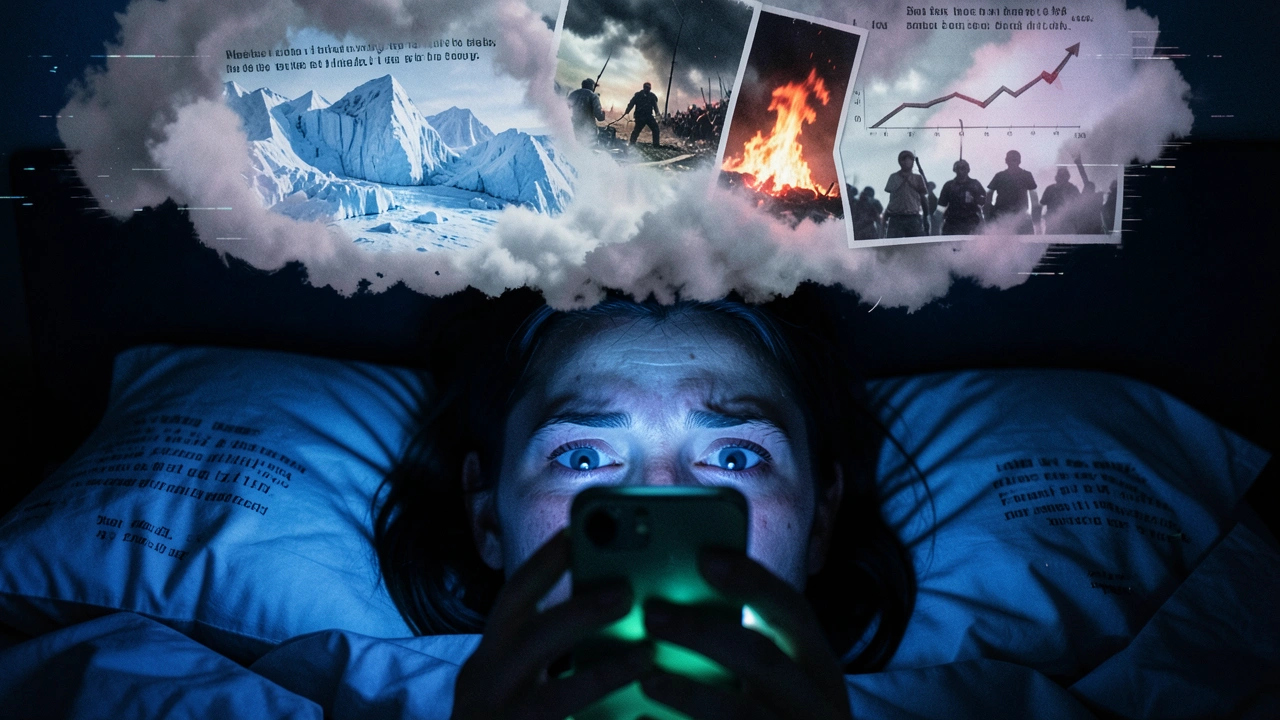
It’s easy to get caught up looking at your phone right before you go to sleep. You might find yourself scrolling through news or social media, and before you know it, a lot of time has passed. This habit, sometimes called doomscrolling before bed effects on sleep, can make it tough to relax and drift off.
It’s a common struggle for many people learning how to get better rest. But don’t worry, we’ll break down how to handle this. We’ll look at why it happens and give you simple steps to improve your sleep, starting now.
Why Doomscrolling Before Bed Affects Sleep
Many people find that scrolling through their phones late at night makes it harder to fall asleep. This is because the bright lights from screens can trick your brain into thinking it’s still daytime. This can mess with your body’s natural sleep signals.
When you see upsetting or exciting news, it can also make your mind race, making it harder to relax. It’s like your brain is getting too much information right when it should be winding down.
The Blue Light Problem
Phones, tablets, and computers give off a type of light called blue light. This light is very good at telling your brain to stay awake. It’s similar to how sunlight tells your body to be alert.
When you see this light late at night, your body thinks it’s time to be active, not sleepy. This can stop your body from making melatonin, a hormone that helps you feel drowsy and ready for bed.
Melatonin is a key player in your sleep cycle. It’s often called the “sleep hormone” for a good reason. Your brain naturally makes more of it when it gets dark outside.
This tells your body that it’s time to rest and repair itself. When blue light from screens enters your eyes, it sends a strong signal to your brain to stop making melatonin. This can make it harder to fall asleep and can also make your sleep less deep.
Even a short amount of exposure can have an effect, especially if it’s close to bedtime.
Think about it like this: your brain has an internal clock, often called a circadian rhythm. Blue light is like a powerful alarm clock that keeps resetting that internal clock. It tells your brain, “Hey, it’s still morning!” This is why many sleep experts suggest avoiding screens for at least an hour before you plan to go to sleep.
The longer you are exposed, the more it can disrupt your natural sleep patterns.
Mental Stimulation and Worry
Beyond just the light, the content you see on your phone can also be a big problem. Reading about bad news, arguments, or stressful events can make your mind feel agitated. This emotional boost or worry can keep your brain busy thinking, making it hard to switch off.
Your heart rate might speed up a little, and you might feel more on edge. This is the opposite of what you need to feel calm and ready for sleep.
When you read something upsetting, your body can react as if it’s in a stressful situation. This is due to your stress hormones, like cortisol. Cortisol is meant to help you deal with danger, but it also makes you feel more alert and awake.
So, instead of feeling relaxed and ready to sleep, you might feel anxious or keyed up. This mental buzz can last for a while, making it difficult to quiet your thoughts and fall into a deep sleep.
It’s a cycle that can be hard to break. You might feel stressed, reach for your phone to distract yourself, and then the content you see adds to your stress, making sleep even harder. This can lead to a feeling of being constantly on edge, even when you want to rest.
For beginners struggling with sleep, recognizing this link between scrolling and feeling more anxious is a big first step.
The “Just One More” Trap
Another reason doomscrolling before bed is so common is the “just one more” feeling. You tell yourself you’ll just look at one quick thing, but then that leads to another, and another. This can happen because the endless stream of content online is designed to keep you engaged.
There’s always something new to see or read.
This endless scroll is a powerful psychological tool. It taps into our natural curiosity and our fear of missing out. Every notification, every new post, feels like it might be important.
So, instead of stopping when you planned, you keep going. This can easily turn into an hour or more of screen time when you only intended to spend a few minutes.
For people who are new to trying to improve their sleep, this habit can be particularly tricky. It feels so normal and almost automatic to grab your phone. The immediate reward of distraction or information is right there.
But the long-term cost to your sleep quality is significant. Understanding this trap is key to finding ways to avoid it.
Impact of Doomscrolling Before Bed on Sleep Quality
The effects of doomscrolling before bed on sleep quality are not just about falling asleep slower. It can also change how well you actually sleep once you do drift off. When your brain is still active from what you’ve seen, your sleep cycles can be disrupted.
This means you might not get enough of the deep, restful sleep your body needs to feel refreshed.
Disrupted Sleep Cycles
Sleep happens in cycles, and these cycles are important for our health. We move through different stages of sleep, including light sleep, deep sleep, and REM (Rapid Eye Movement) sleep. Each stage plays a role in physical and mental recovery.
When you doomscroll, you can prevent your body from reaching these crucial deep sleep stages.
Deep sleep is when your body does most of its repair work. It’s vital for muscle growth, tissue repair, and immune system function. REM sleep is important for learning, memory, and emotional processing.
If your mind is still buzzing from late-night scrolling, your brain might stay in lighter sleep stages. This can leave you feeling tired and groggy the next day, even if you think you slept for a full night.
Imagine trying to build a house. You need to lay a strong foundation (deep sleep) before you can build the walls (REM sleep). If the foundation is weak, the whole house is less stable.
Similarly, if you don’t get enough deep sleep, your mental and physical recovery is not as effective. Doomscrolling before bed can weaken that foundation, impacting your overall sleep architecture.
Reduced Sleep Efficiency
Sleep efficiency refers to the amount of time you actually spend asleep when you are in bed. If you spend a lot of time tossing and turning, or waking up frequently, your sleep efficiency is low. Doomscrolling can contribute to this because it keeps your mind active and your body from fully relaxing.
When you spend extra time awake in bed because your mind is racing from your phone, it lowers your sleep efficiency. For example, if you are in bed for eight hours but only actually sleep for six, your sleep efficiency is 75%. A healthy sleep efficiency is usually considered 85% or higher.
Low sleep efficiency means you are not getting the most out of the time you spend trying to rest.
This can lead to a feeling of being tired all the time. Even if you get to bed at a reasonable hour, if your sleep isn’t efficient, you won’t feel rested. It’s like filling a bucket with water but having a hole in it; you might spend a lot of time pouring, but the bucket doesn’t fill up properly.
This is a common outcome of doomscrolling before bed.
Increased Daytime Fatigue
Because doomscrolling can disrupt sleep cycles and reduce sleep efficiency, a common result is increased fatigue during the day. You might find yourself struggling to concentrate, feeling irritable, or needing more caffeine to get through the day. This can affect your work, your mood, and your overall well-being.
When your sleep quality suffers, your brain doesn’t get the chance to fully recharge. This can lead to what’s known as cognitive impairment. Things like making decisions, solving problems, and even remembering information can become harder.
You might feel foggy or sluggish, making everyday tasks feel like a chore. This fatigue can also make you more prone to making mistakes.
A study by the National Sleep Foundation found that adults who reported poor sleep quality were more likely to experience daytime sleepiness and have difficulty concentrating. This highlights the direct link between what happens before bed and how you feel throughout the next day. For those new to managing sleep, this is a very tangible effect they might notice.
Strategies to Combat Doomscrolling Before Bed
Fortunately, there are many simple strategies you can use to combat the urge to doomscroll before bed. It’s about making small changes that add up to better sleep. The key is to
Establish a Wind-Down Routine
A wind-down routine is a set of calming activities you do before bed. This helps signal to your body and mind that it’s time to relax and prepare for sleep. It can be as simple as reading a physical book, taking a warm bath, or listening to quiet music.
The goal of a wind-down routine is to transition from the busyness of the day to a state of calm. This routine should ideally start at least 30 minutes to an hour before you plan to sleep. It’s about creating a buffer zone between your active life and your sleep time.
By consistently doing these relaxing activities, you train your brain to associate them with sleep.
Here are some ideas for a wind-down routine:
- Reading a physical book: Choose a light fiction novel or a magazine. The act of turning pages can be very soothing. Avoid topics that are too stimulating or stressful. The physical act of reading a book rather than on a screen also helps avoid blue light.
- Listening to calming music or a podcast: Opt for instrumental music, nature sounds, or a relaxing podcast that doesn’t require intense focus. This can help to distract your mind from worries.
- Gentle stretching or meditation: Light stretching can release tension in your muscles. Meditation or deep breathing exercises can help quiet a racing mind. There are many guided meditations available that are designed specifically for sleep.
- Journaling: Write down your thoughts, worries, or things you are grateful for. This can help you process emotions and clear your mind before sleep. It’s a way to get things out of your head and onto paper.
Create a Screen-Free Zone
One of the most effective ways to stop doomscrolling before bed is to simply make your bedroom a screen-free zone. This means no phones, tablets, or laptops in bed. Charge your devices outside your bedroom so they are not a temptation.
This strategy directly tackles the blue light issue and the mental stimulation that screens provide. By removing them from your immediate environment, you remove the opportunity for late-night scrolling. It’s a clear boundary that helps reinforce your commitment to better sleep habits.
When the device isn’t there, you can’t use it.
Consider these practical tips for a screen-free bedroom:
- Designate a charging station: Set up a charging area for your devices in another room, like the living room or kitchen. This makes it inconvenient to grab your phone during the night.
- Use an old-fashioned alarm clock: If you rely on your phone for an alarm, switch to a simple alarm clock. This removes the need to have your phone by your bedside.
- Communicate with family members: If you live with others, let them know about your new rule. Their support can make it easier to stick to your plan.
- Prepare for the morning: Lay out your clothes or pack your lunch the night before. This can reduce the need to use your phone first thing in the morning to check schedules or emails.
Schedule “Worry Time”
Sometimes, the urge to scroll comes from a feeling of wanting to stay informed or address worries. Scheduling a specific “worry time” earlier in the evening can help address these feelings before bedtime.
During this time, you can consciously think about things that are bothering you. You can make lists, brainstorm solutions, or simply allow yourself to feel your emotions. The goal is to contain these thoughts to a specific period so they don’t spill over into your sleep time.
It’s like giving your brain permission to worry, but only within set hours.
Here’s how to use worry time effectively:
- Set a timer: Dedicate 15-30 minutes earlier in the evening for your worry time.
- Write it down: Keep a notebook and pen handy. Write down any worries or tasks that come to mind.
- Problem-solve if possible: For actionable worries, jot down potential solutions or steps you can take tomorrow.
- Let go: Once the timer is up, close your notebook and make a conscious effort to let go of the worries until the next scheduled time. Remind yourself that you’ve addressed them for now.
Use Sleep Aids Wisely
While not a replacement for good habits, certain aids can support your sleep efforts. Apps that track sleep or play white noise can be helpful, but it’s important to use them correctly.
For example, some apps offer guided sleep meditations or calming sounds. These can be used as part of your wind-down routine. However, be cautious about apps that require you to look at the screen for extended periods.
The goal is to reduce screen time, not shift it to sleep apps.
Consider these sleep aids:
- White noise machines or apps: These can mask disruptive sounds and create a consistent, calming audio environment.
- Blue light filters: If you absolutely must use a screen, activate blue light filters. These apps or settings reduce the amount of blue light emitted, making it less disruptive to melatonin production.
- Herbal teas: Chamomile or lavender tea can promote relaxation.
The Science Behind Why Screens Disrupt Sleep
The impact of screen time before bed isn’t just anecdotal; there’s solid science behind it. Understanding these mechanisms can strengthen your resolve to change your habits. The two main culprits are the light emitted by screens and the nature of the content we consume.
Circadian Rhythm Disruption
Your body operates on an internal clock called the circadian rhythm. This rhythm dictates your sleep-wake cycle, hormone release, and other important bodily functions. It’s largely influenced by light exposure.
When you expose yourself to bright light, especially blue light, late at night, you disrupt this natural rhythm.
The suprachiasmatic nucleus (SCN) in your brain is the master clock that controls your circadian rhythm. It receives signals from your eyes about light. Bright light, particularly blue wavelengths, tells the SCN that it’s daytime, even if it’s late at night.
This causes the SCN to delay the release of melatonin. Melatonin is a hormone produced by the pineal gland that signals to your body that it’s time to sleep.
This disruption means that even if you feel tired, your brain is being told to stay awake. Over time, consistent disruption of your circadian rhythm can lead to chronic sleep problems. It can also affect other bodily functions, like metabolism and mood regulation.
For example, studies have shown a link between disrupted circadian rhythms and an increased risk of depression and weight gain.
Here’s a simplified look at the process:
| Time of Day | Light Exposure | SCN Signal | Melatonin Level | Body State |
|---|---|---|---|---|
| Morning | Bright Sunlight | “Wake Up” | Low | Alert and Active |
| Evening (Natural Darkness) | Low Light | “Time to Rest” | Rising | Drowsy and Relaxed |
| Late Evening (Screen Light) | Bright Blue Light | “Still Daytime” | Suppressed | Alert and Unable to Sleep |
The Role of Blue Light
Blue light has a shorter wavelength and higher energy compared to other colors of light. This makes it particularly effective at signaling to your brain that it’s daytime. Many electronic devices, like smartphones, computers, and LED lights, emit a significant amount of blue light.
When the blue light from your screen enters your eyes, it is detected by specialized cells in your retina. These cells send signals to the SCN, which then suppresses melatonin production. This suppression can be quite potent.
Studies have shown that even a short exposure to blue light a few hours before bed can delay sleep onset by up to 1.5 hours.
The intensity of the blue light matters, but so does the duration. Even dimmer screens can have an effect if used for a long time. This is why it’s recommended to reduce overall screen exposure in the hours leading up to sleep.
Many devices now offer “night mode” settings that reduce blue light emission, which can be helpful if you must use a screen.
The impact of blue light is also why spending time outdoors during the day is beneficial for sleep. Natural sunlight, which contains a broad spectrum of light including blue light, helps to set your circadian rhythm. So, daytime light exposure helps prepare your body for nighttime sleep.
Conversely, nighttime exposure to artificial blue light throws off this balance.
Cognitive and Emotional Arousal
Beyond the physical effects of light, the content consumed on screens can also significantly impact sleep. Engaging with news, social media, or even exciting entertainment can lead to cognitive and emotional arousal, making it difficult to relax.
When you read or watch something stimulating or upsetting, your brain releases stress hormones like adrenaline and cortisol. These hormones prepare your body for a “fight or flight” response, increasing heart rate, blood pressure, and alertness. This state of arousal is the opposite of what you need for sleep, which requires a calm and relaxed state.
For example, reading a heated online debate or watching a disturbing news report can trigger a strong emotional response. This can lead to rumination, where you keep replaying the content in your mind, making it difficult to switch off. This mental activity can persist for a long time, interfering with your ability to fall asleep.
A meta-analysis of several studies found that using electronic devices before bed was consistently associated with poorer sleep quality and increased insomnia symptoms. This is attributed to both the light exposure and the psychological engagement with the content. The more emotionally charged or intellectually stimulating the content, the greater the potential for sleep disruption.
Real-Life Examples and Scenarios
Seeing how these issues play out in real life can make the advice more concrete. These examples show common situations and the practical impact of doomscrolling before bed.
Case Study 1: Sarah’s Struggle with Insomnia
Sarah, a 28-year-old graphic designer, had been having trouble sleeping for months. She would often stay up late scrolling through social media and news articles on her phone. She described feeling anxious and unable to “turn off her brain” when she tried to sleep.
She would often wake up in the middle of the night feeling more stressed about the things she had seen.
After visiting her doctor, she learned about the impact of screen time on her sleep. Her doctor recommended a strict “no phones in the bedroom” rule and a consistent wind-down routine. Sarah started by replacing her phone scrolling with reading a paperback book for 30 minutes before bed and listening to calming music.
She also charged her phone in the living room.
Within two weeks, Sarah reported a significant improvement. She was falling asleep faster and waking up less during the night. She also felt less anxious and more rested during the day.
This case highlights how a simple change in habit can lead to substantial improvements in sleep quality.
Scenario: The Nightly News Habit
Mark, a 45-year-old accountant, made it a habit to watch the evening news and scroll through news apps right up until he went to bed. He felt it was important to stay informed about world events. However, he often found himself feeling worried or upset by the stories he saw, which made it hard to relax.
One night, after a particularly stressful news report about economic uncertainty, Mark found himself unable to fall asleep for over an hour. He kept thinking about the information he had absorbed. The next day, he felt exhausted and irritable, which affected his work performance.
This scenario shows how even a seemingly harmless habit of staying “informed” can have negative consequences for sleep. The emotional and cognitive arousal from negative news content can significantly interfere with the body’s natural transition into sleep. It emphasizes the need to be mindful of what we consume before bed.
Case Study 2: David’s Recovery from Tech Overload
David, a college student, spent most of his evenings playing video games and chatting with friends online. He admitted to often continuing this activity until just before he planned to sleep. He noticed that he was frequently tired in his morning classes and struggled to concentrate.
He attributed it to being a “night owl.”
When he learned about the effects of blue light and mental stimulation, David decided to make a change. He started setting a hard stop time for his gaming and online activities at least an hour before bed. He
David experienced a noticeable shift in his sleep patterns. He began to fall asleep more easily and reported feeling more alert in his morning classes. He realized his previous struggles weren’t just about being a night owl, but about actively preventing himself from getting good rest.
This case illustrates the power of setting clear boundaries with technology.
Statistics on Screen Time and Sleep
The connection between increased screen time and poorer sleep is well-documented through research and statistics.
A study published in the journal Sleep Health found that 70% of adolescents reported using at least one electronic device in the hour before bed. Among those who used devices, they were more likely to report insufficient sleep duration and difficulty falling asleep.
Another report from the National Sleep Foundation indicated that more than 90% of Americans use at least one electronic device within an hour of bedtime. This widespread use highlights how common the issue of doomscrolling before bed effects on sleep has become.
Frequently Asked Questions
Question: Can using my phone for a few minutes before bed really affect my sleep that much?
Answer: Yes, even a short period of using your phone before bed can have an impact. The blue light from the screen can tell your brain it’s still daytime, and the content you see can make your mind race. This can make it harder to fall asleep and reduce the quality of your sleep.
Question: What is the best way to stop doomscrolling before bed?
Answer: The best way is to create a screen-free zone in your bedroom and establish a relaxing wind-down routine. This means putting your phone away at least an hour before sleep and doing calm activities like reading a physical book or listening to quiet music instead.
Question: Are there specific times when I should avoid screens the most?
Answer: Yes, the hours leading up to your planned bedtime are the most critical. Aim to stop using screens at least one to two hours before you want to fall asleep to give your brain time to wind down and your body to start producing melatonin.
Question: My child spends a lot of time on their tablet before bed. What can I do?
Answer: Encourage them to switch to non-screen activities like reading, playing board games, or drawing at least an hour before bedtime. You can also set clear rules about tablet use in the bedroom and ensure devices are charged outside their room.
Question: If I accidentally scroll too much, what can I do to recover my sleep?
Answer: Don’t stress too much about it, as that can make it worse. Try to reset your routine the next night. Get up at your usual time, avoid napping, and stick to your wind-down routine.
Consistency is key for getting back on track.
Summary
Doomscrolling before bed can disrupt your sleep by emitting blue light that confuses your body’s natural clock and by stimulating your mind with content. This leads to reduced sleep quality, making you tired the next day. By creating a screen-free bedroom and a relaxing wind-down routine, you can protect your sleep and feel more rested.
Leave a Reply