

Getting ready for bed can feel tricky sometimes, especially if you’re an introvert. You might feel like you need extra quiet time to wind down. Finding the right ways to relax before sleep is important for everyone, but it can be a bit of a puzzle for beginners.
Don’t worry, though! We’re going to look at some simple steps that can make a big difference. You’ll learn about easy ways to create a peaceful evening routine, and what to do to prepare for a good night’s sleep.
Creating Your Personal Sleep Sanctuary
This part is all about making your bedroom a peaceful haven. When you think about the best bedtime habits for introverts, the place where you sleep is super important. Introverts often need a calm space to recharge their energy.
A messy or noisy room can make it hard to relax. We’ll explore how small changes can turn your bedroom into the perfect spot for quiet and rest. Getting this right helps set the stage for a restful night, making it easier to drift off to sleep.
The Importance of a Quiet Space
For introverts, a quiet space isn’t just nice; it’s often necessary. Loud noises or too much visual clutter can be draining. Your bedroom should be a place where you can escape the busyness of the day.
It’s where you go to process your thoughts and recover from social interactions. Making sure this space is free from distractions helps your mind calm down. This is a key step in developing good sleep habits for anyone, but especially those who are easily overstimulated.
- Reducing Sensory Input: This means lowering the amount of things that your senses take in. Think about soft lighting instead of bright lights. Also, consider using earplugs if outside noises bother you. Less noise and less bright light tell your brain it’s time to relax. This signals your body to start preparing for sleep by slowing down its active processes.
- Decluttering Your Room: A tidy room leads to a tidy mind. Piles of clothes or too many items on your desk can create a feeling of chaos. Taking a few minutes each day to put things away can make a big difference. When your room looks peaceful, your mind is more likely to feel peaceful too. This helps reduce any lingering stress from the day.
- Comfortable Temperature: Most people sleep best in a slightly cool room. Experiment to find what feels just right for you. Being too hot or too cold can disrupt your sleep. A comfortable temperature helps your body relax more easily. It’s a simple physical factor that greatly impacts how well you sleep.
Personalizing Your Sleep Environment
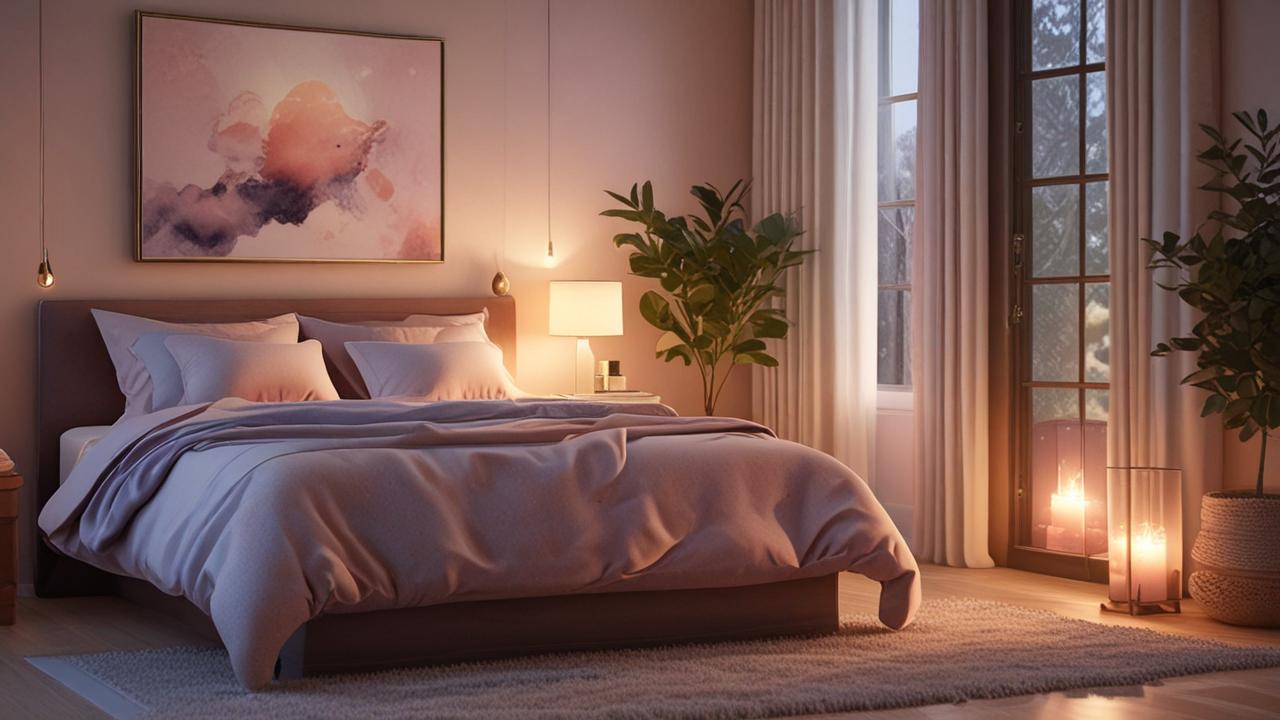
Think about what makes you feel calm and safe. For some introverts, this might mean soft blankets or a favorite pillow. Others might like a gentle scent, like lavender, in the air.
You can use an essential oil diffuser or a linen spray. Even a comforting book or a soft rug can make a space feel more welcoming. The goal is to create a personal retreat that feels just right for you, a place where you can truly unwind.
Creating this personal touch is vital. It’s about making your bedroom a reflection of your needs for peace and quiet. When your surroundings feel like a safe harbor, it becomes easier to let go of the day’s worries.
This is a fundamental part of building healthy sleep routines that work well for introverts.
Winding Down Your Mind and Body
After setting up a calm room, the next step is to prepare your mind and body for sleep. Introverts often need time to transition from being “on” to winding down. This isn’t about stopping everything suddenly, but gently easing into a more relaxed state.
We’ll look at activities that help quiet your thoughts and soothe your body. These practices can help you disconnect from the day’s demands and focus on rest.
Mindful Evening Activities
It’s helpful to have a routine that signals to your brain that it’s time to slow down. This could involve activities that are calming and not too stimulating. The key is to choose things you enjoy and that help you feel more at ease.
For introverts, these activities often involve quieter, solo pursuits that don’t require much social interaction.
- Reading: Picking up a good book can be a wonderful way to escape. Choose something that isn’t too exciting or scary. Fiction, poetry, or even a light-hearted non-fiction book can be perfect. Reading helps shift your focus away from daily stresses and into another world. It’s a quiet activity that engages your mind without overstimulating it.
- Journaling: Writing down your thoughts and feelings can be very helpful. You can write about your day, your worries, or things you’re grateful for. This practice helps clear your mind. It’s like emptying a full notebook so you have space to rest. Many people find that writing helps them process emotions and feel less burdened.
- Gentle Stretching or Yoga: Light physical movement can release tension in your body. Focus on slow, deliberate movements. This is not about a workout, but about easing stiffness and promoting relaxation. Yoga poses that focus on calming the nervous system are ideal. It helps to prepare your body for rest by releasing physical stress.
The Power of a Digital Detox
Screens, like phones and computers, emit blue light. This light can trick your brain into thinking it’s still daytime. This makes it harder to fall asleep.
It’s a good idea to put away your devices at least an hour before bed. This allows your brain to start producing melatonin, the sleep hormone. Resisting the urge to scroll can be tough, but it makes a real difference in sleep quality.
It’s one of the best bedtime habits for introverts because it respects their need for quiet and less stimulation.
Think of it as giving your eyes and your brain a break. Instead of bright screens, fill this time with the calming activities mentioned above. This digital break is crucial for signaling to your body that it’s time to wind down naturally.
It’s a simple yet powerful way to improve your sleep.
Creating a Relaxing Pre-Sleep Ritual
A ritual is a set of actions you do regularly before bed. This routine should be consistent so your body learns to associate these actions with sleep. It could include a warm bath, listening to soft music, or drinking herbal tea.
The important thing is that it’s calming and enjoyable for you.
For example, your ritual might look like this:
- Dim the lights in your home about an hour before bed.
- Enjoy a cup of chamomile tea.
- Read a few pages of a calming book.
- Do some gentle stretches for 5-10 minutes.
- Get into bed.
This kind of predictable routine helps signal to your brain and body that sleep is coming. It reduces anxiety and makes the transition to sleep smoother.
Optimizing Your Sleep Environment Further
We’ve talked about making your room a sanctuary and winding down your mind. Now, let’s look at more ways to fine-tune your sleeping space for the best possible rest. These details can make a significant impact, especially for those who are sensitive to their surroundings.
It’s all about creating the perfect conditions for deep, restorative sleep.
The Role of Lighting and Sound
Lighting plays a big part in our sleep cycles. Your body naturally produces more melatonin when it’s dark. Using blackout curtains can help block out any streetlights or early morning sun.
If you need a little light, opt for a dim, warm-colored night light. Similarly, consistent, gentle sounds can mask sudden noises that might wake you up.
Some people find that white noise machines or fans are helpful. White noise is a sound that contains many frequencies at equal intensity. This can help block out other distracting sounds, like traffic or loud neighbors.
It creates a steady, soothing background noise. Others prefer nature sounds, like gentle rain or ocean waves, which can also be very relaxing.
- Blackout Curtains: These are thick curtains designed to block out most light from entering your room. They are excellent for ensuring your bedroom is completely dark, which is ideal for sleep. Even a small amount of light can disrupt your circadian rhythm, the body’s internal clock.
- Dim Night Lights: If you need a night light, choose one with a warm color, like red or amber. These colors are less likely to interfere with melatonin production compared to blue or white lights. Place them strategically so they don’t shine directly into your eyes.
- Sound Machines: These devices can play a variety of soothing sounds. They are effective at masking sudden noises that can startle you awake. Experiment with different sounds like white noise, pink noise, brown noise, or nature sounds to find what works best for you.
Comfort and Sleep Quality
The physical comfort of your bed is paramount. This includes your mattress, pillows, and bedding. An old or unsupportive mattress can lead to aches and pains, disrupting sleep.
Your pillow should support your head and neck properly, keeping your spine aligned.
Choosing the right bedding materials also matters. Natural fabrics like cotton or linen are breathable and can help regulate your body temperature. If you tend to overheat at night, moisture-wicking materials can be a lifesaver.
Investing in comfortable bedding is an investment in your sleep health. It’s a foundational element for anyone seeking the best bedtime habits for introverts.
Temperature Regulation for Optimal Sleep
The ideal room temperature for sleep is typically between 60-67 degrees Fahrenheit (15-19 degrees Celsius). A cooler environment helps your body temperature drop, which is a natural signal for sleep. If your room is too warm, you might toss and turn more.
If it’s too cold, you might feel uncomfortable and have trouble relaxing.
There are several ways to manage your room temperature. You can use a fan, open a window (if safe and quiet), or adjust your thermostat. The type of pajamas and bedding you use also plays a role.
Breathable fabrics can help keep you cool. Light, breathable blankets are better than heavy duvets in warmer months.
A study published in the Journal of Clinical Sleep Medicine found that room temperature significantly affects sleep quality. Participants who slept in cooler rooms reported falling asleep faster and experiencing fewer awakenings during the night. This highlights how a controlled environment can directly improve rest.
Consider this example: Sarah, who often felt restless at night, discovered that her bedroom was too warm. After getting a fan and switching to lighter cotton sheets, she noticed a significant improvement. She fell asleep faster and woke up feeling more refreshed.
This small change addressed a key environmental factor impacting her sleep.

Integrating New Habits for Lasting Sleep Success
Making changes to your bedtime routine isn’t always easy. It takes time and consistency to build new habits. The goal is to create a sustainable routine that supports your introverted needs.
We will discuss how to approach these changes gradually and what to do when you face challenges. This section focuses on making sure your new habits stick.
Starting Small and Being Patient
Don’t try to change everything at once. Pick one or two simple habits to focus on first. For instance, start by putting your phone away an hour before bed.
Once that feels easy, add another habit, like reading for 15 minutes. Being patient with yourself is key. There will be nights when things don’t go perfectly, and that’s okay.
It’s important to remember that building habits takes repetition. The more consistently you practice a new behavior, the more likely it is to become automatic. Think of it like learning to ride a bike.
At first, it’s wobbly, but with practice, it becomes natural. Your brain needs time to adapt to new routines. Celebrate small wins along the way to stay motivated.
Dealing with Setbacks
Everyone has off nights. You might have a stressful day, or a late-night event. If you miss a night of your routine, don’t get discouraged.
Just get back to it the next night. One missed night doesn’t undo all your progress. The important thing is to return to your healthy habits as soon as possible.
Think of setbacks not as failures, but as learning opportunities. Was there a specific reason you couldn’t stick to your routine? Perhaps you had an unexpected commitment or felt overwhelmed.
Understanding the cause can help you plan better for future situations. For example, if you know you have a late social event, you might adjust your routine earlier in the day to compensate.
Making Habits Work for Your Introverted Nature
Remember that your habits should support, not drain, your energy. If a particular activity feels like a chore, it’s unlikely to become a lasting habit. Choose activities that genuinely help you relax and feel recharged.
This might mean spending time alone with a quiet hobby or engaging in gentle self-care practices.
For introverts, it’s often beneficial to build in buffer time before bed. This is time for quiet reflection or simply enjoying peace and solitude. This can help you process the day and transition more smoothly into sleep.
Prioritize these quiet moments, as they are crucial for your well-being and sleep quality.
Sample Scenario for Introvert Bedtime Routine:
- 7:00 PM: Finish dinner and do a quick tidy-up of your living space.
- 7:30 PM: Engage in a quiet activity like reading, drawing, or listening to a podcast.
- 8:30 PM: Prepare a warm, non-caffeinated drink like herbal tea.
- 9:00 PM: Take a warm bath or shower.
- 9:30 PM: Dim the lights and do some gentle stretching or meditation.
- 10:00 PM: Get into bed, read for a short while, or listen to calming music.
- 10:30 PM: Aim to fall asleep.
This sample routine is designed to be calm and unhurried, respecting the need for personal space and quiet reflection.
Understanding the Science of Sleep for Introverts
While the core principles of sleep apply to everyone, understanding some of the underlying science can help introverts optimize their habits. Introverts often have different ways of processing stimuli and recharging, which can influence their sleep needs and patterns. This section explores how these individual differences relate to sleep.
Circadian Rhythms and Introversion
Your circadian rhythm is your body’s natural sleep-wake cycle, regulated by light and darkness. Research suggests that introverts may have slightly different circadian rhythms, sometimes leaning towards being “night owls.” This means they might naturally feel more alert later in the evening and prefer to sleep in later. However, societal schedules often require early rising.
This difference can create a challenge, as trying to force an early bedtime against your natural inclination can be difficult. Instead of fighting your internal clock completely, focus on creating consistent sleep and wake times, even on weekends. Gradually shifting your bedtime earlier, by just 15-30 minutes each night, can be more effective than making drastic changes.
This approach respects your natural tendencies while still aiming for sufficient sleep.
A study published in the journal Personality and Individual Differences indicated that introverts often report a preference for later sleep times compared to extroverts. This isn’t a universal rule, but it’s a tendency that can inform how introverts approach their bedtime routines. Recognizing this can help them find a rhythm that works best.
Melatonin and Its Role
Melatonin is a hormone produced by the pineal gland in your brain. Its production increases in darkness and decreases in light, signaling your body that it’s time to sleep. As mentioned earlier, blue light from screens can suppress melatonin production, making it harder to fall asleep.
For introverts who might already have a tendency towards later sleep times, this suppression can be even more impactful.
Creating a dark sleep environment is therefore especially important. Using blackout curtains and avoiding bright lights in the hours leading up to bed are key. If you must use screens, consider using blue light filters or night mode settings on your devices.
These settings reduce the amount of blue light emitted, making it less disruptive to your melatonin production.
Sleep Cycles and Quality for Introverts
Sleep occurs in cycles, each lasting about 90 minutes. These cycles include light sleep, deep sleep, and REM (rapid eye movement) sleep. Deep sleep is crucial for physical restoration, while REM sleep is important for cognitive functions like memory and learning.
Introverts, like all individuals, need adequate amounts of each sleep stage.
If an introvert is consistently struggling to fall asleep due to overstimulation or a disrupted circadian rhythm, the quality of their sleep can suffer. They might spend less time in deep sleep or REM sleep, leading to feelings of fatigue and difficulty concentrating the next day. The strategies discussed, such as a calming routine and a dark, quiet room, all contribute to improving the overall quality and structure of your sleep cycles.
Sample Comparison: Evening Routines
Here’s a quick look at how different evening approaches might impact sleep:
| Approach | Description | Potential Impact on Sleep |
|---|---|---|
| High Stimulation Evening (e.g., video games, intense TV) | Engaging in activities that are mentally or emotionally arousing close to bedtime. | Difficulty falling asleep, restless sleep, increased awakenings. |
| Calm, Introvert-Friendly Evening (e.g., reading, quiet hobby) | Engaging in low-stimulation, relaxing activities that allow for quiet reflection. | Easier transition to sleep, deeper sleep, feeling more rested upon waking. |
Frequently Asked Questions
Question: Why is it hard for introverts to establish good bedtime habits?
Answer: Introverts often need quiet time to recharge and can be more sensitive to stimulation. The fast pace of modern life, with its constant demands and bright lights, can make it challenging for them to wind down effectively before sleep.
Question: What is the most important factor for an introvert’s bedroom environment?
Answer: Creating a peaceful, quiet, and clutter-free sanctuary is most important. This space should feel like a safe haven where an introvert can truly relax and disconnect from external pressures.
Question: Should introverts avoid all technology before bed?
Answer: Yes, it is highly recommended to avoid screens like phones, tablets, and computers for at least an hour before bed. The blue light they emit can interfere with sleep hormones, making it harder to fall asleep.
Question: How can an introvert manage feeling like a “night owl”?
Answer: While some introverts naturally prefer later sleep times, consistency is key. Try to maintain similar sleep and wake times daily, even on weekends, and gradually shift your bedtime earlier if needed, rather than making abrupt changes.
Question: What if I have trouble sticking to my new bedtime routine?
Answer: Be patient and kind to yourself. If you miss a night, don’t give up. Simply get back to your routine the following night.
Small, consistent steps are more effective than trying to do everything perfectly at once.
Final Thoughts
Building good bedtime habits for introverts is about creating a peaceful retreat and a calming routine. Focus on quiet activities, a comfortable space, and consistent timing. Small, manageable steps can lead to significant improvements in sleep quality and overall well-being.
Leave a Reply