

So, you’re trying to figure out how to sleep fast without phone. It’s a common puzzle, right? Many people find it tricky because our phones are so tempting, pulling us in with endless scrolling and buzzing notifications.
But don’t worry! Getting good sleep without your phone is totally doable. We’ll walk through some simple steps to help you drift off easily, and then we’ll look at some helpful ways to make your bedroom a sleep haven.
Making Your Bedroom a Sleep Sanctuary
Creating a calm and inviting space for sleep is super important. Your bedroom should feel like a peaceful retreat, a place where your body and mind can truly relax. When your surroundings are set up for sleep, it’s much easier to wind down and fall asleep quickly.
This section will cover how to transform your room into the ultimate sleep-friendly zone.
The Magic of Darkness
Light is a big signal to your brain that it’s time to be awake. Even a little bit of light can tell your brain to hold off on sleep. Making your room as dark as possible helps your body understand that it’s nighttime.
This is key for signaling your body to produce melatonin, a hormone that helps you feel sleepy.
- Blackout Curtains: These are curtains designed to block out almost all outside light. Streetlights, car headlights, or even the early morning sun can easily creep into your room and disturb your sleep. Blackout curtains are a simple, effective way to keep your room consistently dark throughout the night, no matter what’s happening outside.Imagine a cave – that’s the kind of darkness we’re aiming for.
- Dim Lights Before Bed: For an hour or two before you plan to sleep, start dimming the lights in your home. Bright lights, especially the blue light from screens, can trick your brain into thinking it’s still daytime. Using soft, warm lighting can help your body start to prepare for sleep.Think about using lamps with lower wattage bulbs or light bulbs that have a warmer, more yellow tone.
- Cover Up Small Lights: Many electronics have little indicator lights, like on a TV, a charger, or a smoke detector. These small lights might seem harmless, but they can still disrupt your sleep. You can easily cover them with a small piece of tape or a sticker.This ensures that no unexpected light sources will interrupt your sleep cycle once you’re trying to rest.
Keeping Things Cool and Quiet
Your bedroom temperature and noise levels play a big role in how well you sleep. A room that’s too hot, too cold, or too noisy can make it hard to fall asleep and stay asleep.
- Ideal Temperature Range: Most experts suggest that the best temperature for sleeping is between 60 and 67 degrees Fahrenheit (about 15 to 19 degrees Celsius). This cooler temperature helps your body’s core temperature drop, which is a natural part of the sleep process. If your room is too warm, you might toss and turn.If it’s too cold, you might feel uncomfortable and wake up.
- White Noise Machines: For some people, complete silence can be unsettling. Sudden noises, like a door slamming or a car honking, can easily wake you up. A white noise machine or a fan can create a constant, soothing sound that masks these sudden noises.This steady hum can help you stay asleep even if small disturbances occur. It’s like a comforting blanket of sound for your ears.
Comfortable Bedding
The things you sleep on and under are also important. A comfortable mattress, pillows, and blankets can make a big difference in how quickly you fall asleep and how rested you feel.
- Choosing the Right Mattress: A good mattress supports your body properly. It should be firm enough to keep your spine aligned but soft enough to be comfortable. Different people prefer different levels of firmness.If your mattress is old and saggy, it might be time for an upgrade. A supportive mattress helps prevent aches and pains that can keep you awake.
- Pillow Power: Your pillow should support your head and neck in a neutral position. If you sleep on your side, you might need a firmer, thicker pillow to fill the gap between your head and shoulder. If you sleep on your back, a medium-thickness pillow is often best.Stomach sleepers might prefer a softer, thinner pillow. The right pillow can prevent neck pain and improve sleep quality.
- Breathable Bedding: Materials like cotton, linen, or bamboo are great for sheets because they allow air to circulate. This helps keep you cool and prevents overheating, which can disrupt sleep. If you tend to get warm at night, choose breathable fabrics for your sheets and duvet cover.This makes a big difference in your overall comfort throughout the night.

Simple Steps to Sleep Fast Without Your Phone
Putting your phone away might seem like the hardest part, but it’s actually one of the most effective steps you can take. This section will guide you through easy-to-follow actions that help your body and mind prepare for sleep, all without the distraction of your device.
Creating a Wind-Down Routine
A wind-down routine is like a signal to your body that it’s time to relax and get ready for sleep. It helps calm your mind and body after a busy day. Doing this consistently can make a big difference in how fast you fall asleep.
- Set a “Digital Sunset”: Decide on a time each evening, maybe an hour or two before bed, when all screens go off. This includes your phone, tablet, and computer. This “digital sunset” helps your brain start to relax.The blue light from these devices can trick your brain into thinking it’s still daytime, making it harder to fall asleep. Putting them away allows your brain to switch gears.
- Gentle Activities: Once your screens are off, engage in relaxing activities. This could be reading a physical book, listening to calm music or a podcast, gentle stretching, or taking a warm bath. These activities signal to your body that it’s time to slow down.They help clear your mind of the day’s worries and prepare you for rest.
- Journaling: If your mind races with thoughts, try writing them down. Keep a notebook by your bed and jot down anything that’s on your mind, your worries, or even just a to-do list for the next day. Getting these thoughts out of your head and onto paper can help clear your mind and reduce anxiety, making it easier to fall asleep.
The Power of Routine
Sticking to a regular sleep schedule helps your body’s internal clock, also known as your circadian rhythm, stay in sync. This makes it easier to fall asleep at the same time each night and wake up feeling refreshed.
- Consistent Bedtime and Wake Time: Try to go to bed and wake up around the same time every day, even on weekends. This regularity trains your body to expect sleep at a certain time. When your body knows when to expect sleep, it will be more efficient at helping you drift off.This is one of the most powerful tools for improving sleep quality and consistency.
- Pre-Sleep Rituals: Your wind-down routine can become a cherished pre-sleep ritual. This could involve dimming the lights, having a cup of herbal tea, or doing some light reading. These consistent actions act as cues for your body, signaling that sleep is coming.The more consistent you are, the stronger these cues become.
Mindfulness and Relaxation Techniques
Sometimes, the hardest part of falling asleep is a racing mind or feeling tense. These techniques can help calm both.
- Deep Breathing Exercises: Simple deep breathing can calm your nervous system. Try inhaling slowly through your nose for a count of four, holding it for a moment, and then exhaling slowly through your mouth for a count of six. Repeat this several times.This helps slow your heart rate and reduce feelings of stress or anxiety.
- Progressive Muscle Relaxation: This involves tensing and then releasing different muscle groups in your body, one by one. Start with your toes, then move up your body to your legs, stomach, arms, and face. This helps you become more aware of physical tension and release it, leading to a feeling of deep relaxation.
Understanding Your Sleep Cycle
Knowing a bit about how sleep works can help you appreciate why certain steps are important. Sleep isn’t just one long state; it happens in cycles. Each cycle has different stages, and they all work together to keep you healthy and rested.
Stages of Sleep
There are two main types of sleep: Non-Rapid Eye Movement (NREM) sleep and Rapid Eye Movement (REM) sleep. NREM sleep is divided into three stages, and then REM sleep follows. A full sleep cycle typically lasts about 90 to 110 minutes.
- Stage 1 (NREM): Light Sleep. This is the very beginning of sleep. You might feel drowsy, and your muscles start to relax. Your heart rate and breathing slow down.You can be easily woken up during this stage. It’s like the gentle transition from being awake to being asleep. This stage usually only lasts for a few minutes.
- Stage 2 (NREM): Deeper Sleep. Your heart rate and breathing slow down more, and your body temperature drops. Your eye movements stop, and brain waves become slower, with occasional bursts of rapid brain activity. This is considered a more stable stage of sleep.You spend a significant portion of your sleep time in Stage 2.
- Stage 3 (NREM): Deep Sleep. This is the most restorative stage of sleep. It’s hard to wake someone up during deep sleep. During this stage, your body repairs itself, builds bone and muscle, and strengthens your immune system.It’s essential for feeling physically rested and energetic the next day. This stage is most common in the first half of the night.
- REM Sleep: Dreaming Stage. Your brain becomes more active, similar to when you’re awake. Your eyes move rapidly behind your eyelids. Your breathing becomes faster and irregular, and your heart rate increases.Most of your dreaming happens during REM sleep. Your major voluntary muscles become temporarily paralyzed, which is thought to prevent you from acting out your dreams. REM sleep is important for learning, memory, and emotional processing.
Why Sleep Cycles Matter
Getting enough of each sleep stage is vital for your overall health and well-being. When you consistently get good sleep, your body moves through these cycles smoothly. Disruptions, like the stimulating blue light from phones, can interfere with these natural transitions, making it harder to fall asleep or causing you to wake up during the night.
The Impact of Blue Light
Blue light is a specific type of light that many electronic devices emit. It’s a very energetic wavelength of light. Our brains are programmed to respond to natural blue light from the sun, which tells us to wake up and be alert.
When you look at your phone screen close to bedtime, your brain gets this “wake up” signal, even though it’s dark outside. This can delay the release of melatonin, the hormone that makes you feel sleepy. It’s like telling your body it’s still noon when it should be preparing for midnight.
Research has shown that exposure to blue light in the evening can significantly delay your body’s internal clock. A study published in the Proceedings of the National Academy of Sciences found that using electronic devices for just two hours before bed can suppress melatonin levels by more than 20%. This makes it harder to fall asleep and can also reduce the quality of sleep you get.
The longer you’re exposed, the more pronounced the effect can be. This is why creating a phone-free zone before bed is so crucial for improving your sleep.
Putting It All Together for Better Sleep
Combining these different strategies will give you the best chance of falling asleep quickly and naturally. It’s about creating a consistent, supportive environment and routine that tells your body it’s time for rest.
Sample Evening Routine for Better Sleep
Here’s a sample routine you can adapt to your own life:
- 7:00 PM: Finish your last meal of the day. Avoid heavy or spicy foods that can upset your stomach.
- 8:00 PM: Start winding down. Turn off bright overhead lights and use lamps with warm bulbs. Maybe enjoy some quiet time or a light hobby.
- 8:30 PM: No more screens! Put your phone, tablet, and computer away. You can read a book, listen to calm music, or do some light stretching.
- 9:00 PM: Prepare for bed. Take a warm bath or shower, brush your teeth, and do any other bedtime hygiene. Ensure your bedroom is dark, cool, and quiet.
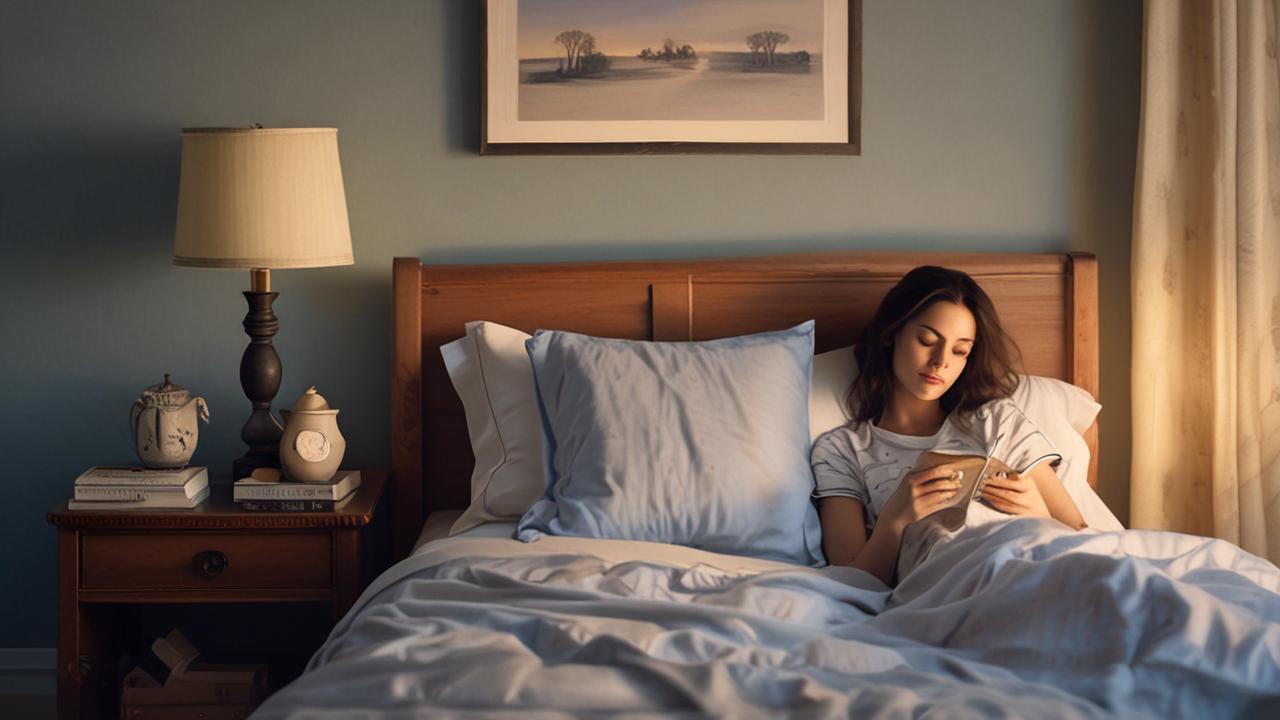
- 9:30 PM: Get into bed. Try a few deep breaths or some light reading from a physical book. Aim to relax and let sleep come naturally.
Benefits of Phone-Free Sleep
When you successfully avoid your phone before bed, you’ll likely notice several positive changes:
- Faster Sleep Onset: Without the stimulating effects of screens, your brain can more easily transition into sleep mode, helping you fall asleep in less time.
- Improved Sleep Quality: Your sleep cycles can run more smoothly, leading to deeper, more restorative sleep. You might wake up feeling more rested and less groggy.
- Reduced Anxiety: Constantly checking notifications or engaging with social media can increase stress. Removing this from your pre-sleep routine can lead to a calmer mind.
- Better Mood: Getting consistent, quality sleep has a direct positive impact on your mood and emotional well-being throughout the day.
Real-Life Sleep Success Story
Sarah, a busy graphic designer, struggled for years with falling asleep. Her nights were often spent scrolling through social media or news articles on her phone, even when she knew she should be sleeping. She’d lie in bed for over an hour, feeling frustrated and tired.
After reading about the effects of blue light, she decided to try a “digital sunset” an hour before bed. She
Frequently Asked Questions
Question: What is the main reason people have trouble sleeping without their phone?
Answer: The main reason is the blue light emitted from phone screens. This light tricks your brain into thinking it’s still daytime, which delays the production of melatonin, the hormone that helps you feel sleepy.
Question: How long before bed should I stop using my phone?
Answer: It’s generally recommended to stop using your phone at least one to two hours before you plan to sleep. This gives your brain enough time to wind down and prepare for rest.
Question: Can reading a book on a tablet help me sleep better than a physical book?
Answer: No, reading on a tablet, even with a “night mode” feature, still emits blue light. A physical book is a much better option for sleep because it doesn’t produce any light that can interfere with your natural sleep signals.
Question: What if I feel anxious about missing something if I don’t check my phone before bed?
Answer: This feeling often stems from habit and the fear of missing out (FOMO). Try to reframe it by focusing on the positive benefits of good sleep, like feeling more energized and less stressed. You can also tell yourself that whatever is on your phone can wait until morning.
Question: Are there any apps that can help me sleep better without using my phone?
Answer: While the goal is to avoid screens, some apps can be used during the day or put on airplane mode at night. These might include meditation apps, white noise generators, or sleep trackers. However, it’s best to engage with them away from your bedtime routine.
Summary
Falling asleep fast without your phone involves creating a calm bedroom and a relaxing routine. By dimming lights, keeping the room cool, and avoiding screens an hour or two before bed, you help your body signal that it’s time to rest. Simple relaxation techniques and consistent sleep times further support this goal, leading to more restful nights.
Leave a Reply