

It’s easy to get mixed up when you first hear about sleep problems. You might be wondering about orthosomnia symptoms and how to fix it, and that’s totally normal. It can feel tricky because it’s about doing things “right” for sleep, but sometimes that can actually cause more worry.
Don’t fret, though! We’re going to break it all down in a super simple way, step-by-step. Think of this as your easy guide to sleeping better without the stress.
We’ll cover what can go wrong and how to make it right.
Understanding Orthosomnia: When Trying Too Hard Hurts Sleep
This section helps you grasp what orthosomnia really is. It’s when your focus on perfect sleep makes sleep worse. We’ll look at why this happens and how it can sneak up on you, especially if you’re new to tracking your sleep or trying new sleep habits.
What is Orthosomnia?
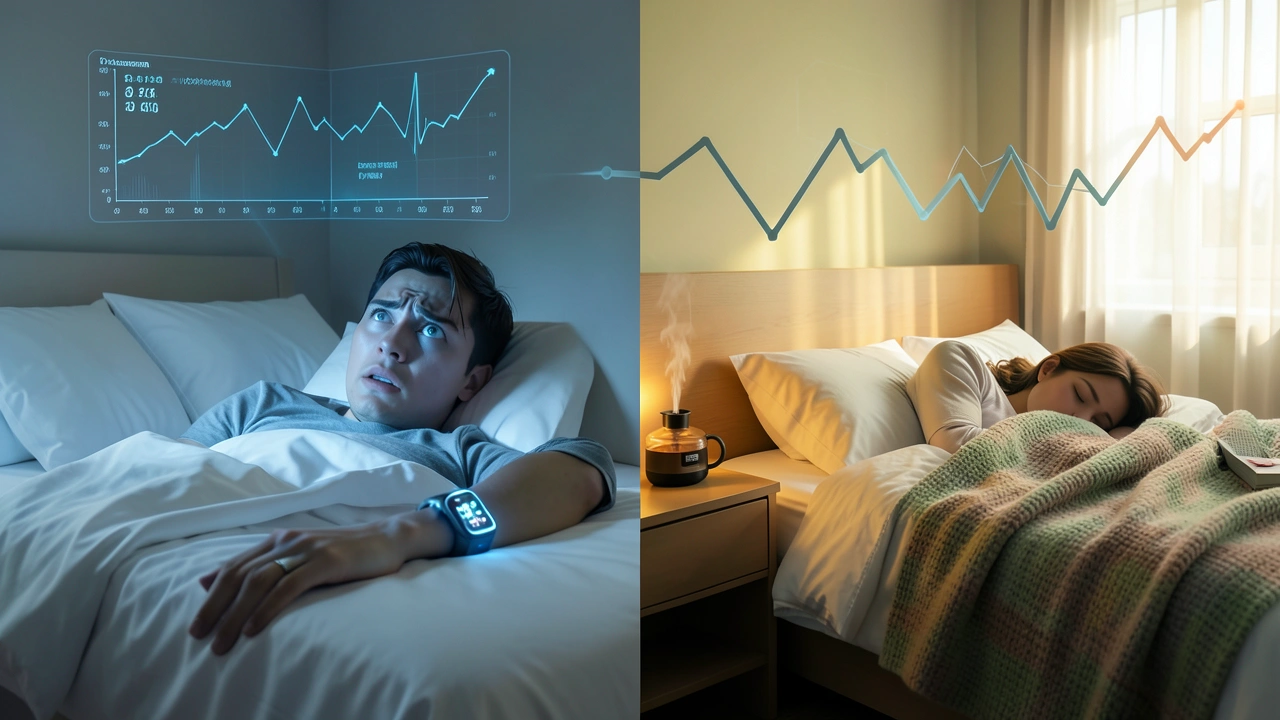
Orthosomnia is a modern sleep issue. It happens when people become too obsessed with achieving “perfect” sleep. This obsession often comes from using sleep trackers or following strict sleep advice too rigidly.
The goal of good sleep becomes a source of anxiety, which ironically makes it harder to fall asleep and stay asleep. It’s like trying too hard to relax – the effort itself makes it impossible.
This condition isn’t about not getting enough sleep physically. Instead, it’s a psychological struggle. The constant monitoring of sleep data, like sleep duration, deep sleep, or REM sleep, can lead to a feeling of failure if the numbers aren’t ideal.
This worry then feeds into a cycle of poor sleep.
Why Does the Pursuit of Perfect Sleep Cause Problems?
Our bodies and minds are not machines. Sleep is a natural process that works best when we allow it to happen without constant pressure. When we strive for perfect sleep, we often create mental tension.
This tension can activate our “fight or flight” response, making it difficult for our bodies to wind down.
Think about it: if you’re constantly checking your watch, worried about how much sleep you’re getting, your brain is wide awake and stressed. This is the opposite of what’s needed for good sleep. The focus shifts from resting to performance.
Common Signs of Orthosomnia
- Constant worry about sleep quality. You might feel anxious before bed because you’re thinking about how well you’ll sleep. This worry itself keeps you awake. You might check your sleep tracker the moment you wake up, feeling stressed if the results aren’t what you hoped for.
- Checking sleep tracking devices too much. It’s easy to get caught up in the numbers a wearable device gives you. But if you find yourself checking your sleep score first thing in the morning, or even during the night, it’s a sign you might be too focused on the data. This can make you fixate on perceived sleep problems.
- Feeling anxious about not getting “enough” or “perfect” sleep. Even if you feel rested, seeing less-than-ideal numbers on a tracker can make you feel like you had a bad night. This mental distress is a core part of orthosomnia. It can lead to feeling tired even when you’ve slept a normal amount.
- Following strict sleep rules rigidly. This can include going to bed and waking up at the exact same time every single day, even on weekends. While routine is good, being too inflexible can create stress if life interferes. It can also make you feel guilty if you deviate.
- Believing that specific sleep metrics are the only way to be healthy. You might think that you absolutely need 8 hours of deep sleep to function, and anything less is a disaster. This black-and-white thinking about sleep can create unnecessary fear.

Addressing Orthosomnia Symptoms and How to Fix It: Practical Steps
This is where we get to the action. You’ll learn simple, practical ways to dial back the stress and let your body sleep naturally. We’ll cover how to use sleep tools wisely and how to build a healthier relationship with sleep.
Re-evaluating Sleep Trackers
Sleep trackers can be helpful tools, but they can also become a source of stress. It’s important to remember that these devices are not perfect. They provide estimates of your sleep, not exact measurements.
Wearing a device that constantly reminds you of your sleep quality can turn a normal night’s sleep into a source of anxiety.
The key is to use them as a guide, not a judge. If you notice that checking your sleep tracker is making you more worried about sleep, it might be time to take a break from it. Focus on how you feel during the day, rather than what the device tells you about your night.
Tips for Using Sleep Trackers Wisely:
- Set a limit for checking your sleep data. Decide to look at your sleep tracker only once a day, perhaps in the morning. Avoid checking it multiple times or before bed. This helps break the cycle of constant monitoring and worry.
- Focus on trends, not daily scores. If you use a tracker, look at how your sleep patterns change over weeks or months. This gives a more useful, less stressful overview than fixating on one night’s score. Small, gradual improvements are more realistic and less anxiety-provoking.
- Don’t let the numbers dictate your mood. If your tracker shows a “bad” night, try not to let it ruin your day. Remind yourself that one night of less-than-perfect sleep won’t cause lasting harm. Your overall well-being is more important than a single data point.
- Consider taking breaks from your tracker. If you find yourself overly reliant on or stressed by your sleep data, try going without the tracker for a week or two. This can help you reconnect with your body’s natural sleep cues.
Shifting Your Mindset About Sleep
A big part of orthosomnia is the mental battle. If you’re constantly thinking about sleep, it becomes a problem. We need to shift your focus from “getting perfect sleep” to “creating good conditions for sleep.” This means letting go of the need for absolute control.
Think of sleep like digestion. You can eat healthy food and give your body the right conditions, but you can’t force digestion to happen instantly or perfectly. The same applies to sleep.
By reducing anxiety, you allow your body to do what it does naturally.
Strategies for a Healthier Sleep Mindset:
- Practice mindfulness and relaxation techniques. Simple breathing exercises or short meditations before bed can calm a racing mind. These practices help you focus on the present moment rather than worrying about future sleep outcomes. It’s about being calm, not about forcing sleep.
- Challenge anxious thoughts about sleep. When you catch yourself worrying, ask: “Is this thought helpful?” or “What’s the evidence for this?” Often, our worries are based on assumptions rather than facts. Replacing negative thoughts with more balanced ones can reduce pressure.
- Focus on sleep hygiene, not sleep perfection. Good sleep hygiene means creating a helpful environment and routine. This includes a dark, quiet room and avoiding screens before bed. It’s about setting the stage for sleep, not controlling the show itself.
- Accept that sleep varies. Some nights you’ll sleep better than others, and that’s perfectly normal. Your body doesn’t need the exact same amount or quality of sleep every single night. Accepting this variation reduces the pressure to perform.
Building a Relaxed Bedtime Routine
A good bedtime routine signals to your body that it’s time to wind down. The goal isn’t to force sleep, but to create a peaceful transition from your day to rest. This routine should be enjoyable and calming, not another source of pressure.
It should help you feel less worried about what’s going to happen when you get into bed.
Think of it as preparing your mind and body for a gentle rest. The activities you choose should be soothing and non-stimulating. This helps to quiet the mind and reduce any lingering energy or worries from the day.
Creating Your Ideal Wind-Down Time:
- Choose calming activities. This could include reading a physical book (not on a bright screen), listening to soft music or a podcast, taking a warm bath, or doing gentle stretching. Pick things that you genuinely find relaxing and enjoyable.
- Make it consistent, but flexible. Try to start your routine around the same time each night, but don’t stress if you can’t. The goal is a regular wind-down period, not a rigid schedule. Life happens, and flexibility is key to reducing anxiety.
- Avoid screens and stressful topics. Blue light from phones and computers can interfere with melatonin production. Also, avoid discussing difficult topics or checking work emails during your wind-down time. This keeps your mind calm and ready for rest.
- Prepare your bedroom for sleep. Make sure your room is dark, quiet, and cool. This physical environment plays a big role in how easily you fall asleep and how deeply you sleep. A comfortable space reduces potential disruptions.
Understanding the Role of Sleep Environment
Your bedroom should be a sanctuary for sleep, not a place of anxiety or distraction. Creating an optimal sleep environment is one of the most straightforward ways to support natural sleep. This involves controlling light, sound, and temperature.
These factors have a significant impact on how quickly you fall asleep and the quality of your sleep.
When your bedroom is set up for sleep, it sends a consistent signal to your brain. This signal says, “This is a place for rest.” It helps your body relax and prepare for sleep without conscious effort.
Key Elements of a Sleep-Friendly Bedroom:
- Darkness: Even small amounts of light can disrupt sleep. Use blackout curtains to block out streetlights or morning sun. Cover any electronic lights from devices. Darkness helps your body produce melatonin, the sleep hormone.
- Quiet: Noise can easily wake you up or prevent you from falling asleep. Consider using earplugs or a white noise machine to mask disruptive sounds. A consistent, low-level sound can also be more comforting than silence.
- Cool Temperature: Your body temperature naturally drops as you prepare for sleep. A cooler room, generally between 60-67°F (15-19°C), helps facilitate this process. Avoid overly warm rooms, which can lead to restlessness.
- Comfortable Bedding: Ensure your mattress and pillows are comfortable and supportive. Invest in bedding materials that feel good against your skin and help regulate temperature. A comfortable physical setup is fundamental for relaxation.
Real-Life Examples of Overcoming Orthosomnia
Seeing how others have managed these issues can be very encouraging. These stories show that it’s possible to shift from worry to restful sleep. They highlight the practical application of the strategies we’ve discussed, showing that a gentler approach is often the most effective.
Case Study 1: Sarah’s Sleep Tracker Stress
Sarah, a 30-year-old graphic designer, started using a new smartwatch that tracked her sleep. Initially, she was excited to see her sleep data. However, she quickly became anxious because her “deep sleep” score was consistently lower than she thought it should be.
She’d wake up feeling stressed if the app showed less than two hours of deep sleep.
She began going to bed earlier, trying to force more deep sleep, which only made her lie awake, worrying about the numbers. This led to increased daytime fatigue and anxiety. Sarah’s problem wasn’t a lack of sleep, but her fixation on the tracker’s data.
After reading about orthosomnia, Sarah decided to put her watch away for two weeks. During this time, she focused on her bedtime routine, ensuring her room was dark and quiet, and she avoided caffeine after noon. She also practiced deep breathing exercises for 10 minutes before bed.
By the end of the two weeks, Sarah noticed a significant difference. She felt less anxious about sleep and found herself falling asleep more easily. When she put her watch back on, she viewed the data differently.
She saw that her overall sleep duration was good and her “feeling rested” on waking was more important than the specific deep sleep score. This shift in perspective helped her manage her orthosomnia.
Case Study 2: Mark’s Quest for “Perfect” Sleep Schedule
Mark, a 45-year-old teacher, read an article that said going to bed and waking up at the exact same time every day was crucial for health. He decided to implement this strictly, setting alarms for 10:00 PM and 6:00 AM every single day, including weekends. He believed this was the key to “optimizing” his sleep.
However, on nights when he stayed out a little later or felt unusually tired, he’d still force himself to go to bed at 10:00 PM, leading to hours of tossing and turning. He’d then feel guilty and anxious about breaking his perfect schedule. This rigid adherence to a schedule, without listening to his body’s natural cues, started to cause him significant sleep deprivation and stress.
Mark realized that his strict adherence was counterproductive. He began to adopt a more flexible approach. While he kept a general bedtime in mind, he started listening to his body.
If he felt genuinely tired earlier, he would go to bed. If he had a social event that ran late, he wouldn’t panic about his wake-up time the next day.
He also started incorporating a short, relaxing activity before bed, like listening to a podcast, instead of just lying in bed worrying. This shift from perfection to a more natural, responsive approach to sleep helped Mark significantly reduce his anxiety and improve his sleep quality without constant worry.
Scenario 1: Dealing with a “Bad” Sleep Night
- You wake up and immediately check your sleep tracker. It shows you only got 5 hours of sleep, with a low score for deep sleep.
- Instead of panicking, you remind yourself that this is just one night. You think about how you actually feel. Do you feel groggy and unable to function, or just a little tired?
- You decide to focus on having a healthy breakfast and a productive day, rather than dwelling on the sleep numbers. You know that one night of less sleep won’t derail your health.
- You plan to have a relaxing evening and go to bed when you feel naturally tired, rather than forcing yourself to go to bed at a specific time. You trust your body to regulate its sleep needs over time.
Scenario 2: Vacation Sleep Disruption
- You’re on vacation and your sleep schedule is completely off because of travel and new surroundings. You might be sleeping less or at different times.
- You resist the urge to check your sleep tracker obsessively, knowing that vacation is a time to relax and enjoy yourself. You prioritize experiencing your trip over perfect sleep data.
- You focus on enjoying your days and engage in activities that help you wind down in the evenings, like a gentle walk or reading. You’re not worried about “catching up” on sleep.
- When you return home, you gradually get back to your normal routine. You understand that occasional disruptions are normal and your body will readjust without you having to force it.
Statistics About Sleep Habits and Wellness
Understanding the broader picture of sleep can also be helpful. Many people struggle with sleep, and it’s not always about strict adherence to rules. These statistics show how common sleep concerns are and why finding a balanced approach is important for overall well-being.
| Statistic | Source | Description |
|---|---|---|
| 35% of adults report getting less than the recommended amount of sleep on average. | Centers for Disease Control and Prevention (CDC) | This highlights a widespread issue with insufficient sleep, suggesting many people don’t get enough rest, often due to lifestyle factors. |
| About 50-70 million US adults have sleep or wakefulness disorder. | National Sleep Foundation | This large number shows that sleep problems are a significant public health concern affecting a considerable portion of the population. |
| 70% of people use a smartphone as their alarm clock. | Statista | Many people use devices that emit blue light right before sleep, which can interfere with natural sleep cycles. |
These numbers show that many people face sleep challenges. The focus on “perfect” sleep, often driven by new technology, can add unnecessary stress to an already common issue. It’s important to remember that sleep is a natural process, and trying too hard to control it can backfire.
Frequently Asked Questions
Question: Is it bad to wake up and check my sleep tracker right away?
Answer: Yes, it can be a sign of orthosomnia. Checking your sleep tracker immediately upon waking can increase anxiety about your sleep quality, making it harder to feel rested even if you slept a decent amount. It shifts your focus from how you feel to the numbers on the device.
Question: What if I’m a naturally light sleeper?
Answer: Being a light sleeper doesn’t automatically mean you have a sleep disorder. If you’re still feeling rested and functioning well during the day, it’s likely not a problem. Focus on creating a good sleep environment and a relaxing routine, rather than worrying about the amount of disturbances.
Question: How can I stop worrying about sleep?
Answer: Try relaxation techniques like deep breathing or meditation before bed. Also, challenge any negative thoughts you have about sleep. Remind yourself that occasional bad nights are normal and won’t harm you.
Focusing on how you feel during the day is more important than your sleep score.
Question: Should I stop using my sleep tracker completely?
Answer: Not necessarily. You can use it more mindfully. Try to limit checking your data to once a day and focus on long-term trends instead of daily scores.
If you find it consistently causes you stress, taking a break from it for a while can be very beneficial.
Question: Can I have orthosomnia even if I don’t use a sleep tracker?
Answer: Yes. Orthosomnia can develop from any intense focus on achieving “perfect” sleep, even without a device. This might come from strictly following advice from books or websites, or from a personal fear of not sleeping enough, leading to anxiety about sleep itself.
Wrap Up
Dealing with orthosomnia symptoms and how to fix it is about letting go of control. Focus on creating calm conditions for sleep. Don’t stress over perfect numbers or rigid schedules.
Listen to your body and enjoy rest. Your well-being matters more than any sleep score.
Leave a Reply