
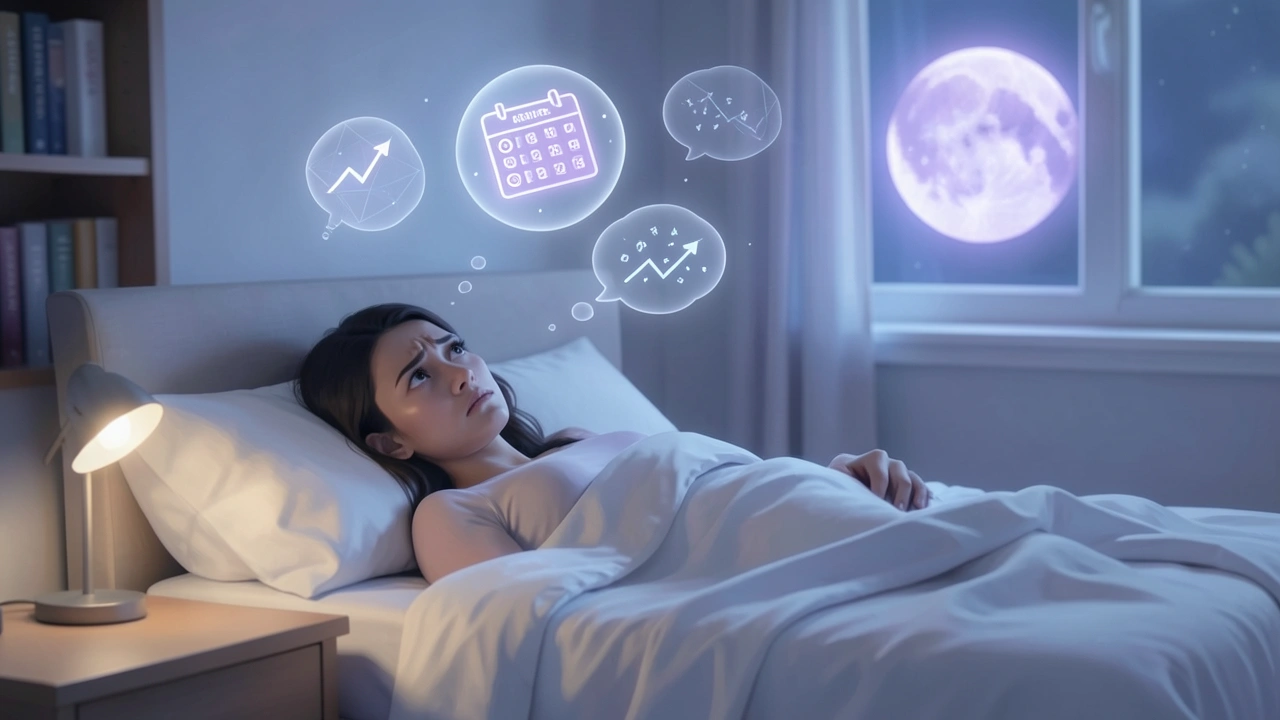
Feeling worried about sleep is super common, especially when you’re just starting to figure things out. It can be tough to know what’s going on when your mind races at night, making it hard to rest. But don’t worry!
This guide will show you simple ways to handle sleep anxiety symptoms and treatment at home, step by step. We’ll cover what’s happening and how you can start feeling better, so you can finally get some good sleep.
What is Sleep Anxiety?
Sleep anxiety is basically feeling stressed or worried about falling asleep or staying asleep. It’s like your brain just won’t switch off when you want it to. This can happen for lots of reasons, and for beginners, it might feel confusing because you’re not sure what’s causing it or how to stop it.
You might lie in bed, thinking about everything you need to do tomorrow, or even worry about not sleeping, which makes sleeping even harder. It’s a bit of a cycle that can feel really frustrating.
This feeling can pop up even if you don’t normally worry a lot. Sometimes, changes in your life, like a busy schedule or something stressful happening, can trigger it. The physical feelings can be just as bothersome as the mental ones.
You might notice your heart beating faster, feeling restless, or even a tight feeling in your chest. These symptoms can make you feel even more anxious about trying to sleep, creating a loop where the worry about sleep itself becomes the biggest obstacle to sleeping well.
Common Signs of Sleep Anxiety
When you’re struggling with sleep anxiety, your body and mind will tell you. You might find your thoughts racing a mile a minute when your head hits the pillow. This is often about worries from your day or fears about the future.
It can feel like your brain is a hamster wheel that just keeps running, no matter how tired you are.
Beyond the racing thoughts, physical symptoms are also a big giveaway. You might feel your heart pounding in your chest, like you just ran a race. It’s also common to feel restless, tossing and turning, and unable to find a comfortable position.
Some people experience a knot in their stomach or a general feeling of unease that makes it hard to relax. These physical signs can increase your worry, making you think something is seriously wrong.
- Racing Thoughts: Your mind fills with worries, to-do lists, or what-if scenarios, preventing you from relaxing. These thoughts often jump from one topic to another without any clear direction, making it impossible to focus on sleep. It’s like trying to catch butterflies in a hurricane; they are everywhere and impossible to grasp. This constant mental chatter drains your energy and makes you feel more awake than ever.
- Difficulty Falling Asleep: Even when you’re physically tired, your brain won’t allow you to drift off. You might lie there for hours, staring at the ceiling, feeling a growing sense of frustration. The longer you stay awake, the more anxious you become about the lost sleep, which further delays the sleep you desperately need. This creates a frustrating paradox where the desire for sleep fuels the very anxiety that prevents it.
- Waking Up Frequently: If you do manage to fall asleep, you might find yourself waking up multiple times during the night. These awakenings can be accompanied by a jolt of anxiety, making it hard to fall back asleep. You might feel disoriented and worried about how much time you’ve lost, increasing your stress levels. The fear of waking up again can make your sleep very light and easily disturbed.
- Physical Symptoms of Stress: This includes a fast heartbeat, rapid breathing, sweating, muscle tension, or a feeling of dread. These are your body’s fight-or-flight responses kicking in, making it nearly impossible to feel calm and relaxed enough for sleep. These bodily sensations can be alarming and can lead to further anxiety about your health, adding another layer of worry to your sleep experience.
When Does Sleep Anxiety Become a Problem?
Sleep anxiety can become a real issue when it starts to affect your daily life. If you’re constantly tired, finding it hard to concentrate at work or school, or feeling irritable most of the time, it’s a sign that your sleep problems are having a significant impact. It’s not just about feeling a bit tired; it’s about feeling run down and unable to function at your best.
When this anxiety about sleep happens often, it can start to shape your bedtime routine into something you dread. Instead of looking forward to rest, you might feel a sense of dread as evening approaches. This avoidance can lead to irregular sleep patterns, which further worsen the anxiety.
It’s like knowing you have a difficult test coming up and spending all your time worrying about it, instead of studying. The worry itself becomes the main problem, overshadowing the actual sleep.
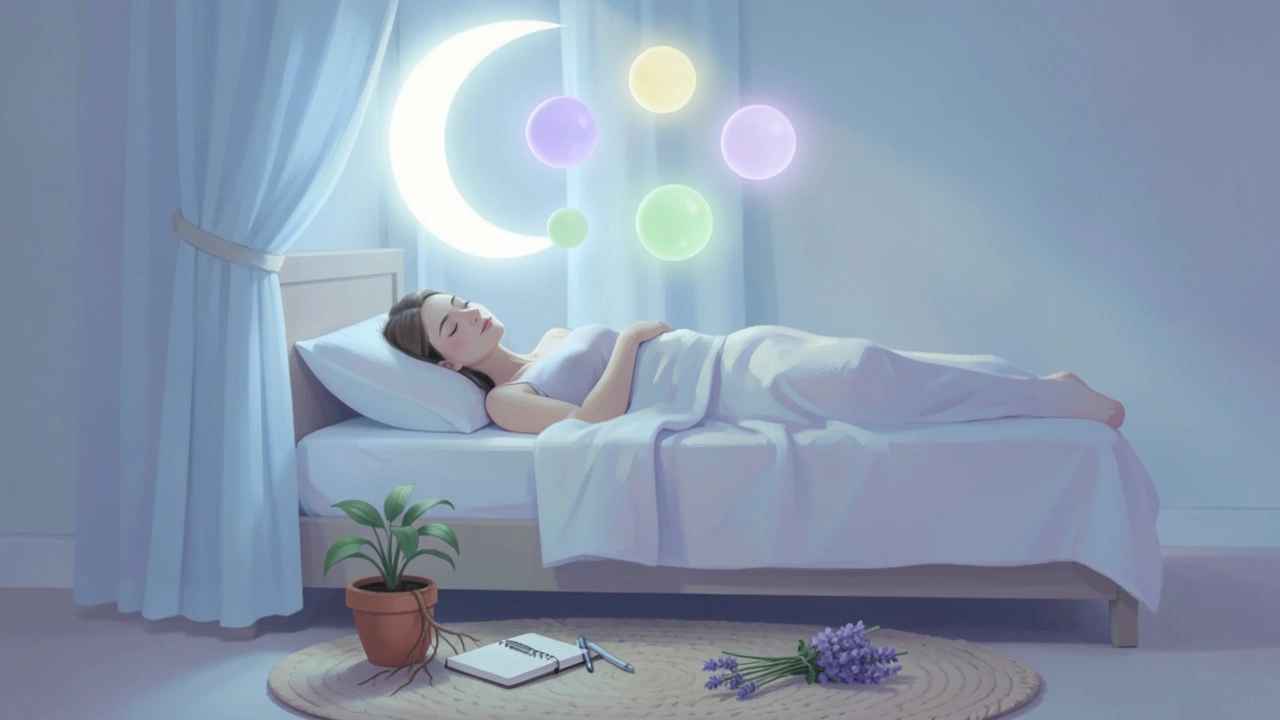
Simple Strategies for Sleep Anxiety Treatment at Home
Dealing with sleep anxiety at home is all about making small, manageable changes. The goal isn’t to eliminate all worry instantly but to find ways to calm your mind and body so sleep can happen more naturally. Think of it as gently guiding your mind away from stressful thoughts and towards a peaceful state.
These strategies are designed to be easy to add to your routine, even if you’re feeling very anxious. They focus on what you can control, like your environment and your habits, rather than trying to force sleep. By consistently applying these simple techniques, you can gradually reduce the grip of sleep anxiety and improve your overall sleep quality.
We’ll break them down into actionable steps you can start using tonight.
Creating a Relaxing Bedtime Routine
A good bedtime routine signals to your brain that it’s time to wind down. This means doing the same calming activities each night before you go to sleep. It helps create a predictable pattern that your body can start to associate with rest, rather than with worry or stress.
The key is to avoid anything too stimulating. This means no screens like phones or TVs for at least an hour before bed, as the blue light can mess with your body’s natural sleep signals. Instead, opt for activities that help you de-stress and relax your mind, preparing you for a peaceful night’s sleep.
Consistency is more important than the specific activities themselves.
- Warm Bath or Shower: A warm bath can help relax your muscles and lower your body temperature slightly, which is a signal to your body that it’s time to sleep. The warmth is soothing and can wash away the day’s tension. Make it a bit more special by adding some Epsom salts or a few drops of lavender essential oil, known for its calming properties.
- Reading a Physical Book: Choose a book that is engaging but not overly exciting or stressful. This could be fiction, a relaxing hobby book, or even poetry. The act of reading a physical book helps to shift your focus away from your worries and into a different world. Avoid anything with screens as they emit blue light that can interfere with sleep hormones.
- Gentle Stretching or Yoga: Light stretching or a few simple yoga poses can help release physical tension that you might be holding onto. Focus on slow, deep breaths while you stretch. This can calm your nervous system and prepare your body for rest. Avoid anything too strenuous that might energize you instead of relax you.
- Listening to Calming Music or a Podcast: Choose instrumental music, nature sounds, or a calm, non-stimulating podcast. This can provide a gentle distraction for your mind, helping to drown out intrusive thoughts. Ensure the volume is low and the content is soothing rather than engaging or thought-provoking.
Mindfulness and Relaxation Techniques
Mindfulness is all about being present in the moment without judgment. When it comes to sleep anxiety, it means noticing your thoughts and feelings without letting them spiral. Relaxation techniques actively help your body and mind release tension, which is the opposite of what anxiety does.
These methods are like giving your brain a gentle break. They help you observe your racing thoughts rather than getting caught up in them. By practicing these regularly, you train your mind to be calmer, which is incredibly helpful when you’re trying to fall asleep.
They are skills that get stronger with practice, just like any other learning process.
- Deep Breathing Exercises: Place one hand on your chest and the other on your stomach. Breathe in slowly through your nose, feeling your stomach rise. Breathe out slowly through your mouth. Focus on the sensation of your breath. This simple act can slow your heart rate and calm your nervous system, making it easier to relax.
- Progressive Muscle Relaxation: This involves tensing and then releasing different muscle groups in your body, one by one. Start with your toes, then calves, thighs, and so on, all the way up to your face. Notice the difference between the feeling of tension and the feeling of release. This can help you become more aware of physical tension and learn to let it go.
- Guided Imagery: Close your eyes and imagine yourself in a peaceful, safe place. This could be a beach, a forest, or a cozy room. Focus on the sensory details: what do you see, hear, smell, and feel? This mental escape can distract your mind from worries and promote a sense of calm and well-being.
- Body Scan Meditation: Lie down comfortably and bring your attention to each part of your body, starting from your toes. Notice any sensations without trying to change them. Simply acknowledge what you feel, then move your attention to the next part. This helps you connect with your body and release any unconscious tension you might be holding.
Optimizing Your Sleep Environment
Your bedroom should be a sanctuary for sleep. Making it dark, quiet, and cool can make a huge difference in how easily you fall asleep and how well you stay asleep. These physical conditions are fundamental to good sleep hygiene and can help reduce external triggers for anxiety.
Think of your bedroom as a tool to help you sleep. If it’s too bright, too noisy, or too warm, it works against your efforts. By making a few simple adjustments, you create an ideal space that supports your body’s natural sleep-wake cycle.
This makes it less likely that outside factors will disrupt your rest or trigger anxiety.
- Darkness is Key: Make your bedroom as dark as possible. Use blackout curtains to block out streetlights or early morning sun. Even small amounts of light can interfere with melatonin production, the hormone that helps you sleep. Consider using a sleep mask if complete darkness is impossible.
- Control the Temperature: Most people sleep best in a cool room, typically between 60-67 degrees Fahrenheit (15-19 degrees Celsius). A slightly cooler environment helps your body temperature drop, which is a natural signal for sleep. Experiment to find the temperature that feels most comfortable for you.
- Minimize Noise: Try to reduce any disruptive noises. Earplugs can be very effective for blocking out sounds like traffic or a snoring partner. White noise machines or fans can also help by creating a consistent, soothing sound that masks other noises and creates a peaceful auditory environment.
- Comfortable Bedding: Ensure your mattress and pillows are comfortable and supportive. If your bed is old or uncomfortable, it can lead to aches and pains that disrupt sleep. Investing in quality bedding can significantly improve your sleep comfort and reduce restlessness.
Managing Worries Before Bed
One of the biggest culprits of sleep anxiety is the worry that can creep in as you try to rest. Developing strategies to address these worries before they take over your bedtime can be incredibly effective. It’s about giving your worries a time and place, so they don’t dominate your sleep.
This doesn’t mean ignoring your problems, but rather dealing with them in a way that doesn’t interfere with your sleep. By processing your thoughts during the day or at a set time, you can prevent them from ambushing you when you’re trying to relax. This proactive approach helps create mental space for sleep.
- Worry Journal: Keep a notebook by your bed or in a common area. For about 15-20 minutes earlier in the evening, write down all your worries. Don’t censor yourself; just let them out. Then, try to brainstorm one small, actionable step for each worry that you can take the next day. This can help you feel more in control.
- Schedule “Worry Time”: Set aside a specific time earlier in the day, say, for 20 minutes in the afternoon, to actively think about your worries. If a worry pops up at bedtime, gently remind yourself that you have a designated time for it and you’ll address it then. This trains your brain to postpone anxious thoughts.
- Problem-Solving During the Day: If you have a persistent worry, try to tackle it head-on during daylight hours. Break down the problem into smaller, manageable parts and create a plan. Taking action, even small steps, can reduce the feeling of being overwhelmed by it later on.
- Positive Affirmations: Repeat calming phrases to yourself, either out loud or in your head, before you go to sleep. Examples include: “I am safe and relaxed,” “My body knows how to rest,” or “I release the day and welcome sleep.” These positive statements can help reframe your mindset from one of anxiety to one of peace.
When to Seek Professional Help
While these home strategies are very helpful for many, sometimes sleep anxiety can be persistent or severe. If you’ve tried various techniques and are still struggling significantly, it’s important to consider speaking with a professional. They can offer specialized support and treatment options tailored to your needs.
A healthcare provider can help determine if there are underlying medical or psychological conditions contributing to your sleep anxiety. They can also offer therapies that go deeper than what can be achieved with self-help alone. Seeking help is a sign of strength, not weakness, and can lead to significant improvements in your sleep and overall well-being.
Understanding the Psychology of Sleep Anxiety
Sleep anxiety is often fueled by a cycle of worry and fear, which is rooted in how our minds react to perceived threats. When we’re anxious about sleep, our brains interpret the inability to sleep as a threat, triggering a stress response. This response makes it even harder to sleep, thus reinforcing the initial fear and creating a loop.
The psychological aspect involves how our thoughts and beliefs about sleep influence our actual sleep experience. Negative thoughts, like “I’ll never be able to sleep” or “If I don’t sleep, I’ll have a terrible day,” become self-fulfilling prophecies. Our anticipation of poor sleep can actually cause poor sleep, making the problem a cognitive one as much as a physical one.
The Fear of Not Sleeping
The core of sleep anxiety is often the fear of not sleeping itself. This fear can manifest as an intense worry about the consequences of not getting enough rest, such as feeling tired, unproductive, or even unwell. This anticipation of negative outcomes creates a state of hyperarousal, where the body and mind are too alert to relax and fall asleep.
This is similar to how stage fright works; the fear of performing badly can make a person perform badly. In the case of sleep, the fear of not sleeping well can lead to hypervigilance, where you become overly aware of every little sensation or thought that might be keeping you awake. This heightened awareness prevents the natural letting go required for sleep.
- Catastrophizing: This is when people tend to think of the worst possible outcome. For example, if someone has one bad night of sleep, they might immediately think, “I’m going to be completely useless tomorrow,” or “This will lead to a serious health problem.” This extreme thinking amplifies the fear and makes it harder to see that one night of poor sleep is usually not catastrophic.
- Perfectionism and Sleep: Some individuals have a perfectionist mindset and feel they need a certain amount of “perfect” sleep to function. This pressure to achieve ideal sleep can lead to frustration and anxiety when sleep doesn’t meet their high standards. They might feel like a failure if they don’t sleep soundly, adding a layer of self-criticism to their sleep anxiety.
- Learned Associations: Over time, the bedroom can become associated with wakefulness and worry instead of sleep. If you’ve spent many nights lying awake feeling anxious, your brain might start to associate the bedroom environment with these negative feelings. This makes it harder to relax even when you’re tired because the room itself can trigger feelings of anxiety.
- Anticipatory Anxiety: This is the anxiety that builds up as bedtime approaches. Knowing that sleep has been difficult in the past can make a person feel anxious throughout the evening, anticipating another night of struggle. This anticipatory anxiety primes the body and mind for stress, making it more difficult to transition into a relaxed state conducive to sleep.
Cognitive Behavioral Therapy for Insomnia (CBT-I)
Cognitive Behavioral Therapy for Insomnia, or CBT-I, is a highly effective treatment for chronic insomnia and sleep anxiety. It’s often considered the first-line treatment because it addresses the underlying thoughts and behaviors that interfere with sleep, rather than just treating the symptoms.
CBT-I works by helping individuals identify and change negative thought patterns and unhelpful behaviors related to sleep. It’s a structured approach that typically involves a series of sessions with a trained therapist. The techniques are practical and designed to help you regain control over your sleep.
It’s proven to be more effective than medication for many people and has long-lasting benefits.
| CBT-I Technique | Description | How it Helps Sleep Anxiety |
|---|---|---|
| Sleep Restriction Therapy | Initially, you limit the time spent in bed to match the actual amount of sleep you’re getting. This helps to consolidate sleep and increase your sleep drive. | By ensuring you spend more time actually sleeping when you are in bed, it reduces the amount of time spent awake and anxious, creating a more positive association with your bed. |
| Stimulus Control Therapy | This involves reinforcing the association between your bed and sleep. You go to bed only when you’re sleepy and leave the bedroom if you can’t sleep after about 20 minutes. | It breaks the cycle of lying awake in bed feeling anxious, helping to retrain your brain to associate your bed with sleep rather than frustration. |
| Cognitive Restructuring | This technique challenges and reframes negative or unrealistic thoughts about sleep. It helps you develop more balanced and helpful beliefs about your ability to sleep. | It directly addresses the anxious thoughts and fears that fuel sleep anxiety, replacing them with more realistic and calming perspectives. |
| Relaxation Training | Various relaxation techniques, like deep breathing and progressive muscle relaxation, are taught to help reduce physiological arousal and promote a sense of calm. | These techniques equip you with practical tools to manage the physical symptoms of anxiety, making it easier to wind down and fall asleep. |
The Role of Lifestyle and Diet
What you do throughout the day and what you eat can significantly impact your sleep quality and your susceptibility to sleep anxiety. Small changes in your daily habits can have a big ripple effect on how well you rest at night.
Your lifestyle choices and dietary habits are the foundation of your overall health, and sleep is a critical part of that. By making conscious decisions about your daily routines and food intake, you can create an internal environment that is more conducive to restful sleep and less prone to anxiety.
- Regular Exercise: Engaging in regular physical activity can help reduce stress and improve sleep quality. However, it’s best to avoid strenuous workouts close to bedtime, as this can energize you. Aim for exercise earlier in the day to allow your body to wind down before sleep.
- Limit Caffeine and Alcohol: Caffeine is a stimulant that can stay in your system for hours, making it hard to fall asleep. Alcohol might make you feel drowsy initially, but it disrupts sleep later in the night, leading to more awakenings and poorer quality sleep. Try to cut out caffeine in the afternoon and limit alcohol, especially before bed.
- Mindful Eating Habits: Avoid heavy meals or large amounts of fluids close to bedtime. A light snack is okay if you’re hungry, but a full stomach can be uncomfortable and interfere with sleep. Also, consider the timing of your meals; consistent meal times can help regulate your body’s internal clock.
- Napping Wisely: While naps can be refreshing, long or late-afternoon naps can interfere with nighttime sleep. If you need to nap, keep it short (20-30 minutes) and do it earlier in the day. This helps ensure you’ll be tired enough when bedtime arrives.
Real-Life Examples and Scenarios
Seeing how others have managed sleep anxiety can be very encouraging and offer practical insights. These examples show how applying the principles of sleep anxiety treatment at home can lead to tangible improvements in sleep and daily life.
These stories are not about overnight miracles but about consistent effort and gradual progress. They highlight that finding what works for you might involve trying a few different strategies and being patient with the process. The journey to better sleep is often about small, sustainable changes rather than drastic overhauls.
Case Study: Sarah’s Journey
Sarah, a 32-year-old graphic designer, started experiencing significant sleep anxiety due to a demanding project at work. She would lie awake for hours, replaying project details and worrying about missing deadlines. This led to daytime fatigue, irritability, and a fear of going to bed.
She began by implementing a consistent bedtime routine: a warm shower, reading a paperback novel, and listening to calm music. She also started a “worry journal” where she wrote down her work concerns for 20 minutes each evening. Additionally, she made her bedroom darker and cooler.
Within a few weeks, she noticed a significant reduction in the time it took her to fall asleep, and she woke up feeling more rested and less anxious.
Scenario: Mark’s Bedtime Worries
Mark, a student, often found his mind racing with thoughts about upcoming exams and social pressures as soon as he got into bed. He’d toss and turn, feeling increasingly stressed about not sleeping, which then made him more anxious about the next day’s studies.
He decided to try progressive muscle relaxation before bed. For the first few nights, it felt a bit awkward, but he stuck with it. He also practiced the stimulus control technique, getting out of bed for 20 minutes to read quietly when he felt too anxious to sleep.
Over time, he found that these practices helped him detach from his racing thoughts and feel a sense of physical calm, making it easier to fall asleep.
Statistics on Sleep Anxiety
Research consistently shows that anxiety is a major contributor to sleep problems. According to a study published in the Journal of Clinical Sleep Medicine, a significant percentage of individuals with insomnia also experience symptoms of anxiety or depression. For instance, a meta-analysis of studies found that approximately 40-50% of people with chronic insomnia meet the criteria for an anxiety disorder.
Furthermore, data from the National Sleep Foundation indicates that stress and anxiety are among the most common reasons adults report having trouble sleeping. In surveys, a substantial portion of the population admits to lying awake at night worrying, highlighting the widespread nature of sleep anxiety and the need for accessible, home-based treatment solutions.
Frequently Asked Questions
Question: What is the quickest way to calm down when I can’t sleep due to anxiety?
Answer: The quickest ways often involve focusing on your breath or a simple physical relaxation technique. Try taking slow, deep breaths, focusing on the sensation of the air filling your lungs and then leaving. You could also try gently tensing and then releasing different muscle groups in your body, starting from your toes.
Question: Can I overcome sleep anxiety without medication?
Answer: Yes, absolutely. Many people find significant relief from sleep anxiety through lifestyle changes, relaxation techniques, and cognitive strategies. Cognitive Behavioral Therapy for Insomnia (CBT-I) is a highly effective non-medication treatment that addresses the root causes of sleep problems.
Question: How long does it usually take to see results from home treatment for sleep anxiety?
Answer: It varies for everyone, but with consistent practice, many people start to notice improvements within a few weeks. It’s important to be patient and persistent. Some techniques might provide immediate relief for a single night, while others build up their effectiveness over time.
Question: Is it okay to check the time if I wake up during the night?
Answer: It’s generally best to avoid checking the time if you wake up, as seeing how much time you have left to sleep can increase anxiety. If you can’t fall back asleep after about 20 minutes, it’s often recommended to get out of bed for a short period and do a quiet, relaxing activity until you feel sleepy again.
Question: What should I do if my sleep anxiety is really severe?
Answer: If your sleep anxiety is severe and significantly impacting your daily life, it’s a good idea to talk to a doctor or a mental health professional. They can help assess your situation, rule out other potential issues, and guide you toward the most effective treatments, which might include specialized therapies.
Summary
Dealing with sleep anxiety symptoms and treatment at home involves creating a peaceful routine, practicing relaxation, and making your bedroom a sleep haven. You can manage worries before bed and make lifestyle adjustments. Remember, consistent effort is key to finding restful sleep and overcoming nighttime worries.
Leave a Reply