
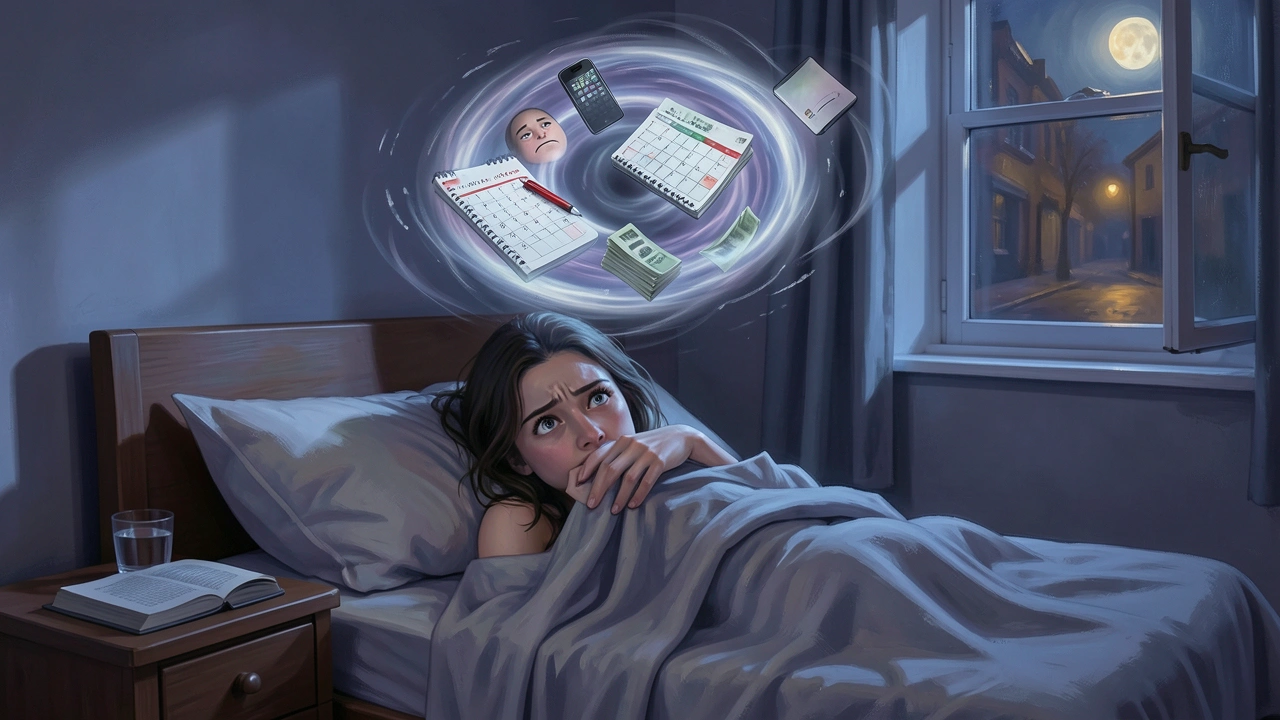
It’s super common to wonder why do I feel anxious when trying to sleep. Many people, especially when they’re just starting out with better sleep habits, find their minds buzzing right when they want to rest. It can feel frustrating when your body is tired but your brain won’t switch off.
Don’t worry, though. We’ll look at why this happens and then walk through easy steps to help you relax and get the sleep you need. Let’s figure this out together.
Why Do I Feel Anxious When Trying to Sleep? Exploring Common Causes
Many people find themselves asking, “Why do I feel anxious when trying to sleep?” This is a very common question because a lot of things can make us feel uneasy when we’re supposed to be winding down. Our minds might race with worries about the day past or the day ahead. Sometimes, it’s the quiet of the night that makes us notice thoughts we’ve been pushing away.
Physical discomfort can also play a part, making it hard to relax. This section will explore the most frequent reasons behind nighttime anxiety so you can start to understand what’s happening.
Racing Thoughts and Worry
When your head hits the pillow, and the distractions of the day fade away, your mind can start to race. This is especially true if you’ve had a busy or stressful day. You might find yourself replaying conversations, thinking about tasks you need to do, or worrying about things you can’t control.
This constant mental chatter can make it very difficult to relax and fall asleep. Your brain is still in “on” mode, processing information and generating thoughts, which can feel like anxiety because it’s preventing you from achieving a calm state.
These racing thoughts aren’t always about big problems. Sometimes, it’s the little things that stick in your mind. Did you forget to send that email?
What if that meeting doesn’t go well? These small worries can build up and create a sense of unease. Your brain might be trying to solve problems or prepare you for future challenges, but at the wrong time.
The quiet of the night amplifies these thoughts because there are fewer external stimuli to distract you.
-
Daily Stressors Carrying Over: Many of us carry the weight of our daily lives into bed. Work deadlines, personal relationships, financial concerns, and general life pressures can all surface when we’re trying to relax. Our minds may try to solve these problems during quiet time, leading to worry and anxiety instead of sleep.
-
Fear of Not Sleeping: Paradoxically, the more you worry about not sleeping, the harder it becomes to fall asleep. This creates a vicious cycle. You lie in bed, thinking, “I need to sleep,” or “What if I can’t sleep?” This anxiety about sleep itself can make you more alert and anxious, preventing the very sleep you desire.
-
Past Negative Experiences: If you’ve had nights where you struggled to sleep, your mind might anticipate a similar experience. This anticipation can lead to dread and anxiety when bedtime approaches. You might feel a sense of helplessness, thinking that you’re destined to have a bad night.
Physical Sensations and Discomfort
Sometimes, anxiety when trying to sleep isn’t just in your head; it shows up in your body. You might feel your heart beating faster, your muscles tensing up, or a general sense of restlessness. These physical feelings can be a direct result of stress hormones like adrenaline and cortisol.
When your body is under stress, it prepares you for action, which is the opposite of what you need for sleep. Feeling these physical signs can then make you more anxious, creating a loop where physical discomfort leads to mental worry, and mental worry amplifies physical discomfort.
It’s also possible that underlying physical conditions or simple discomforts are contributing to your nighttime anxiety. Things like an uncomfortable mattress, a room that’s too hot or too cold, or even indigestion can make it hard to settle down. Your body is signaling that something is not right, and your mind interprets this as a reason to be on alert.
Addressing these physical aspects can be a vital step in calming your mind and body enough to drift off to sleep.
-
Increased Heart Rate and Breathing: Stress hormones can cause your heart to beat faster and your breathing to become more shallow and rapid. This is your body’s fight-or-flight response kicking in, making you feel alert and uneasy. You might notice your pulse pounding in your ears or feel short of breath, which can be quite alarming when you’re trying to be still.
-
Muscle Tension: When we’re anxious, our muscles often tighten up. This can lead to aches and pains, especially in the neck, shoulders, and back. This physical discomfort makes it hard to find a comfortable position and can keep you feeling physically restless, contributing to a general sense of unease.
-
Digestive Issues: Stress and anxiety can wreak havoc on your digestive system. You might experience stomachaches, nausea, or indigestion. These uncomfortable physical sensations can make it difficult to relax and can also wake you up if you do manage to fall asleep, further increasing anxiety about sleep.
Environmental Factors
The space where you sleep plays a big role in how you feel. If your bedroom isn’t a calm and comfortable sanctuary, it can contribute to anxiety. Things like too much light, noise, or an uncomfortable temperature can disrupt your body’s natural sleep signals.
Your brain might be picking up on these cues and telling you that it’s not the right time or place to rest. Creating a peaceful sleep environment helps signal to your body and mind that it’s time to wind down.
Think about it: if your bedroom is noisy with traffic or loud neighbors, your brain has to work harder to filter that out. If it’s too bright, especially with blue light from screens, it tells your brain it’s still daytime. Even a stuffy or overly warm room can make you feel restless.
Making simple adjustments to your bedroom can make a significant difference in how easily you can relax and fall asleep, reducing the chances of feeling anxious.
-
Light Exposure: Even small amounts of light can interfere with your body’s production of melatonin, a hormone that helps you sleep. Blue light from electronic devices like phones, tablets, and computers is particularly disruptive. This light tells your brain it’s still daytime, making it harder to feel sleepy and more likely to feel anxious.
-
Noise Levels: Unfamiliar or sudden noises can jolt you awake or prevent you from falling asleep in the first place. Traffic, barking dogs, or even a creaky house can be enough to disrupt your sleep. This can lead to frustration and anxiety if you’re repeatedly woken up or can’t settle due to noise.
-
Temperature and Air Quality: A room that is too hot or too cold can make it difficult to sleep comfortably. Your body temperature naturally drops as you fall asleep, and a comfortable cool temperature aids this process. Poor air quality or a stuffy room can also make you feel restless and uneasy.
Understanding the Sleep Cycle and Anxiety
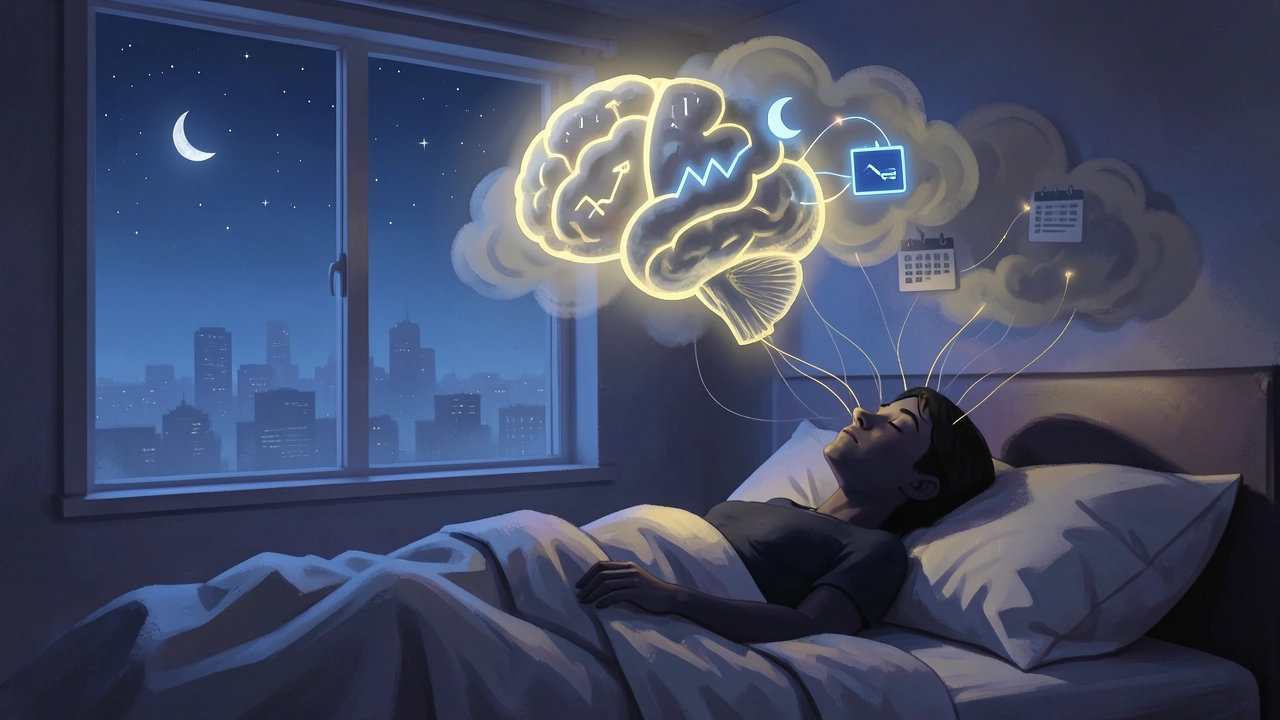
To truly understand why you feel anxious when trying to sleep, it helps to know a little about how sleep works. Our bodies follow a natural rhythm, often called a circadian rhythm, that tells us when to be awake and when to be asleep. This rhythm is influenced by light and darkness.
When it’s time for sleep, our bodies should naturally start to wind down, producing hormones that make us feel drowsy. Anxiety can disrupt this entire process. It’s like trying to put your car in park when it’s still trying to accelerate.
During the day, our bodies produce cortisol, a hormone that helps us stay alert. As evening approaches and it gets dark, cortisol levels should drop, and melatonin production should increase. This shift signals to our brain and body that it’s time to rest.
However, anxiety can keep cortisol levels high even when they should be falling. This means your body stays in a state of alertness, making it incredibly hard to relax and transition into sleep. It’s a biological mismatch that can leave you feeling wired but tired.
The Role of Cortisol and Melatonin
Cortisol is often called the “stress hormone.” It’s released by your adrenal glands and plays a key role in your body’s “fight or flight” response, helping you react to danger. While essential for survival, high cortisol levels at the wrong times can cause problems. Normally, cortisol levels are highest in the morning to help you wake up and gradually decrease throughout the day, reaching their lowest point around midnight.
This natural drop is crucial for allowing sleep to begin.
Melatonin, on the other hand, is known as the “sleep hormone.” Your brain produces it in response to darkness, signaling to your body that it’s time to sleep. The balance between cortisol and melatonin is delicate. When anxiety keeps cortisol levels elevated into the evening, it can suppress melatonin production.
This hormonal imbalance means your body isn’t getting the clear signals it needs to prepare for sleep. Instead, it remains in a state of readiness, contributing to that feeling of anxiety when trying to rest.
Here’s a simple comparison of their roles:
| Hormone | Primary Role | Normal Pattern at Night |
|---|---|---|
| Cortisol | Alertness, Stress Response | Decreases |
| Melatonin | Promotes Sleepiness | Increases |
When anxiety strikes at bedtime, this natural pattern gets disrupted. You might experience a surge in cortisol instead of a dip, and your melatonin levels might not rise as they should. This hormonal confusion is a major reason why do I feel anxious when trying to sleep.
Your body is essentially sending mixed signals – your mind is tired, but your hormones are telling you to be awake and alert.
Circadian Rhythms and Sleep Disruptions
Your circadian rhythm is like an internal clock that governs your sleep-wake cycle over a 24-hour period. It’s influenced by light and darkness, as well as other factors like meal times and social cues. When this rhythm is consistent, you naturally feel tired at night and awake during the day.
However, various things can disrupt these rhythms, leading to sleep problems and anxiety.
Irregular sleep schedules, shift work, jet lag, or even prolonged exposure to screens at night can throw your circadian rhythm out of whack. When your internal clock is confused, it’s harder for your body to signal that it’s time for sleep. This disruption can make you feel restless and anxious at bedtime because your body isn’t following its natural cues.
It’s like trying to run a program on a computer that’s been accidentally set to a different time zone; things just don’t sync up correctly.
-
Disrupted Light Exposure: Modern life often involves exposure to artificial light well into the night, especially from electronic devices. This exposure, particularly to blue light, tricks your brain into thinking it’s still daytime. Consequently, it delays melatonin release and shifts your internal clock, making it harder to fall asleep and increasing feelings of anxiety.
-
Inconsistent Sleep Schedules: Going to bed and waking up at different times each day, especially on weekends, can confuse your circadian rhythm. Your body doesn’t get a consistent cue for when to sleep and when to be alert. This inconsistency can lead to daytime sleepiness and nighttime wakefulness, fueling anxiety about sleep.
-
Travel and Shift Work: Crossing multiple time zones or working overnight shifts significantly disrupts your natural circadian rhythm. Your body’s internal clock is out of sync with the external environment, leading to significant sleep disturbances. This can manifest as difficulty falling asleep, waking up frequently, and a persistent feeling of anxiety or unease at bedtime.
Practical Steps to Reduce Sleep Anxiety
Now that we understand some of the reasons behind nighttime anxiety, let’s focus on what you can actually do about it. The good news is that there are many simple, practical steps you can take to calm your mind and body, making it easier to fall asleep. These aren’t complicated techniques; they are small changes to your routine and environment that can make a big difference.
We’ll cover creating a relaxing bedtime routine, improving your sleep environment, and simple relaxation methods that can help quiet your racing thoughts.
The goal is to signal to your brain and body that it’s time to transition from the busyness of the day to the restfulness of sleep. This often involves creating a buffer zone before you even get into bed. Think of it as preparing the stage for a peaceful night.
By consistently implementing these strategies, you can gradually reduce the anxiety you feel when trying to sleep, leading to more restful nights.
Creating a Relaxing Bedtime Routine
A consistent bedtime routine is like a gentle signal to your brain and body that it’s time to start winding down. It helps transition you from the active day to a state of rest. This routine should involve calm, soothing activities that you do in the hour or so before you plan to go to sleep.
The key is consistency; doing these things every night helps train your body to recognize that sleep is coming.
This routine should ideally exclude anything overly stimulating, like intense exercise or stressful conversations. Instead, focus on activities that promote relaxation and a sense of peace. Even small actions, when done regularly, can have a powerful cumulative effect on your ability to relax and fall asleep, reducing the anxiety associated with bedtime.
It’s about creating a predictable and comforting end to your day.
-
Establish a Consistent Sleep Schedule: Go to bed and wake up around the same time every day, even on weekends. This helps regulate your body’s internal clock (circadian rhythm), making it easier to fall asleep and wake up naturally. Consistency is key to training your body for predictable sleep patterns.
-
Wind-Down Activities: Dedicate 30-60 minutes before bed to relaxing activities. This could include reading a physical book, taking a warm bath, listening to calm music, or gentle stretching. These activities help to slow down your heart rate and quiet your mind.
-
Limit Screen Time: Avoid screens (phones, tablets, computers, TV) for at least an hour before bed. The blue light emitted from these devices can suppress melatonin production and trick your brain into thinking it’s still daytime, making it harder to fall asleep and increasing anxiety.
Optimizing Your Sleep Environment
Your bedroom should be a haven for sleep. Making small adjustments to your environment can significantly reduce the chances of external factors contributing to anxiety. The ideal sleep space is cool, dark, and quiet.
When your bedroom is set up to promote sleep, your body and mind can more easily relax and drift off.
Consider the temperature: a slightly cooler room is generally better for sleep. Make sure it’s as dark as possible; even small amounts of light can disrupt your sleep. And if noise is an issue, think about ways to minimize it, such as earplugs or a white noise machine.
These simple environmental changes can make a big difference in how you feel when you lie down to sleep.
-
Keep it Dark: Use blackout curtains or an eye mask to ensure your room is as dark as possible. Even minimal light can interfere with melatonin production. Ensure no electronic devices have bright indicator lights.
-
Maintain a Cool Temperature: The ideal temperature for sleep is generally between 60-67 degrees Fahrenheit (15-19 degrees Celsius). A cooler room helps your body temperature drop, which is a natural part of the sleep process.
-
Reduce Noise: If your environment is noisy, consider using earplugs, a fan, or a white noise machine to create a consistent, soothing sound backdrop. This can help mask sudden or disruptive noises that might otherwise wake you or keep you on edge.
Simple Relaxation Techniques
When your mind is racing, employing specific relaxation techniques can help to calm your nervous system. These are simple exercises you can do right there in bed. They focus on bringing your attention away from anxious thoughts and towards your body and breath, which can create a profound sense of calm.
Practicing these regularly can make them more effective over time.
The goal of these techniques is to interrupt the anxiety cycle. By focusing your attention elsewhere, you give your mind a break from worrying. This can help to lower your heart rate, relax your muscles, and signal to your body that it’s safe to rest.
Even just a few minutes of focused practice can make a noticeable difference in how you feel as you try to fall asleep.
-
Deep Breathing Exercises: Focus on slow, deep breaths. Inhale deeply through your nose, feeling your belly rise, and exhale slowly through your mouth. This simple act can trigger the body’s relaxation response, lowering heart rate and reducing stress.
-
Progressive Muscle Relaxation (PMR): This technique involves tensing and then releasing different muscle groups in your body. Starting with your toes and working your way up, you systematically release physical tension. This helps you become more aware of where you hold stress in your body and how to let it go.
-
Mindfulness and Body Scan: Gently bring your awareness to different parts of your body without judgment. Notice any sensations – warmth, coolness, tingling, or pressure. This practice helps ground you in the present moment, distracting from anxious thoughts about the past or future.
When to Seek Professional Help
While many people experience occasional anxiety around sleep, there are times when it becomes persistent and significantly impacts your quality of life. If you’ve tried various self-help strategies and still find yourself struggling, it might be time to consider seeking professional guidance. A doctor or therapist can help you identify underlying causes and develop a personalized plan to address your sleep anxiety.
Don’t hesitate to reach out for help if sleep anxiety is affecting your daily functioning, mood, or overall health. Professionals have a range of tools and therapies that can be very effective. They can help you understand the root of your anxiety and provide strategies that go beyond basic self-care, offering a path towards more consistent and restful sleep.
Remember, seeking help is a sign of strength and a commitment to your well-being.
Recognizing Persistent Anxiety
It’s important to recognize when sleep anxiety crosses the line from occasional worry to a more serious issue. If you consistently find yourself dreading bedtime, lying awake for hours feeling anxious, or experiencing significant distress about sleep, it’s a signal that you might need more support. This persistent anxiety can take a toll on your mental and physical health, affecting your energy levels, concentration, and mood during the day.
Think about how often this is happening. Is it a rare occurrence, or is it a nightly struggle? Are the anxious thoughts preventing you from falling asleep more often than not?
If the answer to these questions leans towards “often” or “very often,” it’s a strong indicator that the anxiety is persistent and warrants professional attention. Don’t minimize how much this is affecting you.
-
Impact on Daily Life: If your sleep anxiety is causing significant daytime fatigue, irritability, difficulty concentrating, or a reduced ability to enjoy activities, it’s impacting your daily life. This is a key indicator that professional help is needed.
-
Constant Worry About Sleep: When the anxiety about sleep becomes a constant presence, occupying your thoughts even when you’re not trying to sleep, it’s a sign of a deeper issue. This can feel like a relentless cycle of worry that is hard to break on your own.
-
Difficulty Implementing Self-Help Strategies: If you’ve consistently tried self-help techniques without any noticeable improvement, it suggests that the underlying causes of your anxiety may require a more targeted approach from a professional.
When to Consult a Doctor or Therapist
A doctor can help rule out any underlying physical conditions that might be contributing to your anxiety and sleep problems. Sometimes, issues like restless leg syndrome, sleep apnea, or even hormonal imbalances can manifest as anxiety at night. Your doctor can perform examinations or order tests to identify and treat these physical causes, which can significantly improve your sleep.
A therapist, particularly one specializing in sleep disorders or cognitive behavioral therapy for insomnia (CBT-I), can provide tools and strategies to manage the psychological aspects of sleep anxiety. CBT-I, for example, focuses on changing negative thought patterns and behaviors that interfere with sleep. They can help you develop coping mechanisms for racing thoughts, address fears related to sleep, and build a healthier relationship with sleep itself.
Here are some specific situations when seeking professional help is recommended:
-
If sleep problems last for more than a few weeks and are significantly disrupting your life.
-
If you experience extreme daytime sleepiness that affects your work, relationships, or safety (e.g., while driving).
-
If you suspect an underlying medical condition might be contributing to your sleep issues.
-
If your anxiety is severe and you are having thoughts of harming yourself.
Summary
Feeling anxious when trying to sleep is a common challenge. Understanding the causes, from racing thoughts to environmental factors, is the first step. By creating a relaxing routine, optimizing your bedroom, and using simple relaxation techniques, you can significantly reduce nighttime anxiety and improve your sleep.
If the problem persists, don’t hesitate to seek professional help for personalized support.
Frequently Asked Questions
Question: Why does my mind race when I try to sleep?
Answer: Your mind might race because the quiet of the night allows worries from the day to surface. Stress hormones can also keep your brain alert, making it hard to switch off and leading to a stream of thoughts.
Question: Can a bad sleep environment cause anxiety?
Answer: Yes, an uncomfortable sleep environment, like a room that is too bright, noisy, or hot, can make it hard to relax. This physical discomfort can trigger a sense of unease or anxiety, preventing you from settling down for sleep.
Question: What is the role of stress hormones in sleep anxiety?
Answer: Stress hormones like cortisol are designed to keep you alert. When they remain high into the evening due to anxiety, they interfere with the natural drop in alertness needed for sleep, making it difficult to relax and leading to feelings of anxiety.
Question: How can I make my bedroom more conducive to sleep?
Answer: Make your bedroom dark, quiet, and cool. Use blackout curtains, earplugs if needed, and keep the temperature between 60-67 degrees Fahrenheit. This creates an optimal environment for your body and mind to relax.
Question: Is it okay to use my phone before bed?
Answer: It’s generally not recommended to use your phone right before bed. The blue light from screens can trick your brain into thinking it’s still daytime, delaying melatonin production and making it harder to fall asleep, potentially increasing anxiety.
Wrap Up
When you wonder why do I feel anxious when trying to sleep, remember it’s a common experience. By understanding how stress, your environment, and natural body rhythms play a role, you can take control. Simple steps like a calm routine and a peaceful room help quiet your mind.
Start with these easy changes to enjoy more restful nights.
Leave a Reply