
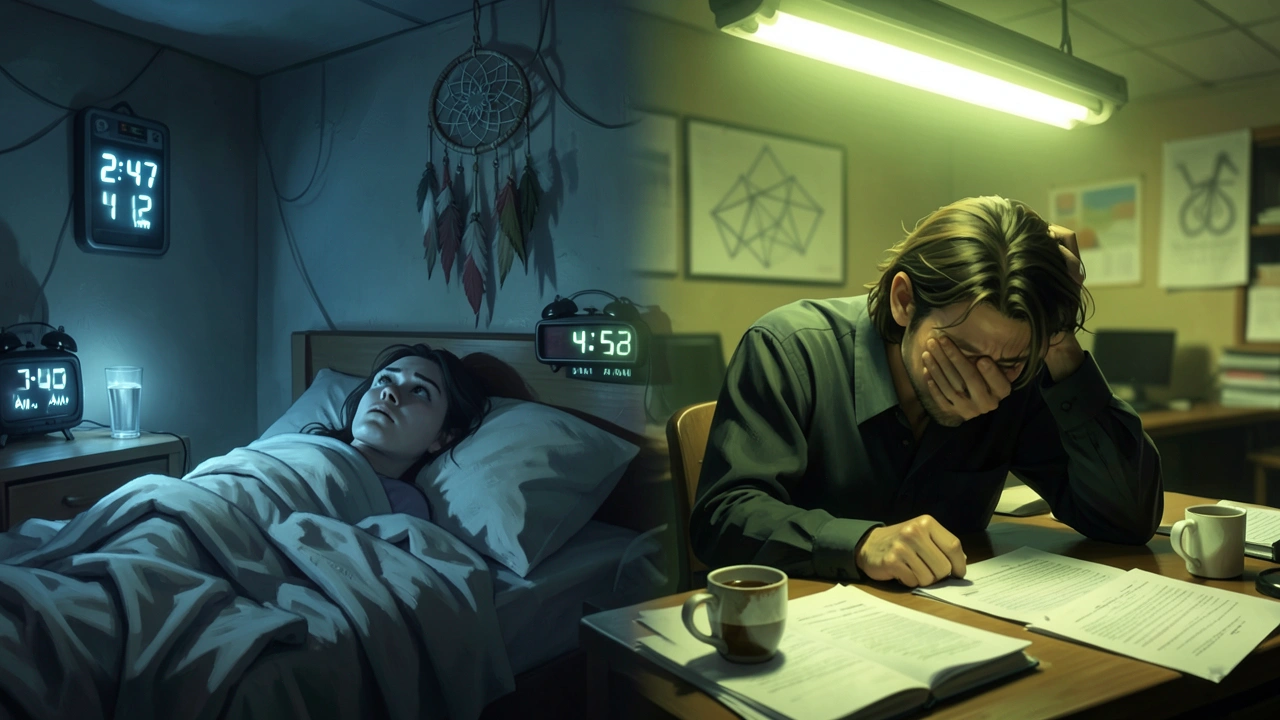
It’s super common to wonder, “why do i feel sleepy all day but awake at night?” Many folks, especially when they’re new to managing their sleep, find this pattern really confusing. It feels like your body’s clock is a bit out of sync, and that can be frustrating. Don’t worry, though!
We’ll break down what might be happening in a super simple way. We’ll look at common reasons and then show you easy steps to help you feel better. Get ready to learn how to get your sleep back on track.
Understanding Sleep Patterns
This section helps you get a handle on why your sleep schedule might feel mixed up. We’ll talk about how our bodies naturally want to sleep and wake up and what can mess with that. It’s like figuring out how a clock works before you can fix it when it’s running slow or fast.
By understanding these basics, you’ll start to see why you might be feeling this way.
The Body’s Natural Clock
Your body has a built-in timer called a circadian rhythm. This rhythm tells you when to feel awake and when to feel tired. It’s mostly controlled by light.
When it’s dark, your body makes a hormone called melatonin, which helps you sleep. When it’s light, melatonin goes down, and you feel more alert.
This internal clock is usually set by the sun. Our bodies have evolved over millions of years to follow this pattern. This is why most people feel sleepy when it gets dark and wake up with the sun.
Sometimes, this natural rhythm gets out of whack. This can happen for many reasons, like working different shifts, traveling across time zones, or even just looking at screens late at night. When your body’s clock is confused, it can lead to feeling tired during the day and then wide awake when you should be sleeping.
How Light Affects Sleep
Light is a very powerful signal for your body’s sleep clock. Natural sunlight, especially in the morning, tells your body it’s time to wake up. It suppresses melatonin production.
On the other hand, dim light in the evening signals that it’s time to wind down. This allows melatonin levels to rise, preparing you for sleep.
Modern life often messes with this. Bright artificial lights, especially the blue light from phones, tablets, and computers, can trick your brain into thinking it’s still daytime. This can delay melatonin release and make it harder to fall asleep at night.
Exposure to bright light too late in the evening is a major reason many people struggle with sleep. It can shift your body’s clock, making you feel less sleepy at bedtime and more tired the next day.
Common Causes for Sleep Disturbances
Lots of things can make you feel sleepy all day and awake at night. It’s not just one thing, but a mix of habits and your environment. In this part, we’ll look at some of the most common culprits.
Knowing these can help you spot what might be affecting you.
Lifestyle Habits
What you do during the day and evening really matters for your sleep. Things like when you eat, when you exercise, and what you drink can have a big impact.
For instance, having large meals or caffeine late in the day can keep you alert. Nicotine is also a stimulant that can interfere with sleep. Even too much fluid intake before bed can lead to waking up to use the bathroom.
Exercise is usually good for sleep, but if you do very intense workouts right before bed, it can energize you instead of helping you relax.
Regularity is key. Eating, sleeping, and waking up at different times each day can confuse your body’s internal clock. This makes it harder to establish a consistent sleep-wake cycle.
Caffeine and Nicotine
Caffeine is a stimulant found in coffee, tea, soda, and chocolate. It works by blocking a chemical in your brain that makes you feel tired. This can help you feel more awake during the day, but if consumed too late, it can prevent you from falling asleep at night.
Nicotine, found in tobacco products, is also a stimulant. It can increase alertness and interfere with deep sleep. Many people who smoke may find it harder to get restful sleep.
The effects of caffeine can last for several hours. Experts often suggest avoiding caffeine for at least six hours before bedtime. Nicotine’s effects can also linger, making sleep more difficult.
These substances can create a cycle where you feel tired during the day because you didn’t sleep well, so you consume more caffeine, which then makes it harder to sleep at night.
Irregular Sleep Schedules
Our bodies thrive on routine. When you have an irregular sleep schedule, you’re essentially telling your body clock to ignore the natural cues of day and night. This can lead to what’s sometimes called “social jetlag,” where your sleep schedule on weekends is very different from your weekday schedule.
Imagine your body is a well-tuned instrument. If you play random notes, it doesn’t sound right. Similarly, if you sleep at different times each night, your body gets confused about when it’s supposed to rest and when it’s supposed to be active.
This inconsistency can result in feeling groggy and less productive during the day, while paradoxically feeling wide awake when it’s time to hit the pillow. It makes it harder to fall asleep quickly and stay asleep through the night.
Consistency, even on days off, can significantly help reset your body’s natural rhythm and improve sleep quality.
Environmental Factors
Your bedroom should be a sanctuary for sleep. Things in your environment, like light, noise, and temperature, play a huge role.
If your room is too bright, it can stop your body from producing melatonin. Loud noises can wake you up, even if you don’t fully remember it. A room that’s too hot or too cold can also make it hard to sleep soundly.
Think of your bedroom as a cave – dark, quiet, and cool. This is the ideal setting for your body to signal that it’s time for deep rest.
Small changes in your sleep space can make a big difference in how well you sleep and how you feel the next day.
Bedroom Light
Even small amounts of light can disrupt your sleep. This includes light from electronics, streetlights outside your window, or even a digital clock. This light can trick your brain into thinking it’s still daytime.
Your body produces melatonin, a hormone that helps you sleep, in the dark. When exposed to light, melatonin production decreases, making it harder to feel sleepy.
Using blackout curtains can be very helpful. They block out external light sources. Also, turning off or covering any electronic devices that emit light in your bedroom can create a darker, more sleep-friendly environment.
Consider wearing a comfortable eye mask if you can’t fully darken your room. The goal is to create a consistently dark environment for at least 7-8 hours each night.
Noise Levels
Sudden or loud noises can easily disrupt your sleep, even if you don’t fully wake up. These disruptions can prevent you from entering deeper, more restorative stages of sleep.
Things like traffic noise, barking dogs, or loud neighbors can be common culprits. Even the hum of a fan can be bothersome for some people.
To combat this, consider using earplugs. They are a simple and effective way to block out disruptive sounds. Another option is a white noise machine or a fan.
White noise can create a consistent, soothing sound that masks other distracting noises. This can help you fall asleep faster and stay asleep without being jolted awake by sudden sounds.
Bedroom Temperature
The ideal temperature for sleep is generally cooler than you might think. Most experts recommend a temperature between 60-67 degrees Fahrenheit (15-19 degrees Celsius).
When your body gets too warm or too cold, it has to work harder to regulate its temperature. This can lead to restlessness and frequent awakenings during the night.
A cooler room helps your body’s core temperature drop, which is a natural signal for sleep. This can lead to more consistent and deeper sleep.
Adjusting your thermostat before bed, using fans, or choosing lighter or heavier bedding can help you find the perfect temperature for a good night’s sleep.
Mental and Emotional Factors
Your thoughts and feelings can have a surprisingly big effect on your sleep. When your mind is racing, it’s hard to switch off and relax.
Stress, worry, or excitement can all keep you awake. If you’re thinking about problems from the day or things you need to do tomorrow, your brain stays active.
This is why learning to calm your mind before bed is so important. It helps signal to your body that it’s time to rest, not to worry.
Let’s explore some of these mental and emotional influences.
Stress and Anxiety
When you’re stressed or anxious, your body releases hormones like cortisol and adrenaline. These hormones are designed to help you deal with danger, but they make it very hard to relax and fall asleep.
Your mind might race, replaying worries or jumping from one concern to the next. This mental overactivity is the opposite of what you need for sleep.
This can create a vicious cycle: you can’t sleep because you’re stressed, and you become more stressed because you can’t sleep.
Finding ways to manage stress during the day and before bed is key. This could involve relaxation techniques, mindfulness, or talking to someone about your worries.
Worrying About Sleep Itself
It sounds odd, but worrying about not sleeping can actually make you sleep less. This is often called “sleep anxiety.”
If you lie in bed thinking, “I’m never going to fall asleep,” or “I need to get at least X hours of sleep,” your anxiety increases. This makes it even harder to drift off.
Your mind becomes hyper-aware of every second passing and every sound. This focus on sleep itself keeps you from naturally falling into it.
It’s helpful to try and shift your focus. Instead of thinking about getting sleep, focus on relaxation. If you can’t sleep after about 20 minutes, it’s often better to get out of bed and do something quiet and relaxing in dim light until you feel sleepy.
Simple Steps to Fix Your Sleep Schedule
Now that we know some of the common reasons why you might be feeling sleepy all day but awake at night, let’s look at some easy fixes. These are simple changes you can make to help your body’s clock get back on track.
Establishing a Consistent Routine
The most powerful tool you have is consistency. Try to go to bed and wake up around the same time every single day, even on weekends.
This helps to regulate your body’s internal clock, also known as your circadian rhythm. When your body knows what to expect, it can better prepare itself for sleep and wakefulness.
Think of it like setting a reliable alarm for your body. Over time, it will learn to follow this schedule naturally. This consistency is more important than the exact number of hours you sleep.
Even if you have a bad night, sticking to your regular wake-up time the next day can help get you back on track.
Bedtime Routine
Create a relaxing routine in the hour before bed. This signals to your brain and body that it’s time to wind down.
Activities could include reading a physical book (not on a screen), taking a warm bath, listening to calm music, or doing some light stretching. Avoid anything too stimulating, like intense conversations or work.
The key is to make this routine predictable and enjoyable. It should be a time to transition from the busyness of the day to the calm of the night.
The goal is to create a clear separation between your waking life and your sleep time. This ritual helps prepare your mind and body for rest.
Wake-Up Routine
Just as important as a bedtime routine is a morning wake-up routine. This helps you feel more alert and ready for the day.
As soon as you wake up, try to expose yourself to natural light. Open your curtains or step outside for a few minutes. This helps reset your circadian rhythm.
Engaging in a simple activity, like drinking a glass of water or doing some light stretching, can also signal the start of the day to your body.
Having a consistent morning routine can make a big difference in how you feel throughout the day, combating that sleepy feeling.
Optimizing Your Sleep Environment
Making your bedroom a peaceful place for sleep can make a huge difference. We talked about this before, but it’s worth repeating because it’s so important.
Your bedroom should be dark, quiet, and cool. These conditions help your body naturally produce melatonin and signal that it’s time to rest.
Think about small changes you can make. Maybe it’s getting blackout curtains or investing in some good earplugs. Even a small adjustment can lead to better sleep.
A well-optimized sleep environment helps you fall asleep faster and stay asleep longer, leading to feeling more rested.
Darkness
As mentioned, darkness is crucial for melatonin production. Even minimal light can interfere with this process.
Ensure your bedroom is as dark as possible. Consider using blackout curtains to block out streetlights or early morning sun. Cover any electronic devices that emit light, or remove them from the bedroom altogether.
An eye mask can be a simple yet effective solution if you can’t completely darken your room. The goal is to create an environment that mimics nighttime.
When your body is in complete darkness, it understands it’s time to initiate sleep. This signals your brain to produce sleep-promoting hormones.
Quiet
Noise can be a major sleep disruptor. Even sounds that don’t fully wake you can disturb the quality of your sleep.
If external noise is an issue, consider using earplugs. For some, a white noise machine or a fan can be helpful.
White noise creates a constant, soothing sound that masks other sudden or irritating noises. This can create a more peaceful auditory environment for sleep.
The aim is to create an uninterrupted auditory space. This allows your brain to relax and enter deeper sleep stages without external disturbances.
Cool Temperature
A cool room is generally better for sleep. Your body’s core temperature naturally drops as you prepare to sleep.
A room temperature between 60-67°F (15-19°C) is often recommended. If your bedroom tends to get warm, use fans or open a window (if it’s quiet outside).
Adjusting your bedding can also help. Lighter blankets in warmer months and heavier ones in cooler months can maintain a comfortable temperature.
Maintaining this cool environment helps your body signal that it’s time to rest, promoting more continuous and refreshing sleep.
Managing Light Exposure
Light is your body’s main cue for sleep and wakefulness. Managing when and how you’re exposed to light is very important.
Getting bright light, especially sunlight, early in the morning helps set your body clock. This makes you feel more awake during the day and more tired at night.
In the evening, you want to reduce bright light exposure. This allows your body to start producing melatonin, the sleep hormone.
Making smart choices about light can significantly improve your sleep patterns.
Morning Light Exposure
Exposing yourself to natural light soon after waking up is one of the most effective ways to signal to your body that it’s time to be alert.
This morning light exposure helps to suppress melatonin production and promote wakefulness. It also helps to anchor your circadian rhythm, making it more robust.
Even on cloudy days, outdoor light is much stronger than indoor light. Try to spend at least 10-15 minutes outside in the morning. If that’s not possible, sitting near a bright window can also help.
This simple habit can make a big difference in how alert you feel during the day and how easily you fall asleep at night.
Evening Light Reduction
In the hours leading up to bedtime, it’s important to dim the lights. Bright lights, especially blue light emitted from electronic screens, can trick your brain into thinking it’s still daytime.
This delays the release of melatonin, making it harder to fall asleep. Try to avoid screens for at least an hour or two before bed. If you must use them, consider using blue light filters or night mode settings.
Use dimmer, warmer light sources in your home during the evening. This helps your body naturally start producing melatonin.
This reduction in light exposure signals to your body that it’s time to wind down and prepare for sleep.
Diet and Exercise Timing
What you eat and when you exercise can greatly influence your sleep. Making smart choices about these activities can help you feel more energetic during the day and sleepier at night.
It’s all about timing. Certain foods and drinks can keep you awake, while regular exercise can promote better sleep.
Let’s look at how timing matters for these daily habits.
Avoiding Stimulants Before Bed
Stimulants like caffeine and nicotine can linger in your system for hours and disrupt sleep. Caffeine is found in coffee, tea, soda, and chocolate. Nicotine is in tobacco products.
Even though they might make you feel more alert during the day, consuming them too close to bedtime can prevent you from falling asleep and lead to fragmented sleep.
Experts suggest avoiding caffeine at least six hours before bed. For nicotine, avoiding it close to bedtime is also recommended.
Replacing these with calming drinks like herbal tea can be a good strategy. This helps your body wind down naturally.
Timing of Meals
Eating heavy meals or spicy foods close to bedtime can cause indigestion and discomfort, making it harder to fall asleep.
Your body needs time to digest food before you lie down. Try to finish your last large meal at least two to three hours before you plan to sleep.
If you get hungry before bed, a light, easily digestible snack, like a small bowl of oatmeal or a banana, is usually fine.
This allows your digestive system to rest while you sleep, promoting more comfortable and uninterrupted rest.
Exercise and Sleep
Regular physical activity can greatly improve sleep quality. However, the timing of your exercise matters.
While exercising too close to bedtime can be too stimulating for some, moderate exercise earlier in the day or late afternoon can actually help you fall asleep faster.
It helps to release endorphins, which can improve mood, and it can also help regulate your body temperature in a way that promotes sleep.
The key is to find a balance that works for you. Aim for regular exercise without making it so intense or so close to bedtime that it interferes with your ability to relax.
When to Seek Professional Help
For most people, the advice we’ve discussed can make a big difference. But sometimes, feeling sleepy all day but awake at night can be a sign of something more serious.
If you’ve tried these tips and still struggle, or if your sleep problems are affecting your daily life a lot, it’s a good idea to talk to a doctor. They can help figure out if there’s an underlying issue.
Don’t hesitate to reach out for help if you need it. Getting good sleep is important for your health and well-being.
Persistent Sleep Issues
If you consistently have trouble falling asleep or staying asleep, even after trying lifestyle changes, it’s time to consider professional advice. Persistent insomnia can be exhausting and impact your overall health.
This could include difficulty initiating sleep, frequent awakenings, or waking up too early and not being able to fall back asleep.
These issues might be symptoms of underlying conditions that require medical attention. Ignoring them can lead to chronic fatigue and other health problems.
A doctor can help identify the root cause and suggest appropriate treatments.
Underlying Medical Conditions
Sometimes, sleep disturbances are linked to other health problems. Conditions like sleep apnea, restless legs syndrome, or even thyroid issues can cause significant sleep problems.
Sleep apnea, for example, causes breathing to repeatedly stop and start during sleep, leading to poor sleep quality and daytime sleepiness. Restless legs syndrome causes an uncomfortable urge to move your legs, making it hard to relax and sleep.
Mental health conditions like depression and anxiety can also heavily influence sleep patterns. Stress hormones can keep you awake and anxious.
A medical professional can perform tests and evaluations to diagnose these conditions and recommend the right treatment plan to improve your sleep.
Frequently Asked Questions
Question: Why do I feel so tired during the day but can’t sleep at night?
Answer: This often happens because your body’s internal clock, called the circadian rhythm, is out of sync. Things like irregular sleep schedules, too much light exposure at night, or stress can confuse your body, making you feel sleepy when you should be awake and awake when you should be asleep.
Question: Is it normal to feel sleepy all day but awake at night?
Answer: While it’s a common problem many people face, it’s not necessarily ideal for your health. It often signals that your sleep-wake cycle needs some adjustment, usually due to lifestyle or environmental factors.
Question: What are the best things to do to fix my sleep schedule?
Answer: The most effective steps involve creating a consistent sleep schedule by going to bed and waking up around the same time daily. Also, optimize your bedroom for sleep by making it dark, quiet, and cool, and manage your light exposure by getting morning sun and dimming lights at night.
Question: How long does it take to fix a messed-up sleep schedule?
Answer: It can vary, but with consistent effort, many people start to see improvements within a few weeks. Sticking to your new routines, even when it’s tough, is key to resetting your body’s clock.
Question: Should I worry if I always feel tired?
Answer: Feeling tired all the time can be a sign that something isn’t right. While lifestyle changes can help, persistent fatigue might indicate an underlying medical condition, so it’s a good idea to talk to a doctor if you’re concerned.
Summary
Feeling sleepy all day but awake at night is a common puzzle. It often comes down to your body’s natural clock being a bit off. By making small, consistent changes to your daily routine, sleep environment, and light exposure, you can guide your body back to a healthier sleep pattern.
Leave a Reply