
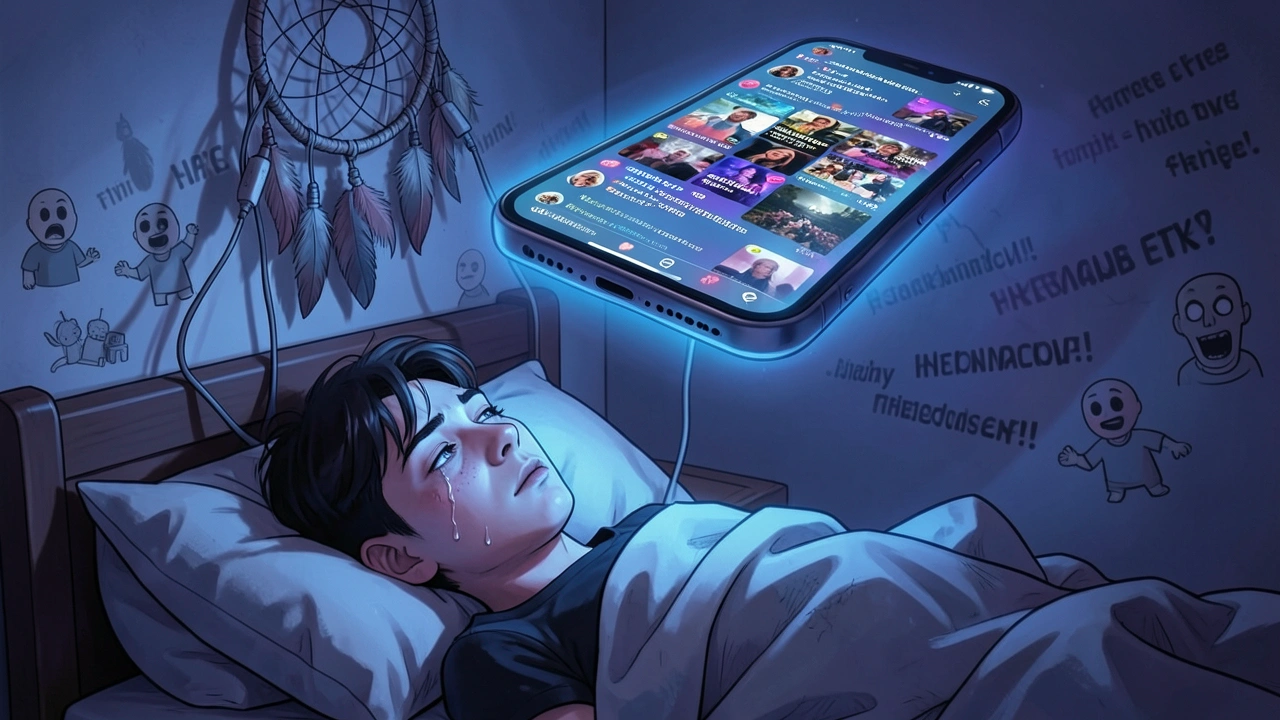
It can feel a bit confusing when you hear people asking why gen z sleep problems increasing. There are lots of reasons why getting good sleep might be tricky these days, and it can seem like a lot to figure out at first. But don’t worry!
We’re going to look at this step by step, making it super simple to grasp. Get ready to learn what’s happening and how to make things better, starting with some common reasons why sleep can be tough.
Understanding Why Gen Z Sleep Problems Are Increasing
This part talks about the main reasons why young people today seem to be having more trouble sleeping. We’ll look at how daily habits, the things they see and do, and even how their brains work can all play a role in sleep issues. The goal here is to get a clear picture of the common challenges that lead to sleep problems for many in this age group.
We will explore what these challenges look like in real life and how they can affect someone’s rest.
Screen Time and Sleep
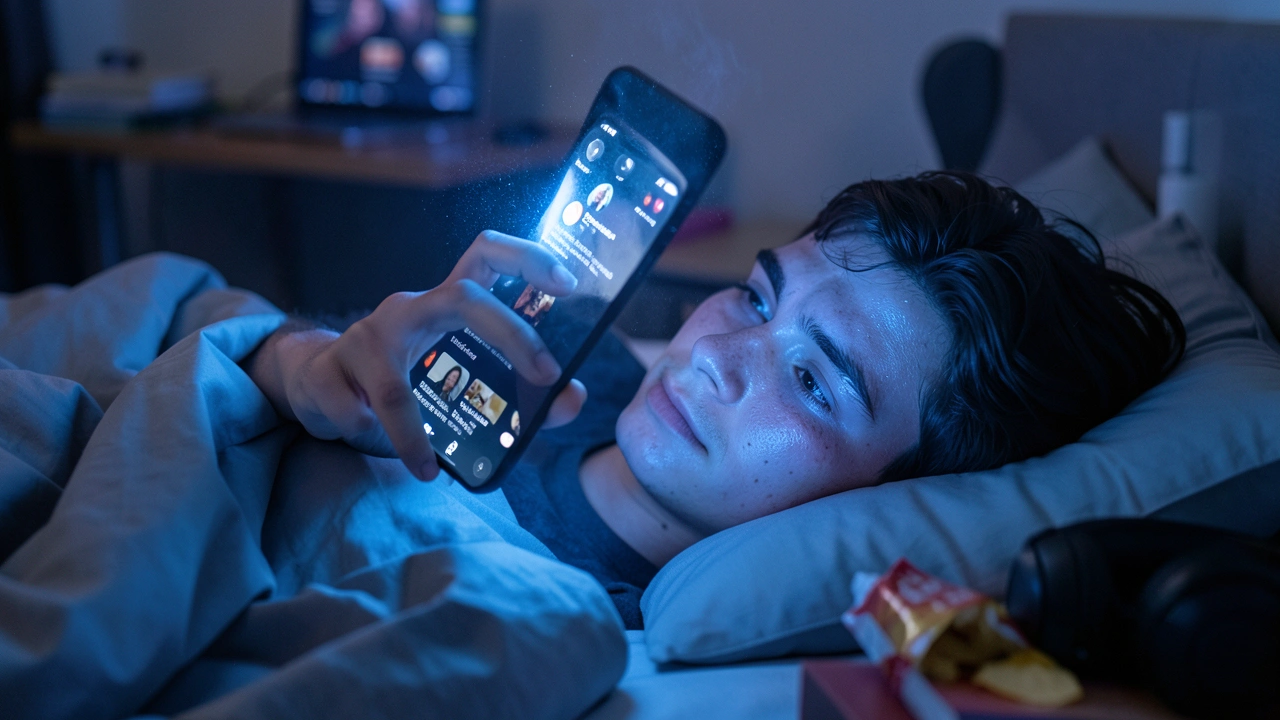
One of the biggest things affecting sleep for many young people is the amount of time they spend looking at screens. Phones, tablets, computers, and TVs all give off a type of light called blue light. This blue light can trick your brain into thinking it’s still daytime, even when it’s time to go to sleep.
This makes it harder to fall asleep and can also make your sleep less restful. It’s like your body’s natural sleep clock gets a little mixed up.
- The Effect of Blue Light: Blue light is a part of the visible light spectrum. When your eyes are exposed to it, especially at night, it signals to your brain that it’s still daylight. This signals the pineal gland to stop producing melatonin, a hormone that helps regulate sleep. So, when you’re scrolling through social media or watching videos late at night, the blue light from the screen can delay the release of melatonin, making it harder to feel sleepy. This disruption to your natural circadian rhythm can lead to insomnia and poor sleep quality.
- Constant Engagement: Beyond the light itself, the content on screens is often designed to be engaging. Social media feeds, video games, and streaming services are made to keep you hooked. This mental stimulation, even if it’s not stressful, can keep your mind active and alert when it should be winding down. Your brain is processing information, reacting to notifications, or following a storyline, which is the opposite of what you need to do to prepare for sleep. This makes it hard to switch off your thoughts and relax enough to drift off to sleep.
- Fear of Missing Out (FOMO): Many young people feel pressure to always be connected and aware of what’s happening online. This fear of missing out can lead to checking phones frequently, even during times when they should be resting. This constant checking, driven by anxiety, further disrupts sleep patterns. The urge to respond to messages or see new posts can override the need for sleep, creating a cycle of late nights and tired mornings. This anxiety about missing out is a significant psychological factor contributing to sleep issues.
Many studies show how screen time impacts sleep. For instance, a report by the National Sleep Foundation found that teenagers who used electronic devices for more than two hours before bed took longer to fall asleep and reported poorer sleep quality compared to those who limited screen use. This highlights a direct link between late-night screen habits and disturbed sleep patterns in younger populations.
Stress and Anxiety’s Role
Another major factor is how much stress and worry young people often experience. School, social pressures, and worries about the future can all pile up. When you’re stressed, your body releases hormones like cortisol, which can keep you alert and make it hard to relax.
This constant state of worry can make falling asleep feel impossible, as your mind races with thoughts.
Social Media and Sleep Schedules
The way social media works can also mess with sleep. Many people stay up late talking to friends online or scrolling through feeds. This can push bedtime later and later, shortening the total amount of sleep they get.
Waking up tired the next day can make it hard to focus, which then adds more stress, creating a cycle.
Sample Scenario: The Late-Night Scroll
- Sarah finishes her homework around 10 PM. Instead of getting ready for bed, she picks up her phone to check her messages.
- She sees a notification from a friend and starts chatting. This leads to looking at other friends’ posts, then watching a few short videos.
- Before she knows it, it’s 1 AM. Sarah feels tired but also a bit anxious about how late it is. She finally puts her phone down but struggles to fall asleep because her mind is still buzzing from everything she saw and did online.
The Impact of Caffeine and Diet
What people eat and drink can also affect their sleep. Things like energy drinks, soda, and even chocolate contain caffeine, which is a stimulant. If consumed too close to bedtime, caffeine can make it very hard to fall asleep.
Also, eating heavy meals or sugary snacks right before bed can cause discomfort and disrupt the digestive process, making restful sleep more difficult.
- Caffeine’s Lingering Effects: Caffeine is a widely consumed substance known for its ability to increase alertness. However, its effects can last for several hours in the body. For example, consuming a caffeinated beverage at 7 PM might still mean a significant amount of caffeine is active in your system by 11 PM or even later. This stimulant can block adenosine, a chemical that builds up in your brain throughout the day and promotes sleepiness. By blocking adenosine, caffeine keeps you feeling awake and alert when your body is naturally trying to prepare for rest. This makes it challenging to initiate sleep and can lead to fragmented sleep.
- Sugar and Sleep Quality: Sugary foods and drinks can cause rapid spikes and crashes in blood sugar levels. A surge in blood sugar followed by a sharp drop can lead to waking up during the night, feeling restless, or experiencing a less deep and restorative sleep. For example, having a large sugary dessert before bed might result in your blood sugar peaking, leading to a burst of energy or discomfort, followed by a crash that might wake you up as your body tries to rebalance itself. This disruption prevents the body from entering the deeper stages of sleep needed for physical and mental recovery.
- Late-Night Eating Habits: Eating large meals close to bedtime can also interfere with sleep. Your body needs to digest food, and doing so when you’re trying to sleep can cause indigestion, heartburn, or general discomfort. This physical distress makes it difficult to find a comfortable position and relax into sleep. For instance, if you eat a heavy, fatty meal at 10 PM and try to sleep at 10:30 PM, your digestive system will be working overtime, making it hard to achieve peaceful slumber.
Why Gen Z Sleep Problems Increasing Due to Lifestyle Factors
This section explores how the everyday choices and routines of young people contribute to sleep issues. It covers things like irregular sleep schedules, lack of physical activity, and the general fast pace of modern life. We’ll look at how these lifestyle choices can disrupt natural sleep patterns and make it harder to get the rest needed for good health and well-being.
Irregular Sleep Schedules
One of the most common lifestyle factors affecting sleep is an inconsistent sleep schedule. Many young people stay up late on weekends or holidays and then try to catch up on sleep, while weekdays might involve early mornings for school or work. This constant shifting of sleep and wake times can confuse the body’s internal clock, known as the circadian rhythm.
- Disrupting the Circadian Rhythm: Our bodies have an internal 24-hour clock that tells us when to be awake and when to sleep. This clock is influenced by light and other environmental cues. When sleep times are inconsistent, this clock gets thrown off. For example, sleeping in until noon on Saturday and then having to wake up at 6 AM on Monday creates a significant mismatch. This is similar to the effects of jet lag, making it harder to fall asleep at the desired time and leading to daytime sleepiness.
- Weekend Catch-Up Effect: While it might feel good to sleep in on weekends, this practice can actually worsen sleep problems. The extended sleep on weekends can shift your internal clock, making it harder to fall asleep on Sunday night. This leads to a cycle where you’re tired on weekdays, then oversleep on weekends, perpetuating the problem. It creates a persistent state of social jet lag, where your sleep schedule is out of sync with societal demands.
- Impact on Alertness and Mood: An irregular sleep schedule doesn’t just affect sleep duration; it also impacts daytime functioning. When your sleep is inconsistent, you’re more likely to feel groggy, have trouble concentrating, and experience mood swings. This can affect performance in school or at work and can also lead to increased irritability and stress, further compounding sleep difficulties.
Lack of Physical Activity
Not getting enough physical exercise can also contribute to sleep problems. While intense exercise right before bed can be disruptive, regular physical activity during the day can significantly improve sleep quality. Exercise helps reduce stress and anxiety, and it can also help regulate the body’s internal clock, making it easier to fall asleep and stay asleep.
Environmental Factors in the Bedroom
The environment where you sleep plays a big part too. A bedroom that is too bright, too noisy, or too warm can make it hard to get good sleep. Even small disturbances, like a light from a phone charger or streetlights coming through the window, can disrupt sleep cycles.
Creating a dark, quiet, and cool sleep space is important for restful sleep.
Sample Scenario: The Disruptive Bedroom
- Alex has a lot of trouble sleeping in his room. The streetlights outside shine brightly through his thin curtains all night.
- His neighbor has a dog that barks at random times, often waking him up.
- The room also tends to get quite warm in the summer, making it uncomfortable to stay asleep. These environmental issues mean Alex rarely gets a full, restful night’s sleep.
Exploring Why Gen Z Sleep Problems Increasing: Mental Health Connections
This section looks at the strong link between mental health and sleep. It discusses how conditions like depression and anxiety can directly impact sleep patterns. It also touches on how poor sleep can, in turn, worsen mental health, creating a difficult cycle that many young people face.
Anxiety and Sleep
Anxiety is a significant contributor to sleep problems. When someone is anxious, their mind may be filled with worries and racing thoughts, making it very hard to relax and fall asleep. This state of hyperarousal keeps the body and mind on high alert, which is the opposite of what is needed for sleep.
- The Cycle of Worry: Anxiety and sleep problems often feed into each other. When you can’t sleep due to anxiety, you may become more anxious about not sleeping, which then makes it even harder to sleep. This creates a vicious cycle where each problem exacerbates the other. For instance, worrying about a test the next day can keep you awake, and then being tired from lack of sleep can make you feel even more stressed about your ability to perform on the test.
- Physical Symptoms of Anxiety: Anxiety can manifest with physical symptoms like a racing heart, muscle tension, and shallow breathing. These physical sensations are not conducive to sleep. Your body is essentially in a “fight or flight” mode, which is designed to keep you alert and ready for action, not to rest and recover. This makes it difficult to find a comfortable position and relax your body enough to drift off to sleep.
- Intrusive Thoughts: People experiencing anxiety often have intrusive thoughts that pop into their minds without warning. These thoughts can be worries, fears, or even random images that are difficult to control or dismiss. When trying to sleep, these intrusive thoughts can become overwhelming, making it impossible to quiet the mind and achieve a state of relaxation necessary for sleep.
Depression and Sleep Disturbances
Depression often comes with changes in sleep patterns. Some people with depression experience insomnia, meaning they can’t sleep. Others might sleep too much, a condition called hypersomnia.
Both can be very draining and worsen the symptoms of depression.
The Role of Stress Management
Learning how to manage stress is key to improving sleep. Techniques like deep breathing exercises, mindfulness, and journaling can help calm the mind. Finding healthy ways to cope with stress can break the cycle of anxiety and poor sleep.
It’s about giving your brain tools to quiet down when it’s time to rest.
Case Study: Maria’s Sleep Journey
Maria, a 17-year-old student, started experiencing significant sleep problems. She often lay awake for hours, her mind racing with worries about school, friendships, and her future. This led to her feeling exhausted during the day, which made it harder to focus in class and enjoy her activities.
She noticed her mood also suffered, and she felt more irritable and down. Recognizing the connection, Maria sought help and began practicing mindfulness exercises before bed. She also made an effort to limit her screen time in the hour before sleeping.
Over a few weeks, she found it easier to fall asleep and felt more rested. Her improved sleep also positively impacted her mood and ability to handle daily challenges.
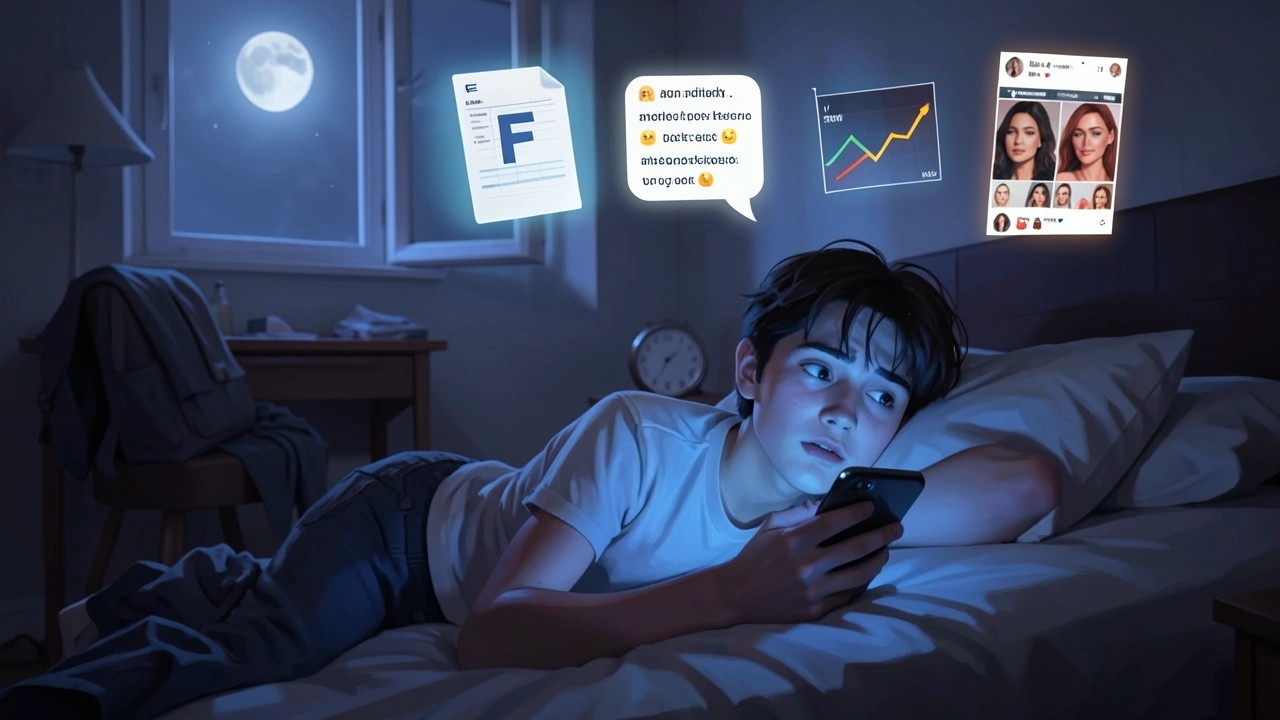
Understanding Why Gen Z Sleep Problems Increasing: Seeking Solutions
This part focuses on practical steps and strategies that can help improve sleep. It will offer clear advice on creating better sleep habits and making smart choices that support restful nights. The aim is to provide actionable tips that anyone can use to get better sleep, starting today.
Establishing a Regular Sleep Routine
One of the most effective ways to improve sleep is to stick to a regular sleep schedule. This means going to bed and waking up around the same time every day, even on weekends. This consistency helps regulate your body’s internal clock, making it easier to fall asleep and wake up naturally.
- Consistency is Key: Going to bed and waking up at the same time each day, including weekends, helps to anchor your body’s natural sleep-wake cycle, or circadian rhythm. Even a difference of an hour or two on weekends can disrupt this rhythm, leading to what’s often called “social jet lag.” For example, if you consistently go to bed at 10 PM and wake at 6 AM on weekdays, try to stick to a similar schedule on Saturdays and Sundays, perhaps allowing for an extra hour of sleep if needed, but avoiding drastic changes. This regularity makes it easier for your body to anticipate sleep and wakefulness.
- Wind-Down Period: It’s important to create a relaxing wind-down routine in the hour or so before bed. This signals to your body that it’s time to prepare for sleep. Activities like reading a physical book, taking a warm bath, gentle stretching, or listening to calming music can be very helpful. This period should be free of stimulating activities, bright lights, and stressful content to allow your mind and body to transition from wakefulness to a state of rest.
- Avoiding Naps Late in the Day: While short naps can be beneficial, long or late-day naps can interfere with nighttime sleep. If you need to nap, try to keep it to 20-30 minutes and take it in the early afternoon. Napping too late can reduce your “sleep drive,” the natural urge to sleep that builds up throughout the day, making it harder to fall asleep when you want to at night.
Creating a Sleep-Friendly Environment
Your bedroom should be a sanctuary for sleep. Make sure it’s dark, quiet, and cool. Blackout curtains can help block out light, earplugs or a white noise machine can minimize noise, and keeping the room temperature slightly cool can promote deeper sleep.
Your bed should be comfortable and used only for sleep and intimacy.
Healthy Habits for Better Sleep
Pay attention to what you consume and when. Avoid caffeine and alcohol close to bedtime. Try not to eat heavy meals or drink too much fluid in the hours before sleep.
Regular exercise can greatly improve sleep quality, but try to finish strenuous workouts at least a few hours before you plan to sleep.
When to Seek Professional Help
If sleep problems persist despite trying these strategies, it’s important to talk to a doctor or a sleep specialist. They can help identify underlying causes and recommend personalized treatments. Don’t hesitate to reach out for support; good sleep is vital for overall health and well-being.
Sample Scenario: Improving Sleep Habits
- Ben decides to improve his sleep. He sets his phone alarm for 10 PM to remind him to start winding down.
- He turns off all screens and reads a book for 30 minutes. He also makes sure his bedroom is dark and cool.
- He goes to bed at 10:30 PM, and within 20 minutes, he feels sleepy and falls asleep. He wakes up feeling more refreshed the next morning.
Frequently Asked Questions
Question: Why is it so hard for Gen Z to fall asleep quickly?
Answer: Many factors make it hard, including lots of screen time at night, stress from school and social life, and irregular sleep schedules, especially on weekends.
Question: Can social media really affect sleep quality?
Answer: Yes, the blue light from screens can mess with your body’s sleep signals. Also, the content can keep your mind busy and anxious, making it hard to relax and get deep sleep.
Question: Is it okay to sleep in on weekends if I’m tired?
Answer: While it feels good, sleeping in too much on weekends can throw off your body’s natural sleep clock. This can make it harder to fall asleep on Sunday night and wake up on Monday morning.
Question: How can stress make my sleep worse?
Answer: When you’re stressed, your body releases hormones that make you feel alert. This constant feeling of being on edge makes it difficult for your mind and body to switch off and relax enough to fall asleep.
Question: What’s the first step to getting better sleep?
Answer: The best first step is to try to go to bed and wake up around the same time every single day, even on days when you don’t have to. This helps your body get used to a regular rhythm.
Final Thoughts
Figuring out why Gen Z sleep problems are increasing involves looking at screens, stress, and daily habits. By making small changes like sticking to a sleep schedule and managing screen time, you can get better rest. Taking care of your sleep is a big step toward feeling better every day.
Leave a Reply