
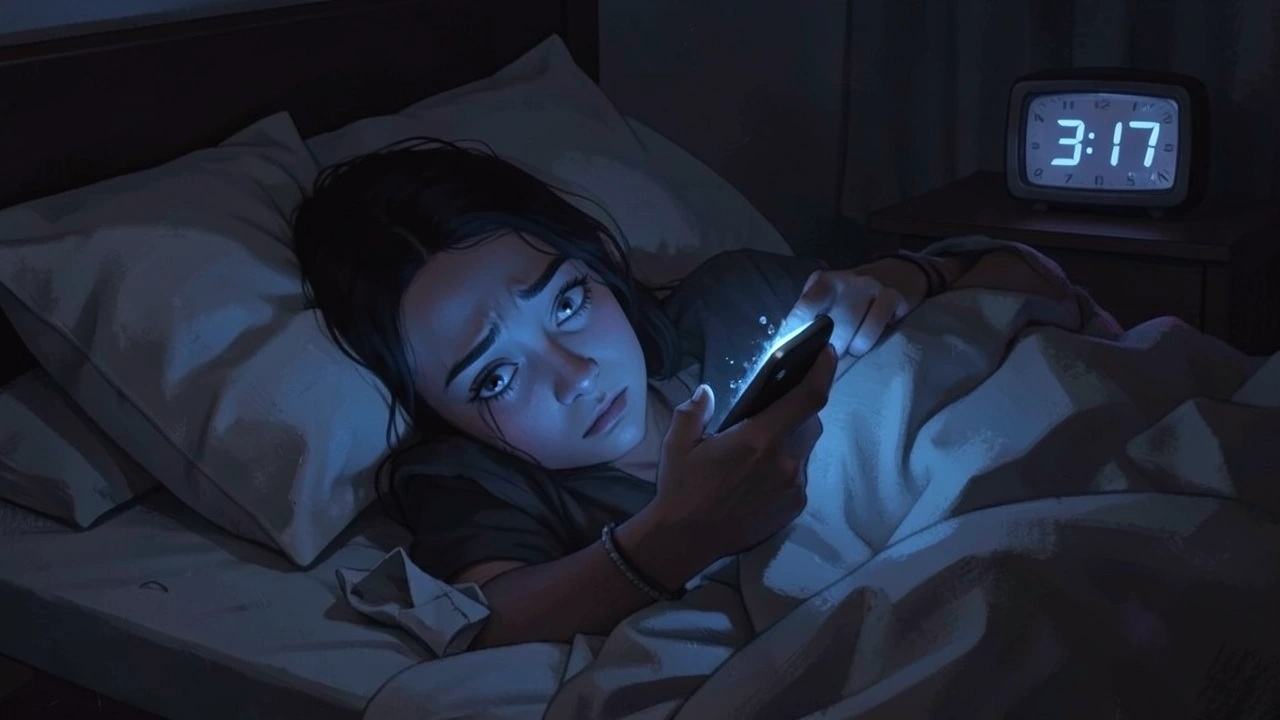
Many people wonder, Does Your Phone Destroy Your Sleep? (Shocking Truth) because it sounds a bit scary. It’s a common question that can feel tricky to figure out.
But don’t worry! This guide will make it simple. We’ll break it down step-by-step so you can easily see how your phone might be messing with your sleep.
Let’s find out what’s really going on and how you can fix it.
Why Your Phone Might Affect Sleep
This part is all about how your phone’s light and how you use it can make it hard to fall asleep. We’ll look at the science behind it in simple terms. You’ll learn why that bright screen is more than just a light bulb.
The Blue Light Effect
Phones and tablets give off a type of light called blue light. This light is a big part of why phones can mess with sleep. It’s very similar to daylight.
Our brains think it’s daytime when they see a lot of blue light.
This blue light tricks your brain into stopping the release of melatonin. Melatonin is a hormone that tells your body it’s time to sleep. So, when you’re looking at your phone close to bedtime, your brain thinks it’s still bright outside.
This makes it harder to feel sleepy and fall asleep.
Studies show that blue light can delay your body’s natural sleep clock. This means you might not feel tired when you should. It can also make your sleep less deep and restful.
The amount of blue light your phone emits depends on its brightness and settings. Newer phones often have features to reduce blue light. But even with these features, the light can still have an impact.
- Blue Light Exposure Times: How long you look at your phone matters. The longer you are exposed to blue light, the more it can affect your sleep cycle. Even a short time can make a difference, especially if it’s right before bed.
Think of it like this: if you were trying to fall asleep during the day, it would be tough, right? Your phone’s blue light makes your brain think it’s daytime, even when it’s dark outside. This is a key reason why phones are linked to sleep problems.
How You Use Your Phone
It’s not just the light; it’s also what you’re doing on your phone. If you’re scrolling through social media or playing exciting games, your brain gets stimulated. This makes it harder to wind down and get ready for sleep.
Things like notifications, emails, and even just the habit of checking your phone can keep your mind active. This mental activity works against the calm state needed for sleep.
Imagine you’re trying to relax after a busy day. If you then start reading news or chatting with friends, your brain has to switch gears. It goes from relaxation mode back to alert mode.
This switch can take time and make falling asleep a struggle.
The content you consume also plays a role. Reading stressful news or engaging in arguments online can increase anxiety. This anxiety can linger and make it difficult to achieve a peaceful state for sleep.
- Mental Stimulation: Engaging in activities that require focus or emotional response on your phone can keep your brain buzzing. This mental energy is the opposite of what you need for restful sleep. It’s like trying to stop a running car immediately; it takes time for the engine to cool down.
Many people find themselves in a loop of checking their phone out of habit. This habit can become a barrier to a good night’s rest. Breaking this cycle is important for better sleep.
Screen Time and Sleep Quality
Spending too much time on your phone, especially late at night, directly impacts how well you sleep. This is often referred to as screen time. More screen time, particularly before bed, means more exposure to blue light and more mental activity.
This can lead to what’s called poor sleep quality. It means you might sleep for the same number of hours, but you don’t feel as rested. You might wake up more often during the night.
Think about a cloudy day versus a sunny day. On a cloudy day, your brain might get the signal to slow down more easily. On a very sunny day, it’s harder to feel sleepy.
Your phone’s screen can act like a very bright, artificial sun in your bedroom.
This can shift your body’s natural sleep-wake cycle, also known as your circadian rhythm. When this rhythm is off, sleep becomes difficult. It’s like trying to follow a schedule that’s constantly changing.
- Circadian Rhythm Disruption: Your body has an internal clock that tells you when to sleep and when to wake up. Blue light from phones can confuse this clock, making you feel awake when you should be sleeping. This disruption can have long-term effects on your health if not managed.
The cumulative effect of daily screen time, especially in the evening, builds up. It can lead to a chronic sleep deficit. This means you might never feel fully caught up on sleep.
Understanding the “Shocking Truth”
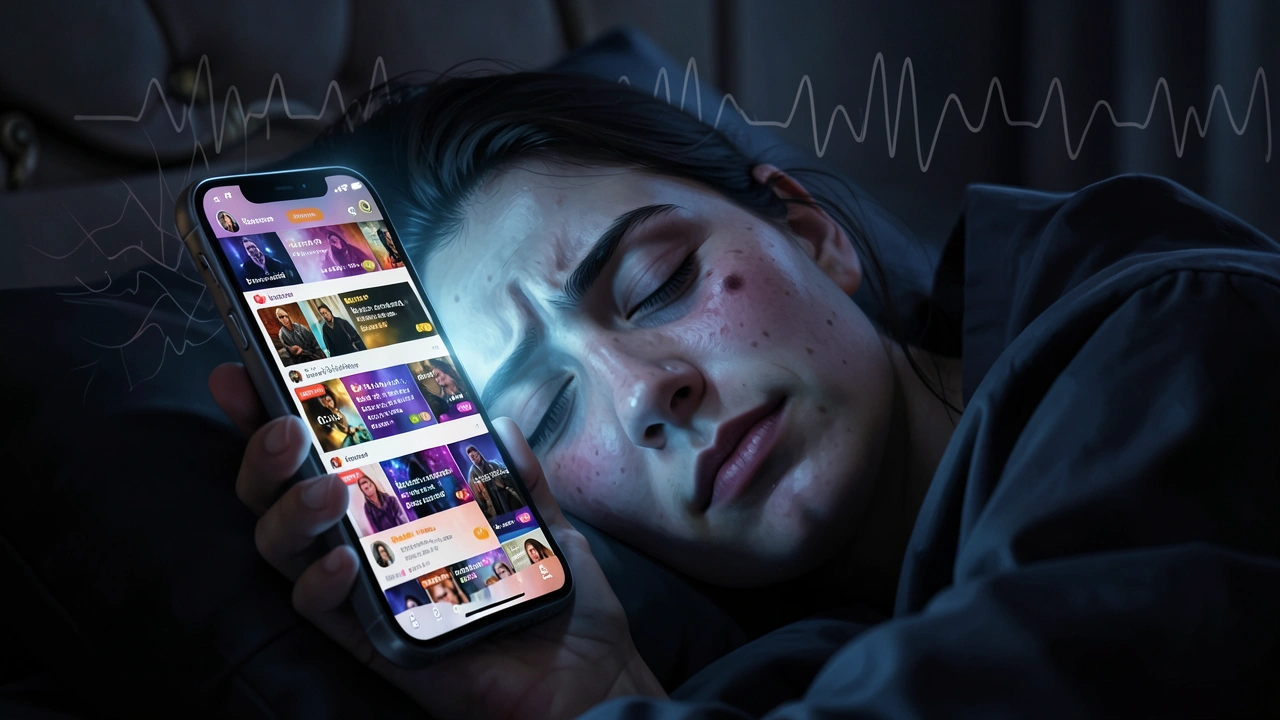
The “shocking truth” is that something so common and useful like our phones can be a major culprit in our sleep troubles. It’s not that phones are inherently bad, but how we use them, especially in the hours leading up to sleep, can be detrimental. This section explains why this fact is often overlooked and what the real impact is.
Why It’s Overlooked
Phones have become such a normal part of our lives that we often don’t connect them to our sleep problems. They are tools for work, connection, and entertainment. It’s easy to use them right up until we close our eyes.
This makes the problem hard to spot. People might complain about not sleeping well but not realize their phone habits are the cause. They might look for other reasons, like stress or diet, which can also contribute.
The effects are often gradual. You don’t suddenly stop sleeping because of your phone. It’s more like a slow erosion of sleep quality over time.
This makes it hard to pinpoint the exact cause.
Think about drinking a lot of sugary drinks. You might not notice the health impact immediately, but over time, it can lead to problems. Similarly, consistent late-night phone use can slowly worsen sleep.
- Habitual Use: Checking your phone before bed has become a routine for many. This ingrained habit makes it difficult to recognize its negative impact. We do it without thinking, making it harder to break.
The convenience and constant availability of our phones also contribute to this oversight. They are always within reach, making it easy to grab them for any reason at any time.
The Real Impact on Sleep Quality
The “shocking truth” is that your phone doesn’t just keep you awake for a little while. It can fundamentally change how well you sleep. This means even if you get enough hours, you might not feel rested.
This lack of rest affects everything: your mood, your concentration, your energy levels, and even your physical health. It’s a domino effect that starts with poor sleep.
Imagine trying to run a marathon after not eating well for a week. You might be able to move, but you won’t perform at your best. Poor sleep has a similar effect on your body and mind.
The constant stimulation and blue light can lead to more time spent in lighter stages of sleep. This means you get less time in the deep, restorative sleep that your body needs to repair itself.
- Reduced Deep Sleep: Deep sleep is crucial for physical recovery and memory consolidation. When phone use disrupts sleep, you spend less time in this vital stage. This can leave you feeling groggy and unrefreshed, even after a full night’s rest.
This impact can be more severe for certain groups, like teenagers whose sleep cycles are already different. The connection between phone use and sleep is a significant public health concern.
Common Misconceptions
Many people believe that if they can fall asleep after using their phone, it’s not affecting them. This is a common misconception. The real damage might be to the quality of your sleep, not just the ability to fall asleep.
Another myth is that simply turning down the brightness is enough. While it helps, it doesn’t eliminate all the negative effects of blue light or the mental stimulation.
Some think that blue light filters or night modes completely solve the problem. These tools can reduce the blue light, but they don’t always eliminate it entirely or address the stimulating nature of the content.
It’s like using a dimmer switch on a bright lamp instead of turning it off completely. It reduces the glare, but the light is still there, affecting your brain’s signal for sleep.
- “I can fall asleep fine, so it’s not a problem”: This idea is misleading. You might fall asleep, but the sleep quality could be poor. This means you’re not getting the full benefits of sleep. Your body might be getting less restorative sleep than it needs.
Understanding these misconceptions is key to addressing the real issue. It’s about the subtle but significant ways phones interfere with our natural sleep processes.
Solutions for Better Sleep Habits
Now that we know the problem, let’s talk about how to fix it. This section offers simple, practical steps you can take to reduce the impact of your phone on your sleep. You’ll find easy-to-follow advice to help you get a better night’s rest.
Creating a Bedtime Routine
A consistent bedtime routine is one of the most effective ways to signal to your body that it’s time to wind down. This routine should be relaxing and free from the stimulation of your phone. It helps prepare your mind and body for sleep.
Try to do the same few things in the same order every night before you go to bed. This predictability is comforting for your brain. It creates a clear transition from your day’s activities to sleep.
Think of it like a ritual. It’s a signal that your day is ending and it’s time to rest. This ritual can involve activities that are calming and quiet.
For example, you could read a physical book, take a warm bath, listen to calming music, or do some light stretching. These activities don’t involve bright screens or intense mental engagement.
- Phone-Free Hour: Dedicate the hour before you plan to sleep to being completely phone-free. Put your phone in another room or on airplane mode. This allows your brain to start producing melatonin naturally.
This wind-down period is crucial for reducing the effects of the day’s stress and stimulation. It helps create a peaceful environment for sleep.
Using Phone Settings Wisely
Many phones have built-in features that can help reduce the impact of their screens. Learning to use these settings can make a big difference. They are designed to make screen time less disruptive.
The most common feature is “Night Shift” or “Blue Light Filter.” This setting makes the screen warmer in color during the evening. It reduces the amount of blue light emitted.
You can usually set these features to turn on automatically at a certain time of day. This way, you don’t have to remember to turn them on yourself. It becomes part of your phone’s daily operation.
Another useful setting is “Do Not Disturb.” This can silence notifications from most apps. It prevents your phone from buzzing or lighting up with alerts while you’re trying to sleep.
Some phones also allow you to set app limits or grayscale mode. Grayscale makes the screen black and white, which can make it less appealing and stimulating.
- Automatic Blue Light Filters: Most smartphones allow you to schedule a blue light filter or “night mode.” This feature automatically warms the screen’s color tone as the sun sets. It significantly reduces the amount of blue light exposure, making it easier for your brain to prepare for sleep.
These simple adjustments can help mitigate the negative effects of your phone on your sleep patterns. They are easy to implement and can be very effective.
Setting Boundaries for Usage
The most powerful solution is to set clear boundaries for when and how you use your phone. This is about regaining control over your device rather than letting it control you. It requires conscious effort.
This means deciding on specific times when phone use is okay and when it is not. For example, no phones in the bedroom, or no phones at the dinner table. These rules apply to everyone in the household if possible.
It’s also important to be mindful of why you’re picking up your phone. Are you bored? Stressed?
Or do you have a specific task in mind? Understanding your triggers can help you break negative habits.
Try to
- Designated “Phone-Free” Zones: Create areas in your home, like your bedroom, where phones are not allowed. This simple boundary helps reduce the temptation to use your phone in a place meant for rest.
Setting these boundaries is a continuous process. It’s okay to slip up sometimes, but the goal is to consistently reinforce these limits for better sleep health.
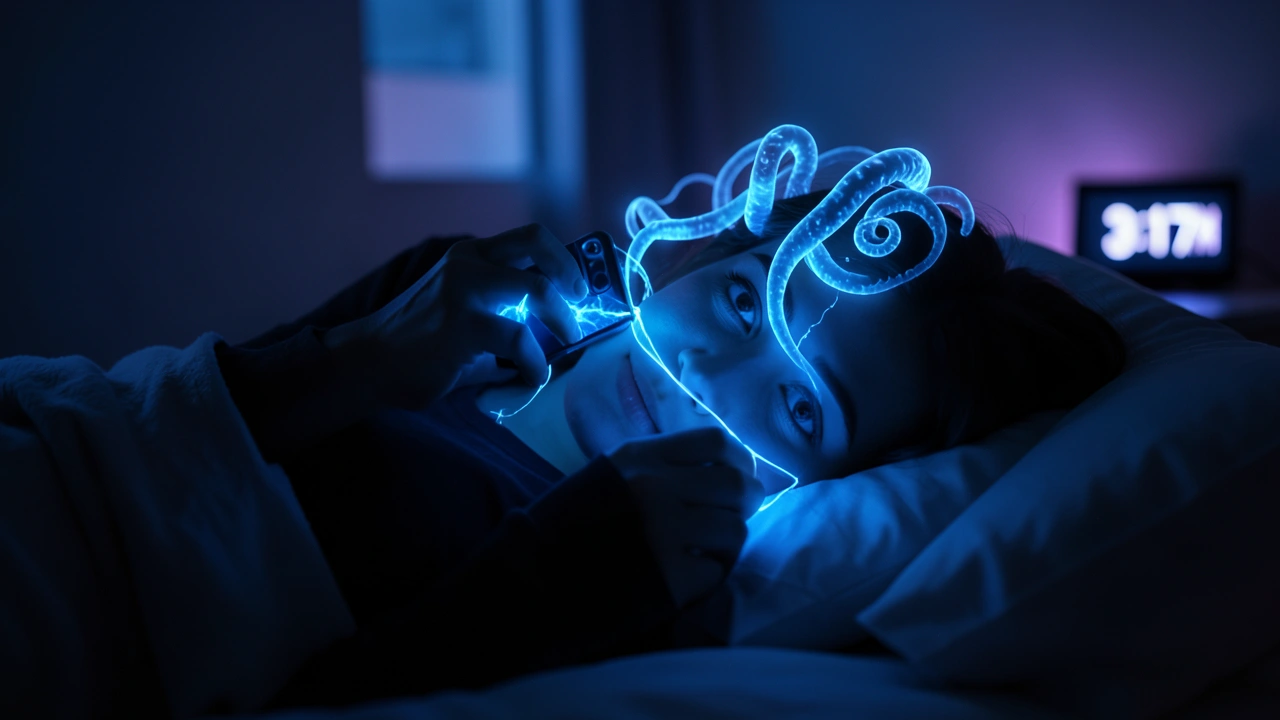
Does Your Phone Destroy Your Sleep? (Shocking Truth) Unpacked
This section provides a deeper look into the science and the specific ways phones interfere with sleep. We’ll go into more detail about the mechanisms at play. This is where we really understand the “shocking truth” behind the common question.
The Science of Melatonin Suppression
Melatonin is often called the “sleep hormone.” It’s produced by a small gland in your brain called the pineal gland. Its production increases as it gets dark, signaling to your body that it’s time to sleep.
Blue light, which is prevalent in phone screens, is particularly effective at suppressing melatonin production. This happens because specialized cells in your eyes, called intrinsically photosensitive retinal ganglion cells (ipRGCs), are highly sensitive to blue wavelengths of light.
When these cells detect blue light, they send signals to your brain’s internal clock, the suprachiasmatic nucleus (SCN). The SCN then tells the pineal gland to reduce melatonin release. This disruption can delay the onset of sleep and make it harder to fall into deeper sleep stages.
For instance, a study published in the Journal of Clinical Sleep Medicine found that using electronic devices with screens before bed led to a delayed sleep phase in participants. They took longer to fall asleep and had less REM sleep, a crucial stage for cognitive function.
- Melatonin’s Role: Melatonin is not a sedative that forces you to sleep, but rather a signal that prepares your body for rest. It helps regulate your sleep-wake cycle. When blue light interferes with its production, this natural signal is weakened.
The intensity and duration of light exposure also matter. A very bright screen used for a long time will have a greater suppressive effect than a dim screen used briefly.
Impact on Sleep Stages
Sleep is not a uniform state. It cycles through different stages, each with a specific purpose. Phones can disrupt these stages, particularly deep sleep and REM sleep.
Deep sleep (also known as slow-wave sleep) is when your body does most of its physical repair. Your muscles grow, tissues are repaired, and your immune system is strengthened. It’s vital for feeling physically rested.
REM (Rapid Eye Movement) sleep is characterized by active dreaming. It’s important for cognitive functions like learning, memory consolidation, and emotional processing. It helps you feel mentally sharp.
When blue light exposure or late-night phone use disrupts your sleep, you might spend less time in these crucial stages. You might have more fragmented sleep, waking up more frequently. This can lead to daytime fatigue and impaired cognitive function.
A study conducted by Harvard researchers demonstrated that using a tablet for two hours before bed resulted in reduced melatonin levels and longer sleep onset latency compared to reading a physical book. Participants also reported feeling less sleepy.
- Fragmented Sleep: Instead of a smooth transition through sleep stages, phone use can lead to more awakenings. This fragmentation prevents you from spending enough time in restorative deep and REM sleep, leaving you feeling tired.
The consequences of consistently poor sleep quality can extend beyond just feeling tired. They can affect your mood, increase the risk of accidents, and contribute to chronic health issues.
Long-Term Consequences of Sleep Disruption
Consistently poor sleep due to phone use isn’t just an occasional inconvenience. It can have significant long-term effects on your health and well-being. This is the truly “shocking truth” that many overlook.
Chronic sleep deprivation is linked to a higher risk of various health problems. These include heart disease, diabetes, obesity, and weakened immune function. Your body needs sufficient sleep to function optimally and repair itself.
Mentally, lack of sleep can lead to problems with concentration, memory, and decision-making. It can also contribute to mood disorders like anxiety and depression. Your emotional regulation can be significantly impacted.
Consider the long-term impact of impaired judgment. If you’re not getting enough restful sleep, your ability to make sound decisions, whether at work or in your personal life, can be compromised. This can lead to a cascade of negative outcomes.
Research from the National Sleep Foundation indicates that adults who consistently get less than seven hours of sleep per night are more likely to suffer from chronic health conditions. This underscores the critical importance of good sleep hygiene.
- Health Risks: Beyond feeling tired, chronic sleep disruption can increase your susceptibility to serious health issues over time. These include higher blood pressure, increased risk of diabetes, and a greater chance of developing mood disorders.
The good news is that by understanding these risks, you can take steps to protect your sleep and your overall health. Simple changes in phone usage habits can have profound positive effects.
| Aspect | Effect | Description |
|---|---|---|
| Melatonin Production | Suppressed | Blue light from screens tricks the brain into thinking it’s daytime, reducing the sleep hormone. |
| Sleep Onset Latency | Increased | It takes longer to fall asleep after using a phone before bed. |
| Sleep Quality | Reduced | More awakenings, less time in deep and REM sleep, leading to feeling unrefreshed. |
| Daytime Functioning | Impaired | Difficulty concentrating, reduced alertness, and mood disturbances. |
Frequently Asked Questions
Question: Does using a phone in bed automatically ruin my sleep?
Answer: Not necessarily, but it significantly increases the risk. The blue light and mental stimulation from phones can interfere with your body’s natural sleep signals. It’s more about how and when you use it that matters.
Question: Can I use my phone if I have the blue light filter turned on?
Answer: Yes, but it’s still best to limit usage close to bedtime. Blue light filters reduce, but don’t completely eliminate, blue light. The engaging content on your phone can also keep your mind active, making it hard to wind down.
Question: How long before bed should I stop using my phone?
Answer: Most experts recommend stopping phone use at least 1 to 2 hours before you plan to sleep. This gives your brain enough time to relax and start producing melatonin naturally.
Question: What are some good alternatives to using my phone before bed?
Answer: Try reading a physical book, listening to calming music or a podcast, taking a warm bath, meditating, or doing light stretching. These activities are more conducive to relaxation and sleep preparation.
Question: Is it okay to check my phone if I wake up in the middle of the night?
Answer: It’s generally not recommended. Checking your phone can re-engage your mind and expose you to blue light, making it harder to fall back asleep. If you need to check the time, use a clock without a bright screen.
Wrap Up
So, Does Your Phone Destroy Your Sleep? (Shocking Truth) is a real concern because the blue light and stimulation can mess with your sleep signals. By creating phone-free time before bed and using your phone’s settings wisely, you can take back control and enjoy better rest.
Start with one small change tonight.
Leave a Reply