
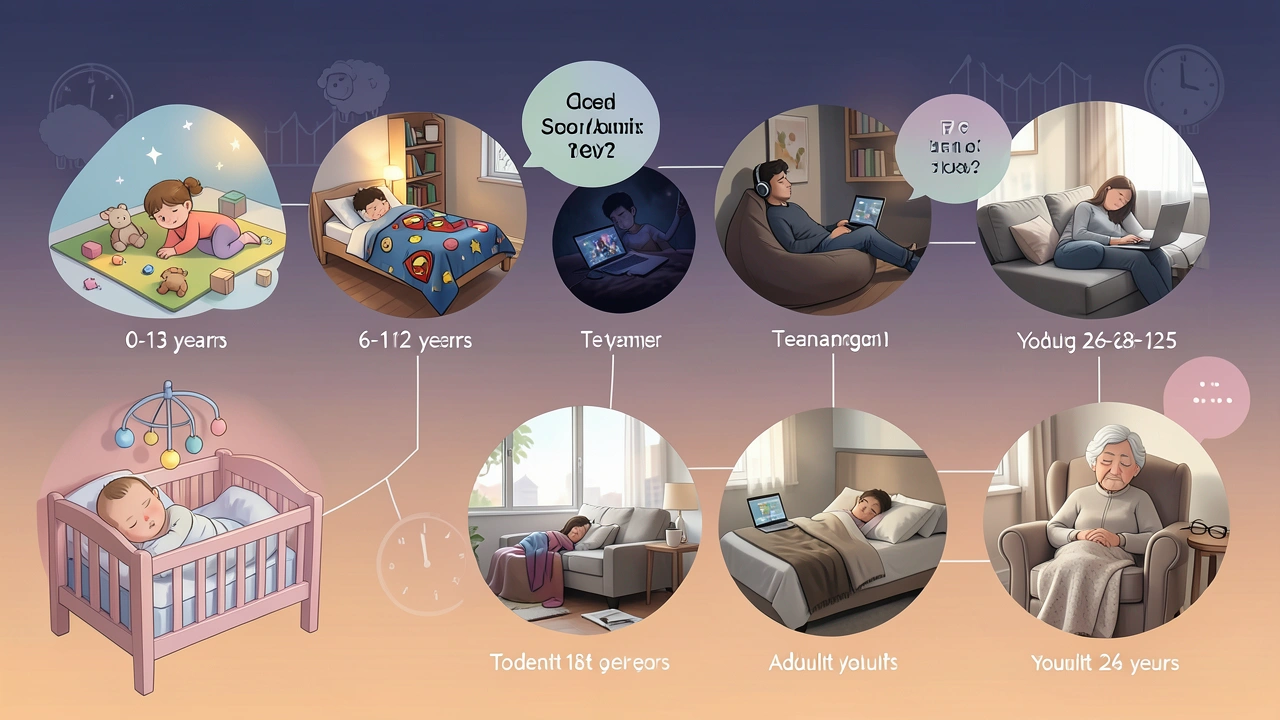
Many people wonder How Much Sleep Do You Really Need by Age? It can feel tricky to figure out because we’re all different. Plus, what we need changes as we get older. Don’t worry, though!
We’ll break it down super simply. We’ll look at why sleep is important and give you easy steps to find out what’s best for you. Let’s start by exploring why this question pops up so much.
Understanding Sleep Needs for Different Ages
This section explores the fascinating variations in sleep requirements across the human lifespan. You’ll learn why a baby needs vastly more sleep than an adult and how those needs shift gradually. We’ll cover the science behind these changes and why getting the right amount of sleep is vital for health and well-being at every stage.
Understanding these age-specific needs helps us make better choices for our sleep habits.
Sleep for Infants and Toddlers
Babies and toddlers are growing and learning at an incredible pace. This rapid development requires significant amounts of sleep. Their brains are busy forming connections and processing all the new information they encounter daily.
Sleep is when a lot of this crucial work happens.
Infants, for example, can sleep up to 17 hours a day. This sleep isn’t continuous; it’s broken into many short naps. This pattern is normal and necessary for their growth.
As they grow into toddlers, their total sleep time decreases, but they still need a lot more than older children or adults. They might take one or two naps during the day and still need around 11-14 hours of sleep at night.
- Why so much sleep for babies?
- What happens if they don’t get enough?
- Signs of sufficient sleep.
During sleep, a baby’s brain releases growth hormones that are essential for physical development. It’s also a time for memory consolidation and learning. Even their immune systems are developing, and sleep plays a big role in making them strong enough to fight off illnesses.
Lack of adequate sleep in infants and toddlers can lead to irritability, feeding problems, and developmental delays. It can also make them more prone to sickness. It’s important for parents and caregivers to establish consistent sleep routines to ensure these little ones get the rest they need.
A well-rested baby or toddler is generally happy and alert when awake. They interact with their surroundings, feed well, and don’t seem overly fussy or tired throughout the day. While occasional bad nights happen, consistent alertness is a good sign they are getting enough rest.
Sleep for School-Aged Children
As children enter school, their sleep needs begin to shift again. They are still growing rapidly and are in a crucial period for learning and social development. Their bodies and minds need consistent, quality sleep to perform at their best both in and out of the classroom.
School-aged children, typically between ages 6 and 13, usually need about 9 to 12 hours of sleep per night. This is a significant amount, and it’s vital for their cognitive functions, emotional regulation, and physical growth. Missing out on this sleep can really impact their schoolwork, behavior, and overall health.
- The role of sleep in learning.
- Impact on behavior and mood.
- Establishing healthy sleep habits.
Sleep is when the brain processes and stores information learned during the day. For school-aged children, this means sleep is directly linked to their ability to remember lessons, solve problems, and concentrate in class. Good sleep helps them learn better and perform well on tests.
When children don’t get enough sleep, they can become irritable, hyperactive, or withdrawn. This can lead to behavioral problems at school and home. Adequate sleep helps them manage their emotions, be more patient, and interact positively with others.
Creating a consistent bedtime routine is key. This might include a warm bath, reading a book, and avoiding screens before bed. A regular sleep schedule, even on weekends, helps regulate their internal body clock, making it easier for them to fall asleep and wake up refreshed.
Sleep for Teenagers
Adolescence is a period of dramatic change, and sleep patterns are no exception. Teenagers often experience a shift in their natural sleep-wake cycle, making it harder for them to fall asleep early. This biological change, combined with academic pressures and social lives, can lead to significant sleep deprivation.
Teenagers, generally aged 14 to 17, typically need around 8 to 10 hours of sleep per night. However, many of them consistently get much less. This can affect their mood, concentration, academic performance, and even their physical health.
Understanding their unique sleep needs is crucial for supporting their well-being during these formative years.
- The teenage sleep shift.
- Consequences of sleep debt.
- Tips for better teen sleep.
During puberty, the body’s production of melatonin, a hormone that signals sleep, is delayed. This means teens naturally feel more awake later at night and want to sleep in later in the morning. This biological shift often clashes with early school start times.
Chronic sleep deprivation in teens is linked to increased risk of depression, anxiety, and substance use. It also impairs judgment and increases the likelihood of accidents, including car crashes. Academically, it can lead to lower grades and difficulty with complex tasks.
Encouraging a consistent sleep schedule, even on weekends, is important. Creating a relaxing bedtime routine, limiting caffeine and screen time before bed, and ensuring their bedroom is dark, quiet, and cool can also help. While difficult, trying to get as close to the recommended 8-10 hours is vital.

How Much Sleep Do You Really Need by Age? For Adults
This section focuses on the sleep requirements for adults, covering different adult age groups and what’s generally recommended. We’ll discuss how life changes, such as work, family, and health, can impact sleep needs and quality for adults. Understanding these factors helps adults prioritize rest for optimal daily functioning and long-term health.
Young and Middle-Aged Adults
For adults between the ages of 18 and 64, the recommended amount of sleep is generally between 7 and 9 hours per night. This range is considered optimal for maintaining physical health, cognitive function, and emotional well-being. During these years, individuals are often at the peak of their careers and family responsibilities, making sleep quality and quantity especially important.
However, achieving this target can be challenging due to various lifestyle factors. Stress, irregular work schedules, family demands, and the use of electronic devices before bed can all interfere with sleep. It’s essential for adults in this age group to be mindful of their sleep habits and make conscious efforts to prioritize rest.
- The importance of consistent sleep.
- Managing stress and sleep.
- The impact of technology.
Going to bed and waking up around the same time each day, even on weekends, helps regulate the body’s internal clock, known as the circadian rhythm. This consistency makes it easier to fall asleep and wake up naturally, improving overall sleep quality.
Stress is a major sleep disruptor for adults. Techniques like mindfulness, meditation, or light exercise can help reduce stress levels. Creating a relaxing pre-sleep routine, such as reading a book or taking a warm bath, can also signal to the body that it’s time to wind down.
The blue light emitted from screens of phones, tablets, and computers can suppress melatonin production, making it harder to fall asleep. It’s recommended to avoid screens for at least an hour before bedtime to allow the body to prepare for sleep.
Older Adults
As people age, their sleep patterns often change. Older adults, typically those aged 65 and above, still need a similar amount of sleep as younger adults, usually around 7 to 8 hours per night. However, the quality and structure of their sleep can change significantly.
It’s common for older adults to experience lighter sleep, wake up more frequently during the night, and spend less time in the deeper stages of sleep. They might also find themselves getting sleepy earlier in the evening and waking up earlier in the morning. These changes are often a natural part of aging, but they can sometimes be exacerbated by health conditions or medications.
- Changes in sleep architecture.
- Common sleep disturbances.
- Strategies for improving sleep.
With age, the amount of time spent in deep sleep (slow-wave sleep) and REM sleep tends to decrease. This can lead to feeling less rested even after spending a sufficient amount of time in bed. The sleep cycles also tend to become shorter and more fragmented.
Conditions like insomnia, sleep apnea, and restless legs syndrome become more prevalent in older adults. Medical conditions such as arthritis or nocturia (frequent nighttime urination) can also disrupt sleep. Certain medications can also have side effects that interfere with sleep.
Maintaining a regular sleep schedule, getting regular physical activity (but not too close to bedtime), and avoiding long naps during the day can help. Creating a comfortable and safe sleep environment is also important. If sleep problems persist, consulting a doctor is recommended to rule out underlying medical issues.
Factors Influencing Sleep Needs
Beyond just age, several other factors play a role in how much sleep each person truly needs. Understanding these can help individuals fine-tune their sleep routine to achieve optimal rest. These influences are often interconnected and can affect sleep quality and duration significantly.
Individual Variation and Genetics
Even within the same age group, there’s a natural variation in how much sleep individuals require. Some people are genetically predisposed to being “short sleepers,” needing less than the average amount, while others are “long sleepers,” needing more. This is often referred to as a person’s chronotype.
While it’s important to aim for the general guidelines, listening to your body is key. If you consistently feel rested and function well on a certain amount of sleep, it might be your personal optimal level, even if it differs slightly from the recommended hours. However, it’s also important to distinguish true short-sleeping from simply adapting to insufficient sleep.
- What is a chronotype?
- Genetics and sleep duration.
- Recognizing your own needs.
A chronotype refers to your body’s natural preference for sleeping and waking times. It’s largely determined by genetics and influences whether you’re more of an early bird or a night owl. Your chronotype can affect when you feel most alert and when you feel most tired.
Research has identified specific genes that influence how much sleep a person needs. These genes can affect the length and quality of sleep cycles, as well as the body’s response to sleep deprivation. This genetic component means there’s no one-size-fits-all answer to sleep needs.
The best way to determine your individual sleep need is to pay attention to how you feel. Do you rely on caffeine to get through the day? Do you feel drowsy during meetings or while driving?
If so, you might not be getting enough sleep, regardless of what the charts say.
Lifestyle and Health Conditions
A person’s lifestyle and any existing health conditions can significantly alter their sleep requirements. Factors like diet, exercise, stress levels, and the presence of chronic illnesses all interact with sleep.
For instance, someone with a physically demanding job might need more sleep for muscle repair. Conversely, a highly stressful job might lead to difficulty falling asleep, even if the body needs rest. Certain medical conditions, such as chronic pain, thyroid issues, or mental health disorders, can also directly impact sleep patterns.
- Impact of physical activity.
- Dietary influences.
- Health conditions and sleep.
Regular exercise generally improves sleep quality by promoting deeper sleep. However, exercising too close to bedtime can be stimulating for some people, making it harder to fall asleep. Finding the right balance and timing for exercise is important.
What you eat and drink can affect your sleep. Caffeine and alcohol, for example, can disrupt sleep cycles. Heavy meals close to bedtime can cause discomfort and indigestion, hindering sleep.
A balanced diet, however, supports overall health and can contribute to better sleep.
Many health issues, from common colds to serious chronic diseases, can impact sleep. Pain, breathing difficulties, or frequent urination can wake you up. Mental health conditions like depression and anxiety are also strongly linked to sleep disturbances.
Addressing these underlying health issues is often crucial for improving sleep.
Sleep Quality vs. Quantity
It’s not just about how many hours you spend in bed; the quality of that sleep matters just as much. You can spend 8 hours in bed but still feel exhausted if the sleep you get isn’t restorative. This means getting enough of the different sleep stages is important.
Deep sleep and REM sleep are critical for physical and mental restoration. If your sleep is frequently interrupted or you’re not cycling properly through these stages, you might still feel tired even if the duration seems adequate. Improving sleep quality often involves optimizing your sleep environment and habits.
- The stages of sleep.
- Signs of poor sleep quality.
- Optimizing sleep quality.
Sleep occurs in cycles, each containing different stages: light sleep, deep sleep, and REM (Rapid Eye Movement) sleep. Deep sleep is vital for physical repair and growth. REM sleep is important for brain function, memory, and learning.
Disruptions to these stages can leave you feeling unrefreshed.
Waking up frequently during the night, feeling groggy even after a full night’s sleep, or experiencing daytime sleepiness are indicators of poor sleep quality. Difficulty falling asleep or staying asleep can also be related to quality issues.
This involves creating a dark, quiet, and cool bedroom. Having a comfortable mattress and pillows helps. Establishing a relaxing bedtime routine and avoiding stimulants like caffeine and nicotine close to bedtime are also key strategies for enhancing sleep quality.
How Much Sleep Do You Really Need by Age? Practical Tips
Now that we’ve explored the various factors, let’s look at practical ways to ensure you’re getting the right amount of sleep for your age. These tips are designed to be easy to follow and can make a real difference in how you feel.
Creating a Sleep Sanctuary
Your bedroom should be a place that signals relaxation and sleep. Making a few changes can significantly improve your ability to fall asleep and stay asleep. Think of it as creating an environment that’s just right for restful slumber.
A comfortable bed is essential. This means a mattress and pillows that support your body well. The room should also be dark, quiet, and cool.
Even small amounts of light or noise can disrupt sleep cycles. Using blackout curtains, earplugs, or a white noise machine can help create the ideal sleep environment.
- Darkness is key.
- Quiet for uninterrupted sleep.
- Temperature matters.
Light, especially blue light from electronic devices, can trick your brain into thinking it’s daytime. This suppresses melatonin, the hormone that helps you sleep. Keeping your bedroom as dark as possible, using blackout curtains if necessary, signals to your brain that it’s time to rest.
Sudden noises can easily wake you up, even if you don’t fully remember them. If your environment is noisy, consider using earplugs or a white noise machine. White noise can help mask other distracting sounds, creating a more consistent and peaceful auditory environment.
A slightly cooler room is generally better for sleep. Most experts recommend a temperature between 60-67 degrees Fahrenheit (15-19 degrees Celsius). When your body temperature drops slightly at night, it helps initiate and maintain sleep.
Too warm or too cool can lead to restlessness.
Establishing a Consistent Sleep Schedule
Your body has an internal clock that thrives on routine. Going to bed and waking up at roughly the same time every day, even on weekends, helps to regulate this clock. This consistency makes it easier for you to fall asleep and wake up feeling naturally refreshed.
While occasional late nights are unavoidable, try to stick to your schedule as much as possible. If you do have a night of less sleep, try to get back on track the next day rather than sleeping in excessively, which can further disrupt your rhythm.
- The power of regularity.
- Weekend adjustments.
- Napping wisely.
A regular sleep schedule helps your body anticipate sleep and wakefulness. This consistency reinforces your natural circadian rhythm, making it easier to fall asleep at your usual bedtime and wake up feeling alert. It’s like training your body to expect rest at a certain time.
While it’s tempting to sleep in on weekends, drastic changes can throw off your internal clock, leading to “social jet lag.” Try to keep your weekend wake-up time within an hour or two of your weekday time. This helps maintain consistency and makes Monday mornings less difficult.
If you need to nap, keep it short (20-30 minutes) and do it earlier in the day. Long or late naps can interfere with your ability to fall asleep at night. A short power nap can be refreshing, but it shouldn’t replace nighttime sleep.
Healthy Sleep Habits (Sleep Hygiene)
Sleep hygiene refers to the practices and habits that contribute to good sleep. Implementing these habits can make a significant difference in the quality and duration of your sleep. These are simple yet powerful tools for better rest.
This includes things like avoiding caffeine and alcohol close to bedtime, not eating heavy meals late at night, and getting regular physical activity. It also means winding down before bed with relaxing activities and limiting exposure to screens.
- Limit stimulants.
- Mind your meals.
- Wind down routine.
Caffeine, found in coffee, tea, soda, and chocolate, can stay in your system for hours. Try to avoid caffeine in the afternoon and evening. Alcohol might make you feel sleepy initially, but it disrupts sleep later in the night, leading to poor quality rest.
While it’s good to eat dinner at a reasonable hour, avoid large, heavy meals close to bedtime. Indigestion can make it difficult to get comfortable and fall asleep. If you’re hungry before bed, a light, healthy snack like a banana or a small bowl of oatmeal is a better choice.
Create a relaxing routine for the hour before bed. This could include reading a book, taking a warm bath, listening to calm music, or gentle stretching. This signals to your body that it’s time to transition from activity to rest, preparing you for sleep.
Common Sleep Myths Debunked
There are many popular ideas about sleep that aren’t quite right. Let’s clear up some of these common myths so you can focus on what actually works for getting good rest.
Myth 1: You can “catch up” on lost sleep.
While sleeping a bit more on weekends can help, it doesn’t fully erase the effects of chronic sleep deprivation. Your body needs consistent rest to function optimally. Continual sleep loss builds up a “sleep debt” that’s hard to repay with occasional extra sleep.
Myth 2: Everyone needs exactly 8 hours of sleep.
As we’ve seen, sleep needs vary by age and individual. While 7-9 hours is a good guideline for most adults, some people naturally need a little more or less. The key is to find what makes you feel rested and function best.
Myth 3: Older adults don’t need as much sleep.
While sleep patterns change with age, the actual amount of sleep older adults need is often similar to younger adults. The problem is often sleep quality and disruptions, not a reduced need for sleep itself.
Frequently Asked Questions
Question: How much sleep does a 10-year-old need?
Answer: A 10-year-old child typically needs between 9 and 12 hours of sleep per night. This is important for their growth, learning, and overall well-being.
Question: Is it bad to sleep more than 9 hours as an adult?
Answer: For most adults, consistently sleeping more than 9 hours without a specific reason (like recovering from illness or intense exercise) might indicate an underlying issue, or it could simply be your body’s natural need. However, it’s more common to struggle with getting enough sleep. If you feel groggy after 9+ hours, it’s worth exploring why.
Question: Can stress keep me from sleeping enough?
Answer: Yes, stress is a major cause of sleep problems. When you’re stressed, your body releases hormones like cortisol, which can make it hard to relax and fall asleep, and can also lead to waking up during the night.
Question: What is REM sleep?
Answer: REM stands for Rapid Eye Movement. This is a stage of sleep where most dreaming occurs. It’s crucial for brain function, learning, memory consolidation, and emotional processing.
Question: How can I tell if I’m getting enough sleep?
Answer: You are likely getting enough sleep if you wake up feeling refreshed without an alarm, don’t feel excessively tired during the day, and can concentrate well. Relying on caffeine to get through the day is a sign you might not be getting enough rest.
Conclusion
Figuring out How Much Sleep Do You Really Need by Age? is about balancing general guidelines with your personal needs. From babies needing growth-filled slumber to adults needing rest for peak performance, sleep requirements shift. Listen to your body, create a good sleep environment, and stick to a regular schedule.
Prioritizing sleep quality ensures you wake up feeling your best.
Leave a Reply