
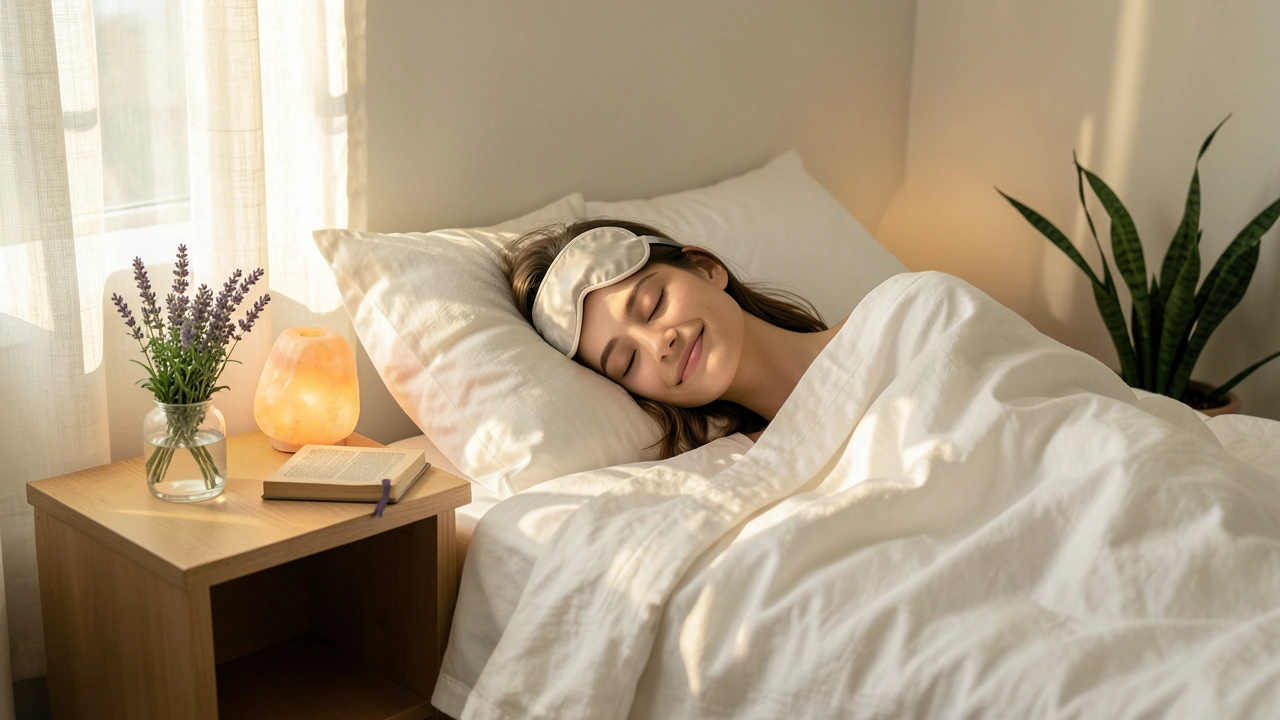
Many people find it tricky to learn How to Sleep Better Naturally Without Medication. It feels like a big puzzle when you’re just starting out, and you might wonder if it’s even possible. But don’t worry!
We’ll walk through it step-by-step, making it easy to follow. Get ready to discover simple ways to get a good night’s rest, starting right now.
Understanding Your Sleep Patterns
Getting better sleep naturally starts with knowing how your body works when it sleeps. It’s like learning the rules of a game before you play. This section will help you figure out why you might be tossing and turning and what your body needs to relax.
We’ll talk about the different stages of sleep and why they are important for feeling rested. Understanding these basics is the first step to making changes that really help. This knowledge helps us make a plan that fits you.
The Science of Sleep Stages
Sleep isn’t just one long nap. It’s a cycle of different stages, each with its own job. We have light sleep, deep sleep, and REM sleep.
Light sleep is when you can be easily woken up. Deep sleep is super important for your body to repair itself and grow. REM (Rapid Eye Movement) sleep is when your brain is very active, and this is when most dreaming happens.
These stages happen over and over throughout the night.
- Light Sleep: This is the first stage and the easiest to wake from. Your heart rate and breathing slow down a bit. It makes up about half of your total sleep time.
- Deep Sleep: This is the most restorative sleep stage. Your body works on healing muscles, building bone, and strengthening your immune system. It’s vital for feeling physically refreshed.
- REM Sleep: This is when your brain is most active, similar to when you’re awake. Your eyes move quickly behind your eyelids, and you experience vivid dreams. REM sleep is thought to be important for learning and memory.
When these stages are interrupted or not happening enough, you won’t feel rested, even if you were in bed for a long time. It’s like trying to build a house but not having enough of the right materials for each step.
Recognizing Poor Sleep Habits
Sometimes, we do things without even realizing they mess with our sleep. Things like looking at screens late at night or drinking caffeine too close to bedtime can make it hard to fall asleep. Even stress from your day can follow you into bed.
Identifying these habits is key to changing them. It’s about spotting the little things that might be holding you back from restful sleep.
Common signs of poor sleep habits include:
- Taking longer than 30 minutes to fall asleep most nights.
- Waking up several times during the night and having trouble getting back to sleep.
- Feeling tired or groggy during the day, even after a full night in bed.
- Needing to nap frequently to get through the day.
- Relying on alarms to wake up, feeling like you could sleep much longer.
These signs tell you that your sleep isn’t as good as it could be. They are your body’s way of saying something needs to change. Making a list of your own sleep issues can be a helpful first step.
The Role of Your Internal Clock
Your body has an internal clock, called the circadian rhythm. This clock controls when you feel sleepy and when you feel awake. It’s influenced by light and darkness.
When this clock is out of sync, sleep problems can happen. For example, traveling across time zones messes with it, causing jet lag. Even just having irregular sleep schedules can confuse your body’s natural rhythm.
This internal clock is a powerful force in your body. It affects not just sleep but also things like your body temperature and hormone release. Keeping this clock in sync is a major part of sleeping well naturally.
When your clock is happy, you feel sleepy at the right times and wake up feeling refreshed.
Creating a Sleep-Friendly Environment
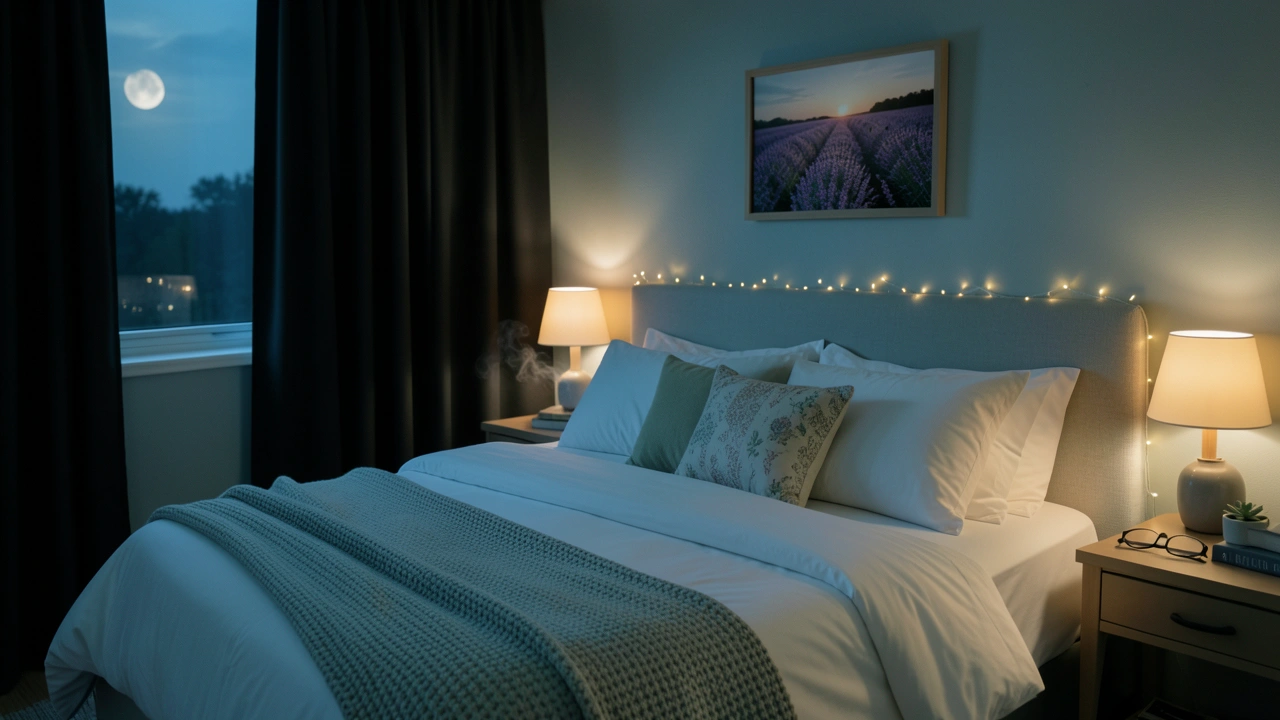
Your bedroom environment plays a huge role in how well you sleep. Think of your bedroom as a special haven just for rest and relaxation. Making it dark, quiet, and cool can signal to your brain that it’s time to wind down.
Even small changes can make a big difference in helping you fall asleep faster and stay asleep longer. This section focuses on the simple, physical things you can do in your room to get the best sleep.
Optimizing Your Bedroom for Sleep
The ideal bedroom for sleep is one that feels like a cave. It should be as dark as possible, even from tiny lights from electronics. Darkness tells your brain it’s time to make melatonin, a sleep hormone.
Sound is also important. Any noise can wake you up or keep you from falling into deep sleep. Keeping your room at a cool temperature helps your body prepare for sleep, as your body temperature naturally drops.
Here are some key elements for a sleep-friendly bedroom:
- Darkness: Use blackout curtains or blinds to block out all light. Cover or remove any glowing electronics. Even a small light can disrupt melatonin production.
- Quiet: Use earplugs if noise is an issue. A white noise machine or a fan can also help mask distracting sounds and create a consistent, calming background noise.
- Cool Temperature: The best temperature for sleep is generally between 60-67 degrees Fahrenheit (15-19 degrees Celsius). A slightly cooler room helps your body’s core temperature drop, which is a signal to sleep.
- Comfortable Bedding: Ensure your mattress and pillows are comfortable and supportive. Clean, breathable sheets can also make a difference in temperature regulation and overall comfort.
Making these adjustments can transform your bedroom into a powerful ally for good sleep.
The Power of a Consistent Bedtime Routine
A bedtime routine is a set of relaxing activities you do every night before going to sleep. This signals to your body and mind that it’s time to wind down. It’s like a gentle transition from the busyness of the day to the calmness of sleep.
Consistency is key; doing the same things at the same time each night helps your body get ready.
Examples of relaxing bedtime activities include:
- Taking a warm bath or shower: The rise and fall of body temperature after a warm bath can promote sleepiness.
- Reading a book (a physical one, not on a screen): This helps to relax your mind and takes your focus away from daily worries.
- Gentle stretching or yoga: Light physical activity can release muscle tension and prepare your body for rest.
- Listening to calm music or a podcast: Choose something soothing and not too stimulating for your brain.
Your routine doesn’t have to be long; even 30 minutes of consistent, calming activities can make a big difference. The most important thing is that it’s relaxing for you and done regularly.
Managing Light Exposure
Light is one of the most powerful signals for your internal body clock. During the day, bright light, especially sunlight, tells your body to be awake and alert. As the day turns to night, dimming the lights signals that it’s time to wind down and prepare for sleep.
Artificial light, especially the blue light from screens, can trick your brain into thinking it’s still daytime.
Here’s how to manage light for better sleep:
- Morning Light: Get exposure to bright natural light as soon as you wake up. This helps set your internal clock for the day and signals wakefulness.
- Evening Dimming: In the hours before bed, dim the lights in your home. Use lamps with warm-toned bulbs instead of bright overhead lights.
- Screen Time: Avoid screens (phones, tablets, computers, TVs) for at least an hour before bed. If you must use them, use a blue light filter or wear blue-light-blocking glasses.
Being mindful of when and how much light you’re exposed to can greatly improve your ability to fall asleep naturally.
Lifestyle Changes for Better Sleep
Beyond your bedroom, what you do during the day significantly impacts how you sleep at night. This includes what you eat and drink, how much you move, and how you manage stress. Making small adjustments to your daily habits can lead to big improvements in your sleep quality.
This section looks at the bigger picture of your lifestyle and how it connects to your rest.
The Impact of Diet and Hydration
What you consume has a direct effect on your sleep. Heavy meals close to bedtime can make it hard to get comfortable and digest properly. Caffeine and alcohol are also common culprits that disrupt sleep.
Caffeine is a stimulant that can keep you awake, even hours after you’ve had it. Alcohol might make you feel drowsy initially, but it often leads to waking up in the middle of the night.
It’s also important to stay hydrated, but not too much right before bed. Drinking too much liquid late at night can mean frequent trips to the bathroom. Instead, focus on sipping water throughout the day.
- Limit Caffeine: Try to avoid caffeine after midday. Coffee, tea, soda, and even chocolate contain caffeine.
- Moderate Alcohol: If you drink alcohol, do so in moderation and several hours before bed.
- Mindful Eating: Avoid large, heavy, or spicy meals within 2-3 hours of bedtime. A light, healthy snack is okay if you’re hungry.
- Hydration Balance: Drink plenty of water throughout the day but taper off in the evening to avoid nighttime awakenings.
These dietary adjustments are simple yet powerful tools for improving sleep.
Exercise and Sleep Quality
Regular physical activity can be a wonderful way to improve sleep. When you exercise, your body releases endorphins, which can reduce stress and improve your mood. It also helps regulate your body temperature, which is important for sleep.
However, the timing of your exercise matters. Intense workouts too close to bedtime can be overstimulating.
Research shows that people who exercise regularly tend to fall asleep faster and have deeper, more restorative sleep. A study published in the Journal of Clinical Sleep Medicine found that consistent moderate exercise improved sleep quality for adults with insomnia. The key is consistency and finding the right time for you.
- Morning or Afternoon Exercise: Exercising earlier in the day is often best for sleep. It allows your body time to wind down before bed.
- Moderate Intensity: Aim for moderate-intensity aerobic activities most days of the week.
- Evening Wind-Down: If you prefer to exercise in the evening, try to finish at least 2-3 hours before you plan to sleep. Focus on gentler activities like stretching or yoga.
Incorporating movement into your day is a natural way to prepare your body for sleep.
Stress Management Techniques
Stress is a major enemy of sleep. When you’re stressed, your body releases cortisol, a hormone that keeps you alert and can prevent you from relaxing. Finding ways to manage stress is crucial for sleeping better naturally.
This involves learning to quiet your mind and let go of worries.
Here are some effective stress management techniques:
- Mindfulness and Meditation: Spending just a few minutes each day practicing mindfulness or guided meditation can help calm your racing thoughts. There are many apps available that offer free guided sessions for beginners.
- Deep Breathing Exercises: Simple deep breathing can activate your body’s relaxation response. Inhale slowly through your nose, hold for a few seconds, and exhale slowly through your mouth.
- Journaling: Writing down your thoughts and worries before bed can help get them out of your head and onto paper. This can make them feel less overwhelming.
- Spending Time in Nature: Even short periods outdoors can reduce stress hormones and improve mood.
Learning to manage stress doesn’t just help your sleep; it improves your overall well-being.
Natural Aids and Mind-Body Techniques
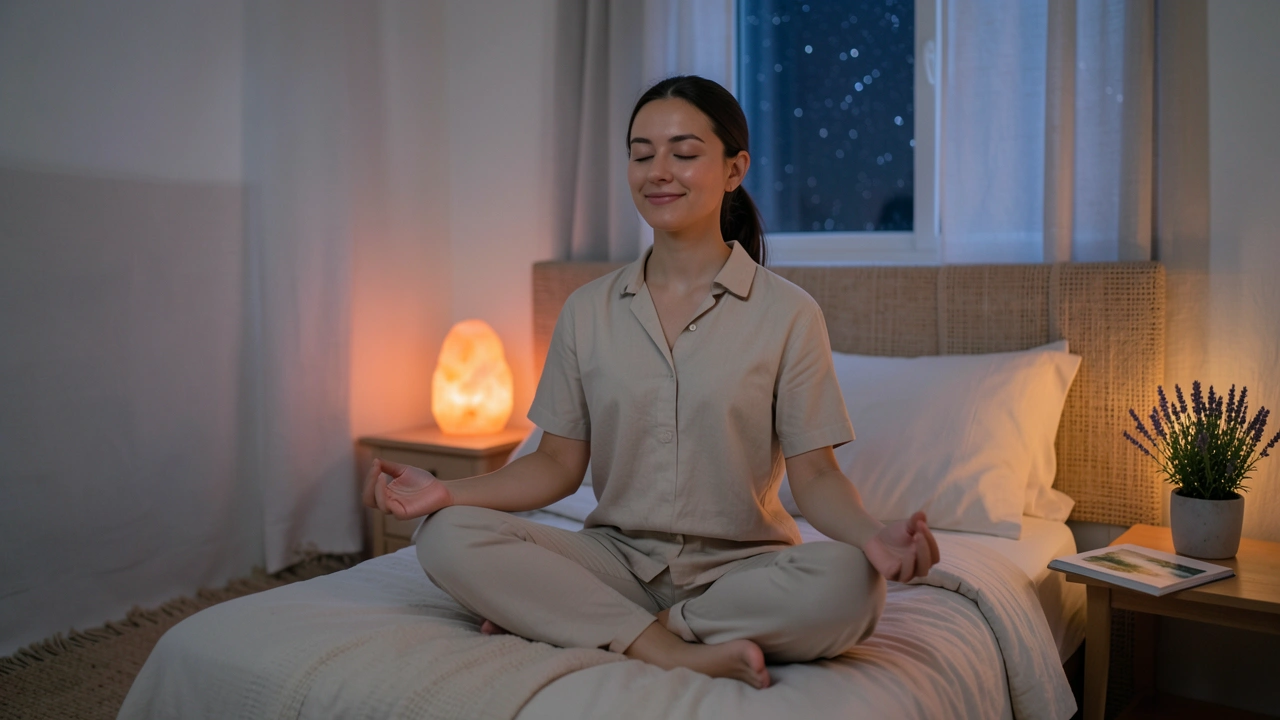
Sometimes, we need a little extra help to coax our bodies into sleep. Fortunately, there are many natural options and techniques that can support restful sleep without medication. These methods work by promoting relaxation, calming the nervous system, and encouraging the body’s natural sleep processes.
This section explores some of these gentle yet effective approaches.
Herbal Remedies and Supplements
Certain herbs have been used for centuries to promote relaxation and sleep. Valerian root, chamomile, and lavender are among the most popular. These can be taken as teas, tinctures, or capsules.
It’s important to remember that even natural supplements can have side effects or interact with medications, so it’s always a good idea to talk to your doctor before trying them.
Key natural remedies include:
- Chamomile Tea: Known for its calming properties, chamomile can help relax your mind and body. It contains apigenin, an antioxidant that may bind to certain receptors in the brain that decrease anxiety.
- Valerian Root: This herb has been used as a sleep aid for a long time. It’s thought to work by increasing levels of a chemical messenger in the brain called GABA, which helps calm nerve activity.
- Lavender: The scent of lavender is widely known for its relaxing effects. You can use lavender essential oil in a diffuser, add a few drops to your bath, or use lavender-scented pillow sprays.
While these can be helpful, they are not a magic bullet. They work best when combined with other good sleep habits.
Mind-Body Practices for Sleep
Practices that connect your mind and body are excellent for encouraging sleep. Yoga, tai chi, and progressive muscle relaxation are all designed to reduce tension and promote a state of calm. These techniques teach you to become more aware of your body and to release physical and mental tightness.
Progressive muscle relaxation, for example, involves tensing and then releasing different muscle groups. This process helps you become more attuned to the feeling of tension and the release of that tension. By systematically relaxing your muscles, you can also help calm your nervous system, making it easier to drift off to sleep.
- Yoga for Sleep: Gentle yoga poses, especially those done in the evening, can help release physical tension accumulated during the day. Poses like child’s pose or legs-up-the-wall pose are particularly good for relaxation.
- Progressive Muscle Relaxation (PMR): This technique involves consciously tensing and then relaxing different muscle groups in your body. It helps you identify and release physical stress, leading to a deeper sense of calm.
- Tai Chi: This slow, gentle form of exercise involves flowing movements and deep breathing. It can help reduce stress and improve balance, both physically and mentally.
These practices are about building a consistent habit of relaxation that carries over into your sleep.
Aromatherapy and Sleep
Aromatherapy uses essential oils to improve well-being. The scent of certain oils, like lavender, has been shown to have a relaxing effect. When inhaled, these scents can influence brain activity and promote feelings of calm.
This can be a simple and pleasant addition to a bedtime routine.
Using aromatherapy safely involves diluting essential oils properly and ensuring you don’t have any sensitivities. A diffuser is a popular way to fill a room with a calming scent. You can also put a drop on your pillowcase or add a few drops to a warm bath.
The goal is to create a soothing atmosphere that signals sleep is near.
- Lavender: The most well-researched oil for sleep, known for its calming and sedative properties.
- Chamomile: Similar to chamomile tea, its essential oil can help reduce anxiety and promote relaxation.
- Bergamot: This citrus oil can help reduce stress and improve mood, indirectly aiding sleep.
The effectiveness of aromatherapy can vary from person to person, but many find it a gentle and enjoyable way to unwind.
Frequently Asked Questions
Question: Is it really possible to sleep better without pills?
Answer: Yes, absolutely! Many people find they can significantly improve their sleep by making lifestyle changes, creating a good sleep environment, and using relaxation techniques. Pills can sometimes help in the short term, but natural methods often address the root causes of sleep problems for long-lasting results.
Question: How long does it take to see results from natural sleep methods?
Answer: It can vary. Some people notice improvements within a few days, while for others, it might take a few weeks of consistent effort. It’s important to be patient and stick with the changes you’re making.
Think of it as retraining your body and mind for better sleep.
Question: What if I have tried these things and still can’t sleep?
Answer: If you’ve tried these natural methods consistently and are still struggling, it’s a good idea to talk to a doctor. There might be an underlying medical condition affecting your sleep that needs professional attention. They can help rule out any other issues and suggest further steps.
Question: Can I combine some of these natural methods?
Answer: Yes, definitely! The best approach is often to combine several strategies. For instance, you could create a dark, quiet bedroom, have a relaxing bedtime routine that includes reading and chamomile tea, and practice deep breathing exercises.
Many people find a multi-faceted approach works best.
Question: How important is consistency with a bedtime routine?
Answer: Consistency is extremely important. Your body thrives on routine. By doing the same relaxing activities at roughly the same time each night, you train your body and mind to recognize that it’s time to wind down and prepare for sleep.
This predictability can make a big difference in falling asleep more easily.
Final Thoughts
Learning How to Sleep Better Naturally Without Medication is achievable. You’ve explored creating a calming bedroom, building routines, and adjusting daily habits. Gentle, natural techniques can also support your rest.
Start with small changes, be patient, and celebrate your progress towards waking up refreshed and energized each day.
Leave a Reply