
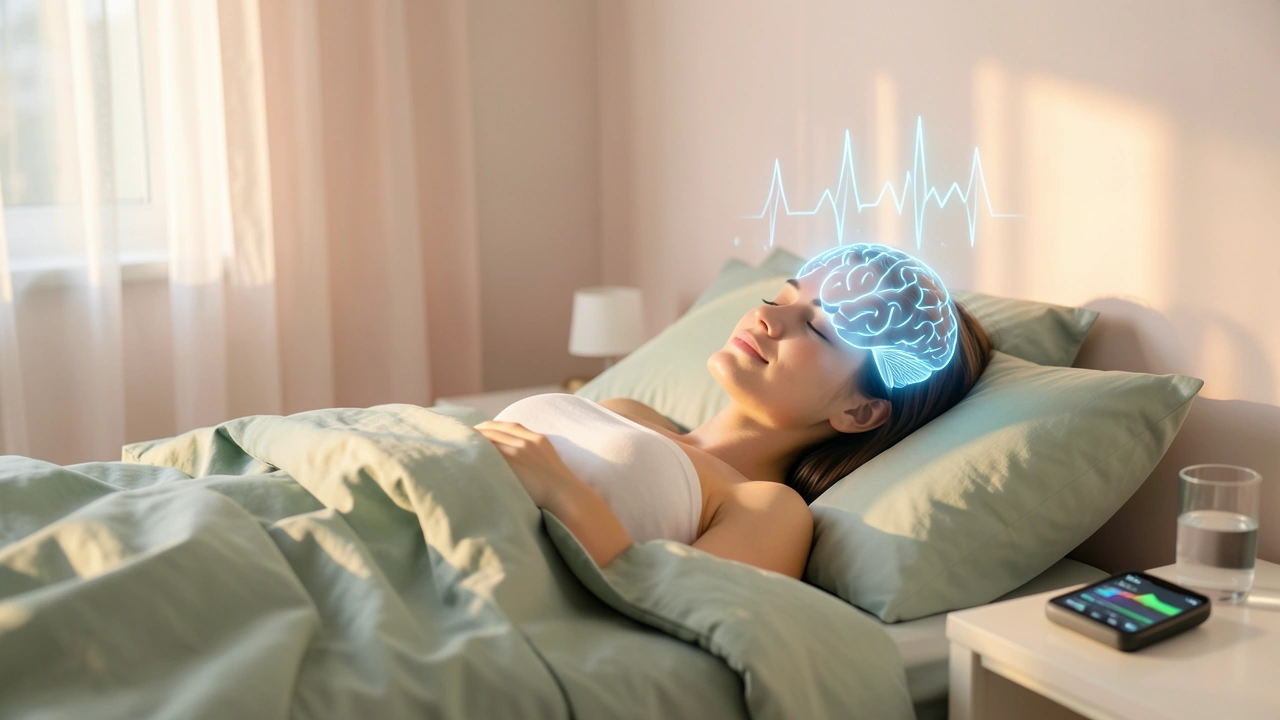
Feeling tired when you wake up? Many people wonder How to Wake Up Refreshed Every Morning (Science-Based). It can seem tricky to figure out.
But it doesn’t have to be hard! We’ll show you a simple way to make mornings better. Stick around to learn what to do next.
Understanding Sleep and Wakefulness Cycles
This part helps us see how our bodies naturally work with sleep and waking up. It’s all about understanding the signals our brains and bodies send. Knowing these signals is the first step to feeling more awake and ready for the day.
We will look at the natural rhythms that control when we feel sleepy and when we feel alert. This knowledge is key to making real changes.
Your Body’s Inner Clock
Every living thing has an internal clock. This clock is called the circadian rhythm. It tells your body when to sleep and when to wake up.
It also affects your mood and how well you do things during the day. This rhythm is mostly controlled by light. When it’s light, your body thinks it’s time to be awake.
When it’s dark, it knows it’s time to rest.
The circadian rhythm is a cycle that lasts about 24 hours. It’s like a master conductor for many body processes. This includes hormone release, body temperature, and cell repair.
When this rhythm is in sync, you feel good. When it’s out of sync, you can feel tired and groggy.
Light is the biggest factor influencing your circadian rhythm. Your eyes detect light, and this signal goes to a special part of your brain. This part, called the suprachiasmatic nucleus (SCN), then tells your body what to do.
It helps set the timing for when you feel sleepy and when you feel awake.
The Science of Sleep Stages
When you sleep, you go through different stages. These stages are important for your body and mind. They are not all the same.
Some stages are for resting your body, while others are for your brain to process things.
There are two main types of sleep: REM (Rapid Eye Movement) sleep and non-REM sleep. Non-REM sleep has four stages. The first stage is very light sleep.
You can be woken up easily. The second stage is a bit deeper. Your heart rate slows down and your body temperature drops.
The third and fourth stages are deep sleep. This is when your body repairs itself and grows. Your brain waves slow down a lot.
It’s hard to wake someone up during deep sleep. REM sleep is different. Your eyes move quickly under your eyelids.
Your brain activity is high, almost like when you’re awake. This is when most dreaming happens. Getting enough of all these stages is important for waking up refreshed.
A full sleep cycle, from the start of non-REM to the end of REM, usually lasts about 90 to 110 minutes. You go through several of these cycles each night. The amount of time spent in each stage can change throughout the night.
Early in the night, you spend more time in deep sleep. Later in the night, you spend more time in REM sleep.
Why Sleep Stages Matter for Waking Up
Waking up from the right sleep stage can make a big difference. If you wake up during deep sleep, you will likely feel groggy and confused. This feeling is called sleep inertia.
It’s like your brain is still trying to catch up. Your ability to think clearly and react quickly is reduced.
Waking up from a lighter stage of sleep, like stage 2 non-REM or even REM sleep, can make you feel more alert. Your body is already getting ready to wake up. It’s less of a shock to your system.
This is why trying to time your wake-up can be helpful.
Think of it like this: imagine your alarm clock goes off when your body is still in a very deep, restorative sleep. It’s like pulling a plant out of the soil before it’s ready to grow. It can shock the plant.
Similarly, waking from deep sleep can shock your brain.
On the other hand, if your alarm goes off when you are in a lighter stage of sleep, it’s like gently nudging the plant. It’s a smoother transition. Your body is more prepared for the change from sleeping to being awake.
The Role of Light in Alertness
Light is one of the most powerful signals our bodies use to know when to be awake. When light enters our eyes, it tells our brain that it’s daytime. This helps to suppress the production of melatonin.
Melatonin is a hormone that makes us feel sleepy. Exposure to light, especially natural sunlight, helps to reset our internal clock each day.
The color of light also plays a role. Blue light, which is common in sunlight and also from screens like phones and computers, is very effective at signaling to our brain that it’s daytime. This is why bright light in the morning can help us feel more awake.
It tells our body to stop producing melatonin and start feeling alert.
Conversely, dim light or darkness helps our body produce melatonin. This makes us feel sleepy and ready for bed. Understanding how light affects us can help us manage our sleep and wake cycles better.
For example, getting bright light exposure soon after waking up can signal to your body that it’s time to be alert.
This effect is so strong that even artificial light can influence our sleep patterns. This is why using bright lights in the morning and dimming lights in the evening can be so beneficial. It aligns our internal clock with the natural day-night cycle.
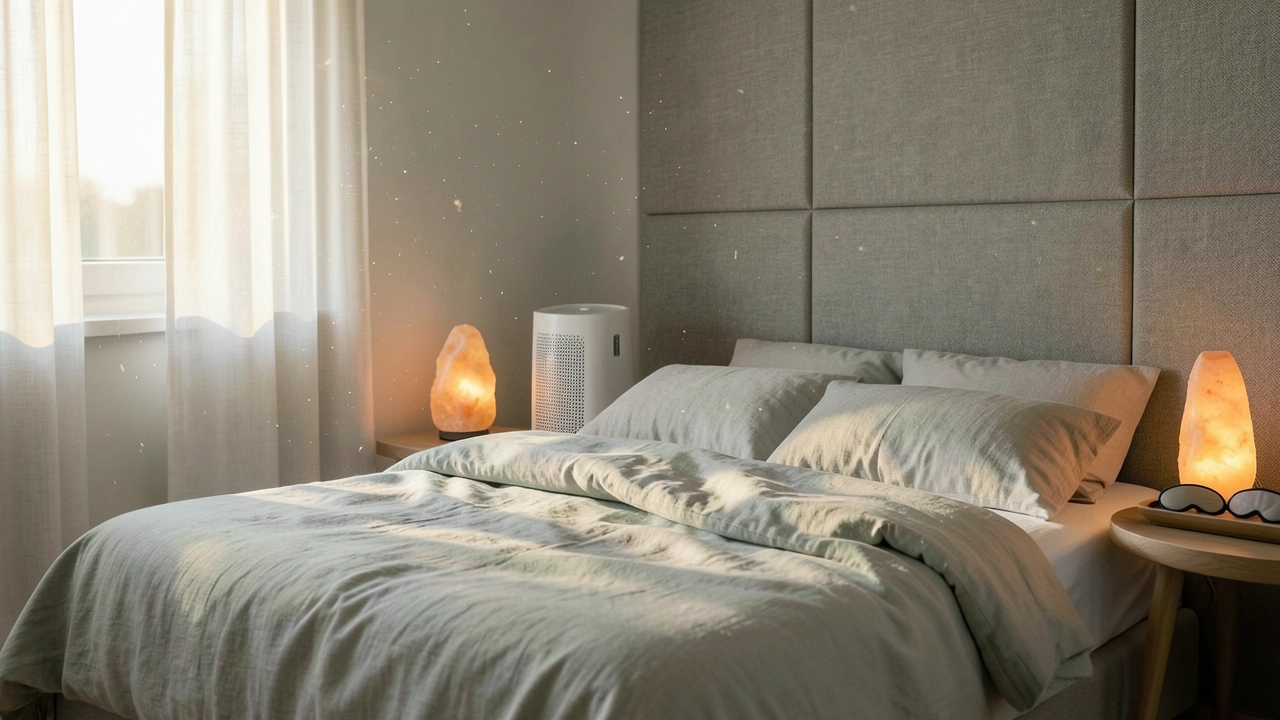
Creating Your Ideal Sleep Environment
Your bedroom should be a place that helps you relax and sleep well. Making some simple changes can greatly improve the quality of your sleep. It’s not just about how long you sleep, but how restful that sleep is.
This section focuses on making your sleeping space as helpful as possible for getting good rest.
Darkness: Your Sleep’s Best Friend
Darkness is incredibly important for good sleep. Our bodies are wired to sleep when it’s dark. Even a little bit of light can trick your brain into thinking it’s still daytime.
This stops your body from making melatonin, the hormone that helps you fall asleep and stay asleep. This is why making your bedroom as dark as possible is a key step in waking up refreshed.
Think about it: before electric lights, people naturally slept when it was dark and woke with the sun. Modern life has made it easy to ignore this. Small lights from electronics, streetlights outside, or even a digital clock can disrupt your sleep.
These lights can prevent you from entering deep sleep, which is vital for feeling rested.
Using blackout curtains can be a game-changer. They are thicker than regular curtains and block out almost all light. This creates a true dark environment.
Even if you have a lot of light coming from outside, blackout curtains can make your room a sleep sanctuary. They create the perfect conditions for your body to produce melatonin naturally.
Other simple solutions include covering any small lights from electronics with tape or unplugging devices that aren’t needed. Wearing a comfortable eye mask is also a great option. It ensures that no light reaches your eyes, no matter what.
Keeping it Cool and Quiet
Your bedroom’s temperature and noise level also play a big role in how well you sleep. Most people sleep best in a cool room. A temperature between 60-67 degrees Fahrenheit (15-19 degrees Celsius) is often recommended.
When you sleep in a room that is too warm, your body temperature might not drop enough. This can make it harder to fall asleep and stay asleep.
A cooler environment helps signal to your body that it’s time to rest. It mimics the natural drop in body temperature that happens as we prepare for sleep. This can lead to more restorative sleep stages.
A fan can help with both cooling and creating a consistent, soothing noise.
Noise can also be a major sleep disruptor. Even if you don’t fully wake up, sounds can pull you out of deep sleep. This can leave you feeling tired.
Using earplugs can help block out sudden noises. A white noise machine or a fan can also be useful. These create a steady, low-level sound that can mask other distracting noises.
The goal is to create a peaceful environment. This means minimizing any interruptions that might pull you out of your sleep cycle. A cool, quiet room tells your body it’s safe to rest deeply.
Comfortable Bedding and Pillows
The comfort of your bed is fundamental to good sleep. If your mattress or pillows are old, uncomfortable, or not suited to your needs, they can lead to tossing and turning. This disrupts your sleep.
Investing in good quality bedding and pillows can make a significant difference in how refreshed you feel.
Your mattress should provide good support for your body. It should cradle your curves and keep your spine aligned. There are many types of mattresses, like memory foam, innerspring, or hybrid.
Each offers a different feel and support level. Trying out different types or reading reviews can help you choose the right one.
Pillows are also very important. They support your head and neck. The right pillow depends on how you sleep.
Side sleepers often need a firmer, thicker pillow to keep their neck aligned. Back sleepers might prefer a medium pillow. Stomach sleepers often need a softer, thinner pillow.
The materials of your bedding also matter. Breathable fabrics like cotton or linen can help regulate your body temperature. This keeps you from getting too hot or too cold during the night.
If you tend to overheat, look for bedding that wicks away moisture.
A comfortable sleep setup is not just about luxury; it’s about giving your body the best chance to relax and repair itself. When you are comfortable, your body can enter deeper stages of sleep more easily, leading to a more refreshing wake-up.
Establishing Healthy Sleep Habits
Beyond your sleep environment, what you do during the day and evening greatly impacts your sleep quality. Creating a consistent routine for sleep is one of the most powerful ways to ensure you wake up feeling good. These habits help train your body to expect sleep at a certain time and to wake up naturally.
The Power of a Consistent Sleep Schedule
Going to bed and waking up at roughly the same time every day is perhaps the most important habit for good sleep. This includes weekends. While it might be tempting to sleep in on Saturdays and Sundays, this can actually mess up your body’s internal clock.
It’s like giving yourself ‘social jetlag’.
When you have a consistent schedule, your body learns when to expect to sleep and when to expect to be awake. This makes falling asleep easier and waking up more natural. Your circadian rhythm becomes more stable and reliable.
Even if you have a bad night’s sleep, sticking to your schedule the next day helps get you back on track.
Consistency helps regulate the production of melatonin and cortisol. Melatonin is the sleep hormone, and cortisol is a stress hormone that helps you wake up. When your schedule is irregular, these hormones can become out of balance.
This leads to feeling tired and having trouble sleeping.
Think of your body like a well-tuned instrument. A consistent schedule helps keep it in tune. An irregular schedule throws it off key.
Aim to go to bed and wake up within an hour of your usual times, even on days off.
Example of a Consistent Schedule Impact
Sarah used to work late nights and sleep in on weekends. She often felt tired during the week and groggy on Mondays. She decided to try a consistent sleep schedule.
She started going to bed around 10:30 PM and waking up at 6:30 AM every day, including weekends.
Within two weeks, she noticed a big difference. Falling asleep became easier. She woke up before her alarm most mornings, feeling alert and refreshed.
Her energy levels throughout the day improved. Her ability to focus at work also got better. This simple change had a profound impact on her daily life.
Diet and Exercise for Better Sleep
What you eat and drink, and how much you exercise, can greatly affect your sleep. For example, consuming caffeine late in the day can make it very hard to fall asleep. Caffeine is a stimulant that blocks chemicals in your brain that make you feel tired.
Alcohol might make you feel sleepy at first, but it can disrupt sleep later in the night.
Heavy meals close to bedtime can also cause discomfort and indigestion, making sleep difficult. It’s generally recommended to avoid large meals within two to three hours of going to bed. However, a light, healthy snack might be helpful if you feel hungry.
Regular exercise is usually very good for sleep. It can help you fall asleep faster and deepen your sleep. However, exercising too close to bedtime might be too stimulating for some people.
Try to finish vigorous workouts at least a few hours before you plan to sleep.
The timing and type of exercise matter. Moderate exercise like walking or yoga can be done later in the day. Intense workouts are best done earlier.
Staying hydrated is also important, but try not to drink too much liquid right before bed to avoid waking up to use the restroom.
Mindfulness and Relaxation Techniques
Stress and a racing mind are common reasons people have trouble sleeping. Learning to relax your mind before bed can be incredibly helpful. This is where mindfulness and relaxation techniques come in.
They help calm your nervous system.
Deep breathing exercises are a simple yet effective technique. You inhale slowly and deeply through your nose, hold for a moment, and exhale slowly through your mouth. This can slow your heart rate and calm your body.
Progressive muscle relaxation is another technique. You tense and then release different muscle groups in your body, one by one.
Meditation, even for a few minutes, can also help quiet a busy mind. There are many guided meditations available online or through apps that are specifically designed for sleep. The goal is to shift your focus away from worries and into the present moment, or simply to a state of calm.
These techniques help reduce the stress hormones like cortisol that can keep you awake. By practicing them regularly, you train your body and mind to wind down. This makes the transition to sleep much smoother.
It prepares you to wake up feeling more at peace and refreshed.

The Impact of Technology on Sleep
In our modern world, technology is everywhere, and it often finds its way into our bedrooms. While helpful for many things, the screens of our devices can be a major obstacle to good sleep. Understanding this impact is crucial for learning How to Wake Up Refreshed Every Morning (Science-Based).
Blue Light and Screen Time Before Bed
Electronic devices like smartphones, tablets, computers, and even TVs emit a type of light called blue light. This blue light is particularly effective at telling your brain it’s daytime. When you expose your eyes to this light in the hours before bed, it signals to your brain to suppress melatonin production.
Melatonin is the hormone that tells your body it’s time to sleep. By reducing melatonin, blue light makes it harder to fall asleep. It also can lead to less restful sleep.
This is why many sleep experts recommend avoiding screens for at least an hour or two before going to bed. Even dimming your screens or using blue light filters might not be enough to fully counteract the effect.
The impact of blue light is significant. Studies have shown that exposure to blue light in the evening can delay your body’s internal clock by up to three hours. This makes it harder to fall asleep at your desired bedtime and harder to wake up feeling refreshed the next morning.
It disrupts the natural circadian rhythm.
Consider this: your body naturally starts preparing for sleep as the sun sets and darkness falls. The absence of bright light signals the release of melatonin. Using bright screens at night overrides this natural signal, confusing your body’s sleep-wake cycle.
It’s like trying to tell your body to sleep when the sun is shining brightly.
Creating a Tech-Free Sleep Sanctuary
To combat the negative effects of technology, creating a tech-free sleep sanctuary is essential. This means making your bedroom a place where you don’t use electronic devices. The bedroom should be associated with sleep and relaxation, not with scrolling through social media or watching videos.
This involves keeping phones, tablets, laptops, and even TVs out of the bedroom if possible. If you must use a phone for an alarm, place it across the room so you have to get out of bed to turn it off. This can help prevent late-night scrolling.
You can also use a traditional alarm clock instead of your phone.
The idea is to break the habit of reaching for your phone as soon as you wake up or before you go to sleep. This allows your mind to wind down naturally. It helps your body prepare for sleep without the artificial stimulation of screens.
This creates a clearer separation between your waking life and your sleep time.
By removing these distractions, you signal to your brain that it’s time to switch off. This promotes deeper sleep and makes it easier to wake up feeling truly rested. Your bedroom then becomes a place of true rest and rejuvenation.
Waking Up Smart: Timing and Habits
Once you have a good sleep environment and healthy habits, the next step is to think about how you actually wake up. The way you transition from sleep to wakefulness can greatly impact how refreshed you feel. This section focuses on making your mornings smoother and more energizing.
Using Alarms Wisely
Alarms can be a necessary evil for many of us. However, the type of alarm and how you use it can make a big difference. A jarring, loud alarm can be startling and stressful, making you feel more groggy.
Gentle alarms or those that simulate sunrise can be much more effective.
Sunrise alarm clocks are designed to gradually increase light in your room before your alarm sounds. This mimics natural dawn. This gentle light exposure helps your body’s circadian rhythm.
It signals that it’s time to wake up naturally. By the time the sound alarm goes off, you are already in a lighter stage of sleep.
If you use a smartphone, there are apps that can help. Some apps track your sleep cycles and aim to wake you up during a lighter sleep stage. This is known as smart alarm functionality.
They often use your phone’s accelerometer to detect movement.
Another simple trick is to place your alarm clock across the room. This forces you to get out of bed to turn it off. The physical act of getting up can help shake off sleep inertia.
It also prevents you from hitting the snooze button multiple times, which can leave you feeling more tired.
Avoid the snooze button if possible. While it seems helpful, repeatedly waking and falling back to sleep in short bursts can disrupt your sleep architecture. This can lead to increased sleep inertia and feeling groggier throughout the morning.
The Importance of Morning Light Exposure
Just as darkness is key for sleep, light is key for waking up. Getting exposure to bright light soon after you wake up is one of the most effective ways to signal to your body that it’s time to be alert. Natural sunlight is best.
Try to open your curtains or blinds right away.
If it’s still dark outside when you wake up, consider using a light therapy lamp. These lamps emit bright light that mimics natural sunlight. They can be particularly helpful during darker months or if you have to wake up before sunrise.
Aim for about 15-30 minutes of exposure within the first hour of waking.
This morning light exposure helps reset your circadian rhythm. It tells your brain to stop producing melatonin and start producing other hormones that promote alertness. It can also improve your mood and cognitive function throughout the day.
Think of it as a powerful wake-up call for your internal clock. Without this signal, your body might remain in a sleepy state for longer, even after you’re out of bed. This morning light ritual is a simple yet powerful tool for feeling more awake and refreshed.
Gentle Movement and Hydration
Once you’re awake, engaging in some gentle movement and hydrating can further boost your alertness. A few simple stretches can help wake up your muscles and improve blood circulation. This doesn’t need to be a full workout; just a few minutes of stretching or light activity can make a difference.
Drinking a glass of water shortly after waking is also highly recommended. Your body loses water overnight through breathing and sweating. Rehydrating helps re-energize your body and mind.
It can help kickstart your metabolism and improve cognitive function. It’s like giving your body a fresh start.
Combining these two practices—gentle movement and hydration—creates a positive feedback loop. The water helps your body function better, and the movement helps shake off any lingering sleepiness. This gentle approach to waking up is much more effective than a jarring alarm or hitting snooze repeatedly.
These simple habits set a positive tone for the rest of your day. They help transition your body smoothly from sleep to wakefulness. This makes it easier to feel alert, focused, and ready to tackle your tasks.
Frequently Asked Questions
Question: How much sleep do I actually need?
Answer: Most adults need between 7 to 9 hours of sleep per night. Younger people and teenagers often need more. The exact amount can vary from person to person.
Question: Can I catch up on sleep on the weekends?
Answer: While sleeping in on weekends might feel good, it can disrupt your body’s internal clock. It’s better to stick to a consistent sleep schedule as much as possible, even on days off.
Question: What if I have trouble falling asleep?
Answer: Try to create a relaxing bedtime routine. Avoid screens before bed, make your room dark and cool, and try relaxation techniques like deep breathing.
Question: Is it okay to have a cup of coffee in the morning?
Answer: Yes, for most people, morning coffee is fine and can even help with alertness. However, avoid caffeine in the afternoon and evening as it can interfere with sleep.
Question: Why do I feel so groggy even after 8 hours of sleep?
Answer: This could be due to several factors, such as waking up during deep sleep, an inconsistent sleep schedule, or an uncomfortable sleep environment. Improving your sleep hygiene can help.
Wrap Up
Waking up refreshed is achievable. Focus on a dark, cool, and quiet bedroom. Stick to a regular sleep schedule.
Limit screen time before bed. Use alarms wisely and embrace morning light. Small, consistent changes make a big difference for better mornings.
Leave a Reply