
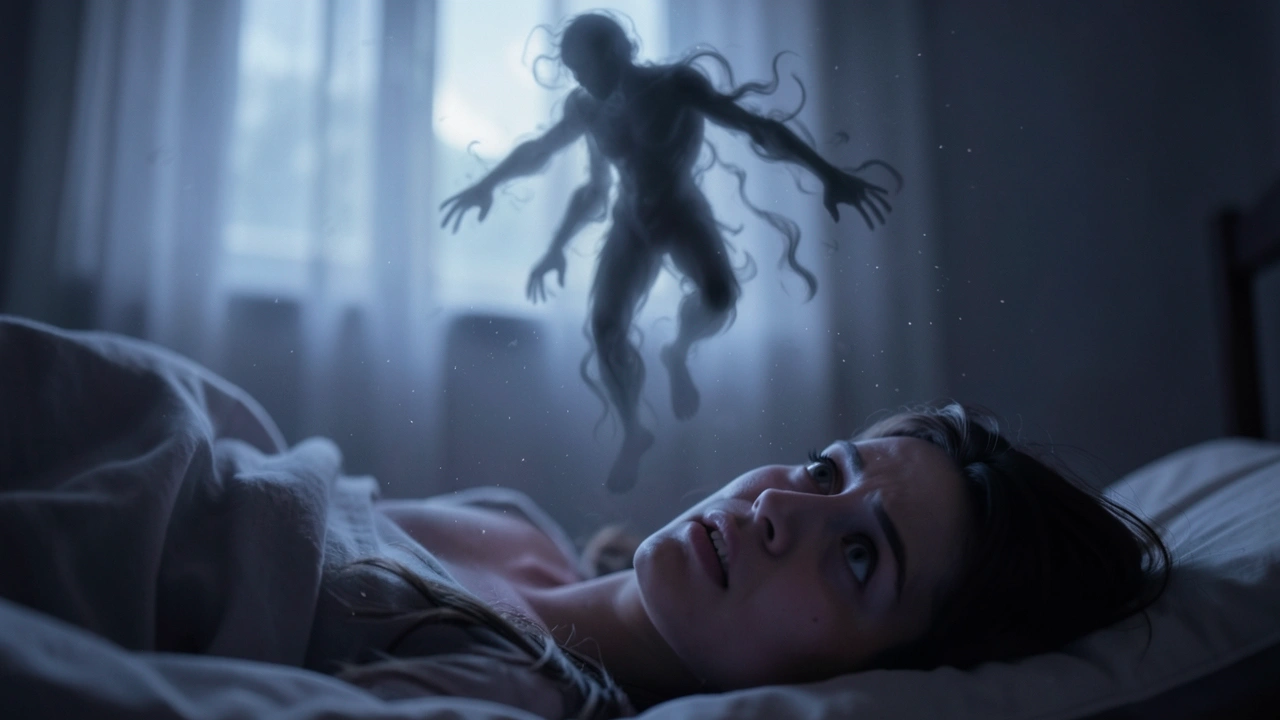
Experiencing sleep paralysis can be pretty scary, especially when you first go through it. It’s like being awake but unable to move, and your mind can play tricks on you. That’s why Sleep Paralysis Explained: Causes, Myths, and Fixes is something many people find confusing or frightening.
But don’t worry! We’re going to break it down super simply, step by step, so you can understand what’s happening. Get ready to learn all about it and find out how to make it stop.
What is Sleep Paralysis?
This section is all about understanding the basic idea of sleep paralysis. We’ll talk about what it feels like and when it usually happens. You’ll get a clear picture of this strange sleep experience.
We’ll cover the main points to help you grasp what sleep paralysis is all about.
Feeling Awake, But Stuck
Imagine you’re just waking up, or maybe you’re falling asleep. Suddenly, you realize you can’t move any of your body. It’s like your mind is fully alert, but your muscles are still asleep.
This is the core feeling of sleep paralysis.
-
The Body’s “Off Switch”: During REM sleep, your body naturally paralyzes your muscles. This is a good thing! It stops you from acting out your dreams. So, sleep paralysis is like that paralysis sticking around for a bit too long when you’re waking up or falling asleep.
Think of it like your brain sending a “stop moving” signal to your muscles, but the signal doesn’t turn off when it’s supposed to. This signal is part of a natural process called REM atonia. It’s meant to keep you safe so you don’t hurt yourself while dreaming.
-
Feeling of Awareness: Even though your body is stuck, your mind is often very aware. You can see, hear, and feel your surroundings. This contrast between being awake mentally but unable to move physically is what makes sleep paralysis so unsettling for many.
This awareness can lead to a lot of anxiety. You might feel a sense of panic because you can’t respond to anything. Your brain is fully functional, but your body won’t obey your commands.
It’s a very strange sensation that can be hard to describe.
-
Duration: Episodes of sleep paralysis usually don’t last very long. They might feel like an eternity while they’re happening, but they often end on their own within a minute or two. Sometimes, a loved one touching you or a loud noise can help snap you out of it.
It’s important to know that even though it feels incredibly long, it’s typically a short event. This knowledge can help reduce the fear associated with it. Most people can regain control of their bodies without any lasting effects.
When Does it Happen?
Sleep paralysis typically happens at the edges of sleep. This means it occurs either when you’re falling asleep (hypnagogic) or when you’re waking up (hypnopompic). Both phases are times when your body is transitioning between different sleep states.
-
Falling Asleep (Hypnagogic): When you’re drifting off to sleep, your body is getting ready for REM sleep. This is when your muscles become relaxed. If you become consciously aware before this relaxation process is complete, or if the paralysis lingers as you fall asleep, you might experience sleep paralysis.
This phase is a transition point. Your brain is starting to slow down, but consciousness hasn’t fully faded yet. If you’re still partly awake when your body starts to shut down its muscles for sleep, that’s when it can happen.
-
Waking Up (Hypnopompic): As you wake up from REM sleep, your body should gradually stop being paralyzed. However, sometimes the paralysis wears off slower than your consciousness returns. This lag can result in a period of sleep paralysis.
This is the more common time for sleep paralysis to occur. It’s when your brain is waking up, but your body is still under the effects of the REM sleep muscle paralysis. It’s like your body is on a slightly different time schedule than your mind.
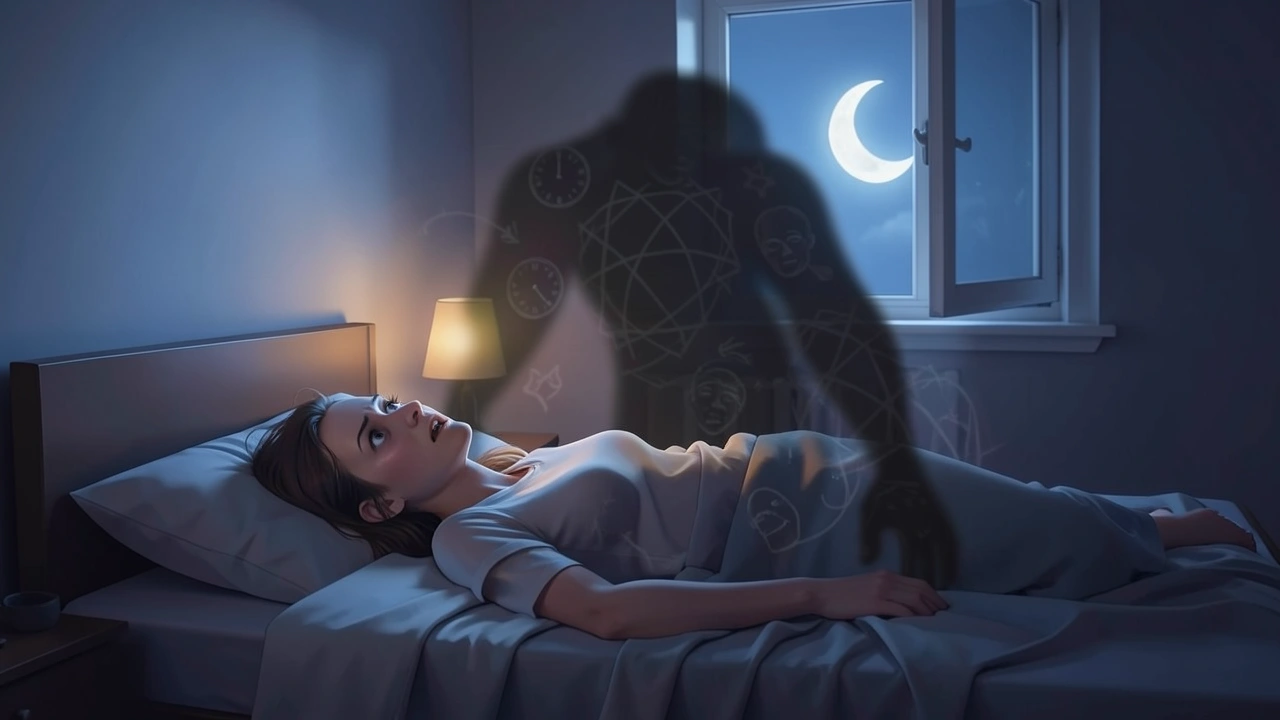
Causes of Sleep Paralysis
Now let’s look at why sleep paralysis happens. There isn’t one single reason, but several factors can increase your chances of experiencing it. Understanding these can help you make changes to reduce how often it occurs.
Sleep Habits and Schedule
Irregular sleep patterns are a big contributor. When your sleep schedule is all over the place, it can confuse your body’s natural sleep-wake cycle. This can lead to your sleep paralysis episodes.
-
Sleep Deprivation: Not getting enough sleep is a common trigger. When you’re exhausted, your sleep cycle can get disrupted, making sleep paralysis more likely. Your body might try to enter REM sleep more quickly or more intensely.
When you’re sleep-deprived, your body needs to catch up on sleep. It might try to jump into deeper sleep stages, including REM, more abruptly. This rapid transition can sometimes cause the muscle paralysis of REM sleep to overlap with wakefulness.
-
Shift Work: Working irregular hours or night shifts messes with your body’s internal clock, known as the circadian rhythm. This disruption can make sleep paralysis more frequent. Your body doesn’t know when it’s supposed to be awake or asleep.
Your circadian rhythm is like your body’s master clock. When you work shifts, you’re constantly fighting against this natural clock. This can lead to poor sleep quality and an increased risk of sleep disorders like sleep paralysis.
-
Jet Lag: Traveling across different time zones can also disrupt your sleep schedule. The temporary confusion of your body clock can increase the likelihood of experiencing sleep paralysis.
When you experience jet lag, your body’s internal clock is out of sync with the local time. This can lead to feelings of tiredness during the day and wakefulness at night, which disrupts normal sleep patterns and can trigger episodes.
Sleep Position
Believe it or not, the way you sleep can play a role. Sleeping on your back is often linked to a higher chance of sleep paralysis.
-
Sleeping on Your Back: Many people report experiencing sleep paralysis more often when they sleep on their back. The exact reason isn’t fully understood, but it might be related to how your airway collapses in this position, potentially affecting breathing and sleep stages.
When you lie on your back, gravity can cause your tongue and soft palate to fall backward. This can partly block your airway, leading to a sensation of not being able to breathe properly. This breathing disruption might trigger your body’s protective mechanisms and lead to sleep paralysis.
Stress and Mental Health
High levels of stress or anxiety can also be significant factors. When your mind is racing, it can affect your sleep and increase the chances of sleep paralysis.
-
Anxiety and Stress: Periods of high stress or dealing with anxiety disorders can make you more prone to sleep paralysis. Your nervous system might be more easily triggered into an unusual state during sleep.
When you’re stressed, your body releases hormones like cortisol. These hormones can keep you in a state of heightened alertness, even when you’re trying to sleep. This can interfere with the normal relaxation needed for good sleep.
-
Other Sleep Disorders: Conditions like narcolepsy and sleep apnea are strongly linked to sleep paralysis. If you have these, you might experience sleep paralysis more often.
Narcolepsy is a neurological disorder that affects the brain’s ability to control sleep-wake cycles. Sleep apnea involves pauses in breathing during sleep. Both conditions disrupt normal sleep architecture and can increase the occurrence of sleep paralysis.
Genetics and Medical Conditions
In some cases, genetics can play a part. If other people in your family have experienced sleep paralysis, you might be more likely to have it too. Certain medical conditions can also be a factor.
-
Family History: There seems to be a genetic component to sleep paralysis. If it runs in your family, you may have a higher predisposition to experiencing it.
While the exact genes are not fully identified, studies suggest that genetics can influence how your body regulates sleep stages and muscle control during sleep. This can make some individuals more susceptible.
-
Certain Medical Conditions: While not a direct cause, some illnesses might be associated with an increased risk. These can include conditions that affect the nervous system or cause sleep disruptions.
For example, conditions that cause chronic pain or inflammation could indirectly affect sleep quality and, in turn, increase the likelihood of sleep paralysis. It’s always best to consult a doctor if you have underlying health concerns.
Myths About Sleep Paralysis
There are many old stories and myths about sleep paralysis. These can make people more scared of what’s happening. Let’s clear up some of these common misunderstandings.
Supernatural Explanations
Throughout history, sleep paralysis has been blamed on ghosts, demons, or evil spirits. People often felt like they were being watched or even attacked by unseen forces. These beliefs are deeply rooted in folklore.
-
Demonic or Supernatural Visitors: Many cultures have stories about entities sitting on a person’s chest or paralyzing them in their sleep. These myths often describe terrifying figures or a sense of dread associated with the paralysis.
These stories helped explain a phenomenon that people couldn’t otherwise understand. Without scientific knowledge, it was easy to attribute these frightening experiences to something beyond the natural world.
-
Witchcraft or Curses: In some traditions, sleep paralysis was believed to be caused by witchcraft or a curse placed upon someone. This added a layer of fear and social stigma to the experience.
This belief could lead to people seeking out supposed healers or shamans to break the curse. It highlights how deeply ingrained these supernatural explanations were in people’s lives.
Hallucinations as Real Events
During sleep paralysis, some people experience hallucinations – seeing, hearing, or feeling things that aren’t there. These can be very vivid and frightening, leading people to believe they are encountering supernatural beings.
-
Visual Hallucinations: People might see shadowy figures, lights, or strange shapes in their room. These can appear very real, adding to the terror of being unable to move.
These hallucinations are a result of the brain’s state during the transition between sleep and wakefulness. It’s a confused state where dream-like imagery can bleed into reality.
-
Auditory Hallucinations: Hearing voices, footsteps, or strange noises is also common. These sounds can be distinct and contribute to the feeling of a supernatural presence.
Your auditory processing might be active even as other parts of your brain are not fully online. This can cause you to perceive sounds that are not actually occurring in your environment.
-
Tactile Hallucinations: Some individuals feel sensations like pressure on their chest, being touched, or a feeling of falling. These physical sensations can be intense and frightening.
These feelings are often related to the paralysis itself and the struggle to move. The brain might interpret these internal sensations as external events, making them feel very real.
The Reality of Sleep Paralysis
The scientific and medical community understands sleep paralysis as a sleep disorder. It’s a temporary glitch in the sleep-wake transition, not an encounter with the paranormal.
-
A Natural Biological Event: Sleep paralysis is a well-documented phenomenon related to the brain’s sleep cycles. It occurs when the body’s voluntary muscle paralysis, normally active during REM sleep, happens while you’re awake.
This is a natural biological process. The muscle atonia during REM sleep is a protective mechanism. Sleep paralysis happens when this mechanism is out of sync with your state of consciousness.
-
Not a Sign of Mental Illness: Experiencing sleep paralysis does not mean you have a serious mental health problem. While stress and anxiety can contribute, the paralysis itself is a physiological event.
It’s important to differentiate between a sleep disorder and a mental illness. Sleep paralysis is a temporary disruption of sleep mechanisms, not a sign of psychosis or other severe mental health conditions.
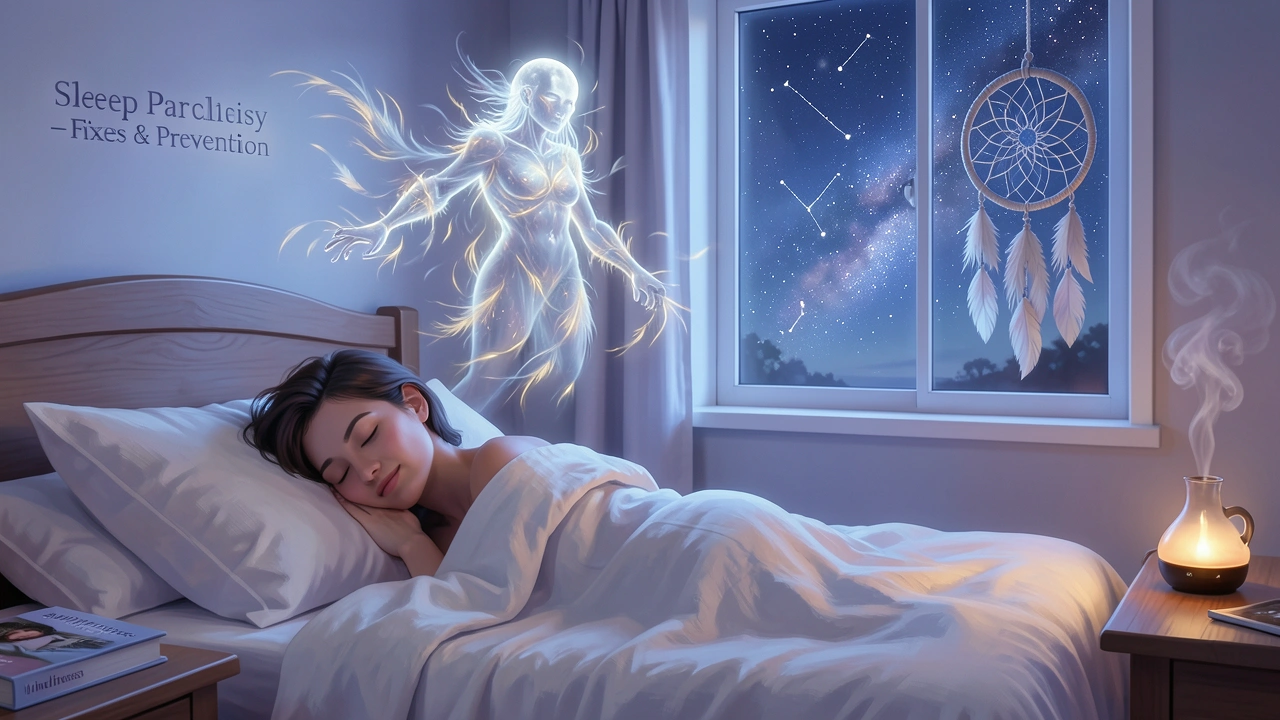
Fixes and Prevention for Sleep Paralysis
The good news is that there are ways to reduce how often you experience sleep paralysis and make the episodes less frightening. These fixes focus on improving your sleep habits and managing stress.
Improving Sleep Hygiene
Good sleep hygiene is key to preventing sleep paralysis. This means creating healthy habits around when and how you sleep.
-
Stick to a Regular Sleep Schedule: Go to bed and wake up around the same time every day, even on weekends. This helps regulate your body’s internal clock.
A consistent sleep schedule signals to your body when it’s time to be alert and when it’s time to rest. This predictability is vital for healthy sleep cycles and can prevent disruptions that lead to sleep paralysis.
-
Create a Relaxing Bedtime Routine: Wind down for an hour before bed. This could include reading, taking a warm bath, or listening to calming music. Avoid screens like phones and TVs.
This routine helps signal to your brain that it’s time to prepare for sleep. It reduces the mental stimulation that can keep you awake or make it harder to transition into sleep peacefully.
-
Ensure Your Bedroom is Conducive to Sleep: Make sure your room is dark, quiet, and cool. A comfortable environment helps you fall asleep and stay asleep.
Minimizing distractions like light and noise is crucial. A cool temperature also promotes better sleep quality. Creating this sanctuary for sleep can significantly reduce disturbances.
-
Avoid Caffeine and Alcohol Before Bed: These substances can disrupt sleep. Try to avoid them, especially in the hours leading up to bedtime.
Caffeine is a stimulant that can keep you awake. Alcohol might make you feel sleepy initially, but it often leads to fragmented sleep later in the night.
Managing Stress and Anxiety
Since stress can be a trigger, finding ways to manage it is very important.
-
Practice Relaxation Techniques: Try deep breathing exercises, meditation, or mindfulness. These can help calm your mind, especially before bed.
These techniques train your mind to focus on the present and release worries. Regular practice can lower your overall stress levels, which benefits your sleep.
-
Regular Exercise: Physical activity can help reduce stress and improve sleep quality. However, try to avoid intense workouts too close to bedtime.
Exercise releases endorphins, which are natural mood boosters. It also helps tire your body out in a healthy way, making it easier to fall asleep.
-
Talk to Someone: If you’re feeling overwhelmed by stress or anxiety, talking to a friend, family member, or a therapist can be very helpful.
Sharing your feelings and concerns can provide relief and help you find effective coping strategies. Professional help can offer specialized techniques for managing anxiety.
Medical Interventions and When to Seek Help
In some cases, professional medical help might be necessary. If sleep paralysis is frequent or very distressing, a doctor can provide guidance.
-
Consult a Doctor: If you experience sleep paralysis often, or if it’s causing significant distress, it’s a good idea to see a doctor. They can rule out other sleep disorders.
A doctor can help identify underlying causes and suggest appropriate treatments. They might recommend a sleep study to get a clearer picture of your sleep patterns.
-
Medication (If Necessary): In rare cases, if sleep paralysis is severe and linked to other conditions like narcolepsy, a doctor might prescribe medication to help regulate sleep cycles.
These medications are typically used when other methods haven’t been successful. They aim to improve sleep quality and reduce the frequency of sleep paralysis episodes.
-
Cognitive Behavioral Therapy for Insomnia (CBT-I): This therapy is very effective for improving sleep and reducing anxiety related to sleep. It’s a non-drug approach that teaches you new ways to think about and behave around sleep.
CBT-I focuses on changing negative thought patterns and behaviors that interfere with sleep. It has been proven effective for various sleep issues, including those linked to sleep paralysis.
Strategies During an Episode
If you find yourself in an episode of sleep paralysis, there are a few things you can try to help yourself.
-
Try to Move a Finger or Toe: Even a small movement can sometimes break the paralysis. Focus your attention on trying to wiggle just one finger or toe.
The idea here is to re-establish a connection between your brain and your muscles. A tiny voluntary movement can act as a signal to your body that it’s time to wake up fully.
-
Focus on Your Breathing: Concentrate on taking slow, deep breaths. This can help calm your nerves and regain a sense of control.
Deep breathing activates the parasympathetic nervous system, which promotes relaxation. It shifts your focus away from the panic and onto a simple, controlled action.
-
Remind Yourself It’s Temporary: Knowing that sleep paralysis is a temporary and harmless event can reduce fear. Tell yourself it will end soon.
Mental reassurance is powerful. Remembering that this is a common sleep phenomenon and not a real threat can significantly lessen the distress you feel during an episode.
Frequently Asked Questions
Question: Is sleep paralysis dangerous?
Answer: Sleep paralysis itself is not dangerous. While it can be a very frightening experience, it’s a temporary condition and doesn’t cause any long-term harm.
Question: Can I control when sleep paralysis happens?
Answer: You can’t directly control when it happens, but you can reduce how often it occurs by improving your sleep habits and managing stress.
Question: Does everyone experience hallucinations during sleep paralysis?
Answer: Not everyone experiences hallucinations. Some people only feel the inability to move, while others have vivid visual, auditory, or tactile hallucinations.
Question: Can children experience sleep paralysis?
Answer: Yes, children can experience sleep paralysis, although it may be harder for them to describe their experiences. It’s often outgrown.
Question: How long do episodes of sleep paralysis usually last?
Answer: Episodes are typically very short, often lasting only a minute or two, though they can feel much longer to the person experiencing them.
Summary
Sleep Paralysis Explained: Causes, Myths, and Fixes shows this is a common, though scary, sleep glitch. By understanding its roots in sleep cycles and debunking myths, you can manage it. Focusing on good sleep habits and stress reduction helps prevent it.
Remember, you can regain control and sleep peacefully again.
Leave a Reply