

Feeling like your nights are a bit too loud? You might be wondering, “Snoring Problem? Here’s What It Really Means” and what to do about it.
It can seem tricky to figure out, especially when you’re just starting to learn. Don’t worry, though! We’re going to break it down nice and easy, step by step.
First, we’ll look at what snoring is and why it happens. Then, we’ll explore some simple ways to make your nights quieter.
What is Snoring and Why It Happens
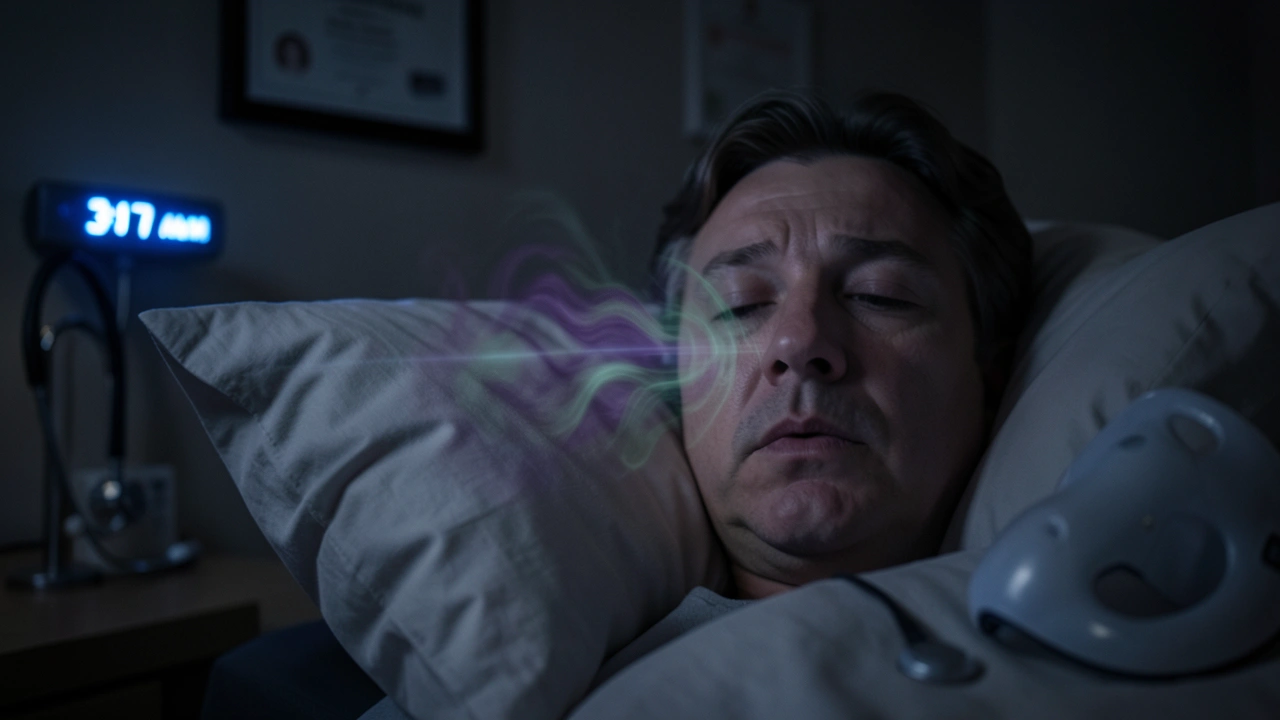
Snoring is that noisy sound some people make when they sleep. It happens when air can’t flow as freely as it should through your throat. This causes the tissues in your throat to vibrate, creating the sound.
Think of it like a loose flag flapping in the wind. The more narrow the airway, the more the tissues vibrate, and the louder the snore. Many things can make this happen, from how you sleep to what you eat or drink.
Reasons for a Snoring Problem
Several common things can lead to snoring. Our airways can become more narrow for different reasons. Sometimes, it’s just the way our bodies are built.
Other times, it’s lifestyle choices that make a difference. It’s helpful to know these so you can see what might be affecting you or someone you know.
-
The position you sleep in can be a big factor. Sleeping on your back often makes snoring worse. This is because gravity can pull your tongue and soft palate down towards your throat. This narrows the airway. When you sleep on your side, your airway is more likely to stay open. It’s a simple change that can make a big difference for many people.
For example, Sarah always snored loudly when sleeping on her back. She tried a special pillow that kept her on her side. Within a week, her snoring was much quieter.
Her partner finally got a full night’s sleep. This shows how a small adjustment can have a big impact on sleep quality for everyone in the room.
- Being overweight is another common cause. Extra fat around the neck can press on the airway, making it smaller. This is true even if the weight gain is slight. The soft tissues in the throat can become thicker and more likely to collapse during sleep. Losing even a few pounds can help reduce the pressure on your airway. This can lead to less snoring.
- Alcohol and certain medications can also play a role. These can relax your throat muscles more than usual. When these muscles are too relaxed, they are more prone to collapsing and blocking the airway. This is why snoring can sometimes be worse after a late night out or taking certain sleep aids.
- Nasal congestion, from allergies or a cold, can make breathing through your nose harder. When you can’t breathe well through your nose, you tend to breathe through your mouth. This can cause your jaw to drop and your tongue to fall back. This narrows the airway and leads to snoring.
- Age can also contribute. As we get older, our throat muscles can lose some of their tone. This makes them more likely to narrow the airway during sleep. It’s a natural part of aging that many people experience.
Understanding Your Snoring Problem? Here’s What It Really Means
The phrase “Snoring Problem? Here’s What It Really Means” is common because snoring is so widespread. Many people snore, but they don’t always know why or what it signals.
It’s not just about the noise; snoring can sometimes point to other health issues. Understanding the root cause is key to finding a solution. This section will help you see what your snoring might be telling you.
The Impact of Snoring
Snoring isn’t just annoying for those around you. It can also affect your own sleep quality. When your airway is partially blocked, you might not get enough oxygen.
This can lead to waking up feeling tired, even if you were in bed for enough hours. It can also disrupt your sleep cycles, preventing you from reaching deeper, more restorative stages of sleep.
- Poor sleep can affect your mood and energy levels during the day. You might feel irritable, have trouble concentrating, or experience headaches. Over time, this can impact your work, relationships, and overall well-being. Quality sleep is vital for good health.
- In some cases, loud snoring can be a sign of sleep apnea. This is a serious condition where breathing repeatedly stops and starts during sleep. Sleep apnea needs to be treated by a doctor. It can lead to serious health problems if left unaddressed.

Common Causes and What They Signal
Let’s break down the most frequent reasons people snore and what these might mean for their health. Knowing these can help you identify potential issues and start looking for ways to improve your sleep. It’s like being a detective for your own sleep!
Weight and Snoring
As mentioned, extra weight is a major player in snoring. The fatty tissue that builds up around your neck can compress your airway. This makes it narrower.
When you sleep, these tissues can relax and partially block the passage of air. This leads to the vibrations we call snoring.
- Research shows that even a modest weight loss can significantly reduce snoring. For instance, losing 10% of your body weight can lead to a 50% reduction in snoring intensity for some people. This highlights the direct link between body weight and airway patency during sleep.
- A study published in the Journal of the American Medical Association found that individuals with a BMI over 30 were twice as likely to report frequent snoring compared to those with a normal BMI. This correlation is a strong indicator of how weight management can directly impact snoring.
Case Study: Mark’s Weight Loss Journey
Mark, a 45-year-old accountant, had been a loud snorer for years. His wife often slept in another room. Mark also felt tired during the day despite getting eight hours of sleep.
He decided to try losing some weight. He focused on eating healthier and walking more.
- Mark cut out sugary drinks and processed snacks.
- He started walking for 30 minutes every day.
- He began eating more vegetables and lean protein.
Within three months, he lost 15 pounds. His snoring quieted down considerably. His wife noticed the difference immediately.
Mark also reported feeling more energetic during the day. This practical example shows how losing weight can directly impact snoring and daytime fatigue.
Lifestyle Factors and Snoring
What you do during the day can affect your sleep at night. Things like drinking alcohol before bed or smoking can make snoring worse. Alcohol relaxes your throat muscles.
Smoking can irritate and inflame your airways, making them swell.
- Drinking alcohol, especially in the hours before sleep, can increase snoring. Alcohol is a depressant that relaxes the muscles in your throat. This relaxation can lead to the tissues vibrating more, causing louder snores. It’s recommended to avoid alcohol at least 2-3 hours before bedtime.
- Smoking irritates the lining of your nose and throat. This irritation can cause swelling and mucus buildup. This makes your airway narrower and more prone to snoring. Quitting smoking can help reduce this inflammation and improve breathing.
Scenario: The Weekend Snore
John usually snores a little. However, on weekends, after a late-night movie with a glass of wine, his snoring becomes much louder. His partner says it’s unbearable.
This is a classic example of how alcohol, combined with later bedtimes, can worsen snoring.
- John realizes his weekend habits are a trigger.
- He decides to limit his wine intake or avoid it altogether on movie nights.
- He also tries to stick to his usual bedtime, even on weekends.
By making these small changes, John finds that his weekend snoring decreases significantly. His partner is grateful for the quieter nights.
Solutions for a Snoring Problem
So, you know why you might be snoring. Now, let’s look at what you can do about it. There are many simple, effective strategies you can try at home.
These solutions aim to open up your airway and reduce those disruptive noises.
Changing Sleep Positions
As we discussed, sleeping on your back can make snoring worse. This is because gravity causes your tongue and soft palate to fall back into your throat. This blocks your airway.
Trying to sleep on your side can help keep your airway open.
- To encourage side sleeping, you can use special anti-snore pillows. These pillows are designed to keep your head and neck in a position that promotes side sleeping. They often have a unique shape to cradle your head.
- Another trick is to sew a tennis ball into the back of your pajama top. If you roll onto your back, the discomfort from the ball will prompt you to roll back onto your side. This method is simple and can be quite effective for persistent back sleepers.
Example: The Tennis Ball Trick
Maria had tried everything to stop her husband, David, from snoring on his back. Then, she read about the tennis ball trick. She sewed a tennis ball into the back of David’s old pajama shirt.
At first, David was a bit confused, but he quickly realized that rolling onto his back was uncomfortable.
- David initially found it odd but was motivated to stop snoring.
- He started naturally staying on his side through the night.
- His snoring reduced dramatically, and his wife could finally sleep in the same room.
This low-cost solution had a huge positive impact on their sleep.
Nasal Congestion Relief
When your nose is blocked, you’re more likely to breathe through your mouth. Mouth breathing can lead to snoring. Clearing your nasal passages can help you breathe through your nose, which often reduces snoring.
- Nasal strips are a popular option. These are adhesive strips you place on the outside of your nose. They gently pull open your nasal passages, allowing more air to flow through. Many people find them comfortable and effective.
- Saline nasal sprays or rinses can also help. They work by flushing out mucus and irritants from your nasal passages. This can reduce swelling and improve breathing. Using them before bed can make a difference.
- Humidifiers add moisture to the air. Dry air can irritate nasal passages. A humidifier can help keep them moist and less prone to congestion. This is especially useful in dry climates or during winter.
Nasal Strip Effectiveness
Studies have shown that nasal strips can improve airflow through the nose by up to 31%. This increased airflow makes it easier to breathe through your nose during sleep, potentially reducing mouth breathing and snoring.
Lifestyle Adjustments for Better Sleep
Beyond weight and alcohol, other lifestyle choices matter. Maintaining a consistent sleep schedule and avoiding certain foods can also help. Small changes can add up to a quieter, more restful night.
- Avoiding heavy meals and sedatives close to bedtime is important. Heavy meals can cause indigestion, which may lead to discomfort and restless sleep. Sedatives, including some medications and alcohol, relax throat muscles, worsening snoring. Aim to finish your last meal at least 2-3 hours before sleeping.
- Creating a relaxing bedtime routine can prepare your body for sleep. This might include reading, taking a warm bath, or listening to calm music. A consistent routine signals to your body that it’s time to wind down. This can lead to better sleep quality.
When to Seek Professional Help
While many snoring issues can be managed at home, there are times when you should see a doctor. Persistent loud snoring, especially if it’s accompanied by other symptoms, might indicate a more serious condition like sleep apnea. A healthcare professional can diagnose the problem and recommend the best course of treatment.
Signs of Sleep Apnea
Sleep apnea is more than just loud snoring. It’s a serious disorder where breathing repeatedly stops and starts during sleep. If you or someone you know experiences any of the following, it’s important to consult a doctor.
These are key indicators that something more might be going on.
- Loud, disruptive snoring that is often interrupted by pauses in breathing. These pauses are called apneas. They can last for several seconds and may be followed by a gasp or choking sound.
- Waking up with a dry mouth or sore throat. This can happen because you’ve been breathing through your mouth during the night due to blocked airways.
- Daytime sleepiness, even after a full night’s sleep. You might feel excessively tired throughout the day, struggle to stay awake at work, or even fall asleep unintentionally.
- Morning headaches. These can be caused by the lack of oxygen during sleep.
- Difficulty concentrating or memory problems. Sleep deprivation from untreated sleep apnea can affect cognitive function.
Sleep Apnea Statistics
It is estimated that between 22 million and 30 million Americans have sleep apnea. However, a large percentage of these cases go undiagnosed. This highlights the importance of recognizing the signs and seeking medical advice.
Medical Treatments for Snoring
If home remedies don’t work or if sleep apnea is suspected, a doctor can suggest medical treatments. These can range from devices to surgical options, depending on the cause and severity of your snoring.
- CPAP (Continuous Positive Airway Pressure) machines are a common treatment for sleep apnea. A CPAP machine delivers pressurized air through a mask worn during sleep. This keeps your airway open, preventing pauses in breathing and reducing snoring. It is highly effective for many patients.
- Oral appliances can also be used. These are custom-made mouthguards that help reposition your jaw and tongue. This keeps your airway open during sleep. They are often recommended for milder cases of sleep apnea or for those who cannot tolerate CPAP.
- Surgery is sometimes an option for severe cases. There are different types of surgery, such as uvulopalatopharyngoplasty (UPPP) or genioglossus advancement. These aim to remove or reshape tissue that is blocking the airway. Surgery is usually considered when other treatments have not been successful.
Comparison of Treatment Options
| Treatment Option | How It Works | Best For | Potential Downsides |
|---|---|---|---|
| CPAP Machine | Keeps airway open with air pressure | Moderate to severe sleep apnea | Can be uncomfortable, requires mask |
| Oral Appliance | Repositions jaw and tongue | Mild to moderate snoring/sleep apnea | May cause jaw pain or discomfort |
| Surgery | Removes or reshapes airway tissue | Severe cases, when other treatments fail | Risks of surgery, longer recovery |
Understanding Your Snoring Problem? Here’s What It Really Means
The phrase “Snoring Problem? Here’s What It Really Means” is a gateway to better sleep. It means your body is trying to tell you something about your breathing.
Snoring is often a sign that your airway is narrowed during sleep. This can be due to many factors, from body weight and sleep position to nasal congestion and lifestyle habits.
It’s not just about the noise. Snoring can disrupt your own sleep and sometimes indicate underlying health issues like sleep apnea. The good news is that many causes are treatable.
By understanding the reasons behind your snoring, you can explore simple home remedies or seek professional medical advice.
We’ve covered what makes snoring happen and common solutions. We also talked about when it’s time to see a doctor. Recognizing the signs of sleep apnea is especially important.
Getting the right diagnosis and treatment can lead to much better sleep. This means feeling more rested and healthy every day.
Frequently Asked Questions
Question: Can stress cause snoring?
Answer: While stress itself doesn’t directly cause snoring, it can lead to changes in sleep patterns and muscle tension. Some people might clench their jaw or breathe differently when stressed, which could indirectly influence snoring. However, it’s not a primary cause.
Question: Is snoring a sign of a serious health issue?
Answer: Sometimes, yes. Loud, consistent snoring can be a symptom of sleep apnea, a condition that needs medical attention. However, occasional snoring from simple causes, like sleeping on your back, is not usually serious.
Question: Can losing weight stop snoring completely?
Answer: For many people, losing weight can significantly reduce or even eliminate snoring. This is because extra weight, especially around the neck, can narrow the airway. However, if snoring is caused by other factors, weight loss alone might not solve it entirely.
Question: Are nasal sprays effective for snoring?
Answer: Nasal sprays that help with congestion can be effective if your snoring is caused by a blocked nose. By clearing the nasal passages, they can improve airflow and reduce mouth breathing, which often contributes to snoring. However, they won’t help if the snoring comes from other parts of the throat.
Question: Can changing my pillow help my snoring?
Answer: Yes, absolutely. Using a specialized pillow that encourages side sleeping can be very effective. Sleeping on your back often causes the tongue and soft palate to collapse, narrowing the airway and leading to snoring.
Side sleeping helps keep the airway more open.
Final Thoughts
Your snoring problem means your airway is likely narrowed. This causes vibrations you hear as noise. Simple fixes like sleeping on your side, clearing your nose, or losing weight can help a lot.
If your snoring is very loud or you feel tired during the day, talk to a doctor. Getting the right help means better sleep for you and everyone around you.
Leave a Reply