
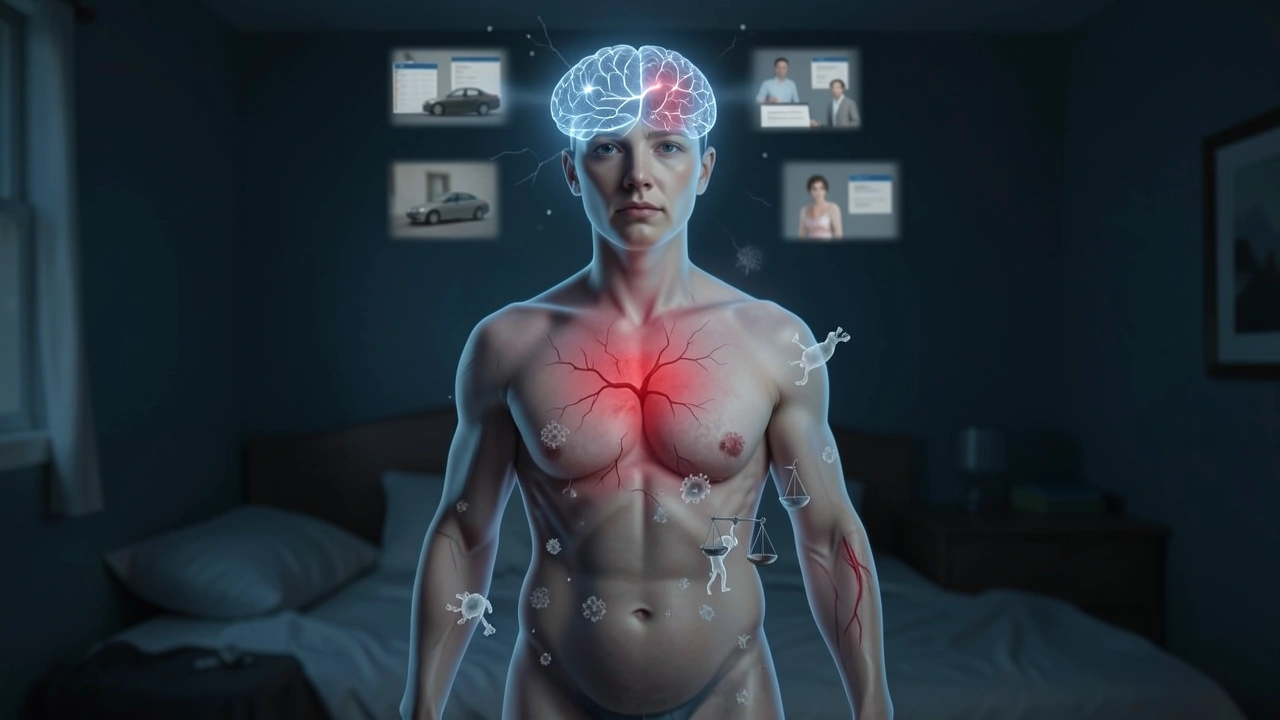
It’s easy to wonder What Happens to Your Body When You Don’t Sleep. You might feel tired, grumpy, or just not quite right. This can feel confusing, especially when you’re trying to figure out why you’re not sleeping well.
But don’t worry! We’ll walk through it step-by-step, keeping things simple. First, let’s look at the many ways sleep affects us.
How Your Body Changes Without Sleep
This section looks at the immediate and short-term effects of not getting enough sleep. We will explore how lack of sleep can make you feel and how it impacts your thinking. You’ll learn about common issues people face when they are tired.
It’s all about recognizing the signs and knowing what’s happening inside you.
Feeling Tired and Grumpy
When you don’t sleep enough, the first thing you often notice is feeling really tired. This isn’t just a little sleepy; it’s a deep exhaustion. Your mood can also take a hit.
You might find yourself getting annoyed more easily or feeling sadder than usual.
- Brain Fog: Not sleeping well makes your brain feel cloudy. It’s hard to focus on tasks or remember things. Your thoughts might feel slow and fuzzy, like trying to see through a mist. This makes it tough to do everyday jobs, like working or studying. Even simple decisions can feel harder when your brain isn’t working at its best.
- Mood Swings: Lack of sleep can make your emotions go up and down a lot. One minute you might feel okay, and the next, you could be really upset or angry. This is because sleep helps your brain manage stress and emotions. Without enough sleep, your brain can’t do this job as well, leading to these sudden changes in how you feel.
- Less Alertness: When you’re tired, you’re not as aware of what’s going on around you. This can be dangerous, especially when driving or operating machinery. Your reaction time slows down, meaning it takes you longer to respond to things. This makes accidents more likely to happen, which is why it’s so important to be well-rested.
Physical Effects of Sleep Loss
Beyond how you feel mentally, not sleeping impacts your body physically too. It can make you more likely to get sick. Your body also uses sleep to repair itself, so not sleeping enough stops this important process.
- Weakened Immune System: Your immune system fights off germs that make you sick. Sleep is vital for this system to work properly. When you don’t get enough sleep, your body makes fewer germ-fighting cells. This means you’re more likely to catch colds or other illnesses. It can also take longer for you to get better when you are sick.
- Increased Stress Hormones: Not sleeping enough can make your body produce more stress hormones, like cortisol. High levels of cortisol over time can be bad for your health. They can lead to weight gain and other health problems. Sleep helps to balance these hormones, keeping your stress levels in check.
- Slower Healing: Your body does a lot of repair work while you sleep. Muscles, tissues, and cells are mended. If you’re not getting enough sleep, this healing process is slowed down. This means injuries might take longer to recover from. It also affects how well your body can recover after exercise or illness.
Real-Life Example: The New Parent
Think about new parents. They often get very little sleep for months, sometimes even years. They might experience all the effects we’ve talked about.
They feel foggy, their emotions are all over the place, and they get sick more often. Their bodies are trying to cope with constant tiredness while also caring for a new baby. This is a prime example of how critical sleep is for daily functioning and health.

Longer-Term Impacts of Poor Sleep
When sleep problems go on for a long time, they can lead to more serious health issues. This section looks at these deeper problems that can develop if you consistently miss out on sleep. It’s about understanding the long game of sleep deprivation and its widespread effects on your well-being.
Health Risks and Chronic Conditions
Constantly not getting enough sleep can have lasting effects on your health. It’s not just about feeling tired day-to-day; it can actually change your body’s systems over time. This can make you more prone to developing certain long-term illnesses.
- Heart Problems: Not sleeping enough is linked to a higher risk of heart disease. It can raise blood pressure and increase the chances of heart attacks and strokes. Sleep helps your heart and blood vessels rest and recover. Without this, they are under more strain.
- Diabetes Risk: Poor sleep can affect how your body uses sugar. This can lead to higher blood sugar levels and increase the risk of type 2 diabetes. Your body needs sleep to manage insulin, the hormone that controls blood sugar.
- Weight Gain: When you’re tired, your body might crave unhealthy foods. Also, sleep helps control hormones that manage hunger. Not sleeping enough can throw these hormones off balance, making you feel hungrier and less full. This can lead to eating more and gaining weight over time.
Mental Health Concerns
The connection between sleep and mental health is very strong. Not sleeping enough can make existing mental health problems worse. It can also contribute to the development of new issues.
- Anxiety: Lack of sleep can make you feel more worried and on edge. It’s harder to cope with stress when you’re not rested. Your brain might start to worry more about things, even small ones. This can make anxiety symptoms worse or bring them on if you were not prone to them before.
- Depression: There is a clear link between not sleeping and depression. Many people who have depression also have trouble sleeping. Not getting enough sleep can make feelings of sadness and hopelessness worse. It can also make it harder to feel motivated or enjoy things.
- Cognitive Decline: Over long periods, chronic sleep loss can affect your brain’s ability to function well. It might impact memory, learning, and decision-making skills. Some research suggests it could even play a role in long-term brain health issues as people age.
Statistics on Sleep Deprivation
It’s clear that many people struggle with sleep. Statistics show how widespread this problem is.
| Statistic | Number/Percentage |
|---|---|
| Adults getting less than 7 hours of sleep per night | About 35% |
| Link between short sleep and increased risk of obesity | Up to 55% higher risk |
| Sleep issues contributing to accidents | Estimated 100,000 crashes per year |
These numbers highlight that What Happens to Your Body When You Don’t Sleep is a real concern for a large part of the population.
How Sleep Affects Your Performance
This part focuses on how getting enough sleep helps you do better at everything. It shows that sleep isn’t just about resting; it’s about being sharp, productive, and safe. We will explore how good sleep boosts your abilities in daily life and work.
Improving Focus and Concentration
When you’re well-rested, your brain works much better. You can focus on tasks without getting easily distracted. This makes you more efficient and helps you do a better job.
- Task Completion: Good sleep allows you to concentrate better on the task at hand. This means you can finish your work more quickly and with fewer mistakes. Your attention span is longer, so you can stick with a job until it’s done.
- Problem Solving: When your brain is rested, it’s better at finding solutions to problems. You can think more clearly and creatively. This helps you overcome challenges more easily and come up with new ideas.
- Learning New Things: Sleep plays a key role in learning and memory. When you get enough sleep, you can absorb new information more easily. It also helps you remember what you’ve learned, which is crucial for education and skill development.
Boosting Productivity and Creativity
Being well-slept doesn’t just make you work harder; it makes you work smarter. You can produce more and come up with fresh ideas.
- Increased Output: With better focus and energy, you naturally get more done in a day. Your productivity goes up because you’re not fighting off tiredness. This means you can achieve more goals and meet deadlines with less effort.
- Innovative Thinking: Sleep helps your brain make new connections between ideas. This can spark creativity and lead to original thoughts. When you’re rested, you’re more likely to have those “aha!” moments that drive innovation.
- Better Decision Making: A good night’s sleep improves your judgment. You can weigh options more carefully and make sound decisions. This is important in both personal life and professional settings.
Sample Scenario: The Student Preparing for Exams
Imagine a student preparing for big exams. If they stay up all night studying, they might think they’re getting ahead. However, the next day, they will likely feel exhausted and struggle to remember what they studied.
Their concentration will be poor during the exam.
- The student pulls an all-nighter before a major exam.
- They feel extremely tired and have trouble focusing during the test.
- Memory recall is difficult, and they make simple mistakes.
- Despite studying, their performance suffers due to lack of sleep.
A student who studies consistently and gets enough sleep, on the other hand, will be more alert. They will be able to recall information better and think clearly during the exam, leading to a better outcome. This shows how sleep directly impacts performance when it matters most.
Improving Your Sleep Habits
Now that we understand the impact of sleep, let’s look at practical ways to get better rest. This section offers simple, actionable advice. You’ll learn how to create a sleep routine that works for you.
Making small changes can lead to big improvements in how you feel.
Creating a Sleep Schedule
One of the most effective ways to improve sleep is to stick to a regular schedule. This helps your body’s internal clock, known as the circadian rhythm.
- Consistent Bedtime and Wake Time: Try to go to bed and wake up around the same time every day, even on weekends. This helps regulate your body’s natural sleep-wake cycle. Even if you have a bad night, getting up at your usual time can help reset your sleep pattern for the next night.
- Listen to Your Body: Pay attention to when you naturally feel tired. This can help you determine the best time for you to go to bed. Your body has its own rhythm, and working with it, rather than against it, is key.
- Avoid Oversleeping: While it might feel good to sleep in after a bad night, too much sleep can sometimes disrupt your schedule further. Try to keep your wake-up time consistent.
Making Your Bedroom Sleep-Friendly
Your bedroom environment plays a huge role in how well you sleep. Making a few changes can create a calm space that signals to your body it’s time to rest.
- Darkness: Make your room as dark as possible. Use blackout curtains if needed. Light can trick your brain into thinking it’s still daytime, making it harder to fall asleep. Even small amounts of light from electronics can interfere.
- Quiet: Reduce noise in your bedroom. Earplugs or a white noise machine can help block out disruptive sounds. A quiet environment is crucial for uninterrupted sleep.
- Cool Temperature: Most people sleep best in a cool room. The ideal temperature is usually between 60-67 degrees Fahrenheit (15-19 degrees Celsius). A cooler room helps your body temperature drop, which is part of the natural sleep process.
- Comfort: Ensure your mattress and pillows are comfortable and supportive. A good mattress can make a big difference in sleep quality and prevent aches and pains.
Healthy Habits Before Bed
What you do in the hours before bed can significantly affect how easily you fall asleep and how deeply you sleep.
- Limit Screen Time: The blue light from phones, tablets, and computers can interfere with melatonin production, a hormone that helps you sleep. Try to stop using these devices at least an hour before bed. Read a book or listen to calm music instead.
- Avoid Caffeine and Alcohol: Stay away from caffeine late in the day, as it’s a stimulant. While alcohol might make you feel sleepy at first, it can disrupt sleep later in the night. It can cause you to wake up more often.
- Relaxation Routine: Develop a calming routine before bed. This could include taking a warm bath, reading, or gentle stretching. These activities help signal to your body that it’s time to wind down and prepare for sleep.
Frequently Asked Questions
Question: What are the main signs I’m not getting enough sleep?
Answer: The main signs include feeling very tired, having trouble focusing, being more irritable or moody, and increased mistakes in your daily tasks. You might also find yourself getting sick more often.
Question: Can lack of sleep cause weight gain?
Answer: Yes, it can. Not sleeping enough affects hormones that control hunger and can make you crave unhealthy foods. This can lead to eating more and gaining weight over time.
Question: Is it okay to sleep in on weekends if I didn’t sleep well during the week?
Answer: While it’s tempting, sleeping in too much on weekends can disrupt your body’s natural sleep schedule. It’s better to try and stick to a consistent wake-up time as much as possible.
Question: How much sleep do adults generally need?
Answer: Most adults need between 7 to 9 hours of sleep per night for optimal health and functioning. Some people might need a little more or less, but this is a good general guideline.
Question: Can stress stop me from sleeping?
Answer: Yes, stress is a common cause of sleep problems. When you are stressed, your body releases hormones that keep you alert, making it hard to relax and fall asleep. Practicing relaxation techniques before bed can help.
Summary
Not getting enough sleep impacts your mood, focus, and physical health. It can lead to serious long-term problems like heart disease and diabetes. Getting good sleep improves your ability to concentrate, be productive, and make better decisions.
Creating a regular sleep schedule, a calm bedroom, and a relaxing pre-sleep routine are key steps to improving your rest. Prioritize sleep for a healthier, happier life.
Leave a Reply