
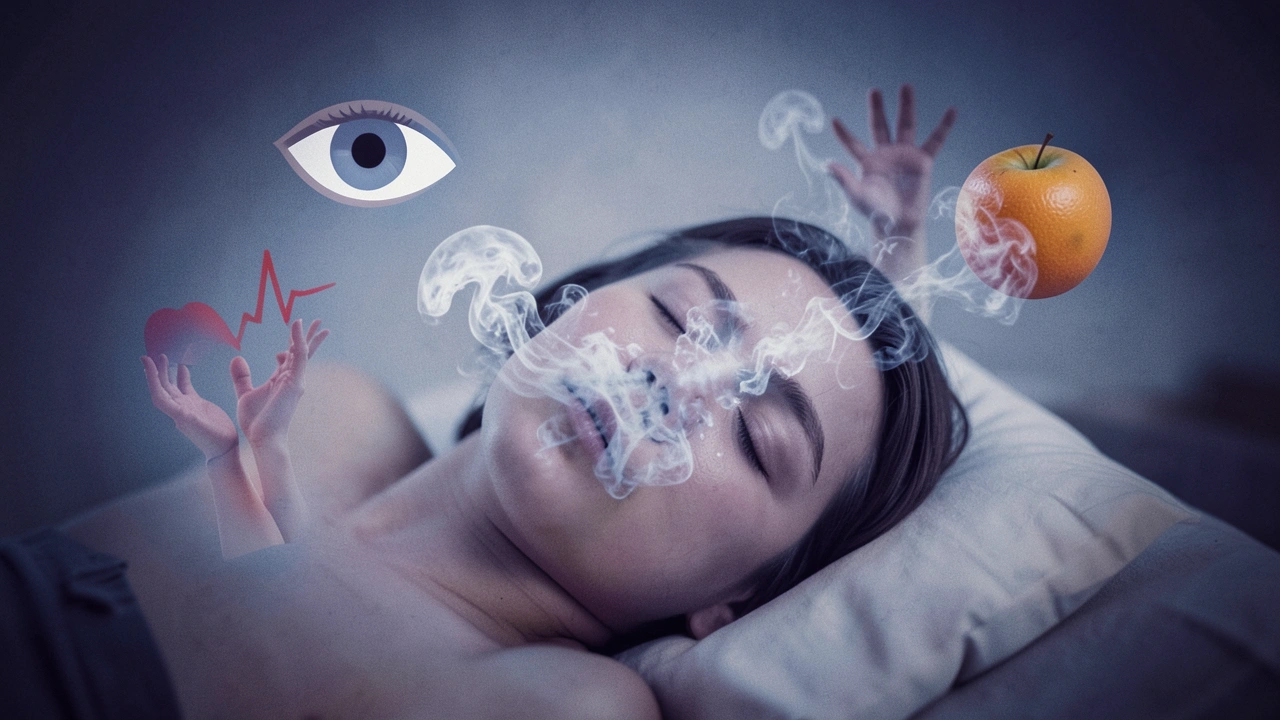
Understanding What Is Sleep Apnea? Symptoms You Shouldn’t Ignore can seem a bit tricky at first. It’s easy to get lost in medical terms!
But don’t worry, we’ll make it super simple. This guide will walk you through everything, step by step. Get ready to learn about how sleep apnea affects you and what signs to watch out for, all explained in a way that makes sense.
Exploring What Is Sleep Apnea? Symptoms You Shouldn’t Ignore
This section is all about getting a clear picture of sleep apnea. We’ll explain what it is in plain language. You’ll learn why it’s important to know about it and the common signs that mean you should pay attention. We want you to feel informed and empowered.
What Exactly Is Sleep Apnea?
Sleep apnea is a sleep disorder. It happens when your breathing stops and starts again while you’re sleeping. This can happen many times in one night. These pauses in breathing can last for a few seconds to a minute or even longer.
When your breathing stops, your brain gets a signal. It then nudges you awake just enough for you to breathe again. This might be so brief that you don’t even remember it. But it happens over and over.
This repeated stopping and starting of breathing is what makes sleep apnea a serious issue. It stops you from getting good, restful sleep. It can also lower the amount of oxygen in your blood.
Why Is It Important to Know About Sleep Apnea?
Knowing about sleep apnea is really important for your health. When you don’t get enough good sleep, it affects your whole body. It’s not just about feeling tired.
Poor sleep can lead to other health problems over time. This includes things like high blood pressure and heart disease. It can also make it harder to focus and do your daily tasks.
So, recognizing the signs early is key. It means you can get help sooner. Early treatment can make a big difference in how you feel and your long-term health.
Common Types of Sleep Apnea
There are a few main kinds of sleep apnea. The most common one is called obstructive sleep apnea. This happens when your throat muscles relax too much. This blocks your airway.
Another type is central sleep apnea. This is less common. It happens when your brain doesn’t send the right signals to the muscles that control your breathing.
Sometimes, people have both. This is called complex sleep apnea. Knowing the type can help doctors figure out the best way to help you.
Obstructive Sleep Apnea (OSA)
Obstructive sleep apnea is by far the most frequent. It happens when something physically blocks your airway. Usually, this is your tongue falling back into your throat. Or, tissues in the back of your throat can relax and narrow your airway.
When this happens, air can’t get into your lungs properly. This causes a drop in oxygen levels. Your brain then wakes you up briefly to open your airway. This is why people with OSA often snore loudly.
Factors like being overweight, having a large neck, or certain face shapes can make OSA more likely. Age and smoking also play a role.
Central Sleep Apnea (CSA)
Central sleep apnea is different. It’s not about a blockage. Instead, it’s about your brain’s signals. Your brain doesn’t tell your breathing muscles to work.
This means you might not even gasp for air. You just stop breathing for a bit. This is often linked to other health issues. Things like heart problems or strokes can sometimes cause CSA.
Doctors use special tests to tell the difference between OSA and CSA. This helps them choose the right treatment.
Signs You Shouldn’t Ignore: Symptoms of Sleep Apnea
Recognizing the symptoms is the first step. Many people with sleep apnea don’t know they have it. They might think they just have trouble sleeping or are always tired. But there are clear signs to look for.
Loud Snoring
One of the most common signs of sleep apnea is loud snoring. If you snore very loudly, especially if it’s a disruptive sound, it’s worth paying attention to. Your bed partner might be the first to notice this. Sometimes, snoring can be so loud that it wakes them up.
Snoring happens when air moves through a narrowed airway. In sleep apnea, this narrowing can be quite severe, leading to loud sounds. It’s not just normal snoring; it can be deep and boomy.
It’s important to remember that not everyone who snores has sleep apnea. However, if snoring is very loud and often accompanied by pauses in breathing, it’s a strong clue.
Pauses in Breathing
This is a direct symptom of sleep apnea. While you’re sleeping, your breathing stops for short periods. Someone watching you might notice these pauses. You might stop breathing for 10 seconds or more.
These pauses are the defining feature of the condition. They are what causes the low oxygen levels and the awakenings. If your partner or a family member mentions that you stop breathing in your sleep, it’s a very important symptom.
It’s not something you would typically notice yourself. You’re asleep! That’s why a partner’s observation is so valuable here.
Waking Up Gasping or Choking
Sometimes, when your breathing starts again after a pause, you might gasp or choke. This can be a very startling experience. It’s your body’s way of trying to get air.
This gasping or choking sound often happens suddenly. It can even wake you up fully. It’s a clear sign that your airway was blocked or your breathing stopped.
If you wake up feeling like you can’t catch your breath, or you’re coughing and sputtering, it’s a symptom that needs attention.
Excessive Daytime Sleepiness
Even if you think you slept all night, you might feel incredibly tired during the day. This is called excessive daytime sleepiness. It’s not just feeling a bit sleepy; it’s feeling so tired that it interferes with your daily life.
You might feel drowsy when you’re driving, at work, or even when you’re talking to someone. You might even fall asleep accidentally. This happens because your sleep was constantly interrupted by breathing pauses.
You might not remember waking up, but your body knows it didn’t get restful sleep. This persistent tiredness is a big red flag.
Morning Headaches
Waking up with a headache is another common symptom. These aren’t your typical tension headaches. They are often dull and throbbing. They happen because of the changes in oxygen and carbon dioxide levels in your blood during the night.
When your brain doesn’t get enough oxygen for a while, it can lead to headaches. These headaches usually go away soon after you wake up. But if they are a regular occurrence, they are a sign to investigate.
These headaches can be mistaken for other things, but when they happen every morning, it’s a key symptom to consider.
Difficulty Concentrating and Memory Problems
When you don’t sleep well, your brain can’t function at its best. This means you might have trouble focusing on tasks. You might find yourself easily distracted. Your memory might also suffer.
You might forget things more often than usual. You could have trouble learning new information. This can impact your work, school, and everyday life.
These cognitive issues are often a direct result of poor sleep quality caused by sleep apnea. Your brain needs deep, uninterrupted sleep to work properly.
Irritability and Mood Swings
Lack of sleep also takes a toll on your emotions. People with sleep apnea often feel more irritable or moody. They might get frustrated more easily.
You might experience mood swings that you don’t understand. This is because sleep deprivation affects the parts of your brain that control emotions. Feeling constantly tired makes it harder to manage your feelings.
Your relationships can be affected by these mood changes. It’s another sign that your sleep might be the problem.
Waking Up with a Dry Mouth or Sore Throat
Breathing through your mouth while you sleep is common with sleep apnea. This is because your airway might be blocked. Mouth breathing can cause your mouth and throat to become very dry.
When you wake up, you might feel thirsty or have a scratchy throat. This is a direct result of breathing with your mouth open all night. It’s a symptom that you might not connect to sleep apnea at first.
But if you consistently wake up with these feelings, it’s a good indicator.
When to Seek Medical Help
If you recognize several of these symptoms in yourself or a loved one, it’s time to talk to a doctor. Don’t wait for the symptoms to become severe. Getting a diagnosis early is very important.
Your doctor can help you figure out what’s going on. They can ask you questions about your sleep habits and symptoms. They might also talk to your partner if they sleep with you.
How Sleep Apnea is Diagnosed
Doctors have ways to figure out if you have sleep apnea. The most common way is through a sleep study. This is also called polysomnography.
A sleep study monitors your body while you sleep. It tracks your brain waves, breathing, heart rate, blood oxygen levels, and body movements. This gives doctors a detailed picture of your sleep.
Sometimes, a simpler test can be done at home. This is for people who likely have moderate to severe obstructive sleep apnea. It still measures your breathing and oxygen levels.
Sleep Study (Polysomnography)
A sleep study is usually done in a special sleep center. You’ll sleep overnight with sensors attached to your body. These sensors are painless and measure various aspects of your sleep.
You’ll have sensors on your head to track brain waves. There are also sensors for your eyes, chin, and legs. A band around your chest and abdomen measures your breathing. A small clip on your finger monitors your blood oxygen level.
The results will show if you have sleep apnea and how severe it is. This information is vital for choosing the right treatment.
Home Sleep Apnea Test (HSAT)
For some people, a home sleep apnea test is an option. This is a simpler device you can use in your own bed. It’s less comprehensive than a lab study but can be effective for diagnosing OSA.
The device usually measures your breathing rate, airflow, and blood oxygen levels. It might also record your heart rate and snoring.
It’s a convenient way to get a diagnosis. However, it’s not suitable for everyone, especially if you have other complex sleep issues.
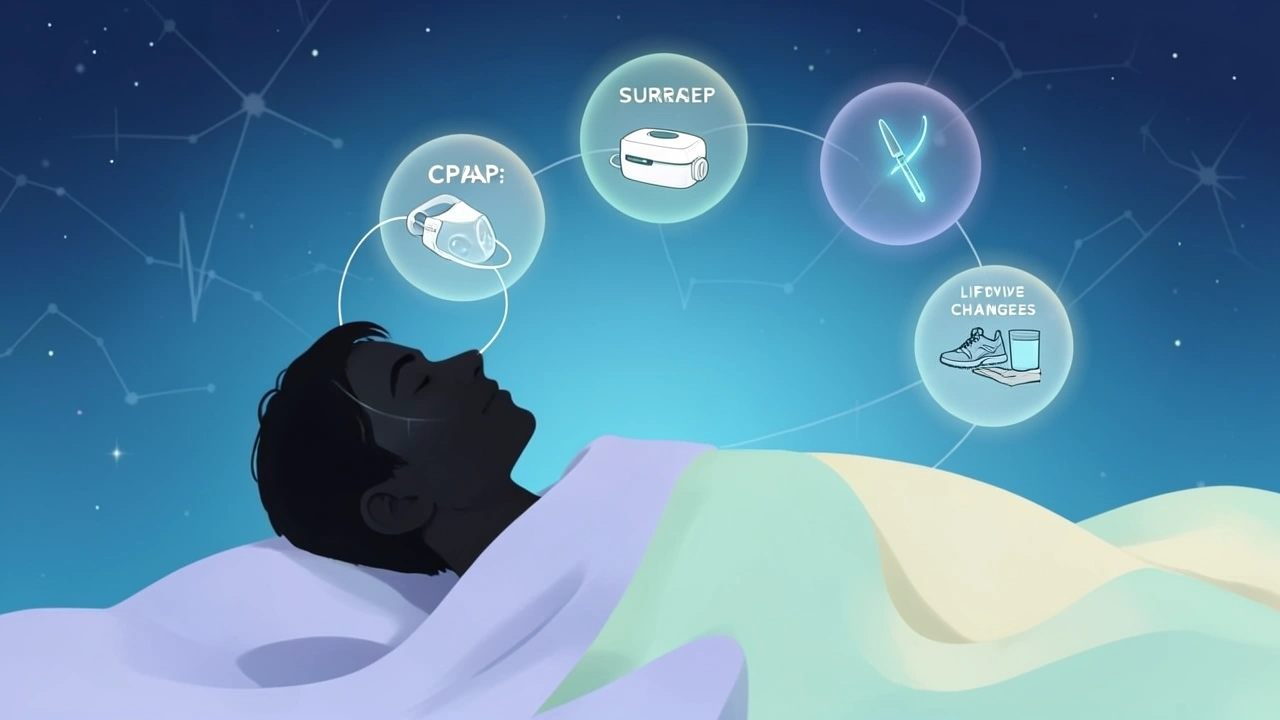
Treatment Options for Sleep Apnea
Once you’re diagnosed, there are many ways to treat sleep apnea. The goal of treatment is to improve your breathing during sleep. This helps you get better sleep and reduces health risks.
Lifestyle Changes
Sometimes, simple lifestyle changes can make a big difference. Losing weight is a very effective step for many people with obstructive sleep apnea. Extra weight can put pressure on your airway.
Avoiding alcohol and certain medications can also help. Alcohol relaxes your throat muscles, making blockages more likely. Sleeping on your side instead of your back can also help.
These changes might be enough for mild cases. For more severe cases, they are often used alongside other treatments.
Weight Loss
If you are overweight, losing even a small amount of weight can improve sleep apnea. Fat deposits in the neck area can narrow the airway. Reducing these deposits can help keep the airway open.
It’s not always easy to lose weight. But the benefits for your sleep and overall health can be huge. Your doctor can help you create a safe and effective weight loss plan.
Positional Therapy
For some people, sleep apnea is worse when they sleep on their back. This is because gravity can pull the tongue and soft tissues backward. This can block the airway.
Positional therapy involves finding ways to keep you from sleeping on your back. This might be as simple as sewing a tennis ball into the back of your pajama top. Or you can use special pillows or devices.
This is usually a good option for people with mild positional sleep apnea.
Continuous Positive Airway Pressure (CPAP)
CPAP is the most common and effective treatment for moderate to severe sleep apnea. A CPAP machine delivers a steady stream of air through a mask you wear while you sleep.
The constant air pressure keeps your airway open. This prevents breathing pauses and helps you breathe normally all night. It’s a very effective way to manage the condition.
While it might take some getting used to, most people find that the benefits of good sleep outweigh the initial adjustment.
How CPAP Works
The CPAP machine has a motor that creates air pressure. This air is then sent through a hose to a mask. The mask fits over your nose, or your nose and mouth.
The air pressure is set by your doctor. It’s just enough to keep your airway open. It’s not like breathing pure oxygen; it’s just air at a higher pressure.
This prevents your throat from collapsing during sleep. This means you stop snoring and breathing pauses. Your oxygen levels stay normal.
Types of Masks and Machines
There are different types of CPAP masks. Some cover just the nose, while others cover both the nose and mouth. The best type for you depends on your breathing style and comfort.
There are also different types of machines. Some deliver a constant pressure. Others adjust the pressure based on whether you’re inhaling or exhaling. These are called BiPAP or APAP machines.
Your doctor will help you choose the right machine and mask for your needs.
Oral Appliances
For people with mild to moderate obstructive sleep apnea, or those who can’t tolerate CPAP, oral appliances can be an option. These are custom-made devices worn in the mouth during sleep.
They work by repositioning your jaw or tongue. This helps keep your airway open. They are made by dentists who specialize in sleep medicine.
Oral appliances are discreet and easy to use. They are like a mouthguard. Many people find them comfortable and effective.
Surgery
Surgery is usually considered when other treatments haven’t worked. There are different types of surgery. They aim to remove excess tissue that might be blocking the airway.
Some surgeries widen the airway. Others might address issues with the nose or jaw. The best surgical option depends on the specific cause of your sleep apnea.
Surgery can be effective, but it also carries risks. It’s important to discuss this thoroughly with your doctor.
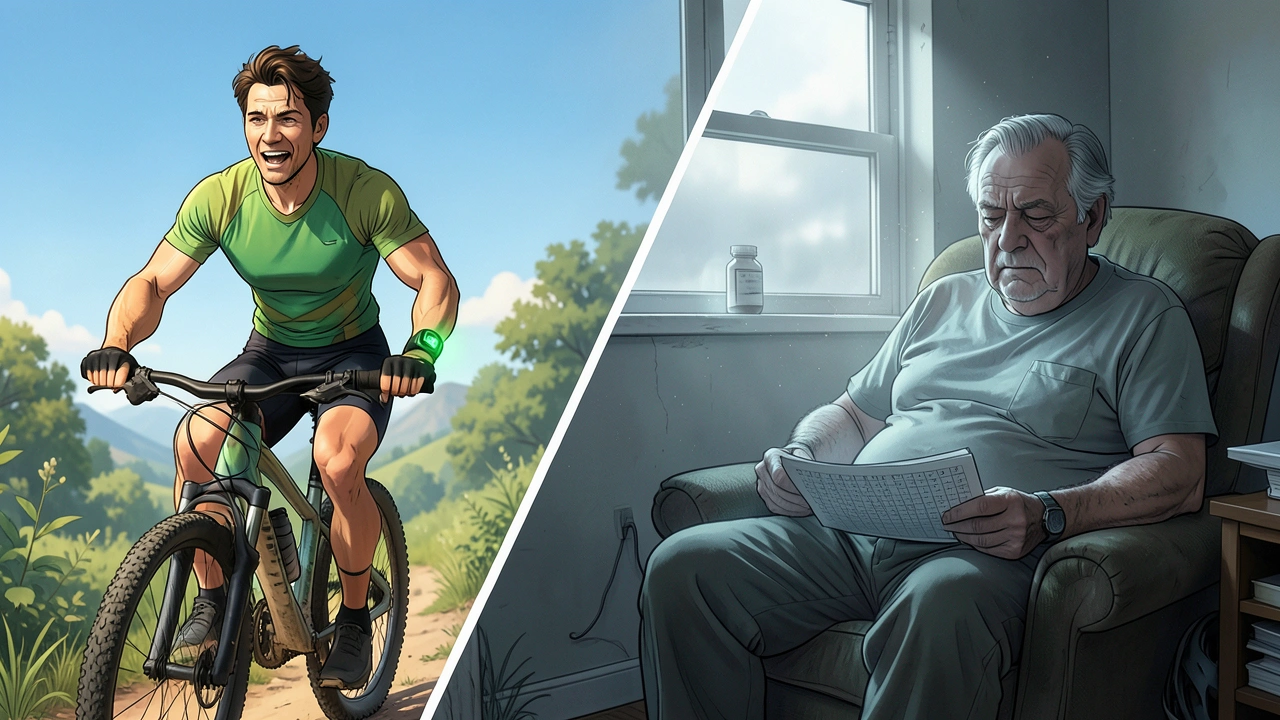
The Impact of Untreated Sleep Apnea
If sleep apnea is not treated, it can have serious consequences for your health. It’s not just about feeling tired. It can lead to significant long-term health problems.
Cardiovascular Problems
One of the biggest risks of untreated sleep apnea is heart problems. The repeated drops in oxygen can strain your heart. It can lead to high blood pressure.
It also increases the risk of heart attack, stroke, and irregular heartbeats. The stress on your cardiovascular system is considerable.
High Blood Pressure
When your breathing stops, your body releases stress hormones. This causes your blood pressure to rise. Over time, this can lead to chronic high blood pressure, also known as hypertension.
Hypertension is a major risk factor for heart disease and stroke. Treating sleep apnea can often help lower blood pressure.
Heart Disease and Stroke
The constant stress on your heart and blood vessels from sleep apnea raises your risk of heart attack and stroke. The low oxygen levels and the awakenings put a strain on your system.
Studies have shown a strong link between untreated sleep apnea and increased cardiovascular events. Managing sleep apnea is crucial for heart health.
Metabolic Issues
Sleep apnea can also affect your body’s ability to manage blood sugar. This can increase the risk of developing type 2 diabetes.
Type 2 Diabetes
The link between sleep apnea and diabetes is significant. Poor sleep quality and the resulting stress on the body can make it harder for your body to use insulin properly. This can lead to higher blood sugar levels.
For people who already have diabetes, sleep apnea can make it harder to control their blood sugar.
Increased Risk of Accidents
Daytime sleepiness caused by sleep apnea can be dangerous. It increases the risk of accidents, especially car accidents.
When you’re drowsy, your reaction time slows down. Your judgment can be impaired. This makes driving or operating machinery risky.
If you’re falling asleep at the wheel, it’s a serious sign that your sleep apnea needs to be addressed.
Impact on Mental Health
The chronic fatigue and stress from sleep apnea can also impact your mental well-being. It can contribute to depression and anxiety.
The constant feeling of being unwell and the sleep deprivation can make it hard to cope with daily life. This can affect your overall mood and outlook.
Understanding Sleep Apnea: Symptoms You Shouldn’t Ignore – Frequently Asked Questions
Question: What is the most common symptom of sleep apnea?
Answer: The most common symptom is loud, disruptive snoring. However, pauses in breathing are also a key indicator.
Question: Can children have sleep apnea?
Answer: Yes, children can have sleep apnea. Symptoms in children might include snoring, difficulty breathing during sleep, mouth breathing, and behavioral issues like hyperactivity during the day.
Question: Is sleep apnea curable?
Answer: Sleep apnea is generally considered a chronic condition, but it can be very effectively managed with treatment. For some, lifestyle changes like significant weight loss can greatly improve or resolve symptoms.
Question: Will I be able to sleep with a CPAP machine?
Answer: Many people find it takes a little time to get used to a CPAP machine, but most adapt well and experience significant improvements in their sleep quality and overall health. There are many mask options available to improve comfort.
Question: Can sleep apnea cause weight gain?
Answer: While sleep apnea itself doesn’t directly cause weight gain, the associated sleep deprivation can disrupt hormones that regulate appetite, potentially leading to increased hunger and weight gain over time. Treating sleep apnea can help improve hormone balance.
Summary
Learning about What Is Sleep Apnea? Symptoms You Shouldn’t Ignore is key to better health. We’ve covered what sleep apnea is, why its symptoms matter, and how it’s diagnosed.
You also know about the different ways to treat it. If you notice any of the signs, it’s important to talk to your doctor. Getting help can make a world of difference.
Leave a Reply