
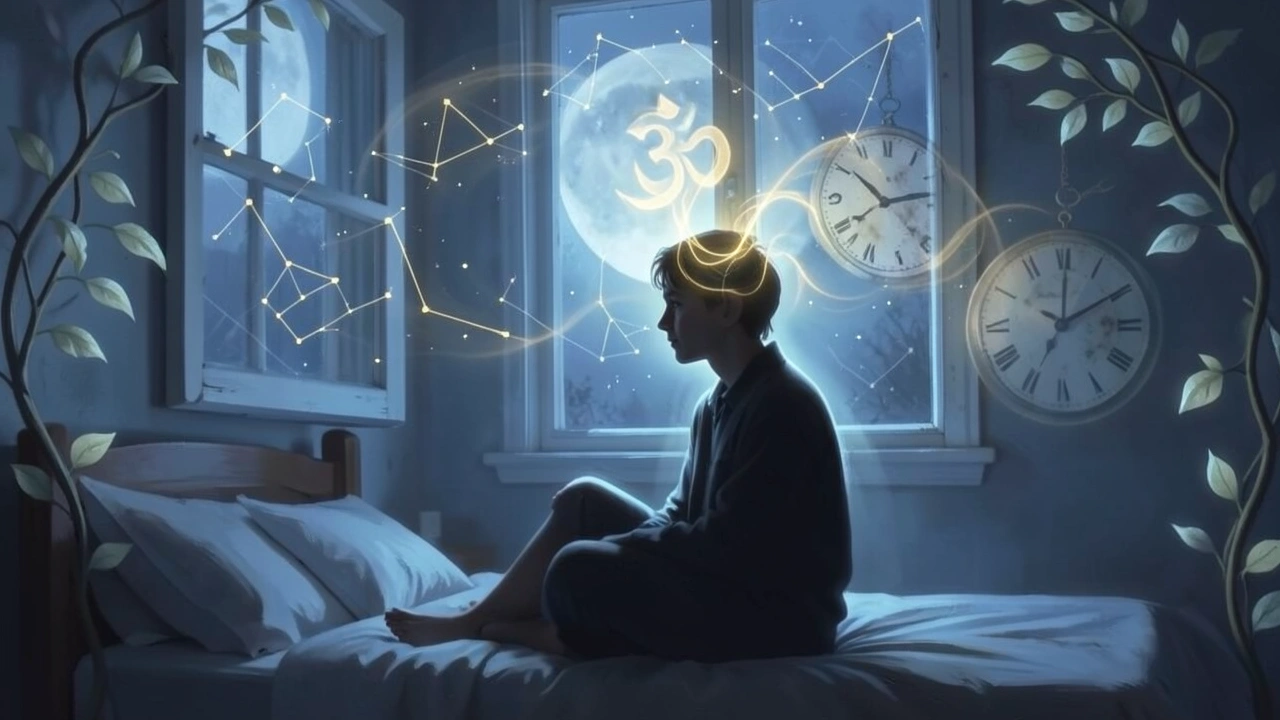
It’s common to wonder about the why do I wake up at 3am every night spiritual meaning. This happens to many people, and it can feel a little confusing or even a bit scary at first. You’re not alone in this!
We’ll break it down simply, step-by-step, so you can figure out what it might mean for you. Get ready to explore some interesting ideas that can help make sense of those middle-of-the-night wake-ups.
Understanding Why You Wake Up at 3am: A Spiritual Perspective
Waking up around 3 am can spark curiosity, especially when you start thinking about what it might mean beyond just needing to use the restroom. This specific time, often called the “witching hour” or the time when the veil between worlds is thin, is frequently discussed in spiritual circles. Many believe it’s a time when you might be more open to messages or insights from the universe, your spirit guides, or even your higher self.
It’s not necessarily a bad omen, but rather a signal that something might be trying to get your attention. Exploring this can help you connect with a deeper part of yourself and the world around you. This section will look at common spiritual interpretations and what they might suggest.
The Significance of the 3 AM Hour
The hour between 3 am and 4 am holds a special place in many ancient traditions and spiritual beliefs. It is often seen as a time when the physical world is at its quietest, allowing for a stronger connection to the spiritual or energetic planes. This period is sometimes associated with transitions, revelations, and a heightened sense of intuition.
It’s a moment when the usual distractions of daily life fade away, leaving a space for introspection and spiritual awareness. Many people report experiencing vivid dreams or profound thoughts during this time, suggesting a unique window of opportunity for spiritual growth and communication.
Historically, this time has been linked to various spiritual phenomena. In some cultures, it’s considered a time when spirits are most active, or when the boundary between the physical and spiritual realms is at its thinnest. This can lead to feelings of being watched or a sense of presence.
For some, it’s a period of deep personal reflection, where subconscious thoughts and feelings bubble to the surface. Understanding these historical and cultural associations can provide a framework for interpreting your own experiences with waking at 3 am.
- Spiritual Awakening Signal: Some believe waking at 3 am is a sign that you are undergoing a spiritual awakening. This means you’re becoming more aware of your spiritual side and the deeper meanings of life. It’s like your spirit is nudging you to pay attention to your inner world and the universe’s messages. This awakening can bring about profound changes in how you see yourself and the world.
- Receiving Guidance: Many traditions suggest that 3 am is a prime time for receiving guidance from spirit guides, angels, or the universe. Your mind is quiet, making it easier to pick up on subtle messages, intuitive nudges, or creative inspiration. Think of it as a direct line to a higher source of wisdom, offering support and direction for your life’s path.
- Unfinished Business: Another interpretation is that you might be waking up because there’s something unfinished in your life or something your subconscious is trying to process. This could be a worry, a decision you need to make, or an emotion you haven’t fully dealt with. The quiet of the night allows these things to come to the forefront of your mind.
- Energy Shifts: Energetically speaking, 3 am is sometimes seen as a point of transition in the night. It might align with certain lunar phases or planetary movements that can influence our own energy fields. These shifts could make some individuals more sensitive or prone to waking during this specific window.
The Body’s Clock and Spiritual Wake-Ups
Our bodies have an internal clock called the circadian rhythm, which regulates our sleep-wake cycles. Interestingly, Traditional Chinese Medicine (TCM) links specific hours of the night to different organs and their energetic pathways, known as meridians. The period between 1 am and 3 am is often associated with the liver meridian, which is responsible for detoxification and processing emotions.
If you’re waking up during this time, it might indicate that your liver is actively working, or that there are emotional blockages or stress affecting this organ’s function. Paying attention to what you’re feeling or thinking about when you wake up can offer clues about what your body and spirit are trying to communicate.
Beyond TCM, the idea of the body’s inherent wisdom plays a role. Our bodies are finely tuned instruments, and waking at a specific time could be a physical manifestation of an energetic or spiritual need. It’s not just a random occurrence but a signal that deserves attention.
This might involve physical well-being, emotional release, or a spiritual call to a deeper awareness. By listening to these signals, we can gain valuable insights into our overall health and spiritual development.
Liver Meridian and Emotional Processing
In Traditional Chinese Medicine, the liver meridian is most active between 1 am and 3 am. The liver is not only responsible for physical detoxification but also for the smooth flow of Qi (energy) and emotions throughout the body. When this meridian is out of balance, it can manifest in various ways, including anger, frustration, or irritability.
Waking up during this time might be your body’s way of signaling that it’s trying to process pent-up emotions or that there’s an imbalance in your liver’s energetic function. Addressing these underlying issues, whether through diet, stress management, or emotional healing, can help restore balance and improve sleep patterns.
The Importance of Intention and Awareness
When you wake up at 3 am, instead of feeling frustrated, try to approach it with curiosity and intention. Set an intention before you go to sleep to be open to any messages or insights that may come to you during the night. When you wake, take a few moments to be present.
Notice any thoughts, feelings, or images that arise. You might want to keep a journal by your bed to jot down anything significant that comes to mind. This practice can help you understand the spiritual meaning behind your wakefulness.
Common Spiritual Interpretations and Meanings
When the alarm clock of your mind jolts you awake at 3 am, it’s natural to search for a deeper reason. Beyond the biological, many spiritual traditions offer compelling explanations. These interpretations often revolve around themes of transformation, heightened awareness, and connection to the divine.
They suggest that this time isn’t just a disruption of sleep but an invitation to explore your inner landscape and your place in the universe. Embracing these possibilities can turn a potentially frustrating experience into an opportunity for personal and spiritual growth.
Messages from Spirit Guides and Angels
Many people believe that spirit guides and angels are always around us, offering love, support, and guidance. They communicate with us in various ways, and one common method is through signs and messages that appear when we are most receptive. The quiet stillness of the pre-dawn hours, particularly around 3 am, is considered a powerful time when the veil between the physical and spiritual worlds is thin.
This makes it easier for these benevolent beings to send us messages, warnings, or confirmations of our path. These messages might come as an intuitive thought, a vivid image, a feeling, or even a symbolic dream upon waking.
When you wake up at this hour, consider what was on your mind just before you drifted off, or what thoughts are immediately present upon waking. Are you facing a difficult decision? Feeling uncertain about your future?
Spirit guides might be trying to offer reassurance, a new perspective, or a gentle nudge in a particular direction. They won’t typically give you direct answers like a fortune teller, but rather provide insights that help you find your own wisdom and make the best choices for yourself. Keeping a spiritual journal can be incredibly helpful in capturing these fleeting messages.
- Intuitive Nudges: Spirit guides often communicate through intuitive insights. If you wake up with a strong feeling or an idea that seems to come out of nowhere, it might be a message from your guides. This could be a sudden urge to call a friend, a realization about a problem, or a creative spark.
- Symbolic Imagery: You might see images or symbols in your mind’s eye upon waking. These can be powerful metaphors for what you are currently experiencing in your life. For instance, seeing a bird might represent freedom, while seeing a locked door could signify a challenge you need to overcome.
- Emotional Resonance: Sometimes, guidance comes as a profound emotional shift. You might wake up feeling a deep sense of peace, love, or understanding, which can be a sign of angelic presence or confirmation that you are on the right track. Conversely, you might feel a gentle warning or a nudge to be cautious about something.
- Precognitive Dreams: While not exclusively happening at 3 am, dreams experienced around this time can sometimes feel more vivid and prophetic. If you recall a dream upon waking, pay attention to its themes and emotions, as they might hold significant messages for your waking life.
The “Spiritual Awakening” Connection
The concept of spiritual awakening is often linked to periods of increased awareness and transformation. Waking at 3 am can be a symptom of this process, signaling that your consciousness is expanding and you are becoming more attuned to subtle energies and spiritual truths. This awakening might be prompted by life events, a desire for deeper meaning, or simply a natural progression of your soul’s evolution.
It’s a time when old patterns may fall away, and new ways of thinking and being emerge.
During a spiritual awakening, individuals often experience shifts in their perspectives, values, and priorities. They may feel a stronger connection to nature, a desire to help others, and a growing sense of purpose. The challenges that come with this awakening, such as periods of doubt or confusion, can sometimes manifest as sleep disturbances.
Waking up at 3 am might be your spirit’s way of prompting you to pay attention to this profound inner work, to integrate the changes, and to embrace the new you that is emerging. It’s a call to look inward and to trust the unfolding of your spiritual path.
Personal Growth and Transformation
Waking up at 3 am can be a powerful catalyst for personal growth and transformation. It often nudges you to confront aspects of yourself that you might be avoiding, such as unaddressed fears, limiting beliefs, or past traumas. By becoming aware of these issues, you gain the opportunity to heal and move forward with greater wisdom and resilience.
This period of introspection can lead to significant breakthroughs in your personal development, helping you to live a more authentic and fulfilling life.
The quiet of the night provides a unique space for self-reflection. It’s a time when the ego’s defenses are often lowered, allowing for a more honest appraisal of your thoughts, actions, and motivations. This self-awareness is the first step toward making positive changes.
Embracing the wake-up call as an invitation to connect with your inner self can lead to profound insights and a stronger sense of purpose. It’s an opportunity to refine your character, enhance your understanding of yourself, and align your life with your deepest values.
What To Do When You Wake Up at 3 AM
Discovering yourself awake at 3 am can be an invitation rather than an interruption. The key is to shift your perspective from frustration to curiosity. Instead of immediately trying to force yourself back to sleep, consider what this moment might be offering you.
This is a prime time for spiritual connection, self-reflection, or simply a gentle reminder from your inner self. By approaching these wake-ups with intention and awareness, you can transform them into valuable opportunities for personal growth and spiritual insight. Let’s explore some practical steps you can take.
Mindful Wakefulness and Journaling
When you find yourself awake at 3 am, resist the urge to check your phone or worry about not getting enough sleep. Instead, embrace the stillness. Take a few deep, slow breaths.
Focus on your breath entering and leaving your body. Notice any sensations, thoughts, or feelings that arise without judgment. This practice of mindful wakefulness can help calm your nervous system and open you up to any subtle messages.
Keeping a journal and pen near your bed is highly recommended. As soon as you wake up, jot down anything that comes to mind – a thought, an image, a feeling, a question. These notes can reveal patterns or themes over time, offering clues to the spiritual meaning behind your wakefulness.
For example, one person might wake up and immediately think of a deceased loved one, followed by a feeling of peace. Another might feel a strong sense of anxiety about a work project, prompting them to consider what needs to be done. Even if nothing seems particularly profound, recording it can help you track what’s happening in your subconscious.
This simple act of writing can help process information and bring subconscious concerns to conscious awareness, leading to potential solutions or insights. The act of journaling itself can also be a form of self-therapy, allowing you to express yourself freely.
Here’s a sample of what someone might write:
- Woke up at 3:05 am. Felt a little restless.
- Thought about the conversation I had with my sister yesterday. Felt a pang of guilt.
- Then saw a bright blue feather in my mind. Felt calm after that.
- Couldn’t fall back asleep for a while, but eventually drifted off.
Setting Intentions for Sleep
Before you go to bed, consciously set an intention for your sleep and for any wakefulness you might experience. You can say something like, “I intend to sleep soundly, and if I wake up, I intend to be calm and open to any messages I am meant to receive.” This simple act primes your subconscious mind and can influence your sleep experience. It shifts your mindset from one of resistance to one of acceptance and curiosity.
When you set an intention, you are essentially communicating with your higher self and the universe. This focused thought can create a more positive and productive sleep environment. It’s not about forcing sleep but about inviting it and being prepared for whatever arises.
This can reduce anxiety associated with waking up and make the experience feel less disruptive and more meaningful. Think of it as planting a seed of awareness that can grow throughout the night and into your day.
When to Seek Professional Advice
While spiritual interpretations can be insightful, it’s important to remember that persistent sleep disturbances can sometimes have underlying physical or psychological causes. If you find that waking at 3 am is consistently accompanied by significant anxiety, distress, or is severely impacting your daily functioning, it’s wise to consult with a healthcare professional. A doctor can rule out any medical conditions like sleep apnea or restless leg syndrome.
A therapist or counselor can also help address any underlying stress, anxiety, or trauma that might be contributing to your sleep issues. Integrating both spiritual insights and practical medical advice often leads to the most comprehensive path to well-being.
Physical Factors Contributing to 3 AM Wake-Ups
While spiritual reasons for waking at 3 am are fascinating, it’s crucial to consider the physical aspects that might be at play. Our bodies are complex systems, and disruptions to our sleep cycles can often be traced to tangible causes. These factors range from our immediate environment to our internal physiological processes.
Understanding these physical influences provides a practical foundation for improving sleep and can complement any spiritual interpretations you’re exploring. It’s about addressing the whole picture for better rest.
The Sleep Cycle and REM Sleep
Sleep isn’t a single, static state; it’s a dynamic cycle of different stages. We typically move through these stages several times a night. The cycle includes light sleep, deep sleep, and REM (Rapid Eye Movement) sleep, where most vivid dreaming occurs.
A full sleep cycle lasts about 90 to 110 minutes. It’s common to naturally wake up briefly at the end of a sleep cycle, which often occurs every 90-110 minutes. Since 3 am falls within a typical sleep cycle, waking up around this time could simply be a natural transition point between stages.
You might be more aware of this natural waking if your sleep is lighter or if there are external disruptions.
The REM stage is particularly important for cognitive functions like memory consolidation and emotional processing. If you’re waking up during or just after a REM period, your mind might still be active with dream content or processing the information from your dreams. This can make it harder to fall back asleep quickly.
Understanding this natural rhythm helps demystify those early morning wake-ups. It’s not necessarily a sign of a problem but a normal part of the sleep architecture that can sometimes be more noticeable.
Environmental Triggers
Your bedroom environment plays a significant role in sleep quality. Even subtle changes can be enough to disrupt your slumber. Factors like light, noise, and temperature are key culprits.
A beam of light from a street lamp, a creaking floorboard, or a sudden car horn can easily rouse you from sleep, especially if your sleep is light. Similarly, if your room is too warm or too cold, your body will work to regulate its temperature, which can lead to wakefulness. Ensuring your bedroom is a dark, quiet, and comfortably cool sanctuary is fundamental for uninterrupted sleep.
Consider these common environmental triggers:
- Light: Even a small amount of light can interfere with melatonin production, the hormone that signals sleep. This could be from electronic devices, curtains that don’t block out enough light, or light seeping in from under a door.
- Noise: Unexpected sounds, even if you don’t consciously register them, can cause micro-arousals. This includes traffic, neighbors, pets, or household appliances.
- Temperature: The ideal sleep temperature is typically between 60-67 degrees Fahrenheit (15-19 degrees Celsius). If your room is significantly warmer or cooler, your body might struggle to maintain a stable temperature, leading to wakefulness.
- Comfort: An uncomfortable mattress, pillows, or bedding can also contribute to sleep disturbances.
Lifestyle Factors and Sleep Hygiene
What you do during the day significantly impacts how you sleep at night. Poor sleep hygiene can lead to fragmented sleep and frequent awakenings. This includes things like consuming caffeine or alcohol too close to bedtime, eating heavy meals late in the evening, engaging in intense physical activity close to sleep, and irregular sleep schedules.
Even stress and anxiety from your daily life can make it difficult to stay asleep. Addressing these lifestyle factors is often the first and most effective step in improving sleep quality.
Good sleep hygiene involves creating consistent routines and habits that promote healthy sleep. This means going to bed and waking up around the same time each day, even on weekends. It also involves creating a relaxing bedtime routine, such as taking a warm bath, reading a book, or practicing gentle stretching, to signal to your body that it’s time to wind down.
Limiting screen time before bed, as the blue light emitted from devices can suppress melatonin, is also highly beneficial.
Diet and Hydration
What and when you eat and drink can have a profound effect on your sleep. Consuming large meals or spicy foods close to bedtime can lead to indigestion and discomfort, making it difficult to stay asleep. Similarly, drinking too much fluid in the hours before bed can result in frequent trips to the bathroom, disrupting your sleep cycles.
Caffeine and alcohol are also common culprits; while alcohol might initially make you feel drowsy, it often leads to fragmented sleep later in the night. Staying hydrated is important, but timing your fluid intake can prevent nighttime awakenings.
Consider these dietary and hydration tips:
- Avoid Late-Night Meals: Try to finish your last large meal at least two to three hours before going to sleep. If you’re hungry, opt for a light, healthy snack like a banana or a small handful of almonds.
- Limit Fluids Before Bed: Reduce your fluid intake in the hour or two before sleep. If you need to drink, choose water over caffeinated or alcoholic beverages.
- Be Mindful of Caffeine: Avoid caffeine (found in coffee, tea, soda, and chocolate) for at least six hours before bedtime, as its stimulant effects can linger.
- Moderate Alcohol Intake: While alcohol might seem like a sleep aid, it disrupts the natural sleep cycle, particularly REM sleep, leading to poorer quality sleep and more awakenings.
The Liver Meridian and 3 AM Wake-Ups: A Deeper Look
In Traditional Chinese Medicine (TCM), the concept of organ clock theory provides a fascinating lens through which to view sleep disturbances. This theory suggests that each organ in the body has a peak energy flow period. The liver, a vital organ responsible for detoxification, smooth flow of Qi, and emotional regulation, is said to be most active between 1 am and 3 am.
Therefore, waking up during this specific window might be an indication that your liver is working overtime, or that there are imbalances within its associated meridians that are manifesting as sleep disruption. This perspective offers a holistic approach, connecting physical well-being with emotional and energetic states.
When the liver meridian is imbalanced, it can lead to a variety of symptoms, including irritability, anger, frustration, headaches, and digestive issues, in addition to sleep problems. These imbalances can be caused by stress, poor diet, lack of sleep, or suppressed emotions. From a TCM standpoint, waking at 3 am is not just an inconvenience; it’s a message from your body that it needs attention and care in relation to liver function and emotional harmony.
Addressing these underlying issues through dietary changes, stress-reduction techniques, and mindful practices can help restore balance and promote more restful sleep.
Understanding Liver Energy in TCM
In TCM, the liver is considered the “general” of the body, responsible for planning, strategy, and the smooth circulation of Qi and blood. It governs functions like vision, tendons, and nails, and it plays a crucial role in emotional well-being, storing and releasing emotions. When the liver’s energy is stagnant or blocked, it can lead to pent-up frustration and anger, which can disturb sleep.
Conversely, an overactive liver can manifest as restlessness and difficulty settling down. The 1 am to 3 am period is when this organ’s energy is at its peak, making any underlying issues more prominent.
The liver meridian also influences the flow of emotions. Unprocessed anger, resentment, or stress can create blockages in this meridian, leading to a buildup of stagnant energy. This stagnant energy can manifest as physical symptoms and disrupt sleep patterns.
The liver’s association with emotions means that emotional well-being is intrinsically linked to its energetic health. Therefore, addressing emotional blockages is as important as physical remedies for liver-related sleep disturbances.
Dietary Recommendations for Liver Balance
To support liver health and balance according to TCM principles, certain dietary choices are recommended. Foods that are cooling, cleansing, and slightly bitter are often suggested to help detoxify and calm the liver. This includes incorporating plenty of fresh, leafy green vegetables like kale, spinach, and broccoli, as well as bitter greens like arugula and dandelion greens.
Sour foods, in moderation, are also believed to support liver function. Examples include lemons, limes, and apple cider vinegar. On the other hand, it’s advised to limit or avoid foods that can overburden the liver, such as processed foods, excessive red meat, fried foods, and strong spices.
Staying adequately hydrated with clean water is also essential for the liver’s detoxification processes. Herbal teas, particularly those made with ingredients like milk thistle, dandelion root, or peppermint, can be beneficial. It’s also important to consider the timing of meals.
Eating heavy meals late at night can put extra strain on the liver when it should be resting and detoxifying. Aiming for lighter meals in the evening and allowing ample time between eating and sleeping supports the liver’s natural rhythms and can contribute to more peaceful sleep.
Stress Management and Emotional Release
Given the liver’s connection to emotions in TCM, effective stress management and emotional release are paramount. Chronic stress can lead to liver Qi stagnation, disrupting sleep. Practices like mindfulness meditation, deep breathing exercises, yoga, and spending time in nature can help reduce stress levels and promote a sense of calm.
It is also important to find healthy ways to process and express emotions rather than suppressing them. Journaling, talking to a trusted friend or therapist, or engaging in creative activities can all facilitate emotional release.
The goal is to create a harmonious flow of energy within the body and mind. When emotions are acknowledged and processed, they don’t become stagnant and disrupt physical functions like sleep. Activities that encourage relaxation and inner peace are particularly beneficial.
These practices not only help the liver but also contribute to overall well-being, creating a foundation for restful sleep and emotional resilience. A consistent commitment to these practices can lead to significant improvements in sleep quality and emotional balance.
Bringing It All Together: Your Spiritual Wake-Up Call
Waking up at 3 am, especially when you’re seeking why do I wake up at 3am every night spiritual meaning, is often more than just a random sleep disturbance. It can be a profound signal from your inner self or the universe, inviting you to pay attention to certain aspects of your life. Whether it’s a nudge from spirit guides, a sign of spiritual awakening, a call for personal growth, or even a reflection of your body’s energetic rhythms, these wake-ups offer an opportunity for deeper self-discovery and connection.
By approaching these moments with curiosity and an open heart, you can transform them from nuisances into valuable insights.
Your Personal Spiritual Message
The exact meaning of waking at 3 am is deeply personal and can vary from person to person. It’s important to listen to your intuition and what resonates most with your current life circumstances. If you’ve been feeling disconnected, stressed, or searching for answers, this wakefulness might be the universe’s way of offering clarity or guidance.
Consider what thoughts, feelings, or images come to you when you wake up. Are they related to your relationships, your career, your personal goals, or your spiritual path? Your own inner wisdom is the best guide to deciphering your unique message.
For example, if you consistently wake up feeling a sense of urgency about a creative project you’ve been neglecting, that’s likely your message. If you wake with a feeling of overwhelming love or peace, it might be a confirmation that you are supported and on the right path. The key is to engage with these experiences mindfully rather than dismissing them.
This engagement can lead to significant personal breakthroughs and a deeper connection to your authentic self.
Transforming Wake-Ups into Opportunities
Instead of dreading the 3 am wake-up, try to reframe it as an opportunity. It’s a quiet, uninterrupted time that you can use for reflection, meditation, or creative exploration. You might find that these moments lead to breakthroughs in problem-solving, new ideas, or a deeper sense of purpose.
By incorporating simple practices like journaling or mindful breathing, you can harness the energy of this time for positive growth. This shift in perspective can turn a potentially frustrating experience into a cherished part of your spiritual practice.
Think of these wake-ups as sacred moments. They are gifts of time and clarity that you can use to nurture your soul. Even if you only have a few minutes before drifting back to sleep, those moments can be incredibly potent.
Embrace the stillness, connect with your inner wisdom, and allow these experiences to guide you on your path. The more you honor these signals, the clearer they may become, leading you to greater peace and understanding.
Frequently Asked Questions
Question: Why do I wake up at 3am and feel anxious?
Answer: Waking up at 3 am with anxiety can be linked to the liver meridian’s activity in Traditional Chinese Medicine, as it’s often associated with processing emotions like frustration and anger. Spiritually, this time might signify something your subconscious is trying to bring to your attention that is causing you stress or worry. It could also be your body’s natural response to the quiet of the night allowing underlying anxieties to surface.
Practicing relaxation techniques before bed and during the wake-up can help.
Question: Is waking up at 3am a sign of a spiritual awakening?
Answer: Yes, for many, waking up at 3 am is interpreted as a sign of spiritual awakening. This period is seen as a time when the veil between worlds is thin, and individuals may become more attuned to spiritual energies and messages. It can indicate an expansion of consciousness and a deepening connection to one’s higher self or the universe, prompting personal growth and transformation.
Question: What does it mean if I wake up at 3am and think of a specific person?
Answer: Waking up at 3 am and thinking of a specific person can have several meanings. Spiritually, it might mean that person is thinking of you, or that your spirit guides are highlighting a connection or an issue related to that person that requires your attention. It could also be your subconscious bringing up unresolved feelings or a need for communication.
Pay attention to the emotions that arise when you think of them.
Question: Can diet affect why I wake up at 3am?
Answer: Absolutely. In Traditional Chinese Medicine, the liver is most active between 1 am and 3 am, and certain foods can affect liver function. Heavy meals, spicy foods, or excessive caffeine and alcohol close to bedtime can disrupt digestion and energy flow, potentially causing you to wake up.
Focusing on a balanced diet and avoiding certain foods before sleep can help promote more consistent rest.
Question: How can I stop waking up at 3am?
Answer: To help prevent waking at 3 am, focus on good sleep hygiene: maintain a consistent sleep schedule, create a relaxing bedtime routine, ensure your bedroom is dark, quiet, and cool, and avoid caffeine and heavy meals before bed. Spiritually, if you feel it’s a message, set an intention to receive it calmly and journal about your thoughts upon waking. If sleep disturbances persist and cause distress, consulting a healthcare professional is recommended.

Summary
Waking at 3 am often holds spiritual significance, signaling potential awakenings, guidance, or the need for emotional processing, particularly relating to the liver meridian. By embracing these wake-ups with curiosity, journaling, and setting intentions, you can transform them into opportunities for personal growth and deeper connection. Addressing physical factors and lifestyle habits also plays a key role in achieving more restful sleep.
Leave a Reply