

It’s pretty common to feel like your body is dragging while your brain is buzzing, right? This feeling, often described as why does my body feel tired but mind is awake, can be super confusing, especially when you’re just starting to figure out what’s going on. Don’t worry, though!
It’s not as tricky as it sounds. We’ll break it down simply and show you how to tackle it step-by-step. First, let’s look at the main reasons this happens.
Why Does My Body Feel Tired But Mind Is Awake? Common Causes
This puzzling state of being physically worn out but mentally alert is something many people experience. It’s like your body is saying “time for bed” but your brain is shouting “let’s keep going!” This disconnect can happen for a variety of reasons, from simple lifestyle habits to underlying health factors. Understanding these causes is the first step to finding relief.
Sleep Quality vs. Sleep Quantity
Sometimes, you might be getting enough hours of sleep, but the sleep itself isn’t very good. This means you’re not going through all the important stages of sleep that help your body repair and refresh itself. Think of it like eating a lot of food that looks healthy but doesn’t have many good nutrients; you’re full, but you’re not really nourished.
- Disrupted Sleep Cycles: When your sleep is broken up by waking during the night, you might not spend enough time in deep sleep or REM sleep. These are the stages where your body does its best healing and your brain processes information. If you’re constantly waking up, even for a short time, it can leave you feeling tired the next day.
Waking up frequently can happen because of noise, light, an uncomfortable bed, or even needing to use the restroom. Each time you wake, it’s like hitting the reset button on your sleep cycle, preventing you from reaching those restorative phases. Over time, this poor sleep quality can lead to that tired-but-awake feeling.
- Sleep Apnea: This is a condition where your breathing stops and starts during sleep. Even if you don’t remember waking up, these breathing pauses can significantly disrupt your sleep. This lack of oxygen and constant awakening makes it impossible to get restful sleep, leaving you tired during the day despite spending hours in bed.
Sleep apnea is a serious condition that needs medical attention. If you snore loudly, gasp for air during sleep, or wake up feeling unrefreshed, it’s worth talking to a doctor. It’s a common cause of feeling tired all the time, even when you think you’ve slept enough.
Diet and Hydration
What you eat and drink has a huge impact on how you feel. If your diet isn’t giving your body the fuel it needs, or if you’re not drinking enough water, you’re going to feel the effects.
- Nutrient Deficiencies: Not getting enough vitamins and minerals, like iron or B vitamins, can make you feel tired. Iron helps carry oxygen to your body, and without enough, your cells don’t get the oxygen they need to work well. This can lead to a general feeling of fatigue.
A balanced diet with plenty of fruits, vegetables, and whole grains is key. Processed foods and sugary snacks might give you a quick energy boost, but they often lead to a crash later, leaving you feeling drained. Think of your body like a car; it needs the right kind of fuel to run smoothly.
- Dehydration: Even mild dehydration can make you feel sluggish and tired. When you don’t drink enough water, your blood volume decreases, making your heart work harder to pump blood. This extra effort can lead to fatigue, headaches, and a general lack of energy.
It’s easy to forget to drink water throughout the day. Keeping a water bottle with you and sipping on it regularly is a simple way to stay hydrated. Aim for clear or light-yellow urine, which is a good sign you’re drinking enough.
Physical Activity Levels
It might seem strange, but both too little and too much exercise can make you feel tired. Finding the right balance is important.
- Lack of Exercise: If you don’t move your body much, your muscles can become weak, and your energy levels can drop. Regular physical activity actually helps boost your energy over time by improving your circulation and making your heart and lungs stronger.
Starting with short walks and gradually increasing the duration and intensity can make a big difference. Even gentle exercises like yoga or stretching can help improve your overall energy and reduce feelings of fatigue. Your body is meant to move, and it responds positively to it.
- Overtraining: On the other hand, pushing yourself too hard too often without enough rest can lead to burnout. This is especially true if you’re new to exercise or increasing your intensity too quickly. Overtraining can cause persistent fatigue, muscle soreness, and even affect your mood.
Listen to your body. Rest days are just as important as workout days. They allow your muscles to recover and rebuild, which is essential for long-term progress and preventing exhaustion.
Proper nutrition and sleep also play a big role in recovery.
Stress and Mental Health
The connection between your mind and body is incredibly strong. When your mind is stressed or anxious, your body feels it, even if you don’t realize it.
- Chronic Stress: When you’re under constant stress, your body releases cortisol, a stress hormone. While this is helpful in short bursts, long-term exposure to cortisol can wear your body down, leading to fatigue. It can also disrupt your sleep patterns, making you feel tired and wired.
Finding healthy ways to manage stress is crucial. This can include mindfulness, deep breathing exercises, spending time in nature, or talking to a friend or therapist. The goal is to find techniques that help you relax and lower your stress levels.
- Anxiety and Depression: Mental health conditions like anxiety and depression often come with physical symptoms, including fatigue. Even if your mind feels awake and perhaps even restless, the emotional and mental toll can drain your physical energy.
If you suspect you might be dealing with anxiety or depression, seeking professional help is important. Therapists can provide tools and strategies to manage these conditions, which can significantly improve your energy levels and overall well-being.
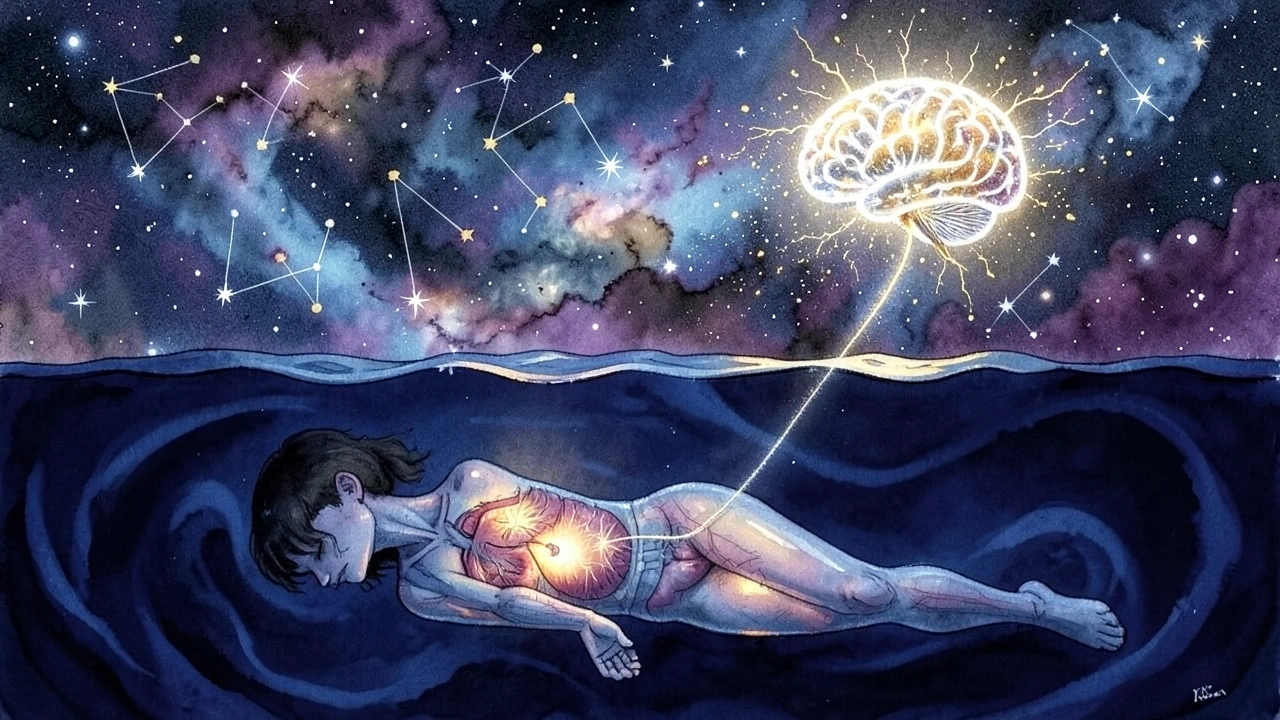
Why Does My Body Feel Tired But Mind Is Awake? Deeper Dives
Beyond the common culprits, there are deeper reasons why this feeling might persist. These often involve more complex interactions within your body and brain, affecting energy regulation and alertness.
Hormonal Imbalances
Hormones are like messengers in your body, telling different parts what to do and when. When these messengers are out of balance, it can cause a lot of different issues, including that tired-but-awake feeling.
- Thyroid Issues: Your thyroid gland produces hormones that control your metabolism, which is how your body uses energy. If your thyroid isn’t making enough thyroid hormone (hypothyroidism), your body’s processes slow down, leading to fatigue, even if your mind feels active.
Symptoms of hypothyroidism can include feeling cold, weight gain, and dry skin, alongside the fatigue. A simple blood test can check your thyroid hormone levels. Doctors can often help manage this with medication to bring your hormones back into balance.
- Adrenal Fatigue: This is a less formally recognized condition, but many people report experiencing it. It’s thought to be related to chronic stress, where your adrenal glands, which produce stress hormones like cortisol, become overworked. This can lead to a constant feeling of exhaustion.
While research is ongoing, proponents suggest that managing stress, improving diet, and getting adequate rest can help support adrenal function. The idea is to give your body a break and help it recover from prolonged stress.
Circadian Rhythm Disorders
Your body has an internal clock, called a circadian rhythm, that helps regulate your sleep-wake cycle. When this clock is out of sync, it can cause you to feel tired at the wrong times.
- Shift Work Sleep Disorder: People who work irregular hours or night shifts often struggle with this. Their work schedule goes against their natural body clock, leading to sleepiness during work hours and difficulty sleeping when they need to rest.
Maintaining a consistent sleep schedule as much as possible, even on days off, can help. Creating a dark and quiet sleep environment can also make a difference. Some people also find light therapy helpful to adjust their internal clock.
- Delayed Sleep Phase Syndrome: In this disorder, people naturally fall asleep and wake up much later than average. They might feel perfectly alert in the evening but struggle to wake up in the morning, leading to daytime fatigue.
This is often genetic and not a sign of poor habits. Working with a sleep specialist can help you gradually shift your sleep schedule. Light therapy and carefully timed melatonin supplements are sometimes used as part of a treatment plan.
Medication Side Effects
Many common medications can have side effects that include fatigue or affect sleep quality. It’s important to be aware of this possibility.
- Common Culprits: Medications for blood pressure, allergies, depression, and even some over-the-counter pain relievers can cause drowsiness or affect your energy levels. This is because they can interfere with brain chemicals or your body’s natural processes.
If you suspect a medication is making you tired, don’t stop taking it on your own. Talk to your doctor. They might be able to suggest a different medication, adjust the dosage, or offer strategies to manage the side effect.
Underlying Medical Conditions
Sometimes, feeling tired when your mind is awake can be a symptom of a more serious medical issue that needs attention.
- Anemia: This is a condition where you don’t have enough healthy red blood cells to carry oxygen to your body’s tissues. Iron deficiency anemia is the most common type. Without enough oxygen, your body can’t function efficiently, leading to fatigue.
Symptoms can include pale skin, weakness, and shortness of breath, in addition to tiredness. A doctor can diagnose anemia with a blood test and recommend treatment, often involving iron supplements and dietary changes.
- Chronic Fatigue Syndrome (CFS) / Myalgic Encephalomyelitis (ME): This is a complex illness characterized by extreme fatigue that doesn’t improve with rest. It can also involve other symptoms like muscle pain, cognitive difficulties (brain fog), and post-exertional malaise (feeling worse after even minor activity).
CFS/ME is a serious condition that requires a medical diagnosis. While there’s no cure, management focuses on pacing activities, managing symptoms, and improving quality of life. It’s important to work closely with healthcare professionals to create a personalized plan.
Strategies to Address Why Does My Body Feel Tired But Mind Is Awake
Now that we’ve explored the many reasons you might feel tired but awake, let’s look at practical steps you can take. These strategies focus on improving sleep, lifestyle habits, and managing stress.
Optimizing Your Sleep Environment and Habits
Creating the right conditions for sleep is fundamental. Even small changes can make a big difference in the quality of your rest.
- Create a Sleep Sanctuary: Make your bedroom dark, quiet, and cool. Use blackout curtains, earplugs, or a white noise machine if needed. A comfortable mattress and pillows are also essential for good sleep.
Think of your bedroom as a place solely for sleep and relaxation. Avoid working, watching TV, or using bright screens in bed. This helps your brain associate your bedroom with winding down and resting.
- Establish a Routine: Go to bed and wake up around the same time every day, even on weekends. This helps regulate your body’s natural sleep-wake cycle (circadian rhythm).
A relaxing bedtime routine can signal to your body that it’s time to wind down. This might include taking a warm bath, reading a book, or listening to calm music. Avoid screens with blue light for at least an hour before bed, as this can interfere with melatonin production.
Making Smart Dietary and Hydration Choices
What you consume directly impacts your energy levels throughout the day. Focus on nourishing your body.
- Eat Balanced Meals: Include a mix of lean protein, healthy fats, and complex carbohydrates in your diet. Avoid excessive sugar and processed foods, which can cause energy spikes and crashes.
Whole foods like fruits, vegetables, whole grains, and lean meats provide sustained energy. Nutrient-dense foods help your body function optimally, reducing feelings of fatigue. Consider keeping a food diary to identify patterns between your diet and how you feel.
- Stay Well-Hydrated: Drink plenty of water throughout the day. Dehydration can lead to fatigue, headaches, and decreased concentration.
Carry a reusable water bottle with you and sip from it regularly. Herbal teas and water-rich fruits and vegetables can also contribute to your daily fluid intake. Pay attention to thirst cues, but aim to drink consistently before you feel parched.
Incorporating Gentle, Regular Exercise
Movement is medicine, but it needs to be the right kind of movement for you.
- Start Slowly and Build Up: If you’re not very active, begin with short, gentle activities like walking or stretching. Gradually increase the duration and intensity as your fitness improves.
Regular exercise improves circulation, boosts mood, and can actually increase your energy levels over time. Aim for at least 150 minutes of moderate-intensity aerobic activity per week, spread out over several days. Consistency is more important than intensity when starting.
- Listen to Your Body and Rest: Overtraining can lead to exhaustion. Make sure to include rest days in your exercise plan and pay attention to signals of fatigue or pain.
Rest days allow your muscles to repair and grow stronger, preventing burnout and injury. If you feel excessively tired or sore, it might be a sign you need to scale back your activity. Proper nutrition and sleep are crucial for recovery.
Managing Stress and Mental Well-being
Taking care of your mind is just as important as taking care of your body.
- Practice Relaxation Techniques: Incorporate activities like deep breathing exercises, meditation, yoga, or spending time in nature into your daily routine. These can help reduce stress and promote a sense of calm.
Even just a few minutes of mindful breathing can help lower your heart rate and reduce stress hormones. Finding what works best for you is key. Explore different techniques to see which ones resonate the most.
- Seek Support When Needed: Don’t hesitate to talk to friends, family, or a mental health professional if you’re feeling overwhelmed or struggling with your mental health.
Therapy or counseling can provide valuable tools and strategies for coping with stress, anxiety, or depression. Sharing your feelings can be a significant step towards healing and improving your overall well-being. Sometimes, just knowing you’re not alone makes a big difference.

When to Seek Professional Help
While many causes of feeling tired but awake can be managed with lifestyle changes, there are times when professional medical advice is essential. Don’t hesitate to reach out to a doctor if your symptoms are persistent or concerning.
- Persistent Fatigue: If you experience extreme tiredness that doesn’t improve with rest for more than a few weeks, it’s important to get it checked. This could be a sign of an underlying medical condition that needs diagnosis and treatment.
Doctors can run tests to rule out or identify issues like anemia, thyroid problems, or sleep disorders. Early diagnosis often leads to more effective treatment and better outcomes.
- Other Concerning Symptoms: Be sure to see a doctor if your fatigue is accompanied by other symptoms such as unexplained weight loss, fever, shortness of breath, or severe pain. These could indicate more serious health concerns.
Pay attention to your body’s signals. These additional symptoms, combined with fatigue, warrant a professional medical evaluation to ensure proper diagnosis and care. Your health is the priority.
Frequently Asked Questions
Question: Is it normal to feel tired but have a clear mind?
Answer: Yes, it’s quite common! This happens when your body’s energy reserves are low, but your brain is still active. It can be due to poor sleep quality, stress, or certain lifestyle habits.
Question: How can I improve my sleep if I feel tired all the time?
Answer: Try to create a relaxing bedtime routine, make your bedroom dark and quiet, and go to bed and wake up around the same time each day. Limiting screen time before bed can also help.
Question: Can stress cause me to feel tired but awake?
Answer: Absolutely. Chronic stress can exhaust your body’s resources and disrupt sleep, leading to that feeling of being tired yet mentally alert.
Question: What if I’m eating healthy and exercising but still feel tired?
Answer: If lifestyle changes aren’t helping, it’s a good idea to see a doctor. There might be an underlying medical issue, like a vitamin deficiency or hormonal imbalance, that needs professional attention.
Question: How long does it usually take to feel better after addressing the causes of fatigue?
Answer: It varies depending on the cause, but many people start to feel improvements within a few weeks of making consistent lifestyle changes or starting appropriate treatment. For some conditions, it may take longer.
Summary
Feeling tired while your mind is awake is common. It often stems from sleep issues, diet, stress, or activity levels. By improving sleep habits, eating well, moving your body gently, and managing stress, you can often feel much better.
If problems persist, a doctor can help find and fix any deeper issues.
Leave a Reply