
It’s a funny thing, isn’t it? You sleep for what feels like ages, but then you wake up feeling like you barely slept at all. This feeling of being extra tired after sleeping too much, sometimes called oversleeping, can be super confusing, especially when you’re just trying to get a handle on your sleep habits.
Don’t worry, though! We’ve got a simple, step-by-step plan to help you figure this out. Get ready to learn about what might be going on and how to feel more refreshed.
Understanding Why You Feel More Tired After Sleeping Too Much
Have you ever wondered Why You Feel More Tired After Sleeping Too Much? It might seem backward, but getting too much sleep can actually leave you feeling groggy and worn out. This happens because our bodies like a regular sleep schedule.
When we mess with that, our internal clock, or circadian rhythm, gets a bit confused. This section will explore the common reasons behind this odd tiredness and how it can affect your day.
The Body’s Internal Clock
Our bodies have a natural, built-in clock that tells us when to sleep and when to wake up. This is called the circadian rhythm. It’s influenced by light and darkness.
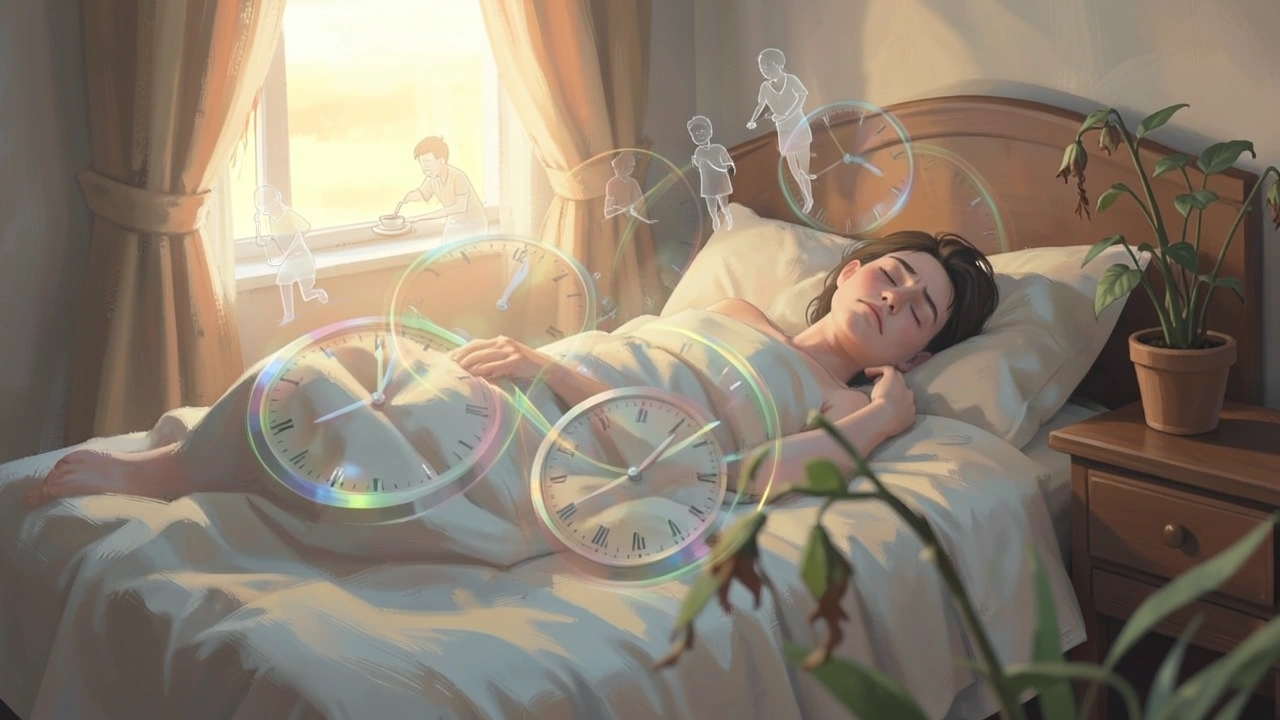
When we sleep way more than usual, it throws this clock off. It’s like hitting the snooze button too many times on your body’s alarm. This disruption can make you feel sluggish and out of sorts.
This rhythm controls many important things, like when we feel hungry, when our body temperature changes, and when we release certain hormones. When we sleep too much, especially inconsistently, we confuse these signals. It’s like the clock is telling your body it’s time to be awake, but you’re still in sleep mode.
This mismatch is a major reason for that tired feeling.
What is the Circadian Rhythm?
The circadian rhythm is a natural, approximately 24-hour cycle that regulates many biological processes. It is guided by the suprachiasmatic nucleus (SCN) in the brain, which acts as the body’s master clock. Light is the most significant external cue, or zeitgeber, that synchronizes this internal clock with the external environment.
When light enters the eyes, it signals the SCN to adjust hormone production and other bodily functions. Disruptions to this rhythm, such as those caused by excessive sleep, can lead to a cascade of physiological effects, including feelings of fatigue.
- Light Exposure: Sunlight plays a huge role in keeping our internal clock in sync. Being exposed to light, especially in the morning, helps signal to our brain that it’s time to be awake and alert. Too much time spent sleeping, especially in a dark room during daylight hours, can weaken this signal. This makes it harder for our body to know when to transition from sleep to wakefulness.
- Hormone Regulation: Our circadian rhythm influences the release of hormones like cortisol, which helps us wake up, and melatonin, which helps us fall asleep. When we sleep too much, especially at odd times, these hormones can become unbalanced. This can leave us feeling less alert during the day and more tired even after a long sleep.
- Sleep Cycles: Sleep happens in cycles, moving between light sleep, deep sleep, and REM sleep. When we sleep for too long, we can spend more time in certain sleep stages than is optimal, or we can experience fragmented sleep. This can prevent us from getting the restorative benefits of a balanced sleep cycle.
Sleep Inertia: The Grogginess Factor
Have you ever woken up and felt like you’re moving through mud? That’s often sleep inertia. It’s that groggy, disoriented feeling right after waking up.
When you sleep for too long, this period of grogginess can actually last longer and feel more intense. Your brain needs a little time to fully switch on after a long period of rest.
This feeling is completely normal, but oversleeping can make it stick around. It’s like your brain is slow to boot up. It affects your thinking, reaction time, and general alertness.
For some people, it can feel like they’re still half asleep for a while after they’ve gotten out of bed.
What is Sleep Inertia?
Sleep inertia is a transient state of cognitive impairment and reduced performance that occurs immediately after waking. It is characterized by feelings of grogginess, disorientation, reduced alertness, and impaired memory and decision-making abilities. The duration and intensity of sleep inertia can vary significantly between individuals and are influenced by factors such as the depth of sleep, the time of day, and the amount of sleep obtained.
Waking from deep sleep, also known as slow-wave sleep, typically results in more pronounced sleep inertia compared to waking from lighter stages of sleep.
- Waking from Deep Sleep: The deepest stage of sleep, slow-wave sleep, is very restorative. However, waking up directly from this stage can lead to significant sleep inertia. Your brain is still in a very slow, relaxed state. It takes more time for the neural pathways to become fully active and responsive.
- Duration of Sleep: The longer you sleep, especially beyond your body’s natural need, the more likely you are to spend extended periods in deep sleep. This prolonged deep sleep can then contribute to a more intense and prolonged experience of sleep inertia. Your brain might struggle to transition smoothly out of this deeply restful state.
- Disrupted Sleep Patterns: Even if you sleep for a long time, if that sleep is broken or of poor quality, it can still lead to sleep inertia. Your sleep cycles might not have completed normally. This means you might wake up from an unhelpful stage of sleep, exacerbating the groggy feeling.
Underlying Health Conditions
Sometimes, feeling tired after sleeping too much isn’t just about sleep habits. It can be a sign of something else going on with your health. Conditions like depression, sleep apnea, or thyroid problems can all make you feel extra sleepy and tired, no matter how much you sleep.
It’s important to pay attention to your body. If this tiredness is constant and affecting your daily life, it’s a good idea to talk to a doctor. They can help figure out if there’s an underlying issue that needs to be addressed.
Getting proper medical advice is key to feeling better long-term.
Common Health Factors Contributing to Oversleeping and Fatigue
Several health issues can lead to hypersomnia, which is the medical term for excessive sleeping, and the resulting fatigue. These conditions often disrupt the body’s natural sleep-wake cycle or affect the quality of sleep obtained, even when sleeping for extended periods. Understanding these connections is crucial for proper diagnosis and treatment.
- Depression: For some people with depression, the primary symptom is not sadness but rather a profound lack of energy and a desire to sleep excessively. This is often referred to as “soporific depression.” The psychological distress associated with depression can manifest physically as overwhelming fatigue and a need for prolonged rest, even if that rest doesn’t feel refreshing.
- Sleep Apnea: This is a serious sleep disorder where breathing repeatedly stops and starts during sleep. Even though a person with sleep apnea might spend a long time in bed, the constant interruptions prevent them from achieving deep, restorative sleep. This leads to daytime sleepiness and fatigue, often prompting them to try and compensate by sleeping even more.
- Hypothyroidism: An underactive thyroid gland (hypothyroidism) means the body doesn’t produce enough thyroid hormones. These hormones are vital for metabolism and energy levels. When they are low, people often feel sluggish, tired, and may experience an increased need for sleep. This can create a cycle where more sleep is sought, but still, the fatigue persists.
- Narcolepsy: Narcolepsy is a neurological disorder that affects the brain’s ability to regulate sleep-wake cycles. People with narcolepsy experience excessive daytime sleepiness and sudden episodes of falling asleep at inappropriate times. While they may sleep for long periods at night, their sleep is often fragmented and unrefreshing, leading to chronic fatigue.
How to Address the Tiredness After Sleeping Too Much
Now that we understand some of the reasons behind feeling tired after sleeping too much, let’s talk about what you can do. The good news is that simple adjustments can make a big difference. We’ll look at practical steps to help you get more restful sleep and wake up feeling more energized.
Establish a Consistent Sleep Schedule
One of the most important things you can do is try to go to bed and wake up around the same time every day. This includes weekends! Yes, it might seem tough, but this consistency helps train your body’s internal clock.
When your body knows what to expect, it can work more efficiently, leading to better sleep quality.
Think of it like setting a reliable alarm for your body. When you stick to a schedule, your circadian rhythm gets stronger and more stable. This makes it easier to fall asleep at night and wake up feeling refreshed in the morning, rather than groggy and worn out.
The Importance of Routine
A regular sleep schedule is the cornerstone of healthy sleep. Our bodies thrive on predictability. When we go to bed and wake up at roughly the same time each day, our internal biological clock, the circadian rhythm, becomes more robust and synchronized.
This regularity helps regulate the release of hormones like melatonin, which promotes sleep, and cortisol, which promotes wakefulness.
- Regulating Melatonin Production: Consistently going to bed at a similar time each night helps your body release melatonin at the right moments. This hormone is crucial for signaling to your body that it’s time to wind down and prepare for sleep. A regular schedule ensures this process happens smoothly, leading to easier sleep onset.
- Preventing Sleep Cycle Disruption: Our sleep follows cycles that last about 90 minutes, moving through different stages from light to deep sleep. A consistent schedule helps ensure you complete a healthy number of these cycles each night. Irregular schedules can cut cycles short or leave you waking from deep sleep, contributing to grogginess.
- Improving Sleep Quality: When your body anticipates sleep at a certain time, it prepares for it. This leads to falling asleep faster and experiencing more consolidated, restorative sleep. A stable rhythm means less tossing and turning and more deep, quality rest that genuinely refreshes you.
Optimize Your Sleep Environment
Your bedroom should be a sanctuary for sleep. Making a few changes can significantly improve how well you rest. Think about making it dark, quiet, and cool.
These simple adjustments can help your body relax and signal that it’s time for deep sleep.
A good sleep environment signals to your brain that it’s safe and time to rest. When everything is just right, you’re more likely to fall asleep quickly and stay asleep throughout the night. This allows your body to go through all the necessary sleep cycles for true restoration.
Key Elements of a Sleep-Friendly Bedroom
Creating an ideal sleep environment involves controlling external factors that can interfere with sleep. This includes managing light, sound, and temperature. A well-optimized bedroom environment supports the body’s natural sleep mechanisms and promotes deeper, more restful sleep.
- Darkness: Even small amounts of light can disrupt melatonin production. Blackout curtains, eye masks, and removing electronic devices with bright lights can make your room darker. Darkness signals to your brain that it’s nighttime, promoting the release of sleep-inducing hormones and helping you fall asleep more easily.
- Quiet: Noise can easily interrupt sleep, especially light sleep stages. Earplugs can be helpful, or consider a white noise machine or fan to mask disruptive sounds. Consistent, soothing background noise can create a more stable auditory environment, preventing sudden awakenings and promoting uninterrupted rest.
- Cool Temperature: Your body temperature naturally drops as you prepare for sleep. A cooler room, typically between 60-67°F (15-19°C), can help facilitate this process. A room that is too warm can make it difficult to fall asleep and stay asleep, leading to restless and less restorative sleep.
Mind Your Diet and Habits Before Bed
What you eat and drink, and what you do in the hours leading up to bedtime, can have a big impact on your sleep. Avoiding heavy meals, caffeine, and alcohol close to bedtime is often recommended. These can all disrupt your sleep cycles and make you feel less rested.
It’s also helpful to create a relaxing bedtime routine. This could involve reading a book, taking a warm bath, or doing some gentle stretching. These activities signal to your body that it’s time to wind down, making it easier to transition into sleep.
A calm mind leads to a calmer body, which is perfect for sleep.
Impact of Pre-Sleep Choices on Sleep Quality
Dietary choices and lifestyle habits in the evening play a significant role in sleep quality. Certain foods and drinks can stimulate the body or interfere with sleep mechanisms, while relaxing routines can prepare the mind and body for rest. Understanding these connections allows for informed choices that support better sleep.
- Caffeine and Alcohol: Caffeine is a stimulant that can stay in your system for many hours, making it hard to fall asleep. Alcohol might make you feel sleepy initially, but it disrupts sleep later in the night, leading to more awakenings and less restorative sleep. Avoiding these in the afternoon and evening is beneficial.
- Heavy Meals: Eating large, heavy meals close to bedtime can cause indigestion and discomfort. Your body is working hard to digest food, which can interfere with its ability to relax and prepare for sleep. Opting for lighter snacks if you’re hungry is a better choice.
- Screen Time: The blue light emitted from electronic devices like phones, tablets, and computers can suppress melatonin production. This can confuse your body’s natural sleep-wake cycle, making it harder to fall asleep. It’s best to put away screens at least an hour before bed.
Consider Light Exposure During the Day
Getting enough natural light during the day is surprisingly important for sleeping well at night. Sunlight helps to set your body’s internal clock. Spending time outdoors, especially in the morning, can make a big difference in how alert you feel during the day and how easily you fall asleep at night.
Conversely, too much exposure to bright artificial light late at night can trick your body into thinking it’s still daytime. This can mess with your sleep hormones. Being mindful of when and how you get light exposure can greatly help regulate your sleep-wake cycle.
Daytime Light and Sleep Regulation
The amount and timing of light exposure during the day significantly influence our circadian rhythm and subsequent sleep quality. Natural daylight is the most powerful signal for our internal clock, helping to regulate sleep and wakefulness patterns. Artificial light, particularly at certain times, can disrupt these natural processes.
- Morning Light Exposure: Exposing yourself to natural sunlight shortly after waking up helps to reinforce your circadian rhythm. This light signals to your brain that it’s time to be awake, suppressing melatonin and increasing alertness. Aiming for at least 10-30 minutes of morning sunlight can improve your daytime energy and make it easier to fall asleep at night.
- Afternoon Light: Continuing to get natural light exposure throughout the day also helps maintain alertness and regulate your sleep schedule. This can include short breaks outdoors or working near a window. Consistent daylight exposure throughout the day reinforces the wakefulness signal, ensuring your body doesn’t prematurely signal for sleep.
- Evening Light: As evening approaches, it’s important to dim the lights and reduce exposure to bright artificial light, especially blue light. This allows melatonin levels to rise naturally, preparing your body for sleep. Dimming lights in the hours before bed helps to create the optimal environment for sleep onset and maintenance.

Why You Feel More Tired After Sleeping Too Much: Real-Life Examples
Sometimes, hearing about how these things play out in real life makes them easier to understand. Let’s look at a couple of scenarios where oversleeping leads to that familiar tired feeling.
Scenario 1: The Weekend Warrior
Sarah often works late during the week and feels exhausted by Friday. On Saturday morning, she sleeps until noon, thinking she’s catching up. When she finally gets out of bed, she feels groggy and has a headache.
The rest of her Saturday feels slow, and she struggles to feel energetic. By Sunday, she’s already dreading Monday because she still feels tired, even though she slept for what felt like a long time.
Sarah’s long sleep on Saturday threw off her body’s natural rhythm. Waking up at noon meant she missed out on morning light, and her internal clock got confused. This prolonged period of sleep likely shifted her sleep cycles in a way that left her feeling drained rather than refreshed.
Scenario 2: The Vacation Over-Sleeper
Mark went on vacation and decided to “relax” by sleeping in every day until 10 or 11 AM. He thought this would help him recover from a busy year. However, after a week, he found himself feeling more tired than ever.
He felt sluggish, unmotivated, and even had trouble concentrating. He realized his “rest” was actually making him feel worse.
Mark’s extended vacation sleep disrupted his established wake-up times. His body got used to a later start, and then when he had to return to his normal schedule, he experienced significant sleep inertia. This period of oversleeping, without the consistent schedule and light exposure he normally gets, essentially reset his sleep pattern to a less optimal one, leading to increased fatigue.
Frequently Asked Questions
Question: Can sleeping too much cause headaches?
Answer: Yes, sleeping too much can sometimes lead to headaches. This is often due to the disruption of your body’s natural rhythm and changes in neurotransmitter activity in the brain. The prolonged sleep can cause certain brain chemicals that regulate pain to shift, leading to a headache.
Question: Is it bad to sleep more than 8 hours?
Answer: For most adults, sleeping more than 8 hours regularly isn’t necessarily “bad” if you feel good afterward. However, if sleeping more than 8 hours consistently leaves you feeling tired and groggy, it might be a sign that your sleep schedule is off or there’s an underlying issue.
Question: How can I stop oversleeping?
Answer: To stop oversleeping, try setting a consistent alarm for yourself, even on weekends. Get up as soon as your alarm goes off and expose yourself to natural light. Avoid caffeine and heavy meals before bed, and create a relaxing bedtime routine.
Question: Does oversleeping affect mood?
Answer: Yes, oversleeping can affect your mood. It can lead to feelings of lethargy, decreased motivation, and even contribute to symptoms of depression for some people. The disruption to your internal clock and sleep cycles can impact your overall well-being and emotional state.
Question: Can oversleeping make me feel more anxious?
Answer: For some individuals, oversleeping can indirectly increase feelings of anxiety. This can happen because oversleeping disrupts the normal balance of hormones and neurotransmitters that regulate mood and stress. When your body’s rhythms are out of sync, it can contribute to a general feeling of unease or being overwhelmed.
Summary
Feeling tired after sleeping too much is a real thing, but it’s often fixable. By sticking to a regular sleep schedule, creating a good sleep environment, and being mindful of your daily habits, you can help your body find its natural rhythm. Small changes can lead to waking up feeling rested and ready for your day.
Leave a Reply