

It’s super common to feel tired, even after getting what seems like a full night’s sleep. This can be really confusing and frustrating, especially when you’re just starting to figure out better sleep habits. You might wonder, Why You Wake Up Tired Even After 8 Hours of Sleep?
Don’t worry, this happens to lots of people. We’re going to break it down simply, step by step. First, let’s look at some common reasons this happens and what you can do about it.
Exploring the Reasons You Wake Up Tired Even After 8 Hours of Sleep
Feeling tired even after sleeping for a long time is a puzzle many people face. This section will explore the hidden reasons behind that lingering grogginess. We’ll look at how your sleep environment, daily habits, and even what you eat can affect how rested you feel when your alarm goes off.
Understanding these factors is the first step to waking up feeling refreshed and ready for your day. We’ll cover everything from light and noise to your diet and exercise routine.
Sleep Environment Factors
Your bedroom plays a huge role in how well you sleep. Think of it as your sleep sanctuary. If it’s not set up right, it can stop you from getting deep, restorative sleep, even if you’re in bed for hours.
Small changes can make a big difference.
The Impact of Light
Light is a powerful signal to your brain. Even a little bit of light can tell your brain it’s time to wake up. This can interrupt your natural sleep cycle.
Blue light from screens, like phones and TVs, is especially disruptive. It tricks your brain into thinking it’s daytime, making it harder to fall asleep and stay asleep.
- Too Much Light: If light creeps into your room, it can stop your body from making melatonin. Melatonin is a hormone that helps you feel sleepy. Streetlights, glowing electronics, or even a clock can be enough to disturb your rest.
- Blue Light Exposure: Using electronic devices close to bedtime is a common culprit. The blue light emitted by these screens is known to suppress melatonin production. This can delay sleep onset and reduce the quality of sleep. Aim to put screens away at least an hour before bed.
- Darkness is Key: A completely dark room is ideal for sleep. Consider blackout curtains if your room gets a lot of outside light. Even small LED lights on chargers can be covered with tape.
Noise Disturbances
Sound can also be a major sleep disruptor. Sudden noises can jolt you awake, even if you don’t fully remember it. Constant low-level noise can prevent you from reaching the deeper stages of sleep.
- Sudden Noises: A door slamming, a dog barking, or traffic can wake you up. These interruptions break your sleep cycle and can leave you feeling unrested.
- Constant Noise: Even if you don’t wake up, background noise like a fan, traffic, or a neighbor can make your sleep less deep. Your brain is still working to filter out these sounds.
- Sound Machines: A white noise machine or earplugs can help block out disruptive sounds. These tools create a consistent, soothing sound that can mask sudden noises and promote deeper sleep.
Temperature and Comfort
The temperature of your room and the comfort of your bed are also vital. If you’re too hot or too cold, you won’t sleep well. Similarly, an uncomfortable mattress or pillow can cause tossing and turning.
- Ideal Temperature: Most experts suggest a cool room for sleeping, usually between 60-67 degrees Fahrenheit (15-19 degrees Celsius). This temperature helps your body’s core temperature drop, signaling it’s time to sleep.
- Mattress and Pillow: Your mattress and pillows should support your body properly. If they are old or don’t fit your sleeping style, they can cause pain and make sleep difficult.
- Breathable Bedding: Using breathable sheets and blankets can help regulate your body temperature. Materials like cotton or bamboo are good choices, especially if you tend to get warm at night.
Daily Habits That Impact Sleep
What you do during the day has a big effect on how you sleep at night. Your daily routine, from when you eat to how you exercise, can either help or hinder your sleep quality.
Diet and Hydration
What you consume, and when, can seriously impact your sleep. Certain foods and drinks can keep you awake or make your sleep restless. Even drinking too much water right before bed can cause disruptions.
- Caffeine: Caffeine is a stimulant that can stay in your system for many hours. Drinking coffee, tea, or soda late in the day can make it very hard to fall asleep. It can also lead to fragmented sleep.
- Alcohol: While alcohol might make you feel sleepy at first, it actually disrupts your sleep later in the night. It can lead to more awakenings and reduce the amount of time you spend in deep sleep.
- Heavy Meals: Eating large, heavy meals close to bedtime can make digestion work overtime. This can cause discomfort and indigestion, interfering with sleep.
- Hydration: Staying hydrated is important, but drinking a lot of fluids right before bed can lead to nighttime bathroom trips. This interrupts your sleep cycle.
Exercise Timing
Being physically active is great for sleep, but when you do it matters. Exercising too close to bedtime can actually energize you, making it harder to wind down and fall asleep.
- Benefits of Exercise: Regular physical activity is linked to better sleep quality and can help you fall asleep faster. It also helps deepen your sleep.
- Timing is Key: Aim to finish your workouts at least 2-3 hours before you plan to go to bed. This gives your body time to calm down.
- Gentle Movement: Light activities like stretching or yoga in the evening can be relaxing and prepare your body for sleep, unlike intense exercise.
Screen Time Before Bed
As mentioned before, screens are a big problem. The blue light they emit is a sleep thief. It messes with your body’s natural sleep signals.
- Blue Light Effect: The blue light from phones, tablets, and computers tells your brain to stay awake. It tricks your body into thinking it’s still daytime. This makes it harder to produce melatonin, the sleep hormone.
- Mental Stimulation: Beyond the light, engaging content on screens can also be mentally stimulating. Watching exciting shows or scrolling through social media can keep your mind racing, making it difficult to relax.
- Digital Detox: Try to avoid screens for at least an hour before bed. Instead, read a physical book, listen to calming music, or take a warm bath. This helps signal to your body that it’s time to wind down.
Underlying Health and Lifestyle Factors
Sometimes, feeling tired after sleep has deeper roots in our health and lifestyle. These factors can significantly impact your sleep quality and how you feel throughout the day.
Stress and Anxiety
When you’re stressed or anxious, your mind can race, making it hard to switch off. This mental activity prevents you from entering deep, restorative sleep, even if you’re physically tired.
- Racing Thoughts: Worries and anxieties can keep your mind buzzing. This constant mental chatter is the opposite of what you need for good sleep. It can make it hard to fall asleep and cause you to wake up frequently.
- Hormonal Impact: Stress triggers the release of cortisol, a hormone that keeps you alert. High cortisol levels at night interfere with your body’s natural sleep-wake cycle.
- Relaxation Techniques: Practicing relaxation techniques like deep breathing, meditation, or journaling can help calm your mind. These methods can reduce stress and prepare you for sleep.
Sleep Disorders
Certain sleep disorders can prevent you from getting quality sleep, even if you spend enough time in bed. These are medical conditions that often require professional help.
- Sleep Apnea: This is a common disorder where breathing repeatedly stops and starts during sleep. It disrupts sleep cycles and can lead to severe daytime tiredness. Snoring is a common sign.
- Insomnia: This is a persistent problem with falling asleep, staying asleep, or experiencing non-restorative sleep. It can be caused by various factors, including stress, poor sleep habits, or underlying health issues.
- Restless Legs Syndrome (RLS): RLS causes an irresistible urge to move your legs, especially at night. This can make it very difficult to fall asleep and stay asleep.
Medical Conditions and Medications
Various medical conditions and the medications used to treat them can affect sleep. It’s important to be aware of how your health might be influencing your rest.
- Chronic Pain: Conditions like arthritis or back pain can make it difficult to find a comfortable sleeping position. Pain can also wake you up throughout the night.
- Thyroid Issues: An overactive or underactive thyroid can disrupt sleep patterns. Both can lead to insomnia or excessive sleepiness.
- Medications: Some medications, including certain antidepressants, blood pressure drugs, and cold medicines, can have side effects that interfere with sleep. Always check with your doctor about potential sleep-related side effects.
Improving Sleep Quality for More Energy
Fortunately, there are many practical steps you can take to improve your sleep. Focusing on consistency and creating a relaxing bedtime routine can make a big difference.
Establishing a Consistent Sleep Schedule
Going to bed and waking up around the same time every day, even on weekends, is incredibly important. This helps regulate your body’s internal clock, also known as your circadian rhythm.
- Regulating Your Body Clock: Your circadian rhythm is like an internal 24-hour clock that controls your sleep-wake cycle. A consistent schedule helps keep this clock in sync, making it easier to fall asleep and wake up naturally.
- Weekend Flexibility: While consistency is key, it’s okay to allow for a little flexibility on weekends. However, try not to stray too far from your weekday schedule, as significant shifts can disrupt your rhythm. Aim for no more than an hour or two difference.
- Waking Up Refreshed: When your body clock is regulated, you’re more likely to wake up feeling alert and energized, rather than groggy and tired, even after 8 hours of sleep.
Creating a Relaxing Bedtime Routine
A calming routine before bed signals to your brain that it’s time to wind down. This routine should help you relax and prepare for sleep.
- Winding Down: Your bedtime routine should be a period of calm. Avoid stimulating activities, stressful conversations, or work-related tasks during this time. Focus on activities that help you de-stress and relax your mind.
- Sample Routine: A good routine might include taking a warm bath, reading a physical book, listening to quiet music, or practicing gentle stretching. This helps transition your mind and body from the day’s activities to a state of rest.
- Consistency is Key: Doing this routine consistently each night, even on busy days, helps reinforce the association between these activities and sleep. This makes it easier for your body to get ready for slumber.
Optimizing Your Bedroom for Sleep
Making your bedroom a cool, dark, and quiet place is essential. This environment promotes uninterrupted, deep sleep.
- Darkness: Use blackout curtains to block out any outside light. Cover or remove any electronic devices with glowing lights. Even a small amount of light can disrupt melatonin production.
- Quiet: If noise is an issue, consider using earplugs or a white noise machine. These can help mask disruptive sounds and create a peaceful atmosphere for sleep.
- Cool Temperature: As mentioned, a slightly cool room is best for sleep. Aim for a temperature between 60-67 degrees Fahrenheit (15-19 degrees Celsius).
Mindfulness and Stress Management
Learning to manage stress and practice mindfulness can significantly improve your sleep quality. A calm mind leads to a rested body.
- Mindfulness Practice: Techniques like deep breathing exercises or meditation can help quiet a busy mind. Spending just a few minutes each day practicing mindfulness can make a difference.
- Stress Reduction: Identify your stressors and find healthy ways to cope with them. This might involve talking to a friend, engaging in a hobby, or seeking professional help.
- Journaling: Writing down your thoughts and worries before bed can help clear your mind. This “worry dump” can prevent racing thoughts from keeping you awake.
When to Seek Professional Help
While lifestyle changes can help most people, sometimes feeling tired after sleep indicates a more serious issue. If you’ve tried many things without success, it’s time to talk to a doctor.
Signs You Need to See a Doctor
There are specific signs that suggest you should consult a healthcare professional for your sleep troubles. These can point to underlying medical conditions that need attention.
- Persistent Daytime Sleepiness: If you feel overwhelmingly tired during the day despite sleeping 7-9 hours, it’s a red flag. This sleepiness can affect your work, driving, and daily activities.
- Snoring Loudly or Gasping: Loud, frequent snoring, especially if it’s accompanied by gasping or pauses in breathing, could be a sign of sleep apnea. This is a serious condition that requires diagnosis and treatment.
- Difficulty Falling or Staying Asleep: If you consistently struggle to fall asleep or wake up frequently and can’t get back to sleep, you might have insomnia. Chronic insomnia needs professional evaluation.
Talking to Your Doctor About Sleep Issues
When you talk to your doctor, be prepared to share details about your sleep habits and symptoms. This information will help them make an accurate diagnosis.
- Sleep Diary: Keep a sleep diary for a week or two before your appointment. Record when you go to bed, when you wake up, how long you think you slept, and how you feel during the day.
- Symptom Description: Clearly describe your symptoms, including how tired you feel, any snoring, leg movements, or other unusual sleep behaviors. Mention any medications you are taking, as they can sometimes affect sleep.
- Diagnostic Tests: Your doctor might recommend tests like a sleep study (polysomnography) to evaluate your sleep patterns and identify any disorders.
Potential Treatments and Solutions
Depending on the diagnosis, your doctor can recommend various treatments. These range from lifestyle adjustments to medical interventions.
- Cognitive Behavioral Therapy for Insomnia (CBT-I): This is a highly effective therapy that helps change thoughts and behaviors that interfere with sleep. It is often considered the first-line treatment for chronic insomnia.
- CPAP Machines: For sleep apnea, a Continuous Positive Airway Pressure (CPAP) machine is a common treatment. It delivers air pressure through a mask to keep your airways open while you sleep.
- Medication: In some cases, your doctor might prescribe medication to help manage sleep disorders or underlying medical conditions. However, these are often used in conjunction with other therapies.
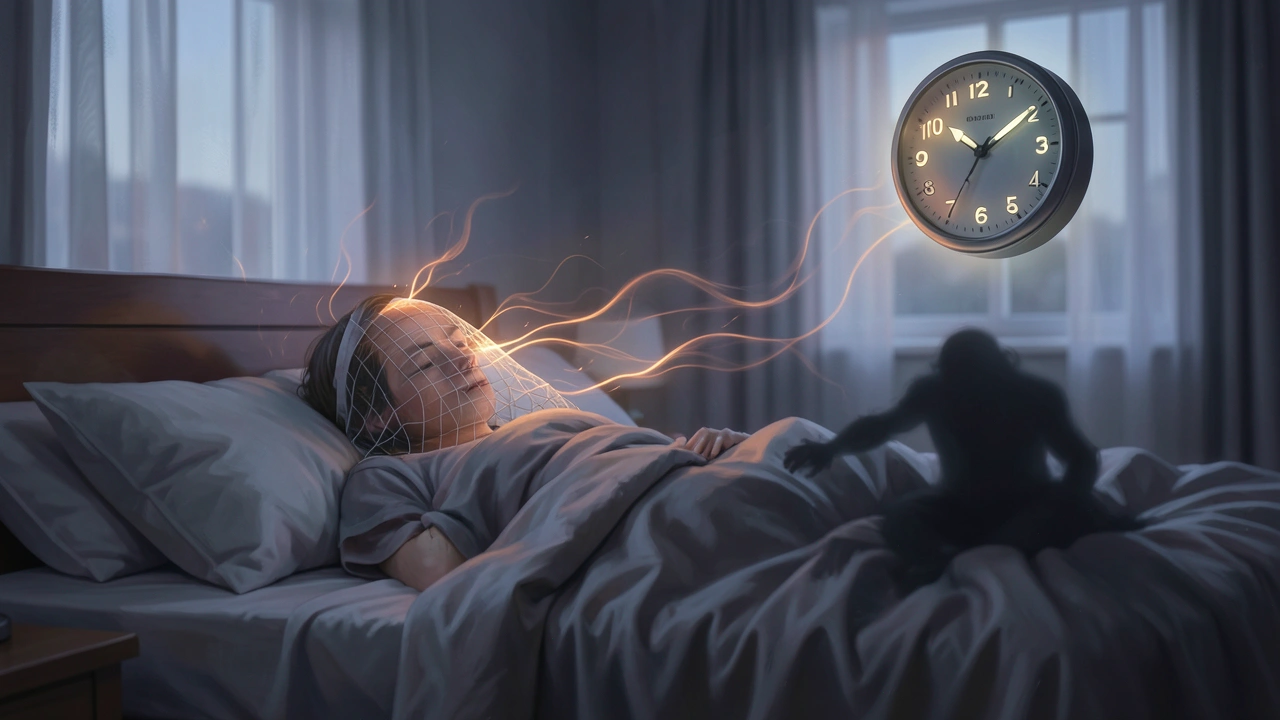
Why You Wake Up Tired Even After 8 Hours of Sleep: A Common Challenge
The feeling of waking up tired after a full night in bed is a common struggle. This often happens because the quality of sleep isn’t as good as the quantity. Factors like poor sleep hygiene, environmental disturbances, and even hidden health issues can prevent you from reaching the deep, restorative sleep stages.
This section aims to clarify the most frequent reasons behind this issue, offering simple ways to identify and address them. We will also touch on how subtle daily habits can significantly impact your morning energy levels. You’ll learn to recognize the subtle signs that your sleep quality needs a boost.
The Illusion of Enough Sleep
Eight hours of sleep sounds like a lot, and it is. However, simply being in bed for this duration doesn’t guarantee you’ve had quality rest. Several elements can disrupt your sleep architecture, leaving you feeling unrefreshed.
Sleep Cycles and Stages
Sleep isn’t just one long block of unconsciousness. It cycles through different stages, including light sleep, deep sleep, and REM (Rapid Eye Movement) sleep. Each stage is vital for physical and mental restoration.
- Deep Sleep: This is when your body repairs tissues, builds muscle, and strengthens the immune system. It’s crucial for physical recovery and feeling revitalized.
- REM Sleep: This stage is vital for cognitive functions like memory consolidation, learning, and emotional processing. Your brain is very active during REM sleep, and most dreaming occurs here.
- Disrupted Cycles: If your sleep is frequently interrupted by noise, light, or discomfort, you might spend less time in these crucial deep and REM stages. This leads to waking up tired even after what seems like enough hours.
The Role of Sleep Inertia
Sleep inertia is that groggy, disoriented feeling you have right after waking up. It’s a natural transition period, but it can be prolonged or more intense if your sleep quality is poor.
- Normal Transition: In most cases, sleep inertia lasts only a few minutes. Your brain is slowly coming online after being in a resting state.
- Worsening Factors: If you’ve had fragmented sleep or were woken abruptly from deep sleep, sleep inertia can last much longer. This makes the initial part of your day feel like a struggle.
- Fighting Sleep Inertia: Getting exposure to natural light soon after waking can help reduce sleep inertia. Gentle movement and hydration also assist in waking your body and mind.
Lifestyle Habits and Their Sleep Consequences
Your everyday choices have a direct impact on the quality of your sleep. Making mindful adjustments can lead to significant improvements in how you feel when you wake up.
Evening Routines Matter
The hours leading up to bedtime are critical for setting the stage for good sleep. A consistent and calming routine helps prepare your body and mind for rest.
- Pre-Sleep Wind-Down: Engaging in relaxing activities an hour or two before bed is essential. This could include reading a book, taking a warm bath, or listening to calm music.
- Avoiding Stimulants: Steer clear of caffeine and alcohol in the hours before sleep. Caffeine is a stimulant that can keep you awake, while alcohol disrupts sleep architecture later in the night.
- Screen-Free Time: The blue light from electronic devices can suppress melatonin production. Aim to put away phones, tablets, and computers at least an hour before bed.
The Impact of Food and Drink
What you consume throughout the day, especially in the evening, can affect your sleep quality. Certain foods and drinks can either promote restful sleep or lead to disruptions.
- Late-Night Meals: Eating heavy meals close to bedtime can cause indigestion and discomfort, making it hard to fall asleep. It’s best to finish your last substantial meal a few hours before going to bed.
- Hydration Timing: While staying hydrated is important, drinking too much liquid right before sleep can lead to frequent bathroom trips, disrupting your sleep cycle.
- Digestive Aids: For some individuals, a small, sleep-friendly snack like a banana or a few almonds might be helpful. However, avoid sugary or fatty foods that can interfere with digestion and sleep.
Exercise and Sleep
Regular physical activity is beneficial for sleep, but the timing of your workouts is important. Exercising too close to bedtime can be counterproductive.
- Benefits of Exercise: Moderate exercise can improve sleep quality, helping you fall asleep faster and experience deeper sleep. It also helps reduce stress, which is a common sleep disruptor.
- Timing for Best Results: For most people, it’s best to complete vigorous exercise at least 2-3 hours before bedtime. This allows your body time to cool down and relax.
- Gentle Evening Movement: Light activities like stretching or gentle yoga in the evening can be beneficial. These can help release tension and prepare your body for sleep without being overly stimulating.
Common Causes of Waking Up Tired Even After 8 Hours of Sleep
This section delves into the specific, common reasons why you might still feel drained after what appears to be sufficient sleep. We’ll explore how environmental factors in your bedroom, lifestyle choices, and even subtle physiological responses can conspire to sabotage your rest. Understanding these culprits is the key to unlocking a more energetic morning.
We will break down each cause into manageable parts, offering practical solutions you can implement right away.
Environmental Disruptors
Your bedroom should be a haven for sleep, but sometimes it can unintentionally become a source of disturbance. Even small environmental issues can significantly impact sleep quality.
Inconsistent Light Exposure
Light is a powerful regulator of our internal clock. Disruptions in light exposure, especially around bedtime and during sleep, can confuse your body’s natural sleep-wake cycle.
- Morning Light: Exposure to natural sunlight shortly after waking helps signal to your brain that it’s time to be alert. Without adequate morning light, you might feel groggy for longer.
- Evening Light: Artificial light, particularly blue light from electronic screens, can suppress melatonin production. This hormone is essential for signaling to your body that it’s time to sleep.
- Nighttime Light: Even small amounts of light during the night, like a digital clock display or light filtering in from outside, can disrupt sleep. This is because any light can be detected by your eyes and interfere with sleep stages.
Noise Pollution
Unexpected or constant noise can fragment sleep, even if you don’t fully wake up. Your brain continues to process sounds, which can prevent you from reaching deeper sleep stages.
- Sudden Sounds: A loud car horn, a dog barking, or even a door slamming can cause micro-arousals. These brief awakenings disrupt the natural flow of sleep cycles.
- Constant Low-Level Noise: Persistent sounds like traffic, a humming refrigerator, or even a partner’s snoring can prevent your brain from fully relaxing, leading to lighter, less restorative sleep.
- Sound Masking: Using a white noise machine or earplugs can help create a more consistent and peaceful sleep environment by masking disruptive noises.
Temperature Extremes
Your body temperature naturally drops as you fall asleep. If your bedroom is too hot or too cold, it can interfere with this process, making it harder to fall asleep and stay asleep.
- Overheating: Being too hot can cause discomfort, restlessness, and frequent awakenings. It prevents your body from entering the optimal temperature range for sleep.
- Feeling Too Cold: Conversely, being too cold can also be disruptive. Your body works to stay warm, which can lead to restless sleep and more awakenings as you try to regulate your temperature.
- Ideal Range: Most sleep experts recommend keeping the bedroom temperature between 60-67 degrees Fahrenheit (15-19 degrees Celsius) for optimal sleep.
Physiological and Health Factors
Underlying health conditions and even the natural processes of your body can play a significant role in why you wake up tired even after 8 hours of sleep.
Sleep Apnea and Breathing Issues
Sleep apnea is a serious condition where breathing repeatedly stops and starts during sleep. This significantly disrupts sleep quality and leads to daytime fatigue.
- Oxygen Deprivation: When breathing stops, oxygen levels in the blood drop. This triggers the brain to briefly wake you up to resume breathing, even if you don’t remember it.
- Fragmented Sleep: These frequent awakenings, known as arousals, prevent you from cycling through the deeper, more restorative stages of sleep.
- Snoring: Loud, persistent snoring is a common symptom of sleep apnea, though not everyone who snores has it. Other signs include gasping for air during sleep and excessive daytime sleepiness.
Restless Legs Syndrome (RLS)
RLS causes an uncomfortable, irresistible urge to move your legs, often accompanied by strange sensations like crawling or tingling. These symptoms are typically worse at night and when resting.
- Urge to Move: The overwhelming need to move your legs can make it incredibly difficult to fall asleep. The movement provides temporary relief but often leads to further awakenings.
- Sensory Discomfort: The strange sensations associated with RLS can be highly distracting and uncomfortable, preventing relaxation and sleep.
- Impact on Sleep Quality: Even if you manage to fall asleep, RLS can lead to frequent arousals and prevent you from achieving deep, restorative sleep.
Chronic Pain and Discomfort
Living with chronic pain can make restful sleep a distant dream. Pain can make it difficult to find a comfortable position and can wake you up throughout the night.
- Difficulty Finding Comfort: Chronic pain conditions like arthritis, fibromyalgia, or back pain can make it hard to get comfortable in bed. You might toss and turn trying to find a position that doesn’t hurt.
- Pain-Induced Arousals: Even if you fall asleep, pain can cause you to wake up frequently during the night. These interruptions prevent your sleep from being continuous and restorative.
- Cycle of Pain and Fatigue: Poor sleep can actually worsen pain perception, creating a vicious cycle where pain leads to poor sleep, and poor sleep exacerbates pain.
Lifestyle Choices That Undermine Sleep
Certain daily habits, even those that seem harmless, can subtly sabotage your sleep quality, leading to that persistent feeling of tiredness.
Irregular Sleep Schedules
Going to bed and waking up at different times, especially between weekdays and weekends, can disrupt your body’s natural sleep-wake cycle.
- Circadian Rhythm Disruption: Your body has an internal clock (circadian rhythm) that regulates sleep and wakefulness. Irregular schedules confuse this clock, making it harder to fall asleep at night and harder to wake up feeling refreshed.
- “Social Jet Lag”: The difference between your weekday and weekend sleep schedules is often called “social jet lag.” This can make you feel as tired on Mondays as if you had traveled across time zones.
- Importance of Consistency: Maintaining a consistent sleep schedule, even on days off, helps keep your circadian rhythm stable, promoting better sleep quality.
Late-Night Screen Use
The blue light emitted from electronic devices is a significant factor in sleep disruption. It interferes with the body’s production of melatonin, the hormone that signals sleepiness.
- Melatonin Suppression: Blue light is particularly effective at suppressing melatonin. This makes it harder for your brain to recognize that it’s time to wind down and prepare for sleep.
- Mental Stimulation: Beyond the light, engaging with content on screens can also be mentally stimulating. Scrolling through social media or watching exciting videos can keep your mind active, making it difficult to relax.
- Creating a Sleep Cue: Establishing a digital curfew, where you put away all screens at least an hour before bed, can help your body naturally prepare for sleep.
Dietary Habits in the Evening
What you eat and drink, particularly in the hours before bed, can have a substantial impact on your sleep quality.
- Caffeine Intake: Caffeine is a stimulant found in coffee, tea, chocolate, and some sodas. Its effects can last for many hours, so consuming it late in the day can make it difficult to fall asleep and can lead to lighter sleep.
- Alcohol Consumption: While alcohol might make you feel drowsy initially, it disrupts sleep architecture later in the night. It can lead to more awakenings and reduce the time spent in deep, restorative sleep.
- Heavy or Spicy Foods: Eating large, heavy, or spicy meals close to bedtime can cause indigestion, heartburn, and general discomfort, all of which can interfere with sleep.

Addressing Why You Wake Up Tired Even After 8 Hours of Sleep
Now that we’ve explored the common culprits, this section focuses on practical, actionable steps to improve your sleep quality. We’ll cover how to optimize your sleep environment, adjust your daily habits, and when to seek professional advice. The goal is to help you move from feeling tired to feeling energized.
These solutions are designed to be easy to understand and implement.
Optimizing Your Sleep Environment
Your bedroom plays a crucial role in sleep. Making it a dark, quiet, and cool sanctuary can significantly boost your sleep quality.
The Power of Darkness
Light is a powerful cue to your brain. Ensuring your room is as dark as possible is one of the most effective ways to promote sleep.
- Blackout Curtains: These are an excellent investment if you live in an area with streetlights or early morning sun. They effectively block out external light sources.
- Covering Electronics: Even small LEDs on devices like chargers or clocks can emit enough light to disrupt sleep. Use tape or position them away from your direct line of sight.
- Eye Masks: If complete darkness is hard to achieve, a comfortable eye mask can provide a simple and effective solution, blocking out any stray light.
Minimizing Noise
Noise can lead to micro-arousals, preventing you from reaching deep, restorative sleep. Several strategies can help create a quieter sleep space.
- Earplugs: Soft, comfortable earplugs can effectively block out disruptive sounds like traffic or a snoring partner. Experiment with different types to find ones that fit well.
- White Noise Machines: These machines produce a constant, soothing sound that can mask sudden or irregular noises. The consistent sound can be more calming than complete silence for some people.
- Soundproofing: For persistent noise issues, consider acoustic panels or heavy curtains, which can help absorb sound and create a more peaceful environment.
Maintaining the Right Temperature
A cool room is generally better for sleep. Your body temperature naturally drops as you fall asleep, and a cooler environment aids this process.
- Ideal Range: Aim for a room temperature between 60-67 degrees Fahrenheit (15-19 degrees Celsius). This range is generally considered optimal for sleep.
- Ventilation: Ensure good airflow in your bedroom. Opening a window slightly, if safe and practical, can help keep the air fresh and the temperature down.
- Breathable Bedding: Use bedding made from natural, breathable materials like cotton or bamboo. These fabrics help regulate body temperature and prevent overheating.
Establishing Healthy Sleep Habits
Your daily routines have a profound effect on your sleep. Adopting consistent, healthy habits can make a significant difference in how rested you feel.
Consistent Sleep Schedule
Going to bed and waking up around the same time every day, including weekends, is key to regulating your body’s internal clock.
- Circadian Rhythm: A regular schedule helps synchronize your circadian rhythm, making it easier to fall asleep and wake up naturally.
- Weekend Catch-Up: While it’s tempting to sleep in on weekends, significant deviations can lead to “social jet lag,” making you feel tired on Monday. Try to keep your weekend schedule close to your weekday one.
- Waking Up Naturally: Over time, a consistent schedule can help you wake up feeling more alert and refreshed without an alarm.
Mindful Evening Routine
Creating a relaxing pre-sleep routine signals to your body that it’s time to wind down and prepare for rest.
- Relaxing Activities: Engage in calming activities like reading a physical book, listening to soft music, gentle stretching, or taking a warm bath. Avoid stressful conversations or work-related tasks.
- Digital Curfew: Put away electronic devices at least an hour before bed. The blue light can interfere with melatonin production, and the content can be mentally stimulating.
- Consistency: Performing this routine consistently every night helps reinforce the association with sleep, making it easier for your body to transition into rest.
Dietary Considerations
What and when you eat can impact your sleep. Making smart food choices in the evening can help prevent sleep disturbances.
- Limit Caffeine and Alcohol: Avoid caffeine in the afternoon and evening. Limit alcohol intake, as it can disrupt sleep quality later in the night.
- Avoid Heavy Meals: Try to finish your last large meal 2-3 hours before bedtime to allow for proper digestion and prevent discomfort.
- Hydration Timing: Stay hydrated throughout the day, but reduce fluid intake in the couple of hours before bed to minimize nighttime bathroom visits.
When to Seek Professional Help
If you’ve tried implementing these strategies and still struggle with waking up tired, it might be time to consult a healthcare professional. They can help identify underlying medical conditions.
Signs of Sleep Disorders
Persistent daytime sleepiness, loud snoring, or an irresistible urge to move your legs can indicate a sleep disorder.
- Sleep Apnea: If you snore loudly, gasp for air during sleep, or have been told you stop breathing, you might have sleep apnea. This requires medical diagnosis and treatment.
- Insomnia: Chronic difficulty falling asleep, staying asleep, or experiencing non-restorative sleep can be a sign of insomnia.
- Restless Legs Syndrome (RLS): An uncomfortable urge to move your legs, especially at night, is characteristic of RLS.
Consulting Your Doctor
A doctor can assess your symptoms, medical history, and potentially recommend diagnostic tests like a sleep study.
- Be Prepared: Keep a sleep diary to record your sleep patterns, daytime fatigue, and any other relevant symptoms. This information is valuable for diagnosis.
- Discuss Medications: Inform your doctor about all medications and supplements you are taking, as some can interfere with sleep.
- Diagnostic Tools: A sleep study can monitor your breathing, brain waves, heart rate, and other vital signs during sleep to identify disorders.
Frequently Asked Questions
Question: Why do I feel groggy even after 8 hours of sleep?
Answer: You might feel groggy because the quality of your sleep isn’t good, even if the quantity seems sufficient. This can be due to environmental factors like light or noise, disruptions in your sleep cycles, or lifestyle habits that affect your body’s ability to get restorative rest.
Question: Can diet affect how tired I feel in the morning?
Answer: Yes, your diet can definitely affect your morning energy levels. Caffeine and alcohol, especially consumed late in the day, can disrupt sleep. Heavy meals close to bedtime can also cause discomfort and poor sleep quality.
Question: Is it bad if I wake up a few times during the night?
Answer: Waking up briefly once or twice is normal. However, frequent or prolonged awakenings can disrupt your sleep cycles, preventing you from reaching deep, restorative sleep stages. This can lead to feeling tired the next day.
Question: How can I make my bedroom better for sleep?
Answer: To improve your bedroom for sleep, make it as dark, quiet, and cool as possible. Use blackout curtains, earplugs, or a white noise machine. Aim for a room temperature between 60-67 degrees Fahrenheit (15-19 degrees Celsius).
Question: Should I always go to bed and wake up at the exact same time?
Answer: It’s best to have a consistent sleep schedule, even on weekends, as much as possible. This helps regulate your body’s internal clock. While some flexibility is okay, large shifts can disrupt your sleep patterns and make you feel more tired.
Wrap Up
Feeling tired after 8 hours of sleep is a common hurdle. By improving your sleep environment, adjusting daily habits, and understanding your body’s signals, you can make a real difference. Small changes can lead to waking up feeling refreshed and energized, ready for your day.
Leave a Reply